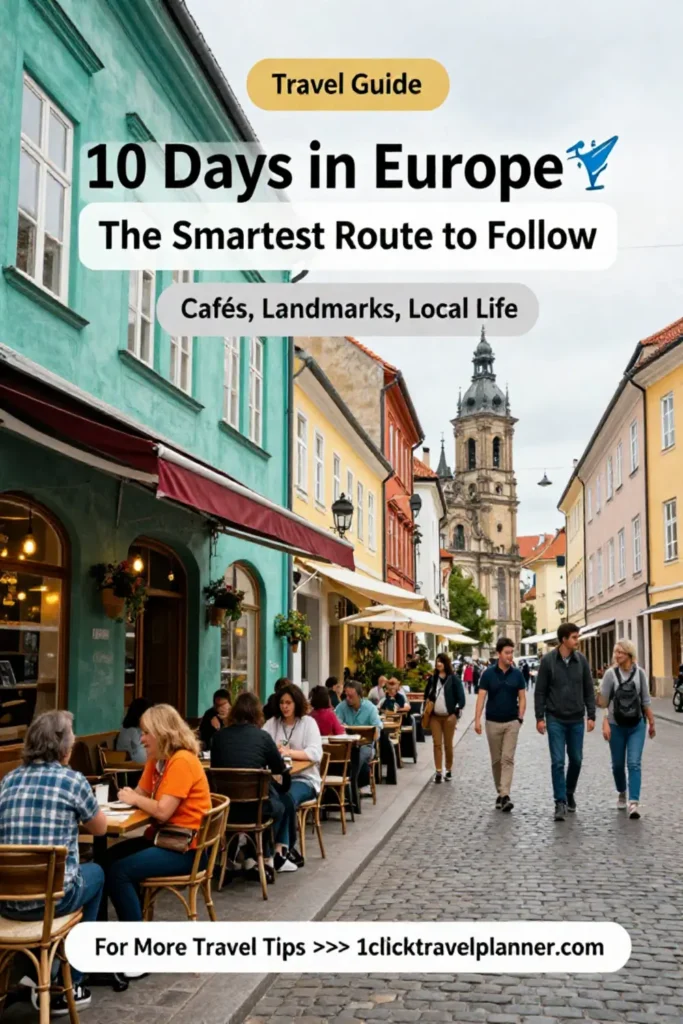
Embarking on a 10-day journey through Europe is a dream, and having a well-thought-out itinerary can make all the difference. This guide will provide you with the smartest route to follow, ensuring you experience the best of what Europe has to offer in just ten days. From iconic landmarks to hidden gems, prepare for an unforgettable adventure that combines culture, history, and breathtaking landscapes.
What Is 10 Days in Europe ✈️ The Smartest Route to Follow
This itinerary is designed to cover several of Europe’s most exhilarating destinations in a compact time frame. You will explore vibrant cities, immerse yourself in local cultures, and relish culinary delights, all while maintaining a pace that allows for a fulfilling travel experience. The key is to plan strategically, focusing on major hubs that connect easily to one another.
Why Visit This Destination
Europe is a melting pot of history, architecture, and culture. Each city has its unique charm, offering countless experiences for travelers. The opportunity to visit renowned museums, taste delectable cuisines, and explore historic sites makes Europe an enticing destination. Additionally, Europe’s interconnected transport systems make it remarkably convenient for travelers to hop from one city to another effortlessly.
Best Things to Do
- Visit the Louvre in Paris: Experience world-class art, including the Mona Lisa and the Venus de Milo.
- Explore the Colosseum in Rome: Step back in time to the era of gladiators and ancient Roman spectacles.
- Take a canal tour in Amsterdam: Discover the city from a different perspective while gliding through its historic canals.
- Enjoy tapas in Barcelona: Savor a variety of small dishes that highlight the richness of Spanish cuisine.
- See the Sagrada Familia: Marvel at Gaudí’s unfinished masterpiece that combines beauty and spirituality.
Suggested Itinerary
- Day 1: Arrive in Paris – Explore Montmartre and enjoy a Seine River cruise.
- Day 2: Visit the Eiffel Tower and the Louvre, then take a stroll through the Tuileries Garden.
- Day 3: Travel to Rome – Visit the Vatican, including St. Peter’s Basilica and the Sistine Chapel.
- Day 4: Explore ancient Rome with a visit to the Colosseum and the Roman Forum.
- Day 5: Head to Barcelona – Discover Gaudí’s Park Güell and enjoy beach time on Barceloneta.
- Day 6: Visit La Sagrada Familia and wander through the Gothic Quarter.
- Day 7: Travel to Amsterdam – Enjoy a canal cruise and visit the Van Gogh Museum.
- Day 8: Explore the Anne Frank House and take a bike tour through the city.
- Day 9: Visit Berlin – Discover the history at the Berlin Wall and explore Museum Island.
- Day 10: Wrap up your trip in Prague – Visit Prague Castle and stroll across Charles Bridge.
Travel Tips
- Budget wisely: Set aside a specific amount for each location to avoid overspending.
- Use public transport: It’s often cheaper and gives you a more authentic experience.
- Learn basic local phrases: Simple greetings can enhance your interactions with locals.
- Keep important documents secured: Use a money belt or a secure bag to access essential items easily.
- Plan for downtime: Ensure you have free time to explore at your leisure and relax.
Best Time to Visit
The best time to visit Europe is typically during the spring (April to June) and early autumn (September to October). During these months, the weather is generally pleasant, tourist crowds are thinner, and hotel rates tend to be lower. Additionally, many cities host vibrant festivals during these times, adding an extra layer of excitement to your visit.
Where to Stay
When choosing accommodations, consider location and convenience. Opt for hotels or hostels in central areas to minimize travel time and maximize your experience. Booking in advance can also help you secure better rates. Look for places that offer free breakfast or kitchen facilities to save on food costs while traveling.
Common Mistakes to Avoid
- Overpacking: Pack light to make your travels easier; consider versatile clothing.
- Ignoring travel insurance: Always invest in travel insurance to protect against unforeseen circumstances.
- Not checking visas and passports: Ensure that your passport is valid and check visa requirements for each country.
- Planning too much: Allow for flexibility in your itinerary; unexpected discoveries often turn out to be the best experiences.
- Relying solely on Google Maps: Familiarize yourself with local navigation tools, including offline city maps.
Frequently Asked Questions
- How do I plan my travel route in Europe? Start by identifying the key cities you wish to visit and research the transportation options available between them. Consider using trains for efficient travel and prioritize connections that minimize travel time.
- What should I pack for a 10-day trip? Pack clothing suitable for the weather during your visit, comfortable walking shoes, a reusable water bottle, travel adapters, and any necessary documents. Also, consider light snacks for your journey.
- Are there any cultural norms I should be aware of? Yes, each country has its etiquette; familiarize yourself with basic customs, such as dining manners and greeting practices to avoid any unintended rudeness.
- How can I stay connected while traveling? Look into local SIM cards or portable Wi-Fi devices for reliable internet access during your trip. Free Wi-Fi is often available in hotels and cafes as well.
- Is public transport safe in Europe? Generally, public transportation systems in Europe are safe, punctual, and efficient. Always remain vigilant, especially in crowded areas, to safeguard your belongings.
Conclusion: A ten-day journey through Europe can be a remarkable experience if planned effectively. By following the suggested itinerary and keeping in mind essential travel tips, you’ll be able to absorb the vibrant cultures, stunning architecture, and diverse cuisines that Europe has to offer. Remember to allow for spontaneity, and embrace the adventure that awaits you on your travel journey.