Prep time: 15 minutes
Cook time: 30 minutes
Total time: 45 minutes
Servings: 4 servings
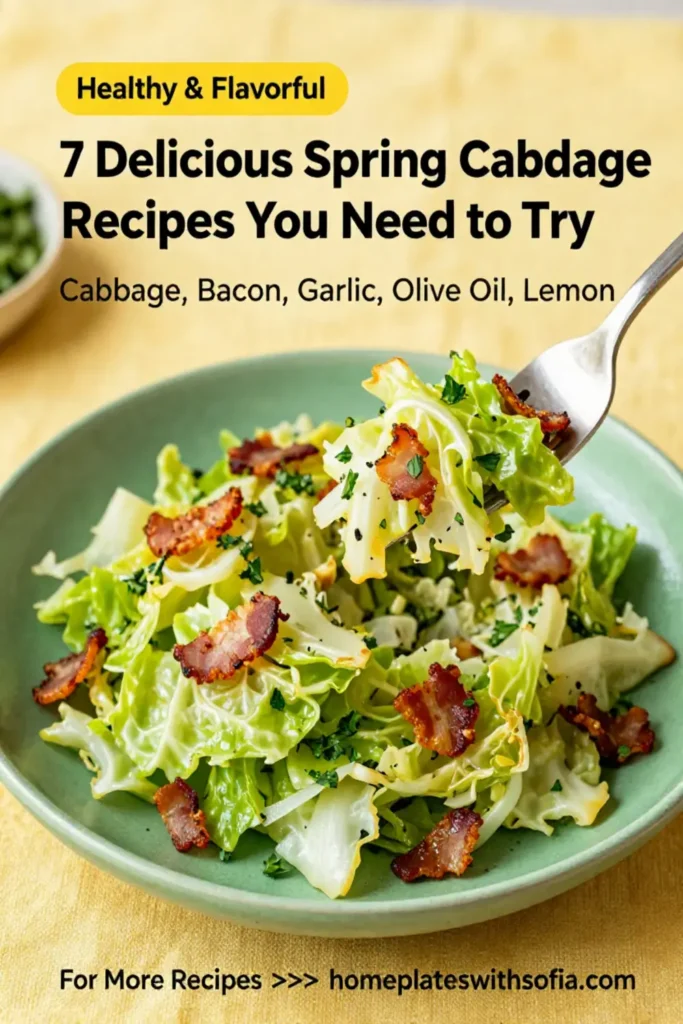
Spring is the perfect time to rejuvenate your meal rotation. As the vibrant season ushers in fresh produce, the humble cabbage shines brightly among the greens. Known for its versatility, cabbage can be incorporated into a variety of dishes that are not only nutritious but also delicious. If you’re feeling adventurous, these 7 delightful spring cabbage recipes are just what you need to invigorate your palate and impress your family at the dinner table.
What Is 7 Delicious Spring Cabbage Recipes You Need to Try?
This collection of recipes showcases the best of cabbage during its prime season. Each recipe serves to highlight unique flavor profiles, textures, and cooking methods, allowing you to see how versatile this leafy vegetable can be. Whether you’re looking to whip up a quick weeknight dinner or impress guests at a gathering, these cabbage recipes have got you covered!
Why You’ll Love This
Cabbage is one of those ingredients that often gets overlooked, but it’s a powerhouse when it comes to nutrition. It’s low in calories yet high in essential vitamins and minerals like Vitamin C and K. Not to mention, cabbage is budget-friendly and has a long shelf life, making it a staple for those busy parents and culinary beginners alike. These recipes are designed to be engaging and uncomplicated, allowing you to experience the joy of cooking and eating without breaking the bank or spending hours in the kitchen.
Ingredients You’ll Need
- 1 medium green cabbage (about 2 pounds): The star of the show, providing the base for all recipes.
- 1 large onion: Adds sweetness and depth of flavor to your dishes.
- 2 cloves garlic: Enhances the overall aroma and punch of your recipes.
- 1 carrot: Introduces a hint of sweetness, balancing the savory elements.
- 3 tablespoons olive oil: Great for sautéing and brings richness to the dishes.
- Salt and pepper: Essential seasoning that elevates the flavor profile.
- 1 tablespoon vinegar (apple cider or white): Brightens up the flavors, especially in slaws.
- Your choice of proteins (to add): Optional additions like sausage or tofu for a heartier meal.

How to Make
- Prepare the cabbage: Remove the outer leaves and core of the cabbage. Slice it thinly into ribbons, which will help it cook evenly and absorb flavors well. This would typically take about 5 minutes.
- Sauté the aromatics: In a large pan, heat the olive oil over medium heat. Add the chopped onion and grated carrot. Stir occasionally until the onion is translucent, roughly 5–7 minutes. The sweet aroma will fill your kitchen.
- Add garlic: Once the onion is ready, add minced garlic to the pan. Stir for about a minute until fragrant. Be careful not to let it brown, as it can become bitter.
- Incorporate the cabbage: Add the sliced cabbage into the pan. Toss everything together and allow it to wilt for 3–4 minutes, stirring frequently. This step infuses the cabbage with all the aromatic flavors.
- Season it well: Sprinkle salt and pepper generously over the cabbage. If you like, add your choice of protein at this stage. Let it cook down for about 15–20 minutes. The cabbage should be tender but not mushy.
- Finish with vinegar: Just before serving, drizzle in the vinegar and toss to combine. This will elevate the flavors and add a delightful tang to the dish, making every bite pop!
Variations & Substitutions
Asian-style Cabbage Salad: For a refreshing variation, consider making a crunchy cabbage salad. Use red cabbage for additional color and mix in sliced bell peppers, edamame, and a sesame dressing. Top with toasted sesame seeds for extra crunch. This is an ideal side dish for grilled meats or as a light lunch option.
Cabbage and Sausage Skillet: If you want something heartier, try adding sliced sausage to your sauté. The savory flavors meld beautifully with the cabbage, creating a cozy one-pan meal perfect for busy weeknights.
Stuffed Cabbage Rolls: For a more traditional twist, look into making stuffed cabbage rolls. Blanch the cabbage leaves and fill them with a mixture of ground meat, rice, herbs, and spices before simmering them in tomato sauce. This nostalgic dish is great for family gatherings.
Cheesy Cabbage Bake: If comfort food is what you seek, consider layering sautéed cabbage with cheese and cream in a baking dish. Bake until golden and bubbling for a hearty side or main dish that will delight everyone at your table.
Vegan Cabbage Stir-fry: For a plant-based alternative, skip the meat and use tofu or chickpeas instead. Flavor it up with soy sauce and a splash of sesame oil for a delightful Asian-inspired dish that’s bursting with flavor.
Common Mistakes to Avoid
One common mistake is cutting the cabbage too thick. Make sure you slice it thinly to allow for even cooking. Thicker pieces won’t cook properly and can result in a chewy texture.
Another mistake is overcrowding the pan. When sautéing, always leave room for the ingredients to breathe. Too many ingredients in the pan at once can trap steam and prevent browning.
Lastly, don’t skip the seasoning. Cabbage can be bland if not seasoned properly. Make sure to taste as you go to adjust flavors accordingly.
Storage, Freezing & Reheating Tips
To store your cooked cabbage dishes, allow them to cool completely before transferring them to an airtight container. They will stay fresh in the fridge for up to 3 days. When reheating, opt for the stovetop to retain texture, as microwaving can make the cabbage soggy.
If you want to freeze cabbage dishes, make sure they are fully cooled first. Store them in freezer-safe containers, and they can last for up to 3 months. For reheating, defrost in the fridge overnight and then warm on the stove until heated through to maintain texture and moisture.
Frequently Asked Questions
Can I use other types of cabbage for these recipes?
Absolutely! While green cabbage is often used, red and Savoy cabbages can also be delightful alternatives. Each type will lend its unique flavor and texture to the dish.
How can I tell if cabbage is fresh?
Fresh cabbage should feel heavy for its size with tightly packed leaves and a vibrant color. Avoid heads with wilted or damaged leaves as they indicate age.
Is cabbage difficult to cook?
Not at all! Cabbage is quite easy to cook and can be prepared in various ways, such as steaming, sautéing, and roasting. Once you practice a few techniques, you will find it an enjoyable vegetable to work with.
What are the health benefits of cabbage?
Cabbage is rich in dietary fiber, which promotes digestive health, and is packed with antioxidants that may help combat inflammation. It’s also low in calories, making it an excellent addition to a healthy diet.
Can I eat cabbage raw?
Yes! Raw cabbage in salads or slaws is crunchy and offers great nutritional benefits. Just note that it may be harder for some to digest in its raw form, so cooking it slightly can make it more palatable for sensitive stomachs.
Conclusion: Cabbage is an incredibly versatile ingredient, ideal for all seasons, particularly during spring when it’s at its best. These 7 delicious spring cabbage recipes will not only add variety to your meals but also introduce you to the endless possibilities this leafy green has to offer. Whether you’re sautéing, stuffing, or slawing, I hope you give these recipes a try. Happy cooking!