It was a cool Sunday afternoon, the kind that felt like it was draping a cozy shawl over the entire world. The leaves outside my kitchen window swayed lazily in a gentle breeze, bursting with the colors of early autumn. I had a sinking feeling that my friends were going to surprise me later that evening — they were notorious for their spontaneous visits, and somehow we all knew, without ever stating it, that food would be the centerpiece of our gathering. This particular day, I decided to whip up something quintessentially inviting, something that felt both ancient and comforting, like a warm, friendly hug.
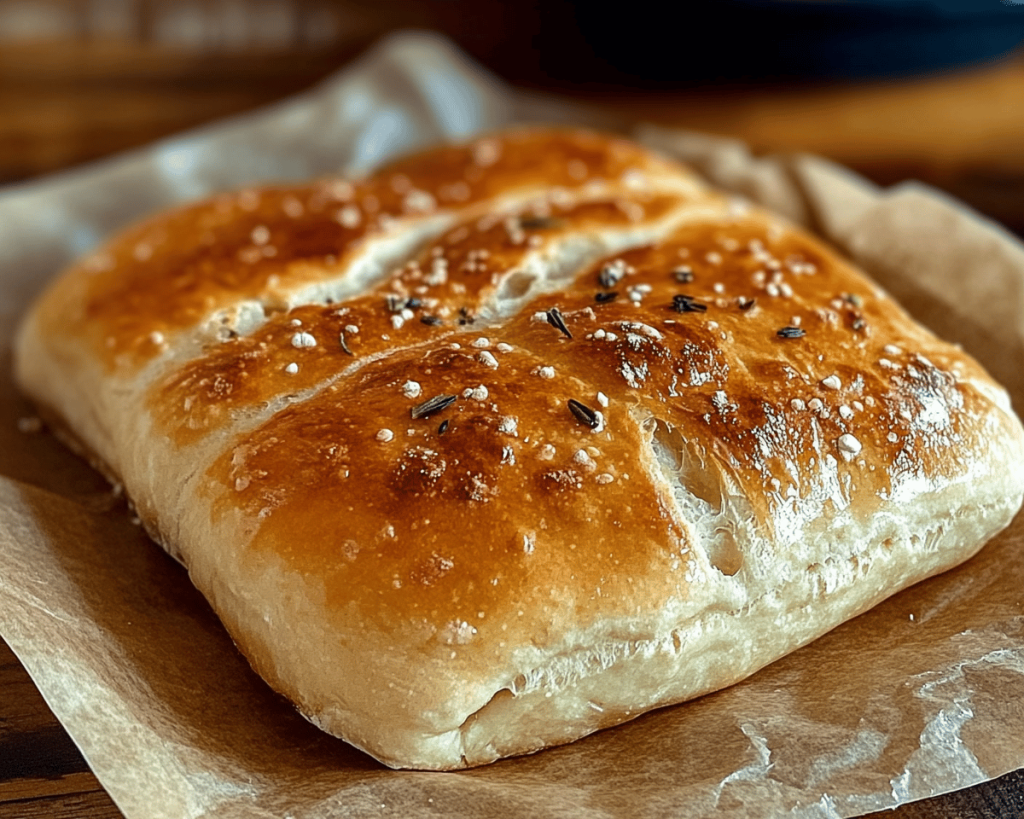
That’s when I thought of bread. Not just any bread, though. I could almost smell the luscious scent drift in from the kitchens of my Turkish friends, a scent that feels like home to many around the world. This was the night I would make **No-Oven Turkish Bread**. A dish I had shared and learned to appreciate from my travels to Turkey, and one that had turned into both a party trick and a unifier among friends.
It had been years since I first tried my hand at making Turkish bread. I was awkwardly navigating the bustling bazaar in Istanbul, intoxicated by the sensory overload of spices, scents, and stories swirling around me. Back then, I’d joined a cooking class, eager and anxious to learn the nuances of the cuisine. The instructor, a magnificent woman with hands like a map of every dough she’d ever kneaded, taught us the art of this flatbread — **pide**, as it was known. No oven required; instead, it was all about using the stovetop. Distinctive, versatile, and utterly delicious, it seemed the perfect candidate for an impromptu gathering.
Here I stood, my heart aflutter with memories, reaching for ingredients that felt like an extension of my own being. Cooking was not just about mixing elements; it was a journey through my past, a shared history that brought life to the present. As I prepared to flip the dough golden brown over the flame, I couldn’t help but think about the people who had once gathered around the table with me, sharing laughter, stories, and steaming pieces of that very bread.
Inside the Ingredients of No-Oven Turkish Bread
Let’s take a little tour of the ingredients that come together to make this delightful recipe. Each one carries its own story, just like you and me.
All-Purpose Flour: This humble ingredient is the backbone of the bread. It creates the dough that’s stretchy and pliably soft, which allows for that glorious puff when it hits the hot skillet. It carries a certain weight; you could say it symbolizes the base of many lives — from breakfast to dinner, empowering us to turn flour and water into sustenance. Make sure to have good quality flour; it can really elevate your kitchen endeavors.
Water: Just simple water, but it connects everything. It’s the binding agent that embraces the flour and brings it to life. I once learned from a wise baker that using warm water instead of cold can bring out sweeter flavors in the dough. Whenever I roll up my sleeves to dive into this recipe, I let the water turn warm, and it feels like a warm hug for the food. When I pour it in, I can almost hear the dough sigh with joy.
Salt: The seasoning of life. Isn’t it wonderful how such a small granule can punch up flavors? Salt brings depth, reminds me of conversations held over meals that are simply too bland without a little sprinkle of love. It’s a crucial part in every dish; it makes everything taste more like itself.
Olive Oil: Ah, this luscious green nectar. It drizzles life into our culinary pursuits with its rich, fruity aroma. In Turkey, olive oil is not just a cooking fat; it’s a cultural statement, a health elixir, something to be cherished. The moment it kisses the warm pan, you’ll be transported to a sun-soaked grove where olives hang heavy on the branches. A light drizzle into the dough adds a softness and depth.
Baking Powder: While traditionally leavened bread goes through a longer fermentation process, this recipe’s secret is a touch of baking powder that acts quickly to elevate the dough, making it light and fluffy. Somehow, it feels like a metaphor for life — sometimes, when we need a lift, we can’t wait around for things to rise naturally, and a little push makes all the difference.
Yogurt: Turkish cuisine often finds its way back to a dollop of yogurt — rich, tangy, and unbelievably creamy. It plays a dual role. First, it adds moisture, and second, it brings a subtle tang to the bread that marries beautifully with the olive oil and salt. Whenever I press my thumbs into the tub of yogurt for that satisfying scoop, I’m reminded of summer picnics where yogurt was a staple. It feels like home.
How No-Oven Turkish Bread Fits Into a Balanced Life
In our fast-paced world, how do we find balance in the foods we prepare and consume? When I look at this simple Turkish bread, I see a bridge. It symbolizes a connection between careful nourishment and pure enjoyment.
Nutritionally speaking, this bread is versatile enough to fit into any diet — be it vegetarian, vegan, or gluten-free with the right substitutions. I have made it with whole wheat flour for a more robust flavor, finding happiness in its nutty texture. To connect health with satisfaction, I love to pair it with hearty dishes, fresh dips, or even sweet toppings like homemade jams — the duality of sweet and savory showing up on my table with pride.
The joy of cooking this dish, particularly, does not dwell solely on its ingredients but also on the simplicity and mindfulness that comes with it. Breaking bread has always been a communal act, and it reminds us, the creators, that making something with our own hands connects us to the ingredients, to the earth, and to each other.
I often think back to a summer gathering at my place when I prepared this bread for a close friend who was navigating a tough time. We sat on the porch, tearing off pieces of warm bread and dipping it into a vibrant chickpea salad. The laughter that evening softened the harshness of life, reminding us that even in hard times, there is comfort to be found in simple acts of cooking and sharing.
What You’ll Need
– All-Purpose Flour: 2 cups
– Water: 3/4 cup (warm)
– Salt: 1 teaspoon
– Olive Oil: 2 tablespoons (plus more for cooking)
– Baking Powder: 1 teaspoon
– Yogurt: 1/2 cup
This recipe makes about 4-6 servings — just enough to share or savor over a couple of days with variations!
Preparing No-Oven Turkish Bread Step by Step
Here’s where the magic happens. Picture yourself centered in the kitchen, feeling the lively energy of the bread-making process wrap around you like a warm blanket.
Start with a spacious bowl, and let’s combine the flour, salt, and baking powder. Use your fingers to whisk them together, almost like you’re playing an instrument. It sets the rhythm for what’s to come.
Next, create a little well in the center for the yogurt and olive oil. Pour them in, allowing your heart to dance a little at the thought of the rich flavors. Now, add your warm water slowly, incorporating the flour mixture into a shaggy dough. Don’t panic if it looks a bit messy — mine always does. It’s just the beginning of something glorious.
Bring that dough together with your hands. It’s really okay if it feels stickier than you expected; embrace it like an old friend. After a couple of kneads (about 5-7 minutes), you should end up with a soft, smooth ball of dough, a veritable canvas ready for cooking.
Cover the dough with a damp cloth or plastic wrap, and let it rest for about 30 minutes. This allows the magic of gluten relaxation to occur. While waiting, you can prepare your toppings or sides, taking in the smells of spices or fresh herbs wafting from your kitchen. Take a moment to enjoy the smell — it’s everything.
Once it’s rested, divide the dough into smaller balls — about the size of a golf ball. Lightly flour your surface and roll each ball into a circle, about 1/4 inch thick. The sound of the rolling pin gliding over the dough can be quite meditative, and I often lose myself in the rhythm.
Now, heat a skillet over medium-high heat and add a touch of olive oil to coat the surface. It should shimmer gently. Place your rolled-out dough carefully onto the skillet. Don’t worry if it overlaps a bit; it’ll still turn out beautifully. Allow it to cook for about 2-3 minutes or until you see golden bubbles forming — a sure sign that it’s ready to flip.
Here’s where it gets exciting: once flipped, you can cover the skillet with a lid. This will trap the heat and ensure the bread puffs up beautifully. A small confession — it took me a few batches to get the perfect puff without burning the base. Don’t be hard on yourself; that’s part of the fun, right?
When it’s done, transfer your bread onto a plate, rubbing a bit more olive oil on the top for flavor and shine. Repeat the process with the remaining dough, losing yourself in the exhilarating cycle of pressing, heating, and flipping.
Before you serve, let it cool for just a moment; the temptation might be strong, but the patience will be well worth it. Slice through that soft, pillowy bread and watch it steam; I can promise you will be engulfed in the lovely aroma of your hard work.
Lessons from My Kitchen
As I stand in my kitchen, watching friends gather around the table, I carry with me the echoes of lessons heard and learned from countless attempts. The first time I made this bread, I miscalculated how much heat to put under the skillet. The result? A less-than-ideal char with a tough underside! No matter how many times I wiped my brow or sprinkled flour around the counter, it simply wouldn’t puff as it should. But after each failure, I learned to pay better attention to both my instincts and timing, and that, my friend, is what cooking is truly about.
Over the years, I’ve tried countless variations; sometimes, I add herbs like rosemary or za’atar to the dough for a flavor burst. On other occasions, I have included finely grated cheese, allowing it to melt into the layers for an added kick. Variations embraced my desire to explore beyond the basic recipe — that journey of creativity transforming an unassuming loaf into a celebration of richness.
I often think back to the wise advice imparted by my cooking teacher: “Let the bread be what it wants to be, and in return, it will tell you stories you didn’t know you needed.” That advice echoes in my ears every time I embrace a new flavor or garnishing that seems out of place.
One of my favorite moments involving Turkish bread happened when my family gathered for a holiday celebration. Each person brought their culinary twist, and it turned into a lovely exchange of ideas. Suddenly, our table was a patchwork quilt of various regions’ recipes, all linking back to that beloved bread. The laughter and connection became something sacred.
Ultimately, this No-Oven Turkish Bread isn’t merely a recipe; it’s a tapestry of memories woven through time, a connection to culture, friendship, and the simple yet profound act of coming together. Each loaf tells a story while promising many more in the making.
(Closing Thought)
As I reminisce about shaping dough and sharing bread with others, I feel grateful for the warmth that cooking brings into our lives. Every time I make this dish, my heart fills with joy — and a sense of belonging. This dough will change depending on who you share it with and how you decide to enhance it. So as you bring it to your own table, invite in the magic that comes with every puffed-up piece, and let it tell the stories of your life. Your own twists, new beginnings, and cherished moments will only make this recipe richer. Happy cooking, dear friends.