Prep time: 20 minutes
Cook time: 15 minutes
Total time: 35 minutes
Servings: 12 servings
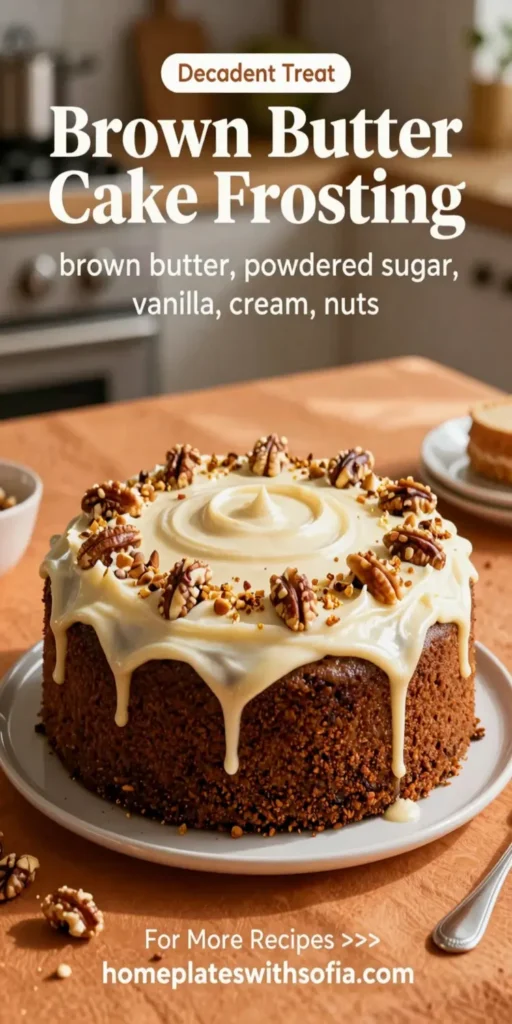
Brown butter cake frosting is a rich, nutty, and decadently smooth frosting that elevates any dessert to the next level. This luscious icing has a unique flavor profile that combines the wonderful essence of browned butter with the sweet creaminess of traditional frosting. Its delightful flavor and creamy texture make it a favorite for cakes, cupcakes, and even cookies. If you’re looking to impress your friends and family at your next gathering or simply want to treat yourself, this frosting is a perfect choice.
What Is Brown Butter Cake Frosting?
Brown butter cake frosting is made by cooking butter until it turns a golden brown color, which develops a deep, nutty flavor. The process is simple, yet it creates a complex taste that adds an extraordinary twist to your standard buttercream. This frosting is not only delicious but also incredibly versatile. It pairs beautifully with flavors like vanilla, chocolate, and even spices such as cinnamon. The brown bits you see in the frosting are the milk solids from the butter that caramelize during the browning process, adding both flavor and visual interest.
Why You’ll Love This
There are countless reasons to fall in love with brown butter cake frosting. Firstly, the unique flavor adds depth to your desserts, making them stand out. Secondly, it offers a delightful texture—smooth and creamy, yet with a slight graininess from the brown butter particles. It’s also surprisingly easy to make; once you get the hang of browning the butter, the rest of the process is straightforward. Plus, it’s a great way to use butter in a new and interesting way, transforming an everyday ingredient into something truly special.
Ingredients You’ll Need
- Unsalted butter (1 cup): The star of this frosting. Browning it enhances its flavor significantly.
- Powdered sugar (4 cups): This adds sweetness and gives the frosting a lighter texture.
- Vanilla extract (2 teaspoons): Enhances the overall flavor profile and adds a sweet aroma.
- Heavy cream (2-4 tablespoons): Used to adjust the consistency of the frosting—thicker or thinner based on your preference.
- Salt (1/4 teaspoon): A pinch of salt balances out the sweetness and elevates the flavor.

How to Make
- Start by browning the unsalted butter. In a medium saucepan over medium heat, melt the butter. Stir continuously to prevent burning. Continue to cook until the butter turns a lovely golden brown and starts to smell nutty, which usually takes about 5-7 minutes. Be sure to keep an eye on it to avoid burning.
- Once browned, remove the saucepan from heat and pour the melted butter into a mixing bowl, including all the browned bits. Let it cool for about 10 minutes. This cooling period allows the butter to thicken slightly, which is crucial for the texture of your frosting.
- In your mixing bowl, add the powdered sugar to the cooled butter. Start mixing on low speed to avoid a sugary cloud, then gradually increase to medium speed until fully incorporated. You may need to scrape down the sides to ensure everything is mixed evenly.
- Add in the vanilla extract and salt, then continue to beat the mixture. If your frosting seems too thick, gradually add heavy cream, one tablespoon at a time, until you reach your desired consistency. Continue to mix for about 2-3 minutes; the frosting should be light and fluffy.
- Once the frosting is at your preferred consistency, do a taste test to see if it needs additional salt or sugar. Adjust as necessary. And just like that, your delicious brown butter cake frosting is ready to use!
Variations & Substitutions
Chocolate Brown Butter Frosting: For a delightful chocolate twist, add cocoa powder to the frosting. Start with 1/2 cup of unsweetened cocoa powder and adjust to your taste. Mixing the cocoa will create a rich, chocolatey experience that pairs beautifully with chocolate cake or brownies.
Nutty Brown Butter Frosting: Enhance the nuttiness by incorporating finely chopped nuts, such as walnuts or pecans, into the frosting. This provides a delightful crunch and additional flavor. Simply fold in about 1/2 cup of finely chopped nuts after your frosting is well mixed.
Spiced Brown Butter Frosting: Adding warm spices like cinnamon or nutmeg can give your frosting a seasonal twist. Try adding 1 teaspoon of cinnamon or 1/2 teaspoon of nutmeg along with the vanilla extract to make the frosting perfect for autumn desserts.
Less Sweet Brown Butter Frosting: If you prefer a less sweet frosting, reduce the powdered sugar by up to half, and increase the cream to maintain the desired texture. This creates a more robust flavor, allowing the nuttiness of the browned butter to shine through.
Common Mistakes to Avoid
It’s essential to watch the butter closely while it’s browning. If you let it cook too long, it can go from perfectly browned to burnt very quickly, losing that lovely flavor you are after. Burned butter will give your frosting a bitter taste, so be vigilant.
Another common mistake is not allowing the browned butter to cool sufficiently before mixing. Hot butter can melt the powdered sugar, creating a runny and unmanageable frosting. Always let the browned butter cool for at least 10 minutes.
Finally, over-mixing the frosting can lead to a dry texture. Once your ingredients are combined, just mix until fluffy—no more than 2-3 minutes. Keep an eye on this to maintain the ideal fluffiness.
Storage, Freezing & Reheating Tips
Brown butter cake frosting can be stored in an airtight container in the refrigerator for up to one week. When ready to use, simply remove it from the refrigerator and allow it to come to room temperature. If it’s too firm, give it a quick re-whip with a mixer, adding a tablespoon of cream if necessary to regain its luscious, creamy texture.
For longer storage, brown butter frosting can be frozen. Place the frosting in a freezer-safe container or bag. It can last in the freezer for up to three months. When you’re ready to use it, thaw it in the refrigerator overnight, then bring it back to room temperature and re-whip as needed.
If utilizing for decorating, make sure to allow ample time to reach the right consistency after refrigerating or freezing.
Frequently Asked Questions
Can I use salted butter instead of unsalted?
Yes, you can use salted butter, but just keep in mind that it will alter the saltiness of your frosting. If you do, you might want to skip the added salt from the recipe. Experimenting with flavors can lead to delicious results!
How can I make my frosting less sweet?
A simple way to reduce sweetness is by using less powdered sugar or adding a pinch of salt to balance it out. Adding unsweetened cocoa powder (for chocolate variations) also helps mitigate sweetness while adding rich flavor.
What can I pair brown butter frosting with?
Brown butter frosting pairs wonderfully with vanilla cakes, chocolate desserts, or even spiced cakes. It complements the sweetness of these desserts while adding depth of flavor. Experiment and see what combinations you love best!
How long will leftover frosting last?
You can store leftover brown butter frosting in an airtight container in the refrigerator for up to one week. Always ensure it’s brought to room temperature before using, as it will harden in the fridge.
Can I use this frosting for cupcakes?
Definitely! Brown butter frosting is perfect for cupcakes. Simply pipe it onto cooled cupcakes using a piping bag, creating beautiful swirls and adding a gourmet touch to your treats.
Conclusion:
Brown butter cake frosting is a transformative addition to your baking repertoire. Its rich flavor and smooth texture make it a star in any dessert, from cakes to brownies. Whether you’re looking for a special addition to a birthday celebration or just a casual treat at home, this frosting will not disappoint. So, gather your ingredients and get ready to create something extraordinary that everyone will rave about!