Prep time: 20 minutes
Cook time: 25 minutes
Total time: 45 minutes
Servings: 8
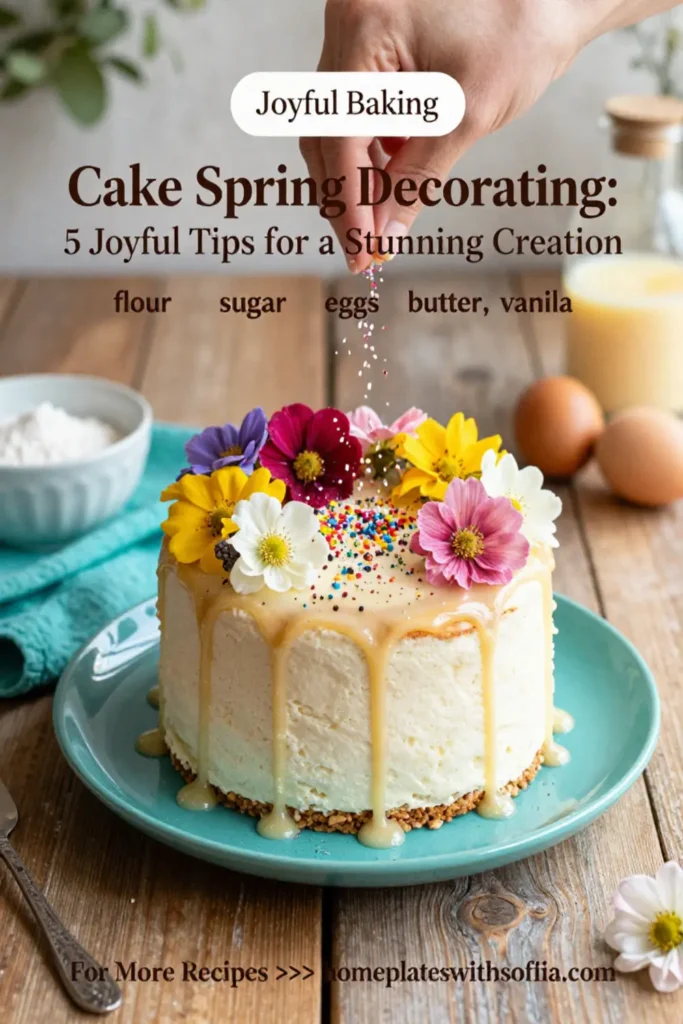
Baking can be both a joyful and creative process, especially when it comes to springtime celebrations! Today, I’ll guide you through the art of **cake spring decorating** with five joyful tips to uplift your cake design game. Whether you’re a seasoned flower decorator or a kitchen beginner, these straightforward tips will help you craft stunning floral cakes perfect for any occasion, be it a birthday, a baby shower, or just a sunny spring day.
What Is Cake Spring Decorating: 5 Joyful Tips for a Stunning Creation?
Cake spring decorating is all about bringing the beauty of blooming flowers into your baking. Using natural elements and vibrant colors, you can transform a plain cake into a breathtaking centerpiece. The techniques involved vary in complexity, but the key is to have fun with your design while ensuring your cake tastes as delightful as it looks!
Why You’ll Love This
You’ll fall in love with cake spring decorating because it allows for **creativity** without the need for extensive baking skills. As the seasons change, so do our inspirations; nothing reflects spring like fresh flowers. This approach not only helps your baking stand out but also connects you with nature’s beauty and simplicity. Furthermore, edible blooms and vibrant flavors can make your cake a conversation starter at gatherings, impressing your friends and family.
Ingredients You’ll Need
Creating a beautiful decorated cake starts with the right ingredients. The following list includes all the essentials:
- Cake flour: 2 cups — A lighter flour for a fluffy texture.
- Sugar: 1.5 cups — Sweetens the cake, balancing flavors.
- Butter: 1 cup (softened) — Provides rich flavor and moisture.
- Unsweetened cocoa powder: ¾ cup (if making chocolate cake) — Adds depth and color.
- Baking powder: 2 tsp — Helps the cake rise beautifully.
- Eggs: 4 large — Binds ingredients and provides structure.
- Vanilla extract: 2 tsp — Adds a warm, inviting flavor.
- Whole milk: 1 cup — Ensures the cake remains moist.
- Fresh edible flowers: (like pansies or violets) — For that gorgeous spring touch!

How to Make
Creating a cake for spring decorating involves several steps that, while simple, require attention to detail to ensure a delightful result.
- Preheat your oven to 350°F (175°C). Grease and flour your cake pans to prevent sticking. Proper preparation is key to a successful bake!
- In a large mixing bowl, cream together the softened butter and sugar until the mixture is light and fluffy. This process incorporates air into the batter, resulting in a tender cake.
- Add eggs one at a time, blending well after each addition. Follow this with the vanilla extract. The mixture should appear smooth and well combined.
- In another bowl, sift the cake flour, baking powder, and cocoa powder (if using). Gradually add this dry mixture into the creamed mixture, alternating with milk. Start and end with dry ingredients. This method ensures everything combines evenly and gives your cake a tender crumb.
- Pour the batter evenly into prepared pans, smoothing the top with a spatula. Bake for about 25 minutes or until a toothpick inserted in the center comes out clean. The cake should have a slight bounce when lightly pressed.
- Once baked, allow the cakes to cool in the pans for 10 minutes, then turn them out onto a wire rack to cool completely. Proper cooling prevents squishing your cake.
Variations & Substitutions
Gluten-Free Cake: If you need a gluten-free option, consider substituting cake flour with a gluten-free baking blend. Adjust the liquid ingredients slightly, as gluten-free flours can absorb more moisture.
Flavor Variations: Feel free to experiment with flavors! Try replacing vanilla extract with almond or lemon for a fresh twist. You could also add citrus zest for an uplifting aroma and taste.
Buttercream Frosting: Instead of a simple whipped cream topping, try using a buttercream frosting. You can flavor your buttercream with citrus or floral extracts to align with your spring theme better.
Decorative Edible Flowers: While pansies and violets make great options, consider using nasturtiums for a peppery taste and bold color. Make sure all flowers are edible and pesticide-free!
Common Mistakes to Avoid
While crafting a stunning spring cake, it’s crucial to steer clear of common pitfalls:
Overmixing the Batter: Overworking your batter can lead to a dense cake. Mix only until the ingredients are combined.
Not Prepping Cake Pans Properly: Failing to grease and flour your pans can result in cake layers that stick. Be generous with your greasing!
Skipping the Cooling Time: Allowing the cakes to cool is essential. Cutting into a warm cake can lead to a messy, crumbly disaster.
Storage, Freezing & Reheating Tips
Proper storage of your spring cake will help maintain freshness and beauty. If you have leftover cake, cover it impressively with plastic wrap and store it in the refrigerator for up to a week. Alternatively, to extend its lifespan, you can freeze your cake layers. Wrap each layer tightly in plastic wrap followed by aluminum foil before placing them in the freezer.
When you’re ready to enjoy the cake again, simply remove it from the freezer and let it thaw in the refrigerator overnight. If you have decorated the cake with frosting and flowers, consider adding them fresh after thawing for the best visual appeal and taste.
Frequently Asked Questions
Can I use non-edible flowers for decoration?
While non-edible flowers may be visually stunning, they are not safe for consumption and can lead to allergic reactions or toxicity. Always stick to edible varieties and ensure they’re pesticide-free.
What type of cake works best for spring decorating?
Light and fluffy cakes such as vanilla sponge or lemon cake pair perfectly with spring decorations. Avoid overly dense cakes, as they might not complement delicate floral designs.
Can I make this cake ahead of time?
Absolutely! You can bake the cake a day or two in advance. Just store it properly in the refrigerator or at room temperature, depending on the frosting used. Add decor right before serving to keep flowers fresh.
Is it safe to consume flowers on cakes?
Yes, provided you use flowers labeled as edible and ensure they have not been treated with pesticides or other chemicals. Always do proper research on the specific flowers used.
How do I achieve the perfect frosting texture?
A smooth, spreadable frosting requires proper cream time. Make sure your butter is at room temperature, and gradually add powdered sugar to achieve the desired consistency. You can thin the frosting with milk if it’s too thick.
Conclusion:
Creating a beautifully decorated cake for spring is about embracing nature’s charms and enjoying the process. With these five joyful tips, you’ll be well on your way to crafting a stunning creation that delights the eyes and the palate. Happy baking!