Prep time: 15 minutes
Cook time: 25 minutes
Total time: 40 minutes
Servings: 12
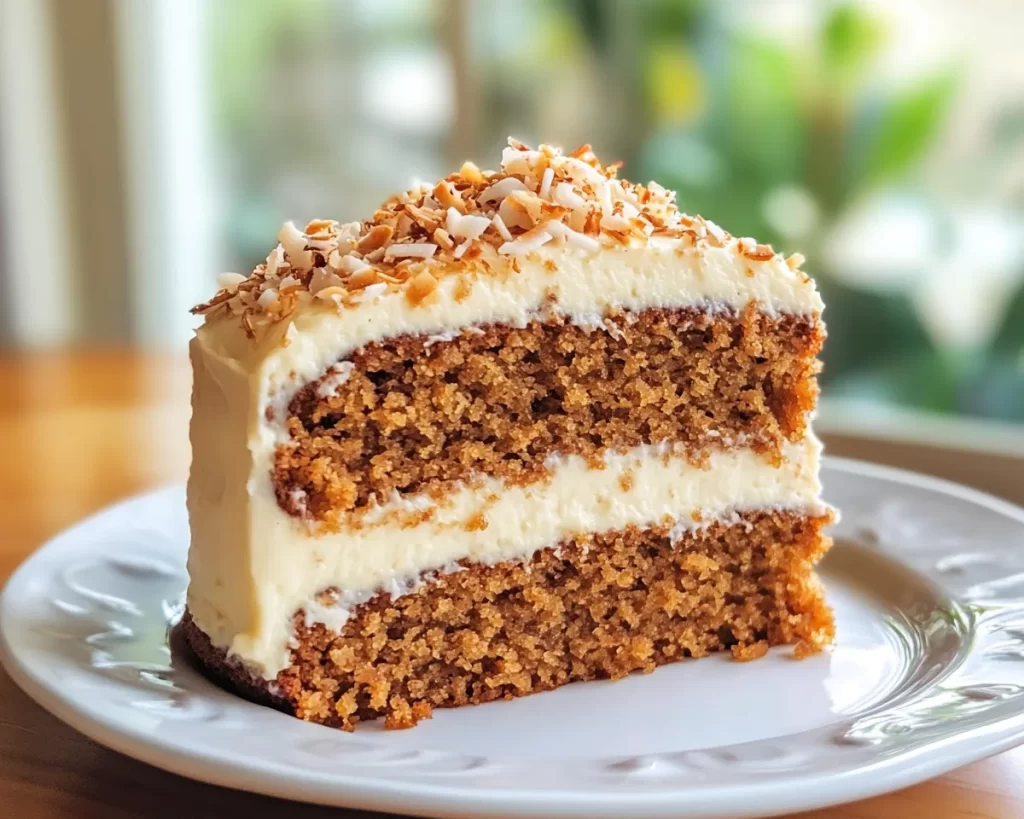
Carrot cake has a unique charm that makes it a favorite for many celebrations. This recipe, featuring a delightful blend of carrots, pineapple, and a beautifully creamy toasted coconut frosting, is sure to impress your family and friends. Not only is it simple to prepare, but it also bursts with flavor and texture, making it the perfect centerpiece for any occasion. Whether you’re a busy parent looking for a quick dessert or a beginner in the kitchen wanting to impress, this carrot cake recipe is your answer!
What Is Carrot Cake Recipe: Carrot Cake With Pineapple and Toasted Coconut Frosting in 40 Minutes?
Carrot cake is a moist and flavorful dessert that beautifully combines the sweetness of carrots with warm spices. This specific recipe enhances the traditional flavor by incorporating crushed pineapple that adds juiciness and a hint of tropical flair. Topped with a luxurious toasted coconut frosting, this cake emits a wonderful aroma while baking, filling your home with sweet anticipation. Its light sweetness and rich texture work harmoniously, making it a perfect treat for any occasion, from birthdays to brunch.
Why You’ll Love This
This carrot cake recipe is a winner for several reasons. First, it is quick to prepare—ready in just 40 minutes—perfect for those last-minute baking needs. The combination of fresh ingredients, such as carrots and pineapple, ensures a deliciously moist cake. The toasted coconut frosting elevates this dessert, giving it a rich and nutty flavor that complements the sweetness of the cake. Plus, it’s versatile! You can easily adapt it for various dietary needs or preferences. Imagine the smiles on the faces of your loved ones as they savor each bite of this delightful cake.
Ingredients You’ll Need
- 2 cups of grated carrots: Provides moisture and natural sweetness.
- 1 cup of crushed pineapple (drained): Adds juiciness and enhances the flavor.
- 1 cup of granulated sugar: Sweetens the cake and balances the flavors.
- 1/2 cup of vegetable oil: Keeps the cake moist.
- 3 large eggs: Binds the ingredients together and aids in leavening.
- 2 cups of all-purpose flour: Creates the cake’s structure.
- 2 teaspoons of baking powder: Helps the cake rise.
- 1 teaspoon of baking soda: Adds to the leavening process for a fluffy texture.
- 2 teaspoons of ground cinnamon: Infuses the cake with warm, comforting spice.
- 1 teaspoon of vanilla extract: Enhances the cake’s overall flavor.
- 1/2 cup of shredded toasted coconut: For the frosting; adds texture and nutty flavor.
- 8 oz. cream cheese (softened): Provides a rich base for the frosting.
- 1/4 cup of powdered sugar: Sweetens the frosting without making it too thick.

How to Make
- Start by preheating your oven to 350°F (175°C). Grease and flour two 9-inch round cake pans to ensure easy removal after baking.
- In a large mixing bowl, combine the grated carrots, crushed pineapple, sugar, vegetable oil, and eggs. Whisk until the mixture is smooth and well combined, allowing the flavors to meld together.
- In a separate bowl, sift together the all-purpose flour, baking powder, baking soda, cinnamon, and a pinch of salt. Gradually fold the dry ingredients into the wet mixture, being careful not to overmix. This will keep your cake tender.
- Once combined, evenly divide the batter between the prepared cake pans. Tap the pans gently on the counter to release any air bubbles.
- Bake in the preheated oven for about 25 minutes or until a toothpick inserted into the center of the cakes comes out clean. Allow them to cool in the pans for 10 minutes, then remove them and transfer to a wire rack to cool completely.
- While the cakes cool, prepare the toasted coconut frosting. In a mixing bowl, beat the softened cream cheese and powdered sugar until smooth and fluffy. Gradually fold in the shredded toasted coconut, stirring until evenly distributed.
Variations & Substitutions
Nutty Twist: If you love nuts, consider adding walnuts or pecans to your cake batter. Chopped nuts not only enhance the texture but also bring a delightful crunch that complements the moistness of the cake. Toasting the nuts beforehand can add an even richer flavor.
Pineapple-Free Option: If you prefer a traditional carrot cake without the pineapple, simply omit it from the recipe. You may replace the moisture with an additional 1/2 cup of grated carrots or use unsweetened applesauce as a substitute for the pineapple to maintain the cake’s moisture and flavor balance.
Vegan Adaptation: For those looking to make a vegan version, replace the eggs with flaxseed meal (1 tablespoon of flaxseed meal mixed with 3 tablespoons of water equals one egg). Use coconut milk or almond milk in place of the cream cheese for the frosting, and simply sweeten it with maple syrup or agave instead of powdered sugar.
Common Mistakes to Avoid
One common mistake is overmixing the batter, which can lead to a dense cake. It’s important to mix just until the dry ingredients are incorporated. Additionally, ensure that your carrots are finely grated, as larger pieces can create an uneven texture. Using too much pineapple can also lead to a soggy cake; always drain the crushed pineapple well. Lastly, check for doneness using a toothpick—if it comes out wet, the cake needs more time in the oven.
Storage, Freezing & Reheating Tips
To store your carrot cake, keep it in an airtight container at room temperature for up to three days. If you want to extend its freshness, refrigerate it, where it will stay good for up to a week. For longer storage, this cake freezes beautifully. Wrap it tightly in plastic wrap and aluminum foil, then place it in a freezer-safe bag. It can be frozen for up to three months. When you’re ready to enjoy it, thaw it in the fridge overnight, and then let it come to room temperature before serving. Reheating is not necessary, but if you prefer a warmed slice, pop it in the microwave for about 10-15 seconds.
Frequently Asked Questions
Can I make this carrot cake gluten-free?
Yes! You can substitute the all-purpose flour with a gluten-free flour blend. Additionally, ensure any baking powder and other ingredients are certified gluten-free to avoid cross-contamination.
How can I enhance the flavor of my frosting?
To amp up the flavor of your toasted coconut frosting, you can add a splash of coconut extract or a hint of lime zest for a refreshing twist. These flavors complement the coconut beautifully and create a delightful balance with the cake.
Is it necessary to toast the coconut for frosting?
Toasting the coconut is not strictly necessary, but it does enhance the flavor and adds a lovely crunch. The warmth of toasted coconut provides a richer taste that elevates your frosting.
How can I tell if my carrot cake is fully baked?
The best way to check for doneness is to insert a toothpick into the center of the cake. If it comes out clean or with a few moist crumbs, your cake is ready. Be cautious not to overbake, as this can dry out the cake.
Can I use fresh pineapples instead of canned?
Absolutely! Fresh pineapples can be used but make sure to finely chop and drain excess moisture to prevent the cake from becoming too wet. Fresh fruit will add a different flavor, but the end result can be equally delicious.
Conclusion: With your baking skills and this simple yet delicious carrot cake recipe with pineapple and toasted coconut frosting, impressing your family and friends has never been easier. The blend of flavors and textures is sure to become a regular request at your gatherings. Enjoy creating and sharing this delightful dessert!