Prep time: 20 minutes
Cook time: 15 minutes
Total time: 35 minutes
Servings: 4
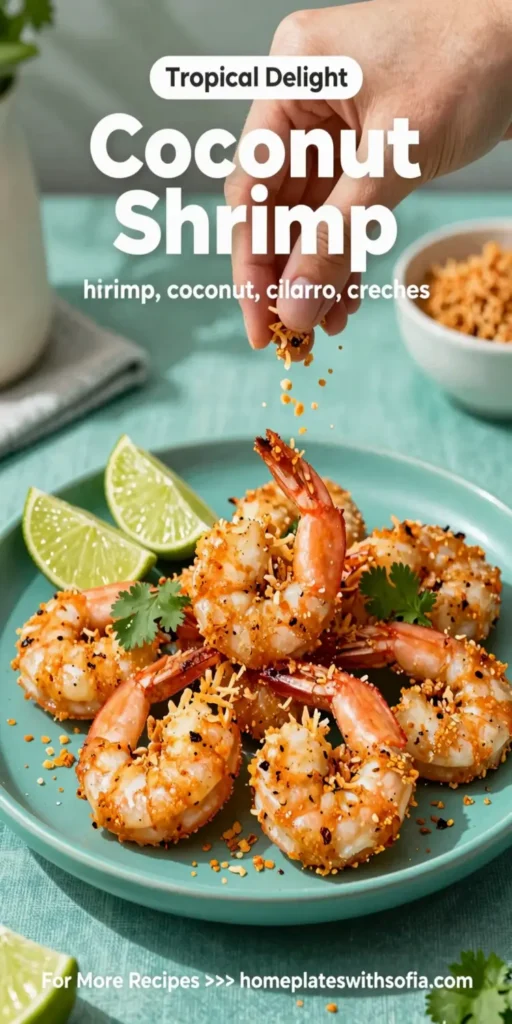
Coconut shrimp is a delightful seafood dish, perfect for an appetizer or main course. This dish features succulent shrimp coated with a crispy coconut breading that is both sweet and savory. The tropical flavor of coconut paired with the juicy shrimp creates an exciting combination you will love. Whether you’re hosting a gathering, having a cozy night in, or just want to indulge in a delicious treat, coconut shrimp is sure to please everyone at the table.
What Is Coconut Shrimp?
Coconut shrimp is a popular dish made by breading shrimp in a mixture of coconut and breadcrumbs before frying or baking. The shrimp’s natural sweetness is complemented by the crunchy coating, making for an irresistible snack or meal. Originating from coastal areas, especially within Caribbean and Asian cuisines, coconut shrimp offers a tropical flair to your dining experience. Available in many restaurants, this dish is easy to recreate at home with just a handful of essential ingredients and a few straightforward steps.
Why You’ll Love This
You’ll love coconut shrimp because it combines simple preparation with a rich and satisfying flavor. The crispy outer layer provides a pleasing crunch, while the juicy shrimp inside remains tender and flavorful. This dish not only tastes fantastic but also makes for an impressive presentation when served to guests. You can easily customize it with various dipping sauces, making it a versatile favorite for any occasion. Whether you are busy with kids, enjoying a romantic dinner, or looking to satisfy your snack cravings, coconut shrimp hits all the right notes.
Ingredients You’ll Need
- 1 pound large shrimp: Choose fresh or thawed frozen shrimp, peeled and deveined. You want them to be plump and juicy for the best flavor.
- 1 cup all-purpose flour: This forms the first coating for the shrimp, helping the egg wash adhere properly.
- 2 large eggs: Beaten, these will help bind the flour and coconut together for a crispy crust.
- 1 cup shredded sweetened coconut: Adds the signature tropical sweetness and essential crunch.
- 1 cup panko breadcrumbs: These light, crispy breadcrumbs enhance the texture to achieve a perfect crunch.
- Salt and pepper: Essential seasoning to enhance flavor. Consider adding garlic powder or paprika for a more complex taste.
- Oil for frying: Use vegetable oil or coconut oil, which will impart a lovely aroma while frying the shrimp.
How to Make
- Begin by preparing your shrimp. If using frozen shrimp, make sure they are completely thawed, rinsed, and patted dry with paper towels to remove excess moisture. This step is vital for a crispy finish.
- Set up a breading station. In one shallow dish, place the flour. In a second dish, beat the eggs. In a third dish, combine the shredded sweetened coconut and panko breadcrumbs together. Season each layer with a sprinkle of salt and pepper.
- Dredge each shrimp first in the flour, ensuring the entire surface is coated. Shake off any excess flour before moving on to the egg wash.
- After the egg wash, press the shrimp into the coconut and panko mixture, ensuring they are well coated. This step ensures a crispy crust once cooked.
- Heat a couple of inches of oil in a large pot or deep skillet over medium-high heat. You’ll know the oil is ready when a pinch of flour sizzles upon contact.
- Carefully place the breaded shrimp into the hot oil, frying in batches to avoid overcrowding. Cook for about 2-3 minutes per side, or until golden brown and cooked through. Remove with a slotted spoon and drain on paper towels.
Variations & Substitutions
Baked Coconut Shrimp: For a healthier version, preheat your oven to 400°F (200°C). Place the breaded shrimp on a baking sheet lined with parchment paper and lightly spray with cooking oil. Bake for about 15-20 minutes, flipping halfway through, until golden and crispy. This method significantly reduces the oil content and still provides a delicious outcome.
Coconut Shrimp Tacos: Give your coconut shrimp a spin by serving them in soft corn tortillas with fresh slaw, avocado, and a drizzle of spicy mayo. The combination of textures and flavors will make for a satisfying meal any night of the week.
Spicy Coconut Shrimp: If you enjoy a bit of heat, you can add cayenne pepper or a touch of hot sauce to the egg wash or breadcrumb mixture for a spicy kick. Pair it with a cooling mango salsa for a delightful contrast.
Common Mistakes to Avoid
One common mistake is using wet shrimp. **Make sure to thoroughly dry your shrimp** after thawing. Moisture will cause the breading to slide off during cooking and result in a soggy texture. Another mistake is overcrowding the pan. **Avoid frying too many shrimp at once**; it will lower the oil temperature, leading to uneven cooking. Lastly, not allowing the oil to heat adequately can result in greasy shrimp. **Always check the oil temperature** before adding the shrimp to ensure a crispy outer layer.
Storage, Freezing & Reheating Tips
If you have any leftover coconut shrimp, store them in an airtight container in the refrigerator for up to three days. To keep the shrimp crispy, reheat them in an oven preheated to 375°F (190°C) for about 10 minutes. This method allows heat circulation to rejuvenate the crunch. For longer storage, you can freeze unbaked, breaded shrimp. Lay them flat on a baking sheet to freeze individually, then transfer to a freezer bag. They can be cooked directly from frozen, adding an extra minute or two to the cooking time. **Always ensure food safety by keeping shrimp at safe temperatures to prevent spoilage.**
Frequently Asked Questions
Can I use shrimp that are already cooked?
While it’s possible to use pre-cooked shrimp, it’s recommended to use raw shrimp for the best results. Cooking pre-cooked shrimp in the breading will make them rubbery and may dry them out. If you must use cooked shrimp, skip the frying and simply reheat them in the coating mixture in a pan on low heat.
What dipping sauces go well with coconut shrimp?
Coconut shrimp pairs wonderfully with a variety of dipping sauces. **Sweet chili sauce** is a popular choice that complements the coconut’s sweetness. Alternatively, you can make a mango salsa, combining diced mango, onion, cilantro, lime juice, and jalapeño for a fresh and zesty option. You might also enjoy a classic cocktail sauce or a tangy mustard sauce.
How can I make sure my breading sticks?
Ensure that your shrimp is dry before breading and press the coating firmly onto the shrimp. The sequence of flour, egg, and then coconut-panko mix is crucial for adhesion. If the breading isn’t adhering well, you can lightly spray the breaded shrimp with oil before frying, which can help the crust to stick and achieve a better texture.
Can I make coconut shrimp ahead of time?
Absolutely! You can prepare the shrimp through the breading process ahead of time and keep them in the fridge for up to 24 hours before frying. This allows flavors to meld and makes it easier when you’re ready to cook. Just remember to ensure they are well-covered to prevent them from drying out.
What type of shrimp should I use?
Opt for large or jumbo shrimp for the best results. These sizes provide a satisfying bite and hold up well during frying. Make sure to choose shrimp that have been sustainably sourced; this not only supports better fishing practices but also provides a fresher end product.
Conclusion:
Coconut shrimp is a fabulous dish that’s easy to make at home. With its tropical flavors and delightful crunch, it’s bound to become a favorite at your family gatherings or a quick weekday meal. By following the simple steps outlined here, and experimenting with the variations and tips provided, you’ll be well on your way to serving up delicious coconut shrimp that everyone can enjoy. Don’t forget to take advantage of the various dipping sauces that can elevate the dish even further. Happy cooking!