Prep time: 20 minutes
Cook time: 2 hours
Total time: 2 hours 20 minutes
Servings: 10-12 servings
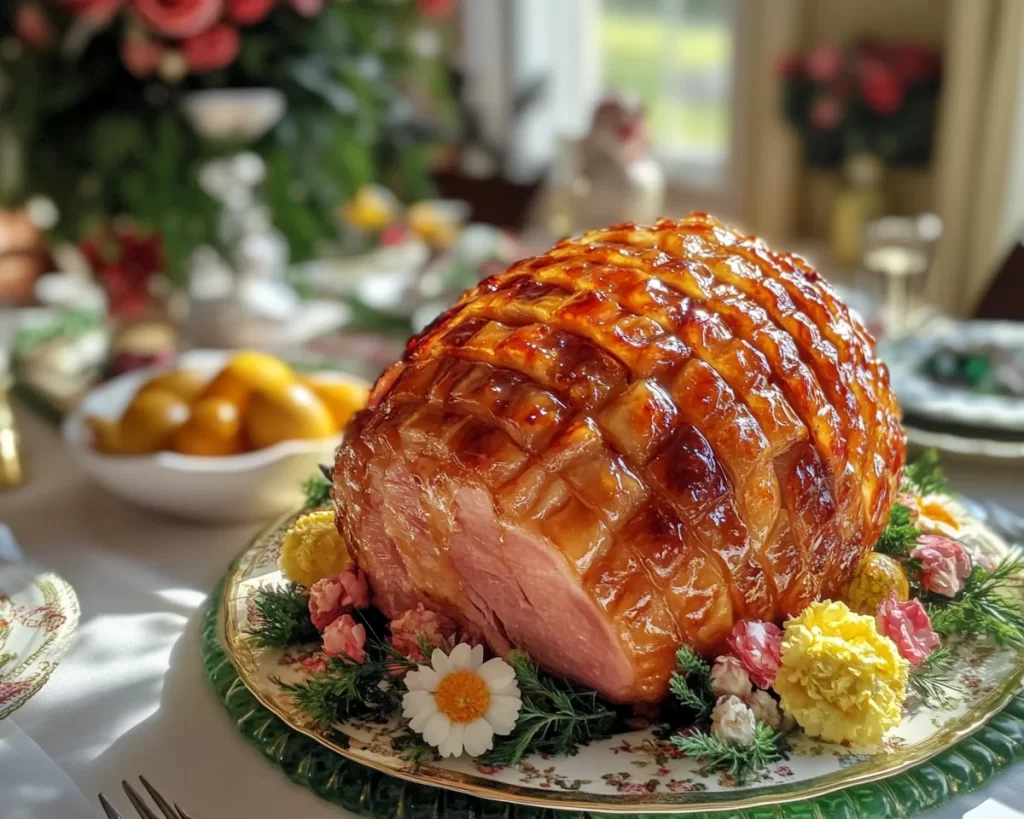
Easter is a time for family gatherings, joyful celebrations, and, of course, delicious feasts. One dish that consistently steals the spotlight on the holiday table is the mouthwatering honey glazed ham. This dish is cherished for its sweet and tangy flavors, juicy texture, and aromatic fragrance that fills your kitchen as it bakes. The beauty of an Easter Honey Glazed Ham Dinner lies not only in its robust taste but also in its festive presentation, making it the centerpiece of any gathering.
In this article, you will discover everything you need to know about preparing the ultimate Easter Honey Glazed Ham. From essential cooking tips to creative variations, each aspect of this dish will be covered. Whether you’re a seasoned home cook or a beginner in the kitchen, you will find valuable insights that will make your cooking experience not only enjoyable but also successful.
What Is Easter Honey Glazed Ham Dinner?
Easter Honey Glazed Ham Dinner has become a traditional dish in many households, especially during the Easter season. Originating from centuries-old customs, this dish features a succulent ham that is baked to perfection, often served during festive occasions. The glaze, typically made from a combination of honey, brown sugar, mustard, and various spices, creates a glossy, caramelized exterior that contrasts beautifully with the tender meat inside.
The key components of this dish include the ham, which is often precooked, and the glaze that infuses it with flavor. When roasting, the ham develops a crispy outer layer, while the inside remains juicy and packed with flavor. The sweet and savory combination offers a delightful experience for the palate, making each bite a celebration of flavors.
Especially during Easter, the honey glazed ham serves not only as a delicious main course but also as a symbol of abundance and joy. The dish carries with it the warmth of family traditions and is often accompanied by side dishes such as scalloped potatoes, green beans, or fresh salads, creating a well-rounded meal that everyone can enjoy.
Why You’ll Love This
If you’re wondering why Easter Honey Glazed Ham is such a beloved dish, consider its delightful taste and versatility. The combination of the honey and spices creates a flavor profile that is both rich and complex, making it appealing to both kids and adults. The ease of preparation is another significant factor; simply score the ham, apply the glaze, and let it bake, while you focus on preparing your other sides.
One common misconception is that cooking a ham is an overly complex task requiring culinary expertise. However, with this recipe, you’ll find that you can achieve restaurant-quality results in your own kitchen without any specialized skills. There are also numerous variations and adaptations you can make to fit dietary restrictions or personal taste, such as using different sweeteners or spices.
Moreover, a ham can be a cost-effective option when feeding a large group, making it an excellent choice for gatherings. With leftovers, you can enjoy the flavor-packed ham in sandwiches, salads, or even breakfast hashes, ensuring that nothing goes to waste.
Ingredients You’ll Need
- Fully cooked ham: Usually around 8-10 pounds, this is the star ingredient. Choose a high-quality cut for the best results.
- Honey: Acts as the base of your glaze, providing sweetness. You can also substitute maple syrup or agave syrup if desired.
- Brown sugar: Adds caramel flavor and helps in achieving that beautiful glaze. Light or dark brown sugar can both work well.
- Dijon mustard: Provides tanginess, balancing the sweetness of the honey. You can substitute yellow mustard if needed.
- Apple cider vinegar: Offers acidity that enhances the flavor profile of the glaze. Feel free to use lemon juice as an alternative.
- Ground cloves: Infuses warm spice notes into the glaze. Nutmeg can be a substitute if cloves are unavailable.
- Ground cinnamon: This spice adds warmth and depth to the glaze. You can include allspice as an alternative.
- Water: Used for moisture during cooking, helping the ham stay juicy. You can also use broth for additional flavor.
Each ingredient plays a vital role in not only flavor but also the overall presentation. Whether you are preparing a traditional dish or personalizing it with substitutes, understanding these ingredients will help you on your cooking journey.
How to Make
- Preheat your oven to 325°F (163°C). This temperature provides the ideal environment for cooking the ham slowly and evenly.
- Prepare the ham by removing it from packaging. If it is pre-sliced, it helps the glaze penetrate the meat better. Using a sharp knife, lightly score the surface of the ham in a diamond pattern, about 1/4 inch deep.
- In a medium bowl, mix together the honey, brown sugar, Dijon mustard, apple cider vinegar, ground cloves, and ground cinnamon. Stir well until the ingredients are thoroughly combined to form a smooth glaze.
- Place the ham in a roasting pan and pour about one cup of water into the bottom of the pan. This will create steam in the oven, helping to keep the ham moist during cooking.
- Using a brush or a spoon, generously apply the glaze over the scored surface of the ham. Make sure to get it into all the crevices for maximum flavor.
- Cover the ham loosely with aluminum foil, which will prevent it from drying out. Bake in the preheated oven for about 1.5 hours.
- After 1.5 hours, remove the foil and baste the ham with the pan juices. Increase the oven temperature to 400°F (204°C) and bake for an additional 30 minutes, allowing the glaze to caramelize and turn golden brown.
- Once you reach an internal temperature of 140°F (60°C), remove the ham from the oven. Let it rest for 15-20 minutes before carving. This resting period allows the juices to redistribute.
- Finally, carve the ham and serve it, offering slices on a platter alongside your favorite sides.
Making the Easter Honey Glazed Ham is a rewarding experience that fills your home with delightful aromas. Each step, from scoring the ham to glazing it with care, contributes to a dish that is not only beautiful but also rich in flavor. Remember, even if you are a beginner, taking your time and following these steps will yield impressive results.
Variations & Substitutions
Maple Glazed Ham: For a unique flavor twist, consider using maple syrup instead of honey in the glaze. It adds an earthy sweetness that pairs beautifully with the smokiness of the ham. To make this version, simply substitute the honey with an equal amount of maple syrup and follow the remaining recipe as it is. This variation is great for those who prefer a less sugary option while still wanting that sweet component.
Spicy Glazed Ham: If you like a little heat in your meals, this variation is for you. Incorporate some crushed red pepper flakes or cayenne pepper into your glaze. The result will be a delightful contrast between the sweetness of the honey and the spice kick. This variation is particularly appealing to those who enjoy a bold flavor profile.
Pineapple Glazed Ham: Use crushed pineapple and its juice as part of your glaze for a tropical twist. The addition brings not only sweetness but also tanginess, which enhances the overall flavor. Simply add one cup of crushed pineapple and about half a cup of its juice to your original glaze mixture. This version suits anyone who loves fruity flavors and a refreshing take on the traditional ham.
Herb-Crusted Ham: For an earthy flavor, consider coating the ham with fresh herbs such as rosemary, thyme, and sage. You can mix chopped herbs into the glaze or create a herb paste to rub on the meat before baking. This variation is particularly fitting for those who prefer savory over sweet flavors while still enjoying a juicy ham.
Common Mistakes to Avoid
When preparing an Easter Honey Glazed Ham, there are some common pitfalls you should be aware of to ensure your dish turns out perfectly. One of the critical mistakes is not scoring the ham properly. The scoring not only allows the glaze to seep in but also contributes to a beautiful presentation. Skipping this step may lead to a less flavorful dish.
Another common mistake is cooking the ham at too high of a temperature initially. This can lead to drying out the meat, making it tough and chewy. Instead, start slow, as suggested in the recipe. If you are tempted to expedite the process by increasing the temperature, remember that patience will yield a far juicier result.
Additionally, forgetting to baste the ham during cooking can prevent the glaze from achieving a caramelized finish. Set a timer to remind yourself to baste every 30 minutes or so. This extra step ensures your ham is not only flavorful but also visually appealing.
Lastly, be sure to let the ham rest before slicing. Cutting into the meat immediately after removing it from the oven can cause the juices to run out, leading to dry slices. Allowing it to rest for 15-20 minutes will keep the meat moist and juicy.
Storage, Freezing & Reheating Tips
Storing leftovers properly is key to enjoying your Easter Honey Glazed Ham after the big day. Place any leftover ham in an airtight container, ensuring that it’s well-sealed to maintain moisture. It’s best to refrigerate the ham, where it can stay fresh for 3-4 days.
If you find yourself with more ham than you can finish within that timeframe, consider freezing the leftovers. To do so, slice the ham into individual portions for easy reheating later. Wrap each slice tightly in plastic wrap or aluminum foil, then place them in a freezer-safe bag. Properly stored, the ham can last for up to 3 months in the freezer without compromising quality.
When it comes to reheating, it’s best to do so gently. To reheat, preheat your oven to 325°F (163°C). Place the slices in a baking dish and cover them with foil to retain moisture. Heat for about 10-15 minutes, or until they are warmed through. Alternatively, you can reheat slices in a skillet over low heat, just enough to warm the ham without drying it out.
Additionally, remember the food safety rule: if the leftovers have been out of the refrigerator for more than two hours, it’s best to discard them to avoid foodborne illness.
Frequently Asked Questions
Can I use a different type of ham for this recipe?
Absolutely! You can use different types of ham, including a picnic ham or boneless ham. Just remember that cooking times may vary based on the size and type of ham, so always refer to the cooking instructions on the packaging or ensure the internal temperature reaches 140°F (60°C).
What sides pair well with Easter Honey Glazed Ham?
There are many delightful side dishes you can serve alongside your ham. Popular choices include roasted vegetables, mashed potatoes, creamy scalloped potatoes, and fresh salads. Baked beans or coleslaw also add a nice contrast to the sweetness of the ham.
Can I make this ham ahead of time?
Yes, you can prepare the glaze ahead of time and even score the ham a day in advance. Just refrigerate the lined ham until ready to bake. However, it’s best to bake the ham on the day you plan to serve it for optimal freshness and flavor.
What is the best way to slice the ham after cooking?
To ensure even slices, always carve the ham against the grain. Use a sharp carving knife, and start by cutting a slice off the end to stabilize the ham. Then continue making even slices, which will maintain tenderness in each piece.
Is it safe to eat leftovers after a few days?
Leftover Easter Honey Glazed Ham is safe to eat for up to 3-4 days when properly stored in the refrigerator. If you’re unsure, check for any signs of spoilage before consuming, and always reheat to at least 165°F (74°C) to ensure safety.
Conclusion:
The Easter Honey Glazed Ham Dinner is not just a recipe; it’s a centerpiece that brings family and friends together for joyous celebrations. Its sweet and savory flavor, compounded with a beautifully glossy finish, will leave you and your guests reminiscing long after the feast is over. This recipe is a fantastic opportunity to create lasting memories while enjoying a dish that exemplifies the spirit of Easter.
Don’t hesitate to customize the flavors to fit your family’s palate; experiment with different glazes or sides that hold special meaning for you and your loved ones. This Easter, gather around your beautifully prepared ham, embrace the warmth of shared time, and relish in the satisfaction of a job well done.
Now, it’s time to roll up your sleeves and enjoy the cooking process. Get started, and make this delightful Easter Honey Glazed Ham Dinner a cherished tradition in your home. Happy cooking!