Prep time: 2 hours
Cook time: 20 minutes
Total time: 2 hours 20 minutes
Servings: 12
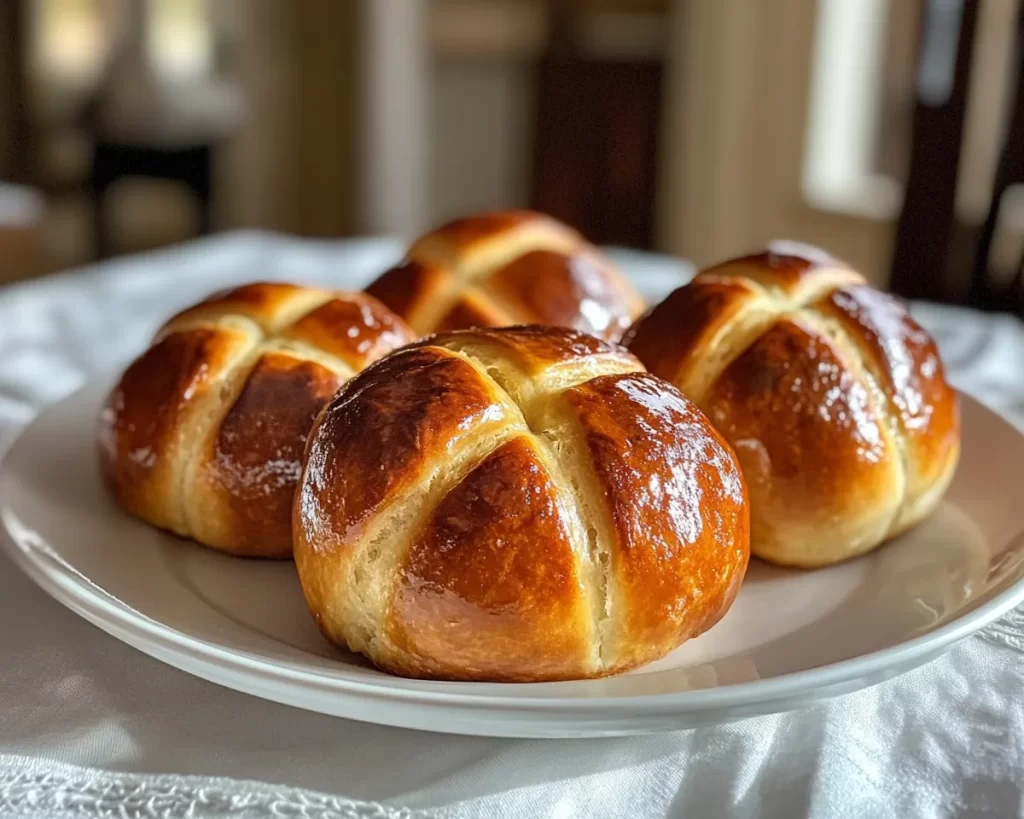
Imagine the smell of freshly baked bread wafting through your home, the sweet aroma of spices mingling with the warmth of the oven. It brings to mind memories of Easter celebrations filled with family, laughter, and, of course, delicious treats. **Easter Hot Cross Buns** are more than just a festive dessert; they encapsulate the very essence of tradition and togetherness. Soft, fluffy, and adorned with a distinct cross that signifies the culmination of Lent, these buns are perfect for breakfast or an afternoon snack.
This recipe will guide you through the process of creating authentic Easter Hot Cross Buns that not only taste divine but also fill your kitchen with a comforting ambiance. You’ll learn about the history of this delightful dish, the specific ingredients that bring it to life, and various tips for perfecting your baking skills. The feeling of accomplishment when you pull these gorgeous buns out of the oven will be unmatched!
What Is Easter Hot Cross Buns?
Easter Hot Cross Buns are spiced sweet buns typically made with dried fruit and marked with a cross on the top. The **origin** of this delightful pastry dates back to 12th century England, a time when bakeries began marking their bread with a cross to signify it was a Good Friday specialty. Over the centuries, they have become a symbol of Easter celebrations, signifying renewal and rebirth.
These buns combine rich flavors from ingredients like **cinnamon**, **nutmeg**, and **allspice**, creating a unique **texture** that’s both soft and fluffy. The addition of **currants** or **raisins** adds a delightful sweetness, while the signature cross, often made from a flour and water paste or icing, offers a decorative touch. When you take a bite, you experience the perfect balance of sweetness and spice, often complemented further by the luscious glaze that can be added if you wish.
Not only are they visually appealing, but they also evoke a sense of nostalgia for many. Whether served warm from the oven, toasted with a pat of butter, or even enjoyed plain, Easter Hot Cross Buns bring warmth to every table, making them a staple during the spring season.
Why You’ll Love This
You will fall in love with Easter Hot Cross Buns for various reasons. Firstly, their **taste** is simply unparalleled; they are a warm, sweet, and spiced delight that’s comforting and inviting. The texture is another highlight; they’re fluffy and soft, which makes them irresistible as they melt in your mouth. Secondly, this recipe is straightforward, making it accessible for even those who are beginners in the kitchen.
There’s often a misconception that baking bread is challenging and time-consuming, but with this recipe, you will see just how easy it can be. While there are many store-bought versions, nothing compares to homemade buns—fresh out of the oven, they have an extremely satisfying quality that store-bought can’t replicate. Besides, you’ll save money by making them at home instead of purchasing from a bakery.
Moreover, Easter Hot Cross Buns are versatile! You can enjoy them fresh, toasted, or even use them in a bread pudding. These buns are not just for Easter; they can be relished any time of the year, especially on chilly mornings with a warm cup of tea or coffee.
Ingredients You’ll Need
- Milk: This is used to create a rich dough. Whole milk provides the best flavor, but alternatives like almond milk can be used for those with dietary restrictions.
- Sugar: Granulated sugar not only adds sweetness but also helps in feeding the yeast for a better rise.
- Yeast: Active dry yeast is essential as it helps the buns to rise. Ensure your yeast is fresh for best results.
- Butter: Unsalted butter adds richness and moisture to the dough, making the buns irresistibly fluffy.
- Flour: All-purpose flour is perfect to achieve a soft texture. Bread flour can also be used for a chewier bite.
- Spices: Ground cinnamon, nutmeg, and allspice provide warmth and depth to the flavor profile.
- Salt: A small amount enhances the overall flavor, balancing the sweetness.
- Egg: An egg gives the buns their wonderful richness and helps bind the dough together.
- Currants or raisins: Traditional additions that provide natural sweetness. Feel free to substitute with other dried fruits like cranberries or apricots.
- Zest of orange or lemon: A hint of citrus brightens the flavor, enhancing the overall experience.
- Flour for the cross: A mixture of flour and water (or icing) is used to create the iconic cross on top of the buns.
These ingredients combine to create a harmony of flavors and textures. Feel free to customize as per your taste preferences, but be mindful that certain substitutions may alter the final taste.
How to Make
- Prepare the yeast: Start by warming the milk in a small saucepan over low heat until it’s warm but not boiling—about 110°F. Remove it from heat and sprinkle the sugar and yeast into the milk. Allow it to sit for about 5-10 minutes until it becomes frothy. This indicates that the yeast is active and ready to use.
- Mix the dry ingredients: While the yeast is blooming, mix the flour, spices, and salt in a large bowl. This step ensures that the spices are evenly distributed throughout your dough.
- Combine wet ingredients: In another bowl, mix the melted butter (let it cool slightly), the egg, and the zest. Once the yeast mixture has bloomed, combine it with the butter and egg mixture. Pour this liquid mixture into the bowl of dry ingredients.
- Knead the dough: Use a wooden spoon to mix until all dry ingredients are absorbed, then move the dough onto a lightly floured surface. Start kneading for about 8-10 minutes. You’re aiming for a smooth and elastic dough; if it feels too sticky, add a little more flour as necessary.
- First rise: Form the dough into a ball and place it in a greased bowl, covering it with a damp towel. Let it rise in a warm, draft-free area for about 1-1.5 hours until it has doubled in size.
- Add the fruit: Once the dough has risen, punch it down gently to release air. Incorporate the currants or raisins (and any other dried fruits if you’re using them) into the dough. Knead again for a few minutes to ensure even distribution of the fruits.
- Shape the buns: Divide the dough into 12 equal portions. Shape each portion into a smooth ball and place them on a greased baking tray, leaving some space in between for the second rise.
- Second rise: Cover the shaped buns with a towel again and let them rise for another 30-45 minutes until they double in size.
- Create the cross: Preheat your oven to 375°F (190°C). Prepare the flour mixture for the cross by mixing flour with enough water to create a thick paste. Using a piping bag, pipe a cross on top of each bun. If you prefer icing, you can wait until they’re baked and cool.
- Bake: Bake the buns in the preheated oven for about 20 minutes, until golden brown. Keep an eye on them; they should sound hollow when tapped on the bottom.
- Glaze: For a finishing touch, you can make a simple glaze using equal parts sugar and water heated gently until combined. Brush this glaze over the buns while they are still warm to create a shiny, appealing finish.
- Cool and serve: Let the buns cool for a few minutes before serving them warm or at room temperature. They are divine served fresh, toasted, or spread with butter.
By following these steps, you’ll end up with Easter Hot Cross Buns that not only are visually appealing but also packed with flavor and warmth. Baking may seem daunting, but with a little patience and love, you can create something truly special.
Variations & Substitutions
Chocolate Chip Hot Cross Buns: If you or your loved ones are chocolate lovers, consider adding chocolate chips to your dough instead of dried fruits. This variation provides a rich sweetness that can be appealing to kids and adults alike. Simply fold in about a cup of chocolate chips when you incorporate the fruit. You can also consider drizzling melted chocolate over the cross for an extra indulgent treat.
Whole Wheat Hot Cross Buns: For those looking for a healthier alternative, utilizing whole wheat flour can add nutritional value. It offers more fiber, making the buns slightly denser but equally delicious. You may need to adjust the liquid amounts, as whole wheat flour requires more moisture. Additionally, let the dough rise longer to achieve the fluffiness you desire.
Spiced Pumpkin Hot Cross Buns: During the fall season, why not infuse some pumpkin puree into your dough? Substitute about ½ cup of milk with canned pumpkin. Add pumpkin pie spices to the mix for warmth. This variation will yield a slightly denser bun, but the flavors will be comforting and perfect for the autumn season.
Gluten-Free Hot Cross Buns: For gluten-sensitive individuals, a gluten-free flour blend can be used. However, remember that gluten-free dough behaves differently; ensure you’ve added xantham gum if your flour blend does not already contain it. Letting the dough rest longer can help hydrate the flour, resulting in better texture.
Vegan Hot Cross Buns: To make a vegan version, substitute milk with plant-based milk, and replace butter with coconut oil or vegan butter. Moreover, use a flaxseed egg (1 tablespoon ground flaxseed + 2.5 tablespoons water) instead of the egg. These substitutions can still yield delicious results while being friendly for those avoiding animal products.
Each of these variations brings its unique flair while maintaining the essence of traditional Easter Hot Cross Buns. Feel free to experiment and find your perfect combination!
Common Mistakes to Avoid
One common mistake is not letting the yeast activate properly. It’s crucial to ensure your yeast is fresh and your milk is warm—not hot—so as to not kill the yeast. If the yeast doesn’t bloom, your buns will not rise adequately, leading to dense and heavy buns.
Another pitfall is under-kneading the dough. Proper kneading develops the **gluten**, contributing to a fluffy texture. Take your time with this step; if the dough feels sticky, adding a little flour is acceptable, but avoid overdoing it.
Lastly, neglecting the rising times can be detrimental. Yeast needs time to work its magic; rush through this and your buns may turn out subpar. Ensuring a warm environment for rising is equally important, as drafts can hinder the yeast action.
Lastly, don’t skip the glaze unless you’re looking for a more rustic finish; the glaze not only enhances the appearance but adds a delightful sweetness that evokes the traditional flavor profile of this beloved bun.
Storage, Freezing & Reheating Tips
Easter Hot Cross Buns can be **stored** at room temperature in an airtight container or zip-top bag for up to 3 days. To keep them fresh longer, consider **freezing** them. Wrap each bun in plastic wrap and place them in a freezer-safe bag. They can be frozen for up to 3 months.
When you’re ready to enjoy your buns, let them thaw at room temperature or heat them gently in the microwave for a few seconds. You can also reheat them in a toaster oven to revive their crisp exterior.
For best practices, it’s wise to label your freezer bags with the date, so you’re always aware of freshness. If you notice any stale buns, you can repurpose them into delicious bread pudding or **French toast**, minimizing waste!
Frequently Asked Questions
Can I use instant yeast instead of active dry yeast?
Yes, you can. Instant yeast doesn’t require proofing and can be mixed directly with flour. However, make sure to adjust the amounts; typically, you would use about 25% less instant yeast compared to active dry yeast.
Can I make the dough ahead of time?
Absolutely! You can prepare the dough the night before, let it rise, then punch it down and refrigerate it. Before you bake, let it sit at room temperature for about 30 minutes to an hour before shaping.
Why did my buns not rise well?
If your buns did not rise as expected, it could be that the yeast was old or the liquid was too hot. Ensure you’re using fresh yeast, and always check the temperature of your liquid when activating yeast.
Can I make the buns without fruit?
Certainly! It’s common to enjoy Hot Cross Buns without any drying fruit. You might consider incorporating spices or even nuts for added texture instead.
How can I customize the flavor?
You can experiment by adding different spices, extracts, or even zest from other citrus fruits. Play with flavors until you find your perfect buns!
Conclusion:
These Easter Hot Cross Buns are a wonderful blend of tradition and flavor, making them a must-try for your Easter gatherings or any occasion. They fill your home with warmth and nostalgia and are customizable to suit various dietary preferences.
I encourage you to gather your ingredients, roll up your sleeves, and experience the joy of baking homemade buns. Once you take that first warm bite, you’ll understand why they have captured the hearts of many for centuries. Share your creation with family and friends and, most importantly, savor each moment spent together. Happy baking!