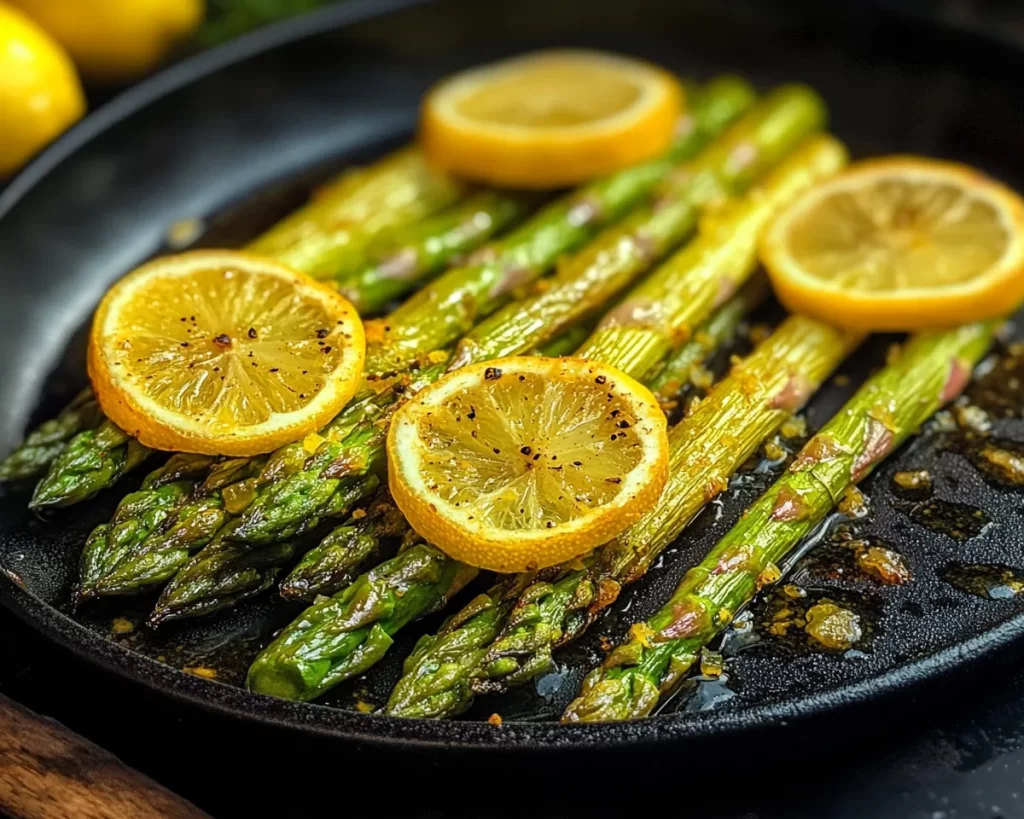
Prep time: 10 minutes
Cook time: 20 minutes
Total time: 30 minutes
Servings: 4
When spring arrives, one of the most delightful experiences in the kitchen is enjoying the bright, vibrant flavors of fresh vegetables. Among them, asparagus stands out as a seasonal favorite, especially when roasted to perfection with a squeeze of zesty lemon. This Easter Roasted Asparagus with Lemon recipe captures the essence of spring, offering not only a beautiful presentation but also a delicious burst of flavor that pairs seamlessly with a variety of meals. As you embark on this culinary journey, you will learn about the unique aspects of roasting asparagus, how to enhance its natural flavor using simple ingredients, and variations that suit different dietary needs.
Roasting asparagus brings out its natural sweetness while adding a satisfying crunch. The asparagus becomes beautifully caramelized, showcasing its rich green color and inviting aroma in your home. The gentle addition of lemon brightens the dish, cutting through the richness of the asparagus and adding a refreshing twist. As Easter approaches, this recipe will make a delightful side dish at any gathering, or it can be a star on your dinner table during spring celebrations. Whether you are cooking for a family gathering or simply want to enjoy a nutritious meal, this recipe is both easy and impressive.
What Is Easter Roasted Asparagus with Lemon?
Easter Roasted Asparagus with Lemon is a dish that combines the bright, earthy flavors of fresh asparagus with the refreshing zest of lemon. Originating from various culinary traditions that embrace spring vegetables, this dish highlights the vibrant colors and flavors of the season. When roasted, asparagus becomes tender yet retains a slight crunch, creating a delightful texture that contrasts beautifully with the zesty dressing.
The process of roasting not only enhances the asparagus’ natural sweetness but also adds a depth of flavor that is hard to replicate with other cooking methods. The lemon juice drizzled over the finished asparagus elevates the dish even further, providing a burst of citrus that invigorates each bite. This dish is not just delicious; it is also visually stunning, making it a perfect addition to your Easter brunch or dinner. Its simplicity makes it accessible for even beginner cooks, embodying the joy of cooking with fresh, seasonal ingredients.
Why You’ll Love This
There are countless reasons to adore this Easter Roasted Asparagus with Lemon. First and foremost, the taste is absolutely divine. The combination of the roasted asparagus’s natural sweetness and the tartness of the lemon creates a harmonious blend of flavors that will have your taste buds dancing. The dish is also incredibly easy to prepare; with just a few fresh ingredients and minimal hands-on time, you will have an impressive side on the table in no time.
On top of this, asparagus is a nutritional powerhouse. It is low in calories yet high in vitamins, minerals, and fiber, making it an excellent choice for anyone looking to maintain a healthy diet. Not to mention, with seasonal produce, you are getting the freshest flavors while being budget-conscious. The versatility of asparagus also cannot be overlooked; it complements a wide range of main dishes, from grilled meats to vegetarian plates. This flexibility and ease make it a staple in gatherings, special events, and everyday meals alike.
Moreover, many people tend to shy away from cooking asparagus due to concerns over its preparation and cooking methods. Common misconceptions like overcooking or undercooking can lead to a less delightful experience. However, this recipe ensures a foolproof method that brings out the best in asparagus, dispelling these myths and empowering you to feel confident in your cooking abilities.
Ingredients You’ll Need
- Asparagus: Look for vibrant, firm stalks without signs of wilting. Fresh asparagus is key to achieving that satisfying crunch.
- Olive oil: This adds richness and helps with the roasting process. You can substitute it with avocado oil for a different flavor profile.
- Salt: Enhances the natural flavor of the asparagus. Use kosher salt for a coarser texture, or sea salt for a more delicate touch.
- Pepper: Freshly cracked black pepper adds warmth. White pepper can also be used for a milder heat.
- Lemon: Fresh lemon juice and zest provide brightness. Always opt for fresh lemons over bottled for the best flavor.
- Garlic (optional): Minced garlic or garlic powder can add a depth of flavor. Consider it if you enjoy a garlicky twist.
- Parmesan cheese (optional): A sprinkle of freshly grated Parmesan at the end can take this dish to a whole new level. It adds a rich, nutty flavor.
Each ingredient plays a crucial role in crafting this easy but flavorful dish. The asparagus stands as the star, while the olive oil and seasonings provide the necessary elements to enhance its natural characteristics. Choosing quality ingredients will ensure that your dish is not only delicious but also memorable. If you have dietary preferences or restrictions, consider the suggested substitutes for an equally satisfying outcome.
How to Make
1. Preheat the oven to 425°F (220°C). Preheating ensures that your asparagus cooks evenly and crisps up beautifully. If you skip this step, you may find that the asparagus becomes soggy instead of delightfully roasted.
2. Prepare the asparagus by washing it under cool water. Trim the ends by snapping them off; asparagus stalks will naturally break at their tender point. This method ensures that you’re removing the woody ends and keeping the tender parts for roasting.
3. In a large mixing bowl, toss the trimmed asparagus with olive oil. Use about two tablespoons for a pound of asparagus. Make sure the asparagus is evenly coated; this helps in the roasting process and prevents them from drying out.
4. Sprinkle salt and pepper over the asparagus, adjusting quantities to your personal taste. Don’t be shy; seasoning is essential for bringing out the full flavor of the asparagus.
5. If using garlic, add it now. Toss everything together again. You want each stalk to have a light coating of oil and seasoning.
6. Spread the asparagus evenly on a baking sheet. Avoid overcrowding; if needed, use two sheets. This allows for proper air circulation, ensuring they roast instead of steam.
7. Roast in the preheated oven for 15-20 minutes, or until tender and slightly crispy. Halfway through, give the pan a shake or stir the asparagus to promote even cooking.
8. Once done, remove the asparagus from the oven and immediately drizzle with fresh lemon juice. Also, sprinkle lemon zest for an extra citrus punch. Allowing the asparagus to absorb the citrus while hot ensures maximum flavor.
9. If desired, finish with a sprinkle of freshly grated Parmesan cheese. The warmth from the asparagus will slightly melt the cheese, creating a deliciously savory topping.
10. Serve immediately while hot. This dish is best enjoyed fresh, as the flavors and textures are at their peak.
By following these simple steps, you will create a dish that is both visually impressive and bursting with flavor. The process is straightforward, making it perfect for home cooks of all levels, from busy parents to kitchen beginners.
Variations & Substitutions
Garlic-Lemon Variation: For garlic lovers, incorporating minced garlic before roasting can add deeper flavor. Use 2-3 cloves, depending on your taste preference. This variation provides a savory touch that balances perfectly with the brightness of the lemon. It’s an excellent addition for those who enjoy a kick of flavor in their dishes.
Italian Herb Variation: Adding dried Italian herbs—like oregano, thyme, or basil—can elevate the dish to new heights. Once the asparagus is tossed in olive oil, sprinkle a teaspoon (or more) of your chosen herbs for a Mediterranean twist. This variation is fantastic for complementing pasta dishes or grilled meats.
Vegan Parmesan Variation: For a plant-based option, consider using a sprinkle of nutritional yeast instead of Parmesan cheese. Nutritional yeast has a cheesy flavor without the dairy and is packed with nutrients. This substitution allows for a similar umami effect while catering to vegan diets.
Spicy Sriracha Variation: If you crave heat, adding Sriracha to the olive oil before tossing with asparagus can give it a spicy kick. Just a tablespoon will impart a vibrant flavor, perfect for those who love bold profiles. Serve alongside a cooling dip, like a yogurt-based sauce, for contrast.
Maple-Balsamic Variation: Replace lemon juice with a mixture of balsamic vinegar and maple syrup. This combination brings sweetness and acidity, adding a rich flavor profile that’s perfect for a more robust meal. You can also use it alongside roasted vegetables for a hearty side.
These variations not only provide alternate flavors but also cater to different dietary preferences, allowing you to personalize your Easter Roasted Asparagus with Lemon to suit your guests or family needs.
Common Mistakes to Avoid
One common mistake when roasting asparagus is overcrowding the baking sheet. This leads to steaming rather than roasting, resulting in limp and soggy asparagus. Always ensure there is ample space for air circulation. If your batch is too large, consider using two trays.
Another frequent error is overcooking. Asparagus can quickly transition from tender to mushy if left in the oven for too long. Keep an eye on them, and test for doneness by piercing with a fork. They should be tender but still firm to the bite.
Failing to season adequately is another pitfall. A touch of salt and pepper is essential to bring out the flavors of the asparagus and to enhance the dish. Inadequate seasoning can result in a bland final product, so season generously, adjusting to taste.
Lastly, using bottled lemon juice is a common oversight. The flavor difference is significant when you opt for fresh lemons. Bottled juice tends to lack the freshness or brightness that fresh juice provides. Always squeeze fresh lemon juice for your dishes to maximize flavor.
Storage, Freezing & Reheating Tips
Storing leftover Easter Roasted Asparagus with Lemon is straightforward but requires some care to maintain its texture. Allow the asparagus to cool completely before transferring to an airtight container. Typically, it can be stored in the refrigerator for 3 to 5 days. When you’re ready to enjoy it again, consider using it in salads, frittatas, or grain bowls for added flavor.
Freezing is not recommended for roasted asparagus, as the texture can suffer upon reheating. However, if you have uncooked asparagus, you can blanch and freeze it for future use. For the best results, blanch the asparagus in boiling water for 2-3 minutes, plunge in ice water immediately, and then freeze.
When reheating leftovers, aim for a gentle approach to avoid turning the asparagus mushy. Place it in a preheated oven at 350°F (175°C) for about 5-10 minutes, or until warmed through. You can also use a microwave, but be cautious not to overheat, which can lead to a rubbery texture.
Always remember to practice food safety, particularly if food has remained at room temperature for over two hours, as this can promote bacterial growth.
Frequently Asked Questions
Can I use frozen asparagus instead of fresh? While fresh asparagus is recommended for optimal taste and texture, you can use frozen asparagus in a pinch. They won’t have the same crispness when roasted, so adjust the cooking time accordingly. Frozen asparagus typically requires less cooking time, so monitor for doneness closely.
What if I don’t have lemons? If you find yourself without lemons, you could substitute vinegar, such as white wine vinegar or balsamic vinegar, which would introduce a different kind of acidity. Consider adding a little honey or maple syrup to maintain that balance of sweet and tart.
Can I make this dish ahead of time? Yes, while this dish is best served fresh, you can prep the asparagus and toss it in olive oil and seasonings up to one day in advance. Store it in the refrigerator until you are ready to roast it; however, it’s better to roast just before serving for the best texture.
What can I serve with roasted asparagus? Roasted asparagus pairs beautifully with a variety of main dishes. It complements grilled chicken, fish, or tofu, and is delightful on its own with a side of quinoa or rice. The brightness of the asparagus also adds a nice contrast to heavier dishes.
How do I know when asparagus is cooked perfectly? The perfect roasted asparagus should be tender yet crisp. A simple test is to pierce a stalk with a fork; it should go through easily while still having a slight snap. Too soft indicates overcooking, while too firm suggests it needs more time.
Conclusion:
Easter Roasted Asparagus with Lemon is not just a dish; it’s a celebration of spring’s vibrant offerings. The contrast of tender, crispy asparagus with the refreshing zing of lemon makes it a must-try recipe. It embodies the essence of spring, both in flavor and color, making it perfect for festive gatherings or simple family meals.
Encourage yourself to try this recipe and make it your own. The variations allow for personal customization, offering something for everyone around your table. Share it with friends and family, and let them experience the joy of simple, delicious cooking.