Prep time: 20 minutes
Cook time: 1 hour
Total time: 1 hour 20 minutes
Servings: 8
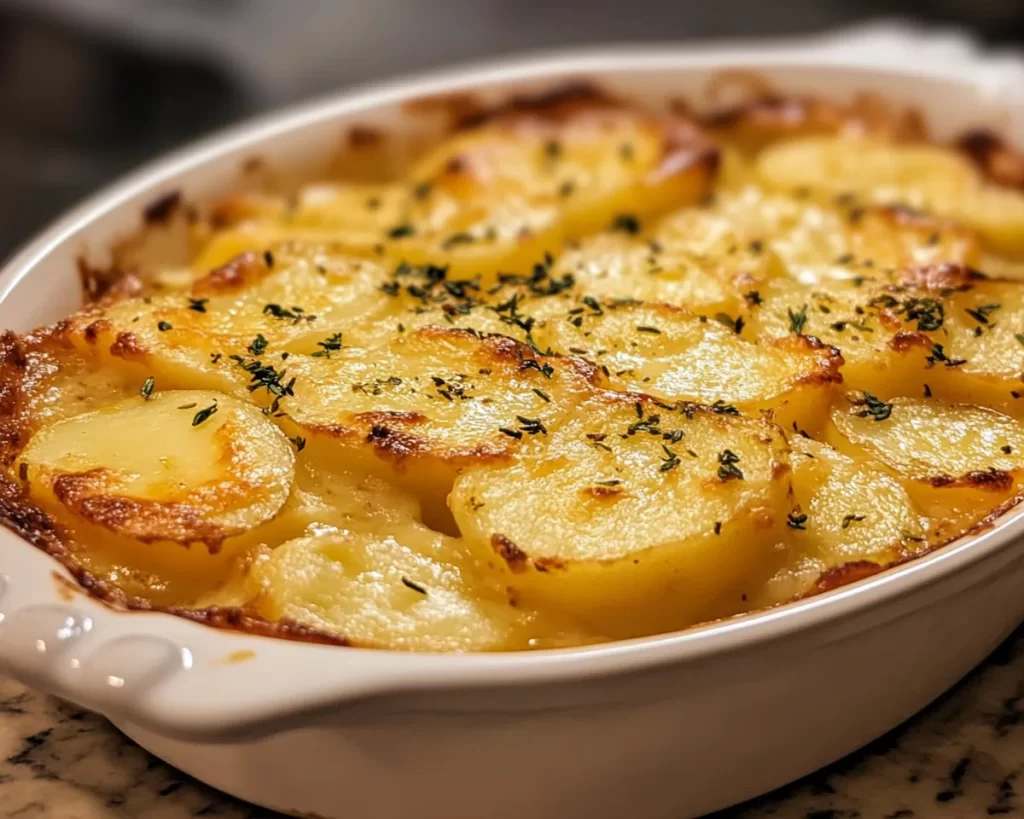
Indulging in a warm, creamy dish of Easter Scalloped Potatoes is akin to giving your taste buds a delightful hug. Picture creamy layers of thinly sliced potatoes, infused with the richness of cheese and a hint of garlic, culminating in a golden, bubbly topping. This dish is not merely a side—it’s a comforting staple that invites family and friends to gather around the dinner table, evoking memories of festive celebrations. What sets this recipe apart is not just its mouthwatering flavor but also its versatility and the obvious ease with which it can be prepared. By the end of this guide, you will master this beloved classic, armed with tips and variations to suit your palate and dietary needs.
What Is Easter Scalloped Potatoes?
Easter Scalloped Potatoes originated as a way to make the most out of seasonal produce, specifically potatoes, during the spring months. This dish features thinly sliced potatoes layered with a creamy sauce, typically made from milk, flour, butter, and a selection of cheeses. The texture is what truly defines scalloped potatoes: a delightful blend of creamy softness contrasted against the crispy, golden edges that form during baking. The use of garlic adds an aromatic component that resonates through each layer, heightening the flavor profile.
Traditionally served during the Easter holiday, this dish transcends its seasonal roots, making it a popular favorite for family gatherings, potlucks, and special occasions all year round. Its rich, buttery flavor, combined with the natural earthiness of potatoes, creates a comforting meal that evokes nostalgia. It can be dressed up with various toppings or enjoyed in its simplest form, showcasing the humble potato in all its glory.
Why You’ll Love This
There is something undeniably special about Easter Scalloped Potatoes. First and foremost, the taste: the combination of creamy cheese, earthy potatoes, and a subtle hint of garlic creates an explosion of flavor in every bite. Besides its delightful flavor, this recipe is incredibly easy to prepare, making it an excellent choice for both novice cooks and experienced chefs. With minimal prep work involved, you can spend more time enjoying the company of your loved ones rather than slaving away in the kitchen.
Additionally, Easter Scalloped Potatoes are a budget-friendly dish that delivers impressive flavor without breaking the bank. Potatoes are one of the most economical ingredients available, and when paired with basic staples like milk, flour, and cheese, the result is both delicious and cost-effective. Moreover, this dish is versatile; you can easily customize it to suit dietary needs, making it a crowd-pleaser. One common misconception is that scalloped potatoes require extensive culinary skills. The truth is, with a few tips and tricks, anyone can whip up this comforting dish and impress their guests.
Ingredients You’ll Need
- Potatoes: Look for starchy varieties like Russets or Yukon Gold for the best results. They hold up well during baking and provide a creamy texture. If you’re looking for a lower-carb option, cauliflower can be used, but the end result will differ in taste and texture.
- Milk: Whole milk is ideal for a creamy sauce, but you can also substitute with almond milk or other non-dairy alternatives if needed. Adjust the flavor profile by adding a splash of heavy cream for extra richness.
- Butter: This is essential for creating the roux, which will add richness and flavor. If you’re dairy-free, consider using coconut oil or a vegan butter alternative.
- Flour: Used to thicken the sauce. All-purpose flour works best; however, gluten-free flour can be a substitute for those with dietary restrictions.
- Cheese: A mix of sharp cheddar and Gruyère provides a delightful flavor. Feel free to experiment with your favorite cheese or use a dairy-free version.
- Garlic: Fresh crushed garlic enhances the overall flavor. You can also use garlic powder in a pinch.
- Onion: Sautéed onions add aromatic depth. Shallots can also be used for a milder flavor.
- Salt and Pepper: Essential for seasoning. Adjust to your taste preference.
- Herbs: Fresh thyme, rosemary, or parsley can elevate the dish further and add a lovely aromatic touch.
How to Make
- Prepare the Potatoes: Begin by preheating your oven to 375°F (190°C). While the oven heats, wash and peel your potatoes. Using a mandoline or a sharp knife, slice them thinly—approximately 1/8 inch thick. This is important to ensure that the potatoes cook evenly and achieve that creamy texture. If you choose to leave the skins on for added nutrients and texture, ensure that the potatoes are scrubbed thoroughly. Set the slices aside in a bowl of cold water to prevent them from browning.
- Sauté the Aromatics: In a medium saucepan over medium heat, melt 3 tablespoons of butter. Once melted, add 1 chopped onion and sauté until it becomes translucent, about 5 minutes. Stir in 2-3 cloves of minced garlic and cook for another minute until fragrant. A good layering of flavors will greatly enhance your dish, providing a flavorful backbone that complements the potatoes beautifully.
- Create the Sauce: Sprinkle 3 tablespoons of flour over the sautéed onion and garlic. Whisk continuously for 2-3 minutes to cook out the raw flour flavor and create a roux. Gradually pour in 2 cups of milk, whisking constantly to avoid lumps. Keep whisking until the sauce thickens and bubbles, which should take around 5-7 minutes. Once thickened, stir in 2 cups of grated cheese, salt, and pepper. Taste for seasoning and adjust as needed.
- Layer the Potatoes: In a greased 9×13 inch baking dish, start layering your potato slices. Pour a thin layer of the cheese sauce over the first layer of potatoes, then repeat the process until all slices are placed. For the final layer, pour any remaining cheese sauce over the top of the potatoes. Sprinkle with additional cheese, if desired, for an extra cheesy crust.
- Bake Until Golden: Cover the dish with aluminum foil and place it in the preheated oven. Bake for 40 minutes, then remove the foil and continue baking for an additional 20 minutes or until the potatoes are tender and the top is golden brown. A helpful tip to check for tenderness is to pierce the potatoes with a fork; they should slide in easily.
- Rest and Serve: Once baked, remove the dish from the oven and let it rest for about 10-15 minutes before serving. This resting period allows the dish to set, ensuring each serving holds its shape. Serve hot, garnished with fresh herbs like parsley or thyme for an attractive finish and added flavor.
Variations & Substitutions
Cheesy Broccoli Version: To make this dish even more nutritious, consider adding steamed broccoli florets between the layers of potatoes. This variation not only enhances the visual appeal with its vibrant color but also increases the dietary fiber and essential vitamins in the dish. Simply blanch the broccoli in boiling water for 2-3 minutes before draining and layering.
Gluten-Free Option: If you need to follow a gluten-free diet, the best substitution for flour in the cheese sauce is a gluten-free all-purpose blend or cornstarch. To do this, you can whisk 1 tablespoon of cornstarch with a little cold milk before adding it to the pan. This variation ensures that you can enjoy the savory goodness without any gluten concerns.
Spicy Southwest Version: For those who enjoy a kick, adding diced jalapeños or a sprinkle of chili powder can take this classic dish to the next level. You can also mix in some crumbled chorizo or diced bell peppers for additional flavor and texture. This variation will appeal to those who are looking for a more robust, flavorful side dish that can complement a variety of mains.
Common Mistakes to Avoid
One common mistake when preparing Easter Scalloped Potatoes is slicing the potatoes too thick. If the slices are too thick, the potatoes may not cook through, resulting in a crunchy texture instead of the desired creamy softness. Aim for uniformity in thickness for even cooking throughout. Another error is skipping the resting phase after baking; cutting into the dish too soon can cause it to become soupy, unlike the beautifully structured servings you desire.
Additionally, be cautious with your seasoning; while it’s easy to underestimate, too much salt can overpower the flavors, while too little can make the dish taste bland. It’s important to taste your cheese sauce as you’re preparing it and adjust the seasoning accordingly. Pay attention to the time as well—overcooking can lead to a dry top and undercooked potatoes.
Storage, Freezing & Reheating Tips
Easter Scalloped Potatoes can be stored in the refrigerator for up to 3-4 days. Allow the dish to cool completely before transferring to an airtight container. When reheating, it’s best to cover it with aluminum foil to prevent the top from becoming overly brown. Heat in a 350°F (175°C) oven for about 20-30 minutes or until warmed through.
If you wish to prepare the dish ahead for a gathering, consider assembling it up to a day in advance and storing it unbaked in the refrigerator. Then simply bake it on the day of your event. Freezing is also an option; you can freeze the unbaked or baked dish for up to 2 months. When you’re ready to enjoy it, thaw it in the refrigerator overnight before baking or reheating, ensuring you maintain that delicious creamy texture with none of the underlying moisture issues.
Frequently Asked Questions
Can I make scalloped potatoes ahead of time?
Yes, scalloped potatoes can be assembled and stored unbaked in the refrigerator for up to 24 hours. Just prepare your dish per the instructions, cover it tightly, and bake it on the day desired. Alternatively, you can freeze the dish for later use; make sure to thaw it before baking to ensure even cooking.
What’s the difference between scalloped potatoes and au gratin potatoes?
While both dishes feature layered potatoes with a creamy sauce, the key difference lies in the cheese. Au gratin potatoes are typically topped with cheese and breadcrumbs, giving a crisp, crusty top, while scalloped potatoes generally do not have a cheese crust and focus on layering potatoes in a creamy sauce.
Can I use other types of cheese?
Absolutely! While sharp cheddar and Gruyère are classics, feel free to experiment with other cheeses like mozzarella for a milder flavor or pepper jack for a spicy kick. Just keep in mind that different cheeses will yield different flavors and textures in the final dish.
Are scalloped potatoes healthy?
Easter Scalloped Potatoes can be part of a balanced diet when prepared with wholesome ingredients. To make it healthier, consider using lower-fat cheese, reducing the butter, or adding vegetables like kale or broccoli.
Can I use leftover potatoes for this recipe?
Yes, leftover cooked potatoes can be used to make scalloped potatoes. Just slice them thinly and layer them with your cheese sauce. Since they are already cooked, reduce the baking time to ensure they don’t become mushy.
Conclusion:
Easter Scalloped Potatoes offer a blend of delicious, creamy flavors wrapped in nostalgia, making it a perfect choice for family gatherings and festive celebrations. This recipe not only highlights the humble potato but also provides room for creativity with various variations and substitutions to suit everyone’s taste and dietary preferences. So, gather your ingredients, roll up your sleeves, and embark on this culinary adventure. Don’t hesitate to customize the recipe or share it with friends and family. Happy cooking!