Prep time: 20 minutes
Cook time: 40 minutes
Total time: 1 hour
Servings: 12
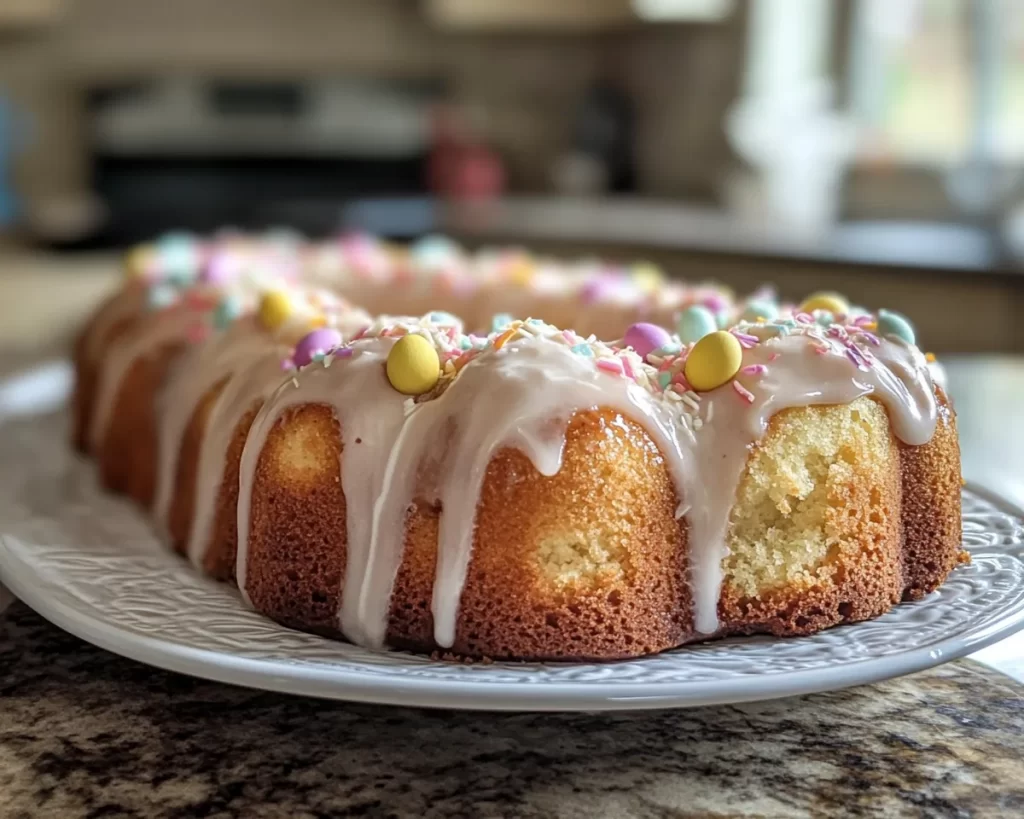
Baking has a unique way of bringing people together, especially during festive seasons. The fragrant aroma of a freshly baked cake can instantly turn a house into a home filled with warmth and joy. One recipe that beautifully encapsulates this feeling is the Easter Vanilla Almond Cake. This cake is not only aesthetically pleasing with its soft crumble and delicate white icing but also offers a delightful blend of flavors that evoke a sense of nostalgia. With a hint of almond, this cake is perfect for any occasion, but it truly shines during Easter celebrations, making it a favorite among families.
This Easter Vanilla Almond Cake is special for many reasons. First, it features the sweet essence of vanilla combined with the nutty aroma of almonds, creating a decadent yet airy dessert that practically melts in your mouth. Whether you’re looking for a delicious treat to enjoy during family gatherings or simply want to indulge in a slice after a meal, this cake is sure to impress. In this article, you’ll learn not just how to make the cake but also explore various tips, substitutions, and decorations that elevate it to a truly festive centerpiece.
What Is Easter Vanilla Almond Cake?
The Easter Vanilla Almond Cake is a delightful dessert that has origins rooted in traditional baking recipes. The cake’s main components are flour, sugar, eggs, and butter, which form the base of many classic cakes. However, what sets this cake apart is the addition of almond flavoring, which adds depth and complexity to the cake. The texture is light and fluffy, thanks to the creaming method used to incorporate air into the batter.
When baked, the cake acquires a beautiful golden brown hue. The combination of vanilla and almond creates a harmonious blend that tantalizes the taste buds. Each bite offers a soft crumb and moist texture that pairs wonderfully with coffee or tea, making it an ideal treat for mid-afternoon gatherings or festive brunches. The frosting, usually of a creamy buttercream or a simple glaze, enhances the flavor profile even more, making this cake not just a dessert but a luxurious experience.
Additionally, the dish is often adorned with seasonal decorations, such as edible flowers or colorful sprinkles, making it visually appealing and festive. This cake is more than just a dessert; it symbolizes warmth, generosity, and the joy of sharing. During Easter gatherings, it is common for families to make this cake and savor each slice while cherishing memories together.
Why You’ll Love This
You’ll love Easter Vanilla Almond Cake for its diverse flavors and ease of preparation. Unlike other pastries that require intricate techniques, this cake is foolproof, making it perfect for novice bakers and busy parents alike. Within just a few simple steps, you can whip up a cake that tastes as if it came from a professional bakery. The nutty almond flavor paired with the delicate sweetness of vanilla is a match made in heaven that appeals to a wide range of palates.
Cost-wise, this cake is budget-friendly since it utilizes common pantry staples and can easily be modified or customized as needed. For those mindful of healthy eating, the recipe can incorporate whole grain flour or natural sweeteners, allowing you to enjoy dessert without the guilt. Moreover, it can be made for various dietary preferences, including gluten-free options with appropriate flour substitutions.
Often, people believe that creating a beautifully decorated cake requires special skills, but this recipe will show you just how achievable it is. With simple decorations using fruits, creams, or even sprinkles, the Easter Vanilla Almond Cake can go from a basic dessert to a stunning centerpiece that impresses your guests.
Ingredients You’ll Need
- All-purpose flour: Provides the structure and volume to the cake. You can substitute with cake flour for a finer texture.
- Sugar: Sweetens the cake. Brown sugar can add a caramel-like flavor.
- Unsalted butter: Adds richness and moisture; be sure to use softened butter for easy blending.
- Eggs: Binds ingredients together while providing moisture, crucial for a light cake.
- Vanilla extract: Adds a sweet, aromatic flavor. Use pure vanilla extract for the best taste.
- Almond extract: A key flavor that enhances the nutty profile. You can adjust the amount based on your preference.
- Baking powder: Helps the cake rise, providing that fluffy texture. It’s essential for achieving the desired lift.
- Milk: Adds moisture and helps to blend the ingredients smoothly. Whole milk is preferred, but any milk will do.
These ingredients work together harmoniously to create a cake that is perfect for any occasion. Each plays a significant role in achieving a light and airy texture while balancing flavors that are both rich and subtle. By understanding each ingredient’s importance, you can adapt the recipe to suit your taste or dietary needs.
How to Make
- Start by preheating your oven to 350°F (175°C). It’s crucial to preheat to ensure that the cake rises evenly. Grease and flour two 9-inch round cake pans to prevent sticking. If you have parchment paper, use it for added protection.
- In a mixing bowl, cream together unsalted butter and sugar until the mixture is light and fluffy. This process usually takes about 4-5 minutes. The creaming process is essential as it incorporates air into the mix, leading to a lighter cake.
- Add the eggs one at a time to the butter-sugar mixture, mixing well after each addition. This ensures they are fully incorporated and helps to achieve a smooth batter. Add in the vanilla extract and almond extract during this step for an evenly distributed flavor profile.
- In another bowl, whisk together your all-purpose flour and baking powder. It’s important to sieve these dry ingredients to ensure they are mixed evenly and any lumps are removed. Gradually add this dry mixture to the wet mixture alternately with milk, beginning and ending with flour. This technique of alternating helps maintain the structure of the batter.
- Once the batter is smooth and well-blended, pour it into the prepared cake pans, dividing it evenly. Tap the pans gently on the counter to remove air bubbles that might have formed. This step also helps the cake layers to bake evenly. Place them in the oven.
- Bake for approximately 30-40 minutes or until a toothpick inserted in the center comes out clean. Now, while baking, your kitchen will be filled with a lovely fragrance. Keep an eye on the cakes as oven times can vary.
- After baking, allow the cakes to cool in the pans for about 10 minutes before transferring them to a wire rack to cool completely. This helps them set properly and reduces the risk of breaking. If you’re feeling adventurous, you can shape the cakes by trimming the tops for a level surface once they are cool.
- Once cooled, proceed to frost the cake. You can use a simple buttercream frosting or even a light glaze. For added decoration, consider garnishing it with almond slices, fruit, or edible flowers for an Easter touch.
This simple yet comprehensive guide will make your baking experience enjoyable and rewarding. Remember that practice makes perfect, so don’t be discouraged if your first attempt isn’t flawless. The taste will still win hearts.
Variations & Substitutions
Gluten-Free Variation: For those who are gluten intolerant, swapping all-purpose flour for a gluten-free blend works wonders. Many gluten-free flour mixtures are available in stores today and provide a one-to-one replacement ratio. This variation maintains the integrity of the cake while catering to dietary restrictions, making it an inclusive option for all guests.
Citrus Almond Cake: For a refreshing twist, consider adding citrus zest, such as lemon or orange, into the batter. This addition will brighten up the flavors immensely, giving a refreshing taste that contrasts beautifully with the almond. Citrus complements almond well, ensuring that the cake remains moist while introducing a zesty dimension that makes it suitable for springtime gatherings.
Vegan Variation: To cater to vegan diets, replace eggs with flaxseed meal mixed with water or use applesauce. Take equal parts flaxseed meal and water, let it sit for about 5 minutes to gel, and then add it to the mixture. Substitute cow’s milk with almond milk or oat milk, and ensure you use vegan butter instead of regular butter. The result will be a lovely, fluffed cake with all the delightful flavors intact.
Chocolate Chip Variation: Want to take your Easter Vanilla Almond Cake to the next level? Incorporate chocolate chips into the batter. Adding semi-sweet or white chocolate chips can make your cake more indulgent, appealing to chocolate lovers. These chips melt beautifully within the cake, providing decadent pockets of chocolate throughout that complement the vanilla and almond flavors excellently.
Sugar-Free Alternative: Using sugar substitutes is an effective way to reduce the sweetness and caloric impact of your cake. Substitutes like erythritol or stevia can be used in equal measure with good results to ensure the integrity of sweetness while catering to those watching their sugar intake. Make sure to adjust the baking time slightly as sugar alternatives often affect texture.
These variations not only add diversity but allow customization to cater to different preferences, ensuring everyone at your gathering can enjoy this delicious cake.
Common Mistakes to Avoid
One common mistake is overmixing the batter. Once you add the dry ingredients, mix until just combined. Overmixing can lead to a tough cake because it develops the gluten in the flour, which you want to avoid for a light texture. Also, be cautious not to open the oven door too soon; doing so can cause the cake to collapse due to the sudden temperature change.
Another error is not properly measuring ingredients. Baking is a science, and inaccuracies can lead to unsatisfactory results. Ensure you measure your flour correctly, as too much flour can result in a dense cake. Additionally, make sure to check the expiration dates on your baking powder to ensure it’s fresh.
Lastly, don’t rush the cooling process. Allow your cake to cool completely before frosting; otherwise, the icing might melt and slide off. A fully cooled cake provides the perfect base for frosting, ensuring that you achieve a beautiful finish.
Storage, Freezing & Reheating Tips
Proper storage of your Easter Vanilla Almond Cake is critical for maintaining its flavor and texture. After you’ve baked and frosted the cake, keep it in an airtight container at room temperature for up to three days. If you need to store it for a longer period, consider placing it in the refrigerator. Wrapped carefully, it can last up to a week while still retaining its delicious taste.
For freezing, it’s best to wrap the cake tightly in plastic wrap followed by aluminum foil to prevent freezer burn. This method allows it to stay fresh for up to three months. When ready to enjoy, remove it from the freezer and place it in the refrigerator overnight to thaw gradually. This slow thawing process helps maintain moisture and flavor. After thawing, allow it to come to room temperature before serving.
If you find yourself needing to reheat slices, a few seconds in the microwave or a low oven setting can bring back that warm, fresh-baked taste. Just be cautious not to overheat, as this can dry out the cake, losing its moist texture.
Frequently Asked Questions
Can I use almond flour instead of all-purpose flour?
Using almond flour in this recipe is an option, but it behaves differently than all-purpose flour. Almond flour is denser and lacks gluten, which can affect the cake’s final texture and rise. If substituting, consider using a blend of almond flour and a gluten-containing flour or baking soda to aid in rising.
What should I use if I don’t have almond extract?
If almond extract isn’t available, you can easily substitute with additional vanilla extract or use hazelnut or coconut extract if you enjoy a different flavor. Alternatively, you could omit it entirely, though it may slightly alter the flavor profile of the cake.
How can I make the frosting extra special?
You can elevate your frosting by incorporating shredded coconut, crushed almonds, or even flavored syrups, like espresso or chocolate, to bring a richer taste. Alternatively, mixing in puréed fruits such as raspberry or blackberry can create a beautiful color and flavor contrast.
Is there a gluten-free option available for this recipe?
Absolutely! Gluten-free flour blends are commonly available and can easily replace all-purpose flour in this recipe. Choose a high-quality gluten-free blend to ensure that the cake rises properly and maintains a fluffy texture. Don’t forget to add a bit more baking powder for sufficient leavening.
Can I make this cake ahead of time?
Yes, this cake can be made ahead of time. It’s an excellent option for meal prep or event planning. You can bake the cake layers a few days in advance, store them properly, and frost them on the day you wish to serve it. This way, you can enjoy a stress-free celebration without last-minute baking!
Conclusion:
In wrapping up this delightful Easter Vanilla Almond Cake recipe, you’ll find an array of benefits from its delectable taste to its ease of preparation. As you explore the variations and customize your cake, you’re preparing not just dessert but creating memories with loved ones around the table. Don’t hesitate to share this cake with family and friends, and let them experience the joy that this recipe brings. Whether you dress it up for a special occasion or enjoy it simply on a cozy afternoon, I encourage you to try this recipe and make it your own. Happy baking!