Prep time: 30 minutes
Cook time: 1 hour
Total time: 1 hour 30 minutes
Servings: 12
There’s something truly magical about a cheesecake, especially during special occasions like Easter. The rich and creamy texture, with that subtle hint of sweetness and the luxurious flavor of vanilla bean, makes every bite feel indulgent and celebratory. As a child, I remember whispering secrets to my younger siblings as we anticipated our mother’s famous Easter Vanilla Bean Cheesecake, which seemed to bring everyone together at the dining table. This recipe is not only a delicious dessert but a reminder of love, laughter, and sweet moments shared with family.
In this article, you will learn how to create your own Easter Vanilla Bean Cheesecake that captures the essence of those cherished memories. By the end, you will feel empowered to whip up a dessert that delights everyone at your gathering, with tips for success, flavorful variations, and answers to common questions. Whether you’re a beginner testing your skills or an experienced cook looking for new inspirations, you’ll find everything you need right here.
What Is Easter Vanilla Bean Cheesecake?
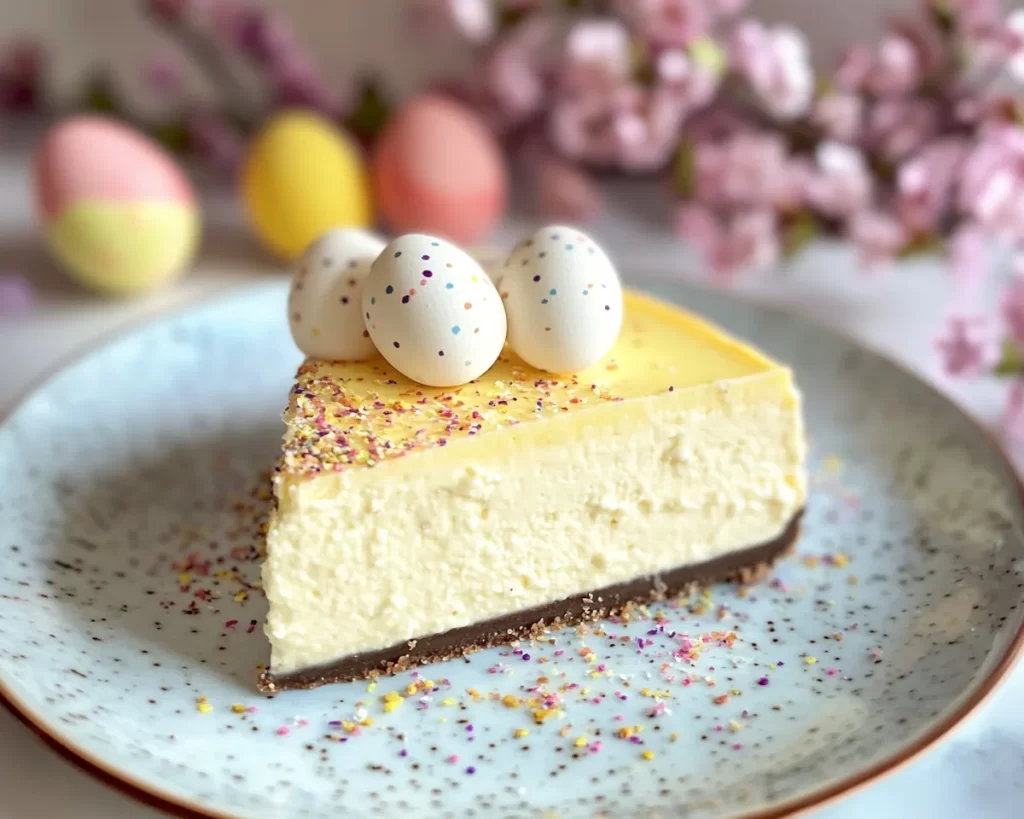
Easter Vanilla Bean Cheesecake is a delightful dessert that combines traditional cheesecake elements with the fragrant flavors of vanilla beans. This dessert is characterized by its smooth and creamy filling set against a perfectly crisp crust made from crushed graham crackers or digestive biscuits. What sets this cheesecake apart is the use of real vanilla beans, which impart a sophistication and depth of flavor that is truly unmatched.
Originating from ancient Greece, cheesecake has evolved significantly through the centuries. Today, this version pays homage to the classic American cheesecake by incorporating the rich, creamy base into a familiar template but elevates it with the luxurious essence of vanilla. The texture is velvety and soft, melting in your mouth, yet the crust provides a satisfying crunch. Each bite is an explosion of flavor that balances sweetness with a slight tang from the cream cheese, making it an absolute crowd-pleaser.
If you’re wondering about the perfect pairing, this cheesecake goes wonderfully with fresh fruit, such as strawberries or blueberries, adding a refreshing contrast to the creamy filling. It’s a timeless dessert that can be enjoyed during any celebration, but it shines particularly during the Easter season, symbolizing renewal and family gatherings.
Why You’ll Love This
You will absolutely love this Easter Vanilla Bean Cheesecake for its incredible taste and ease of preparation. The creamy texture combined with the deep flavor of vanilla makes it a standout dessert that can easily become the star of any celebration. Unlike many complex desserts that may require special tools or techniques, this cheesecake is relatively simple to make with everyday ingredients found in your kitchen.
Many home cooks may feel intimidated by the thought of baking a cheesecake, fearing it may crack or turn out too dense. However, this recipe breaks down each step, ensuring that you achieve a luscious and light cheesecake every time. By following the instructions closely and utilizing simple tips—like using room temperature cream cheese—you’ll avoid common pitfalls, achieving a smooth finish.
Another reason to love this cheesecake is its versatility. You can easily adapt the recipe to suit various dietary needs, making it suitable for gluten-free eaters or those who prefer a lighter version. With options to customize the crust or substitute ingredients, it’s a dessert that welcomes creativity while still being delicious.
Ingredients You’ll Need
To make the Easter Vanilla Bean Cheesecake, gather the following ingredients:
- Graham cracker crumbs: These form the crust’s base, providing a sweet, crunchy texture. You can also substitute with gluten-free crumbs if needed.
- Unsalted butter: Used to bind the crust together, butter adds richness and flavor. Always use unsalted to control the salt levels in your dessert.
- Granulated sugar: This sweetens both the crust and the filling. You may opt for less sugar according to your taste preference.
- Cream cheese: The key ingredient that gives the cheesecake its creamy, rich texture. Ensure it’s at room temperature for easy mixing.
- Sour cream: Adds a tangy flavor while keeping the cheesecake moist. Greek yogurt can be a substitute for a healthier option, imparting similar creaminess.
- Vanilla beans: The star of this recipe, fresh vanilla beans elevate the flavor significantly compared to extracts. If unavailable, you can use pure vanilla extract, but it won’t have the same depth.
- Vanilla extract: Adds an extra hint of vanilla flavor, complementing the beans. Look for pure extract for the best results.
- Eggs: Bind the ingredients together while adding structure to the cheesecake. Use room-temperature eggs for a smooth blend.
- Salt: Small amounts enhance the sweetness and balance flavors. A pinch is all you need.
Each ingredient plays a vital role in achieving the perfect Easter Vanilla Bean Cheesecake, so make sure to choose high-quality products for the best results.
How to Make
Creating your Easter Vanilla Bean Cheesecake is a rewarding experience that’s straightforward if you follow these step-by-step instructions:
- Prepare the crust: Start by preheating your oven to 325°F (160°C). In a mixing bowl, combine the graham cracker crumbs, melted unsalted butter, and 1/4 cup of granulated sugar. Stir until the mixture resembles wet sand. This is a critical step; you want the crust to hold together without being too soggy. Press this mixture into the bottom of a 9-inch springform pan. Use the back of a measuring cup or your fingers to ensure an even layer. Bake in the preheated oven for 10 minutes to set before removing it.
- Mix the filling: In a large mixing bowl, combine the room-temperature cream cheese and the remaining granulated sugar. Beat with an electric mixer on medium speed until smooth and creamy—approximately 2-3 minutes. Scrape down the sides of the bowl to incorporate any mixture stuck on the edges. This ensures a uniformly creamy cheesecake without lumps, which is essential for that perfect texture.
- Add the sour cream: Next, stir in the sour cream and vanilla bean seeds scraped from the beans (reserve the empty pods). The cream will add creaminess and a slight tang, balancing the sweetness. Be careful not to overmix at this stage. Just blend until combined. If you opted to use vanilla extract, add it now.
- Add eggs: Add the eggs one at a time, mixing slowly after each addition. Be sure not to beat too vigorously, as this can incorporate unwanted air into the mixture, leading to cracks during baking. The inclusion of eggs is essential for structure; they create a delicate balance with the cream cheese filling.
- Pour into crust: Once the filling is smooth and everything is well combined, gently pour it into the cooled graham cracker crust. Use a spatula to spread it evenly. Be cautious not to disturb the crust layer; you want it to remain intact for a beautiful presentation.
- Bake: Bake the cheesecake in the same 325°F (160°C) oven for approximately 50-60 minutes. The edges should appear set, while the center may still have a slight jiggle. You want that perfect, creamy texture that only develops when it’s slightly underbaked.
- Cool and chill: Important! Turn off the oven, crack the door, and let the cheesecake cool in the oven for about 1 hour. This helps prevent cracking. Afterward, remove it from the oven and allow it to cool to room temperature before placing it in the refrigerator to chill for at least 4 hours, preferably overnight. This chilling process enhances the flavors and helps the cheesecake to set perfectly.
- Serve: Once chilled, run a knife around the edge of the cheesecake before carefully releasing the springform pan. Slice into wedges and serve as is or with your favorite toppings like fresh berries, whipped cream, or a drizzle of chocolate sauce.
Each step in this process contributes not only to the flavor but also to the stunning presentation of this cheesecake, making it a showstopper at any gathering.
Variations & Substitutions
Chocolate Swirl Variation: For chocolate lovers, consider making a chocolate swirl cheesecake. Simply melt 4 oz. of dark chocolate and fold it into half of the cheesecake mixture before pouring it into the crust. Create swirls by gently stirring with a knife. This variation adds a rich chocolate flavor that beautifully complements the vanilla.
Fruit Topping Variation: If you prefer a fruit topping, opt for a fresh berry compote. Simply simmer equal parts sugar and water until dissolved, then add a mix of strawberries, raspberries, and blueberries. Cook until the fruits are soft and syrupy. This topping not only adds flavor but also a lovely visual appeal to your cheesecake.
Gluten-Free Variation: To cater to gluten-sensitive friends, switch the graham cracker crust for certified gluten-free cookie crumbs or ground almonds. Just make sure all ingredients, including the vanilla extract, are gluten-free.
Mini Cheesecake Variation: For a fun twist, create mini cheesecakes in muffin tins using cupcake liners instead of a single large cheesecake. Adjust the baking time to 20-25 minutes, so everyone can enjoy their personal portion.
Vegan Variation: To make a vegan version, use a dairy-free cream cheese alternative and substitute the eggs with flaxseed meal (1 tbsp flaxseed meal + 2.5 tbsp water equals 1 egg). Vegan sour cream can also replace regular sour cream. This version provides a creamy cheesecake without animal products, accommodating plant-based diets.
Common Mistakes to Avoid
When it comes to baking cheesecakes, it’s essential to avoid common pitfalls that can lead to disappointments. One frequent mistake is overmixing the cream cheese, which can introduce excessive air into your batter. This may cause your cheesecake to puff and crack during baking. Always beat your ingredients gently and just until combined to maintain a smooth texture.
Another common issue is not allowing the cheesecake to cool gradually in the oven. If you take the cheesecake straight from the oven to a cooler room, the sudden temperature change can lead to cracking. Always turn off the oven and allow it to cool inside with the door slightly ajar for at least an hour.
Finally, it’s vital to let your cheesecake chill in the refrigerator for the recommended time. Rushing this step can result in a filling that is too soft and won’t hold its shape when sliced. If your cheesecake hasn’t chilled long enough, give it some extra time to set in the fridge before attempting to cut into it.
Storage, Freezing & Reheating Tips
Proper storage of your Easter Vanilla Bean Cheesecake is crucial to maintain its flavor and texture. Always keep it covered in the refrigerator, where it can last for about 5-7 days. Using plastic wrap tightly wrapped around the cheesecake or a cake dome will protect it from other odors in the fridge.
You can also freeze cheesecake for up to 3 months. To freeze, let it chill completely in the refrigerator first. Then, wrap it tightly in plastic wrap followed by aluminum foil to prevent freezer burn. When you are ready to enjoy it, thaw in the refrigerator overnight before serving.
Reheating isn’t typically necessary, but if you prefer a slightly softened slice, microwave it for about 15-20 seconds. Be careful to avoid overheating, which can change the texture. The best way to enjoy cheesecake is at a slightly cool room temperature, so let it sit out for a few minutes before serving if it has been in the fridge.
Frequently Asked Questions
Can I use a different type of crust?
Yes, you can certainly use other types of crust! While graham crackers are traditional, feel free to try chocolate wafer cookies, oreos, or even a nut-based crust for a gluten-free option. Experiment with different flavors to find what you enjoy the most.
How can I tell when the cheesecake is done?
The best indicator is to look for a mostly set outer edge with a slightly jiggly center. Once it cools, it will firm up nicely. Avoid overbaking, as this will cause dryness and cracking.
Can I make this cheesecake ahead of time?
Absolutely! In fact, this cheesecake tastes even better after a day in the refrigerator. This allows the flavors to meld beautifully, making it an ideal dessert to prepare a day before your gathering.
What should I serve with the cheesecake?
There are many options to enhance your cheesecake. Fresh fruit like strawberries, blueberries, or a berry compote adds a refreshing touch. Whipped cream or chocolate sauce works well for those who enjoy that extra indulgent touch.
How do I remove the cheesecake from the springform pan without ruining it?
To release the cheesecake without damage, run a knife around the edge of the cake before unbuckling the springform. This creates a separation between the sides of the cake and the pan, ensuring a smooth release.
Conclusion:
Easter Vanilla Bean Cheesecake is a delightful and unforgettable dessert that captures the essence of celebration, joy, and family. With its creamy texture and rich flavor, it’s sure to become a favorite at your holiday gatherings. I encourage you to give this recipe a try, customize it to your taste, and create your own sweet memories. Don’t forget to share your experiences and how your cheesecake turned out with family and friends!