Prep time: 10 minutes
Cook time: 15 minutes
Total time: 25 minutes
Servings: 4
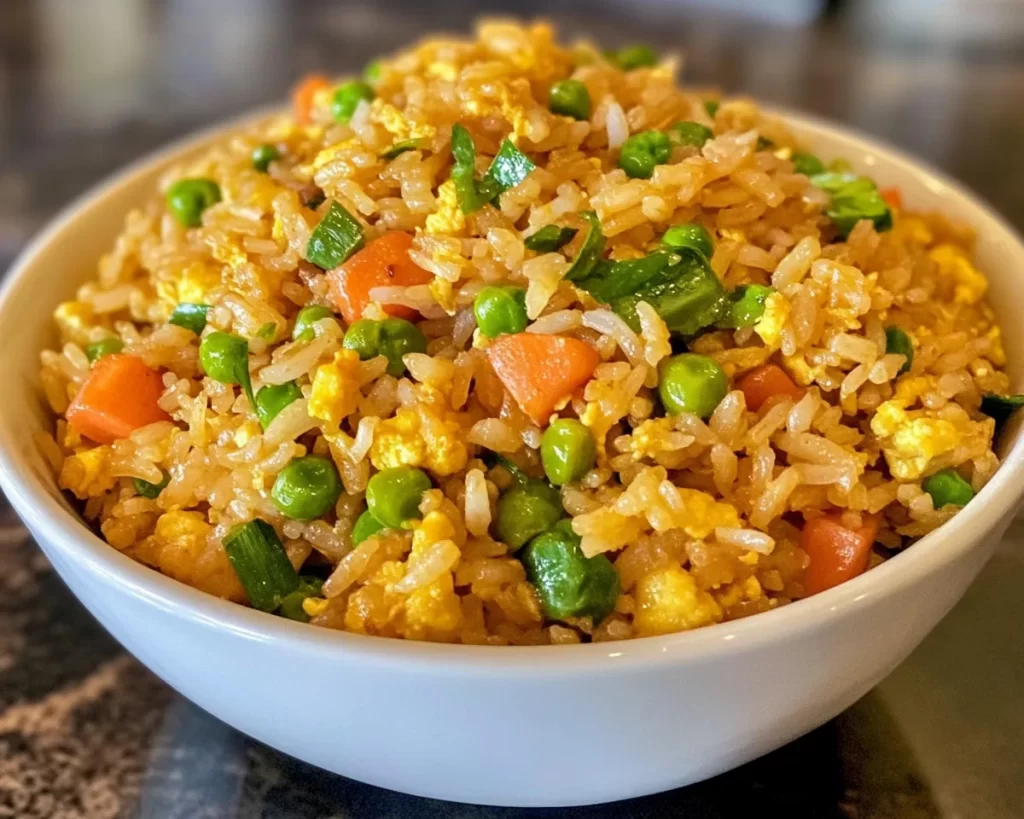
Imagine arriving home after a long day at work, the kids are hungry, and dinner needs to be quick, satisfying, and nutritious. This is where your trusty **healthy fried rice** steps into the spotlight. It evokes memories of family dinners and brings comfort with each bite. This recipe is not just about putting food on the table; it’s about creating a nourishing meal that everyone will love. In this article, you will discover not only how to make healthy fried rice but also tips to customize it to suit your family’s preferences.
The delicious **aroma** of cooked rice mingling with fresh vegetables and protein can turn a simple dinner into a memorable feast. You’ll learn how versatile this dish can be, offering variations that cater to different **dietary needs** and preferences. Whether you want a vegetarian option or are looking to pack in more protein, fried rice can easily accommodate.
What Is Easy Dinner Recipes for Family Comfort Foods: Healthy Fried Rice?
Healthy fried rice is a twist on the classic dish that has its roots in Asian cuisine, traditionally using leftover rice stir-fried with various ingredients. The beauty of this dish lies in its **versatility**; it can be customized to suit whatever you have in your pantry. The dish is typically characterized by its savory flavor, enhanced by **soy sauce**, and its satisfying texture, which includes a balance of fluffy rice, crisp vegetables, and tender protein.
When you think of fried rice, what often comes to mind are takeout versions laden with grease and additives that may not align with your health goals. However, preparing fried rice at home allows you to control the **quality of ingredients**, ensuring that you can keep it on the healthier side without sacrificing taste. Each ingredient brings something unique to the dish, from the crunch of the vegetables to the nutty flavor of sesame oil, building a perfect harmony in every bite.
Why You’ll Love This
There are a multitude of reasons why healthy fried rice is a staple in many households. First and foremost, it’s ridiculously easy to make. With just one pan, you can whip up a meal that not only fills stomachs but also delights taste buds. The cooking process takes less than 30 minutes, making it perfect for busy weeknights.
Moreover, this fried rice is an economical choice! You can utilize whatever leftover vegetables or proteins you have, reducing food waste and keeping your grocery bill low. With this recipe, you won’t just save time and money; you’re also creating a dish packed with nutrients. The combination of vegetables, whole grains, and protein makes it a well-rounded meal.
Common misconceptions include thinking that fried rice is purely a side dish. In fact, when you incorporate a variety of vegetables and protein, it stands proudly as a main course. You can also easily make it gluten-free by swapping regular soy sauce for tamari or coconut aminos, making it suitable for various dietary needs.
Ingredients You’ll Need
- Cooked rice: 4 cups (preferably day-old, for better texture)
- Carrots: 1 cup, diced (adds sweetness and crunch)
- Frozen peas: 1 cup (for color and vitamins)
- Eggs: 2 large, beaten (adds protein and richness)
- Onion: 1 medium, chopped (for flavor and aroma)
- Garlic: 2 cloves, minced (enhances the dish’s depth)
- Soy sauce: ¼ cup (or tamari for gluten-free option)
- Sesame oil: 2 tablespoons (for a nutty flavor)
- Green onions: ¼ cup, chopped (for garnish)
- Protein of choice: 1 cup (chicken, shrimp, or tofu)
Each ingredient plays a vital role in the dish. The **cooked rice** serves as the base, ensuring that the meal is filling. Using **day-old rice** is preferable as it has dried out slightly, preventing it from clumping together. The **vegetables** not only add **nutrition**, they also provide vibrant colors and textures that make the dish appealing.
If you want to get creative, you can consider substitutes for these ingredients. For instance, you can swap out peas for corn or use bell peppers for a different flavor profile. The **sesame oil** can also be replaced with olive oil, though you’ll lose that characteristic flavor. Make sure to choose vegetables that will roast well and retain some texture.
How to Make
1. Begin by heating 1 tablespoon of **sesame oil** in a large skillet or wok over medium heat. Once hot, add the chopped **onion** and sauté for about 2 to 3 minutes until softened and translucent. As the onion cooks, you’ll notice its sweet aroma filling your kitchen, setting the stage for the rest of the recipe.
2. Next, add the minced **garlic** and diced **carrots** to the skillet. Stir frequently for another 3 minutes until the carrots begin to soften. The combination of these ingredients forms a flavor base that adds complexity, making the dish more inviting.
3. Push the vegetables to the side of the skillet, then pour in the **beaten eggs** into the cleared space. Scramble the eggs gently until fully cooked, about 2 minutes. Make sure to stir them in with the vegetables afterward, ensuring every bite has a hint of egg mixed in.
4. Now it’s time to add the **cooked rice** along with the **frozen peas**. Stir everything together, ensuring that the rice breaks apart and combines evenly with all ingredients. This step is crucial for achieving that signature fried rice texture, where every grain is coated with flavor.
5. Drizzle ¼ cup of **soy sauce** over the mixture. Stir thoroughly, letting the rice absorb all that savory goodness for about 3–5 minutes. The soy sauce will not only flavor the rice but also lend it that beautiful brown color. Keep everything moving around in the skillet to prevent burning.
6. Finally, remove the skillet from the heat, drizzle another tablespoon of **sesame oil** for added richness, and fold in the chopped **green onions**. Allowing the green onions to remain fresh adds a delightful crunch to your dish. Serve immediately while hot.
Variations & Substitutions
Vegetarian Fried Rice: For those who prefer a meat-free option, simply remove any protein and add more vegetables. You can include ingredients like zucchini, bell peppers, or even mushrooms to make it heartier. The flavors will still be rich and satisfying, and this version is great for a quick weeknight meal.
Low-Carb Cauliflower Fried Rice: If you’re watching your carb intake, using **grated cauliflower** as a substitute for regular rice can be a game changer. This variation provides the same fried rice flavor while significantly reducing carbs. Just remember to sauté the grated cauliflower for a shorter time to avoid mushiness.
Spicy Fried Rice: If you love a kick of heat, you can add diced **jalapeños** or a pinch of **red pepper flakes** during the cooking process. For an extra dimension, consider adding a drizzle of **sriracha** or **chili oil** before serving. This variation is perfect for those who like to spice up their meals.
Seafood Fried Rice: For a delightful twist, add pre-cooked shrimp, scallops, or crab meat in place of the egg. The seafood will cook quickly, adding a beautiful flavor profile that pairs well with the soy sauce. This variant is particularly great if you want something a bit more upscale yet simple to prepare.
Common Mistakes to Avoid
One common mistake when making fried rice is using freshly cooked rice. This can lead to clumping and a mushy texture. Always opt for day-old rice, as it has dried out and will fry evenly without becoming sticky.
Another issue arises from overcrowding the pan. Too many ingredients at once can lower the skillet’s temperature, preventing proper frying. To solve this, make it in batches if necessary; the rice should sizzle when it hits the hot pan.
Finally, be cautious with the **soy sauce**. While it adds great flavor, too much can make your fried rice overly salty. Start with less and add more as needed, tasting along the way to find that perfect balance.
Storage, Freezing & Reheating Tips
For those busy weeknights, leftovers can be a lifesaver. Store any remaining fried rice in an airtight container in the refrigerator for up to 4 days. Make sure it is completely cooled before sealing to avoid moisture buildup, which can lead to spoilage.
If you want to keep your fried rice for an extended period, consider freezing it. Portion it out in freezer-safe bags or containers, ensuring to remove as much air as possible to prevent freezer burn. When stored properly, it can last for up to 3 months.
To reheat, simply thaw overnight in the refrigerator and then reheat in a skillet over medium heat, adding a splash of water or oil to restore moisture. Stir frequently until heated through to enjoy that fresh taste once again.
Frequently Asked Questions
Can I use any type of rice for fried rice? Yes, you can use various types of rice, such as brown rice, jasmine rice, or even wild rice. However, day-old rice typically works best, as it has a firmer texture less likely to clump together during cooking.
How do I keep my fried rice from getting mushy? The key to maintaining a good texture is to use cold, day-old rice. If you have to use freshly made rice, spread it out on a baking sheet and freeze it for about 30 minutes. This helps to dry out the excess moisture.
Can I make fried rice ahead of time? Absolutely! Fried rice can be made ahead and stored in the refrigerator for up to 4 days or frozen for longer storage. Just remember to follow the storage tips mentioned to keep it fresh.
What vegetables can I add to fried rice? Your options are virtually limitless! Popular choices include peas, carrots, bell peppers, broccoli, and corn. Feel free to utilize leftover veggies from your fridge to customize your fried rice.
Is fried rice healthy? It can be! By using lean proteins, plenty of vegetables, and controlling the amount of soy sauce, fried rice can be a nutritious meal. The balance of carbs, proteins, and vitamins makes it a healthy option, particularly when prepared at home.
Conclusion:
In closing, healthy fried rice stands out not only as a delicious dinner option but also as a complete meal that is quick to whip up, nourishing, and incredibly versatile. Whether you want to satisfy your family’s tastes or explore new flavors, it’s a recipe that invites customization. You may find that this becomes a weeknight go-to that caters to every craving!
So grab your pan, customize this dish, and let it become part of your family’s comfort food tradition. Don’t forget to share your experiences and variations with others, to inspire even more home cooks in their culinary adventures!