Prep time: 30 minutes
Cook time: 1 hour
Total time: 1 hour 30 minutes
Servings: 4
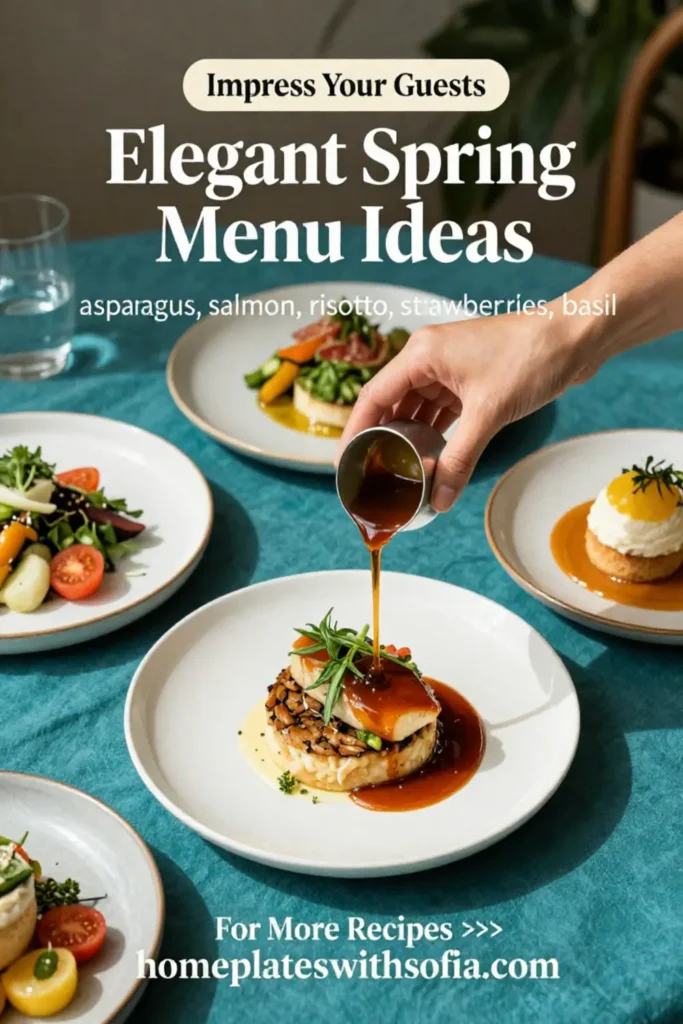
Spring is a time of renewal and freshness, particularly when it comes to food. This season brings vibrant ingredients that can elevate your dining experience from simple to exquisite. Whether you’re hosting a special occasion or just want to impress at a family gathering, the following elegant spring menu ideas are sure to delight your guests and showcase your culinary skills.
What Is Elegant Spring Menu Ideas for Fine Dining: 5 Impressive Dishes?
This selection focuses on the flavors of the season, featuring a variety of dishes that highlight spring ingredients. Imagine tender asparagus, fresh peas, delicate flavors of lemon, and vibrant herbs, all coming together to create a meal that captivates the senses. Each dish is crafted to present beautifully, making them ideal for fine dining, whether at home or in a restaurant setting.
Why You’ll Love This
This elegant spring menu is not only visually stunning but also deliciously satisfying. Each dish is thoughtfully paired for optimal flavor and offers a delightful combination of textures. The recipes are straightforward enough for even novice cooks yet impressive enough to please seasoned foodies. They encourage creativity, allowing for variations based on seasonal availability and personal preferences.
Ingredients You’ll Need
- Fresh Asparagus: 1 pound – Look for bright green, firm stalks. Asparagus is a quintessential spring vegetable, loaded with vitamins.
- Cherry Tomatoes: 2 cups – These sweet, juicy tomatoes add a burst of color and flavor.
- Fresh Peas: 1 cup – Use shell peas when possible. They provide a sweet, crunchy texture that contrasts beautifully with other ingredients.
- Quinoa: 1 cup – This gluten-free grain adds substance and a nutty flavor to the meal.
- Lemon: 1 – Fresh lemon juice and zest will brighten every dish and bring out the freshness of the vegetables.
- Fresh Herbs (Basil and Parsley): 1 cup (mixed) – A must for spring dishes; they add depth, aroma, and a vibrant finish.
- Olive Oil: 1/4 cup – Use extra virgin for a rich flavor.
- Feta Cheese: 1/2 cup – Optional, but it provides a creamy, tangy touch to the final plating.
- Salt and Pepper: To taste – Essential seasonings that enhance all flavors.
- Garlic: 4 cloves – Added for an aromatic depth and warmth to the dishes.
How to Make
- Begin by rinsing the quinoa under cold water. Cook it in a medium saucepan with 2 cups of water. Bring it to a boil, then reduce to a simmer and cover. Cook for 15-20 minutes or until the water is absorbed. Fluff it with a fork and set aside.
- While the quinoa is cooking, preheat the oven to 400°F (200°C). Cut the asparagus into 2-inch pieces and arrange them on a baking sheet along with halved cherry tomatoes. Drizzle with olive oil, salt, and pepper. Roast in the preheated oven for 15-20 minutes until tender and slightly caramelized.
- In a skillet, heat some olive oil over medium heat. Add minced garlic and sauté until fragrant, about 1 minute. Toss in fresh peas and sauté for another 3-4 minutes until bright green and tender. Season with salt, pepper, and a squeeze of fresh lemon juice for added brightness.
- In a large bowl, combine the cooked quinoa, roasted vegetables, sautéed peas, freshly chopped herbs, and crumbled feta cheese. Toss gently to combine, ensuring the flavors meld beautifully.
- To serve, plate the quinoa mixture and garnish with additional fresh herbs and lemon zest. Drizzle more olive oil if desired. Present beautifully to impress your guests with this vibrant creation.
Variations & Substitutions
Variations with Different Grains: If you prefer a different base, you can substitute quinoa with farro or couscous to offer varying textures and flavors. Each alternative embraces the freshness of spring while providing unique characteristics.
Vegetable Variations: Feel free to swap in other seasonal vegetables such as radishes, baby carrots, or even artichokes. Each one will add its individual flair, keeping the dish interesting and appealing to diverse palates.
Protein Add-Ons: For those looking to incorporate more protein, consider adding grilled chicken, poached salmon, or tofu. This can turn the dish into a heartier main course suitable for any dinner gathering.
Common Mistakes to Avoid
One mistake often made is overcooking the vegetables. Always keep an eye on timing. Each vegetable requires specific cooking times to maintain its color, flavor, and nutritional value. Don’t hesitate to taste as you go along.
Another pitfall is neglecting to season adequately. Don’t hold back on salt and lemon juice. These ingredients play a significant role in enhancing the overall taste of the dish.
If using vegetables like asparagus, be mindful of their freshness. Ensure they are firm and bright. Soggy or limp asparagus can ruin the appeal of your dish.
Storage, Freezing & Reheating Tips
For best results, store leftover quinoa and vegetables in an airtight container in the refrigerator. Consume within 3 to 5 days for optimal freshness. When reheating, do so gently in a skillet over low heat to avoid overcooking the vegetables further.
If you plan to freeze any portions, consider freezing the quinoa and roasted vegetables separately. This helps retain texture and flavor. When ready to consume, defrost in the refrigerator overnight, then reheat as mentioned.
Frequently Asked Questions
Can I make this dish ahead of time?
Absolutely! This dish can be prepared a few hours in advance. Just store the components separately in the refrigerator. When ready to serve, simply mix them together, and you will have a fresh, vibrant meal prepared in minutes.
What can I pair with this elegant dish?
Consider serving it alongside a crisp green salad dressed lightly with lemon vinaigrette or a refreshing cucumber salad to balance the rich flavors of the main dish.
Is this dish suitable for a vegetarian diet?
Yes, this recipe is inherently vegetarian-friendly and can easily be made vegan by omitting the feta cheese. You can enhance the flavors by adding more herbs or even using nutritional yeast for a cheesy taste.
How can I customize the flavors?
Feel free to experiment with different herbs, such as dill or cilantro if preferred. Additionally, using flavored olive oils, such as garlic or chili-infused oils, can add another layer of flavor to the dish.
What should I do if I can’t find fresh peas?
If fresh peas are not available, frozen peas are a great substitute. They will cook quickly and maintain a bright green color, providing excellent texture and flavor without compromising the quality of the dish.
Conclusion:
The elegance of spring is captured beautifully in this array of dishes that highlight seasonal flavor profiles. By incorporating fresh ingredients and simple techniques, you can create a dining experience that’s both impressive and satisfying. Each recipe offers flexibility and an opportunity to express your culinary creativity while catering to various dietary needs. Enjoy your meal prep adventure and bring the spirit of spring into your kitchen!