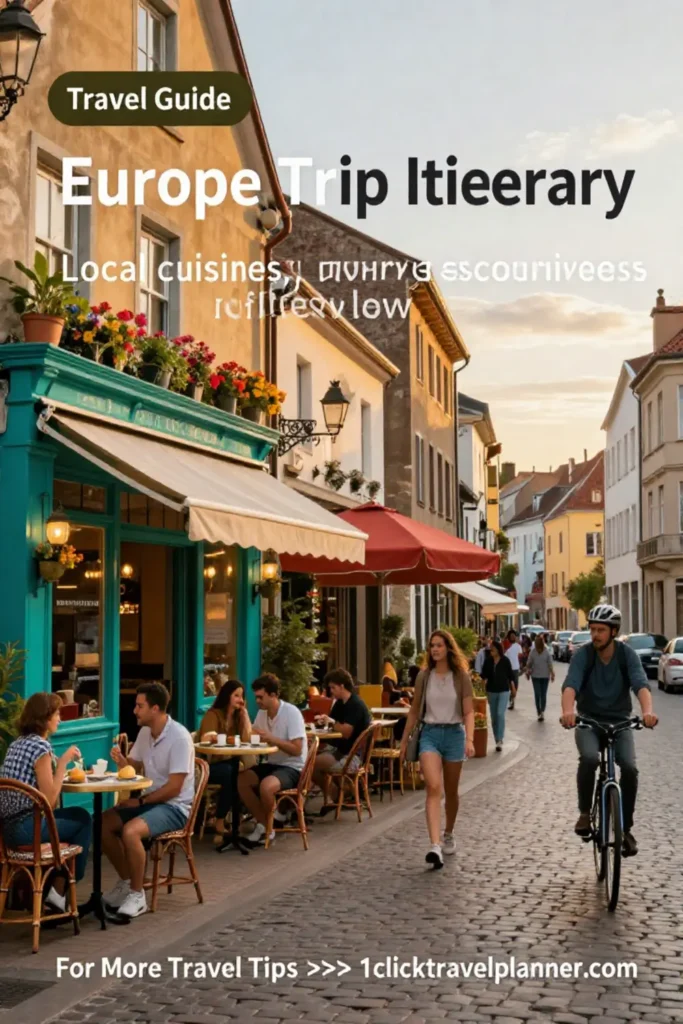
Planning a trip to Europe can be both thrilling and overwhelming, especially for first-time travelers. With so many destinations, experiences, and cultures to explore, it’s essential to have a well-structured itinerary that minimizes stress and maximizes enjoyment. This guide will walk you through everything you need for a seamless journey across Europe.
What Is Europe Trip Itinerary ✈️ How to Do It Without Stress
A Europe trip itinerary is a carefully crafted plan that outlines your travel route, places to visit, accommodations, and activities. When done right, it allows you to fully embrace the magic of the continent without feeling rushed or lost. By following our practical tips and suggested itinerary, you can navigate Europe effortlessly.
Why Visit This Destination
Europe is a treasure trove of stunning architecture, rich history, and diverse cultures. From the romantic streets of Paris to the historic ruins of Rome, each country has a unique story to tell. Moreover, the accessibility of different regions makes it easy to hop from one breathtaking locale to another, ensuring that your travel experience is both enriching and memorable.
Best Things to Do
- Visit the Eiffel Tower: A visit to Paris wouldn’t be complete without witnessing this iconic structure. Opt for evening visits for breathtaking city views.
- Explore the Colosseum: Experience the grandeur of ancient Rome by walking through the Colosseum, a magnificent arena that once hosted gladiatorial contests.
- Take a Gondola Ride in Venice: These serene rides through the city’s enchanting canals offer a romantic atmosphere perfect for couples.
- Discover the Louvre: Home to thousands of works of art, including the Mona Lisa, the Louvre is a must-visit for art enthusiasts.
- Experience Oktoberfest in Munich: This world-famous festival is a celebration of Bavarian culture and a chance to indulge in traditional food and beer.
Suggested Itinerary
- Day 1: Arrive in Paris. Visit the Eiffel Tower and enjoy dinner by the Seine.
- Day 2: Explore the Louvre and wander through Montmartre.
- Day 3: Travel to Rome. Visit the Colosseum and Roman Forum.
- Day 4: Discover Vatican City, including St. Peter’s Basilica and the Sistine Chapel.
- Day 5: Head to Venice. Stroll through St. Mark’s Square and take a gondola ride.
- Day 6: Depart for Munich, enjoy Oktoberfest.
- Day 7: Explore Munich’s historical sites and enjoy delicious Bavarian cuisine.
Travel Tips
Here are some actionable travel tips to enhance your European adventure:
- Set a Budget: Outline daily expenses to keep track of your spending, ensuring a stress-free experience.
- Prioritize Safety: Stay vigilant in crowded places and always know emergency numbers and local laws.
- Use Public Transport: Familiarize yourself with local transport systems to save money and time.
- Learn Basic Phrases: Knowing a few words in the local language can enhance your interactions and enrich your experience.
Best Time to Visit
The best time to visit Europe varies by destination. Generally, late spring (April to June) and early autumn (September to October) are ideal due to pleasant weather and fewer crowds. However, if you want to experience local festivals, consider timing your visit accordingly.
Where to Stay
Accommodations in Europe range from luxury hotels to budget hostels. To save money, consider booking hotels outside touristy areas or using vacation rental services. Popular regions to consider include:
- Charming Neighborhoods: Staying in local neighborhoods can provide a more authentic experience.
- Hostels: Great for budget travelers looking to meet others.
- Hotels near Major Attractions: Ensure convenient access to key landmarks.
Common Mistakes to Avoid
- Overpacking: Only bring essentials to make your travel easier.
- Ignoring Local Customs: Research cultural etiquette to avoid unintentional offense.
- Not Booking Ahead: Secure accommodations and tickets in advance to avoid last-minute stress.
Frequently Asked Questions
- How do I manage currency exchange? Always have a small amount of local currency on hand, and consider a travel credit card with no foreign transaction fees.
- What’s the best way to stay connected? Investigate local SIM cards or international plans from your provider to ensure reliable communication.
- How can I find the best local cuisine? Utilize travel blogs and local recommendations, while keeping an eye out for less touristy eateries.
- Is travel insurance necessary? Yes, to protect yourself from unforeseen circumstances, travel insurance provides peace of mind.
- What to do in case of an emergency? Keep important contacts handy and always know the location of your country’s embassy.
Conclusion:
With a well-structured itinerary, your Europe trip can be an incredible and immersive experience. By avoiding common pitfalls, planning effectively, and embracing local cultures, you’ll create lasting memories without any unnecessary stress. Happy travels!