Prep time: 15 minutes
Cook time: 30 minutes
Total time: 45 minutes
Servings: 4
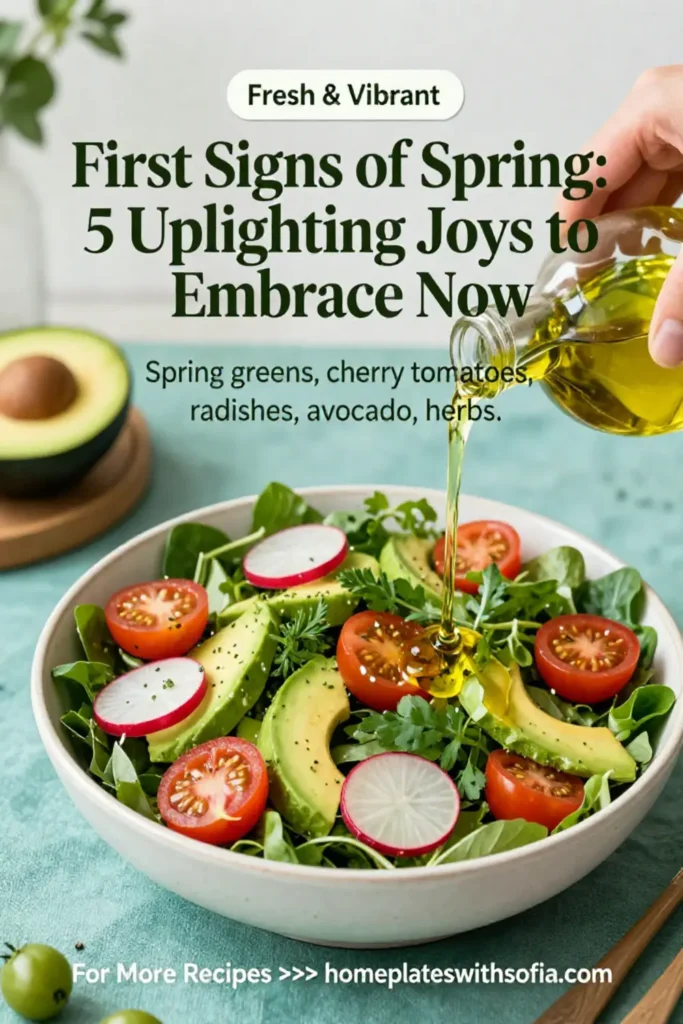
Spring is a delightful reminder of renewal, and there’s no better way to celebrate the season than with uplifting dishes that harness its essence. From fresh greens to bright citrus, we can capture the spirit of spring in our kitchens. This recipe, “First Signs of Spring: 5 Uplifting Joys to Embrace Now,” features vibrant ingredients designed to awaken your senses and invigorate your cooking routine. Let’s dive into the joy of spring flavors!
What Is First Signs of Spring: 5 Uplifting Joys to Embrace Now?
This dish is a celebration of spring’s first produce, showcasing five delightful ingredients that resonate with the season. Think tender asparagus, sweet peas, bright herbs, zesty lemon, and crunchy radishes. Each element not only adds its unique flavor but also a burst of color, reminding us of blooming flowers and sunny days ahead. It’s a perfect dish for busy weeknights or special weekend gatherings.
Why You’ll Love This
– **Quick and Easy**: This recipe comes together in just 45 minutes, making it perfect for busy parents or anyone pressed for time.
– **Fresh Ingredients**: Utilizing seasonal vegetables, you can reap the health benefits and enhance your cooking palette.
– **Versatile**: Serve it as a generous side dish or as a light main course. It pairs beautifully with grilled meats or fish.
– **Vibrant Colors and Flavors**: This dish’s visual appeal will brighten your table and ignite enthusiasm for spring cooking.
– **Healthy and Nourishing**: Packed with nutrients, each ingredient contributes to a balanced meal that supports your wellbeing.
Ingredients You’ll Need
- Asparagus (1 bunch): Fresh, tender asparagus provides a delightful crunch and is loaded with vitamins A, C, E, and K.
- Sweet Peas (1 cup): Adding natural sweetness and color, peas are a great source of protein and fiber.
- Fresh Herbs (1/4 cup mixed – parsley, mint): These herbs offer aromatic flavors that brighten the dish and promote digestion.
- Lemon (1, zested and juiced): Bright, zesty lemon adds acidity, balancing the rich flavors of the vegetables.
- Radishes (1 cup, sliced): With a peppery crunch, radishes enhance texture and add visual appeal, plus they’re low in calories.

How to Make
- Preparation of Ingredients: Begin by washing all your fresh produce thoroughly. Snap the woody ends off the asparagus and place them on a cutting board. Cut the asparagus into bite-sized pieces, typically about two inches long. Slice the radishes thinly and set them aside. This step is vital to ensure uniform cooking and that each bite is beautiful.
- Cooking the Asparagus and Peas: Heat a large skillet over medium heat and add a tablespoon of olive oil. Once hot, add the asparagus and sauté for about 5 minutes until it turns bright green and is just tender. Next, incorporate the sweet peas and continue to cook for another 2-3 minutes, which will bring out their sweetness while keeping a tender bite.
- Incorporating Herbs and Lemon: Lower the heat to medium-low, then add the freshly chopped herbs and lemon zest, stirring gently to incorporate. This step infuses the dish with refreshing flavors. Cook for another minute to allow the herbs to release their aromatic oils without wilting.
- Final Touches with Radishes: Finally, toss in the sliced radishes, along with the lemon juice. Stir to combine all ingredients, cooking for an additional minute. The radishes should remain crisp, adding wonderful texture to the dish.
- Serving the Dish: Once everything is perfectly cooked and combined, remove the skillet from heat. Transfer the vibrant mixture to a serving dish. This dish is best served warm but can also be enjoyed at room temperature during a spring picnic!
Variations & Substitutions
Variation 1: Quinoa Addition
For a heartier option, you can mix in one cup of cooked quinoa. This not only adds protein but also enhances the dish’s texture, making it perfect for meal prep. Quinoa is rich in essential amino acids and fiber, making this dish even more nutritious. Simply fold in the quinoa during the final mixing stage with the radishes.
Variation 2: Extra Veggies
Feel free to add more vegetables based on your personal preferences or what you have on hand. Good options include diced bell peppers, shredded carrots, or even green beans. The idea is to maintain the vibrant colors while increasing the variety of nutrients in your meal. Cook additional vegetables along with the asparagus, adjusting the time as needed to ensure everything is tender but not mushy.
Variation 3: Cheese Lovers
If you enjoy cheese, sprinkling some crumbled feta or grated Parmesan cheese over the top while the dish is still warm can add an extra layer of flavor. The creaminess of cheese can beautifully complement the crunch of the veggies and add a richness that makes the dish feel indulgent.
Common Mistakes to Avoid
One common mistake is overcooking the asparagus. If overcooked, it can turn mushy and lose its vibrant color. Aim for a bright green color and a crisp-tender texture to maintain its appeal. Another mistake is failing to season adequately. A light sprinkle of salt and freshly ground black pepper can drastically enhance the flavors, so don’t skip this essential step. Lastly, don’t forget to prepare your ingredients before starting to cook. This mise en place ensures a smooth cooking process, allowing you to enjoy the experience rather than feeling rushed.
Storage, Freezing & Reheating Tips
For optimal freshness, store any leftovers in an airtight container in the refrigerator for up to three days. To maximize the lifespan of the vegetables, ensure they are cooled down to room temperature before sealing them. If you want to freeze the dish, it’s best to do so before adding the radishes and herbs, as the texture may suffer once frozen. When ready to reheat, place the mixture in a skillet over low heat, stirring occasionally until heated through. For a fresh touch, consider adding fresh herbs again right before serving.
Frequently Asked Questions
Can I use frozen peas instead of fresh?
Absolutely! Frozen peas are a convenient alternative and can save preparation time. They are typically flash-frozen at their peak, retaining most of their nutrients. Simply add them during the final stages of cooking, as they only require a minute or two to heat through.
What can I serve alongside this dish?
This dish pairs beautifully with grilled fish or chicken, as the fresh spring tones complement the proteins without overpowering them. A light salad or crusty bread can also elevate your meal, providing balance and variety.
How can I make this recipe vegan?
This dish is naturally vegan since it doesn’t contain any animal products. Just be cautious when adding garnishes or sides, ensuring everything aligns with vegan dietary requirements.
Can I prepare this dish ahead of time?
While this dish is best enjoyed fresh, you can prepare the vegetables in advance and store them separately in the fridge. Sauté them just before serving for the best texture and flavor. This is particularly helpful for busy weeknights.
What if I don’t have all the herbs mentioned?
No worries! Use whatever herbs you have on hand; basil or cilantro can provide a different flavor profile, but they will still enhance the dish. The key is to incorporate fresh herbs to add that much-needed brightness to the spring ingredients.
Conclusion: In celebrating the arrival of spring through fresh ingredients, “First Signs of Spring: 5 Uplifting Joys to Embrace Now” offers a versatile, healthy, and delightful dish that can easily adapt to your kitchen routine. It’s a vibrant reminder of the season’s beauty, encouraging you to enjoy the bounties of spring in every bite. So gather your ingredients, embrace the joy of cooking, and let this dish bring a taste of spring to your table!