Prep time: 15 minutes
Cook time: 25 minutes
Total time: 40 minutes
Servings: 4
Frittatas have a special place in the culinary world, and the Frittata Recipe with Asparagus is no exception. Imagine a dish that effortlessly combines fresh ingredients to create a satisfying meal that works beautifully for breakfast, lunch, or dinner. If you’ve ever found yourself staring at a fridge full of eggs and veggies and unsure of what to make, this frittata will be your go-to. With the tender crunch of asparagus, this dish brings a feeling of spring into your kitchen, making it an ideal choice for gatherings or meal prep.
You’ll learn just how simple it is to whip up a frittata that sings with fresh flavors while providing a canvas for your creativity. In this article, we’ll delve into the dazzling world of frittatas with tips on perfecting your craft, flavorful variations to explore, and troubleshooting advice to ensure your dish comes out flawlessly every time.
What Is Frittata Recipe with Asparagus (Perfect Spring Dinner)?
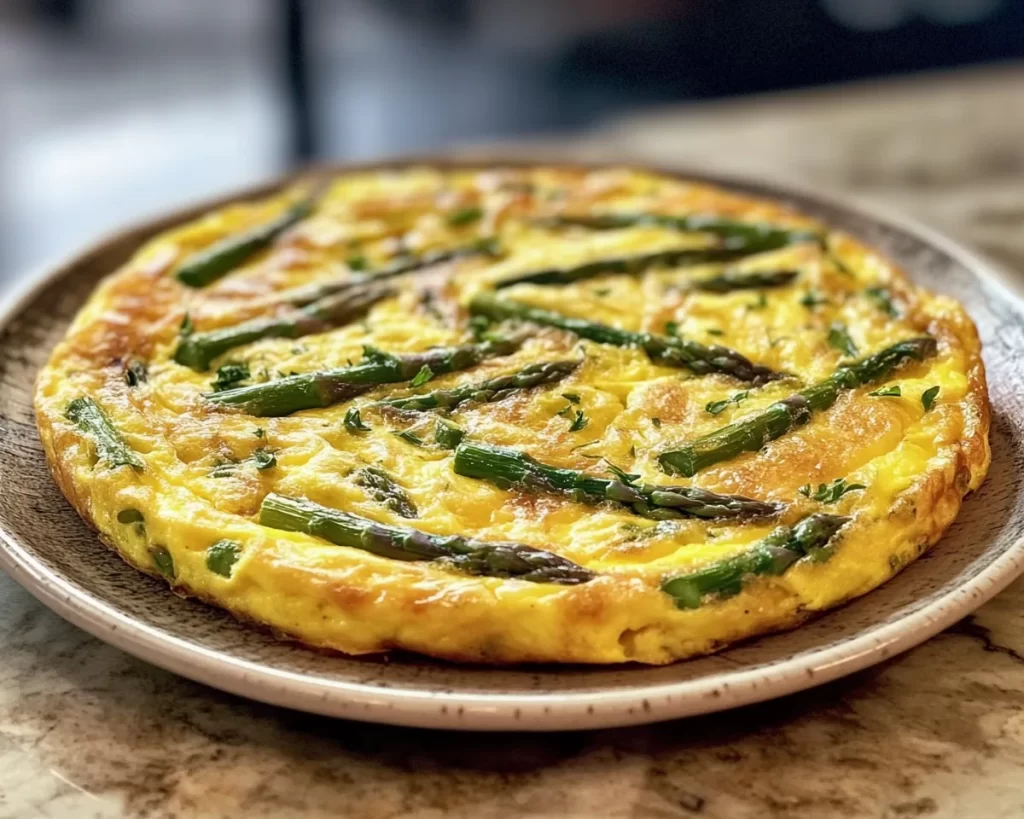
At its core, a frittata is an Italian egg dish similar to an omelet, distinguished by its incorporation of a variety of ingredients such as vegetables, meats, and cheeses. Originating from Italy, the name “frittata” comes from the Italian verb “friggere,” meaning to fry. When you dive into a slice of this asparagus frittata, you’ll encounter a delightful texture that is both fluffy and hearty, with vibrant green asparagus adding not just visual appeal but a distinct flavor. The richness of the eggs complements the asparagus beautifully, allowing both ingredients to shine.
What makes this dish truly special is its versatility. You can adapt it to include whatever vegetables or proteins you have on hand, which means it’s a fantastic recipe for using up leftovers. The frittata can be served warm or at room temperature, making it perfect for any season, though the freshness of asparagus truly makes it sing in spring.
Why You’ll Love This
There are countless reasons to adore this Frittata Recipe with Asparagus. First and foremost, it is a remarkable blend of flavors that tantalizes the taste buds with every bite. The lightly sautéed asparagus adds a nutty, earthy note, while the eggs create a creamy base that holds everything together.
Beyond its pleasing flavor profile, this dish scores high in terms of ease. With basic cooking methods like sautéing and whisking, this recipe is perfect for both novice cooks and seasoned home chefs. In just about 40 minutes, you can go from kitchen to table, which is a significant benefit for those busy weekdays or spontaneous gatherings with friends.
Plus, the health benefits are commendable! Eggs are packed with protein, and pairing them with fresh asparagus boosts the nutritional value, providing essential vitamins and minerals critical for your overall health. It’s a guilt-free indulgence that won’t undermine your dietary goals.
Additionally, frittatas are seen as a budget-friendly choice. Eggs and seasonal vegetables like asparagus are often affordable, making this dish kind to your wallet. You can whip it up for brunch or make it a centerpiece for a simple dinner—and the leftovers are just as delightful the next day.
Finally, there’s a misconception that frittatas are difficult to master. In truth, with a few straightforward tips and tricks, you can achieve restaurant-quality results in your own kitchen. Frittatas look impressive yet require no advanced cooking skills, making them the perfect choice for anyone wanting to impress without the stress.
Ingredients You’ll Need
To make this delicious Frittata Recipe with Asparagus, gather the following ingredients:
- 8 large eggs
- 1 cup fresh asparagus, trimmed and chopped
- 1/2 cup grated Parmesan cheese
- 1/4 cup milk or heavy cream
- 1 small onion, finely chopped
- 2 tablespoons olive oil
- Salt and pepper to taste
- Fresh herbs for garnish (optional)
Each ingredient plays a critical role in the final product. The eggs are the base of the frittata, lending creaminess and protein. **Asparagus** is the star ingredient here, providing a fresh, crunchy texture and bright flavor that embodies spring. It’s essential to trim the ends for optimal tenderness.
The Parmesan cheese adds a salty, umami punch that enhances the overall taste and texture of the dish, while milk or heavy cream contributes to a fluffier body. If you prefer a lighter dish, you can opt for low-fat milk instead; however, the cream will yield a richer frittata.
Next, the onion adds a subtle sweetness and depth of flavor when sautéed, while the olive oil is integral for frying, bringing everything together. Lastly, don’t forget the salt and pepper to taste; these are crucial for enhancing all flavors in the dish. If you’d like a pop of color, consider garnishing with fresh herbs like parsley or chives—this adds a vibrant finish.
How to Make
Creating the perfect frittata is an art that’s easily mastered. Follow these step-by-step instructions to guide you along the way:
- Begin by preheating your oven to 375°F (190°C). This step is essential because you want your frittata to cook evenly without burning.
- In a large bowl, whisk together the eggs, milk or cream, and a pinch of salt and pepper. Ensure that everything is fully combined; this will make for a fluffier frittata.
- Next, heat the olive oil in a skillet over medium heat. Once hot, add the onion and sauté until translucent, about 3-5 minutes. Stir occasionally to promote even cooking; this step will build a fragrant base for your frittata.
- Add the chopped asparagus to the skillet, sautéing for another 4-6 minutes until it is tender but still vibrant. The brightness of fresh asparagus is beautifully highlighted in this step.
- Pour in the whisked egg mixture, ensuring it covers the vegetables evenly. Allow it to cook undisturbed for about 5 minutes; you will notice the edges starting to set. Gently lift the edges with a spatula to let uncooked egg flow underneath.
- Once the edges are set, sprinkle the Parmesan cheese over the top, then transfer the skillet to the preheated oven. Bake for 15-20 minutes, or until the frittata is puffed up and lightly golden on top. The aroma wafting through your kitchen will tempt your family and friends!
- After removing it from the oven, let the frittata cool for a few minutes. This allows it to set further and makes it easier to slice. Serve warm or at room temperature, slicing it into wedges and garnishing with fresh herbs if desired.
Following these steps will ensure you achieve a stunning, flavorful frittata that showcases the vibrant tastes of asparagus and eggs, perfect for any occasion.
Variations & Substitutions
Vegetable Frittata Variation: Feel free to swap out the asparagus for seasonal vegetables like spinach, bell peppers, or tomatoes. Each variation introduces new flavors and textures. Spinach provides a nutrient boost, whereas bell peppers add sweetness. You can mix and match based on your preferences or what you have on hand!
Cheese Variation: While Parmesan cheese is a classic choice, you can easily experiment with other types. Feta adds a tangy flavor, while cheddar contributes a robust taste. If you are avoiding dairy, consider using nutritional yeast for a similar cheesy flavor without the lactose.
Meat-Lover’s Frittata: For those who enjoy heartier meals, adding cooked bacon, ham, or sausage elevates the dish. Cook these meats in the skillet before adding the vegetables for a delightful twist that brings extra flavor and protein.
Herb-Infused Frittata: Elevate the taste by adding chopped fresh herbs such as basil, dill, or parsley. These not only add vibrance but also a refreshing flavor that works beautifully with eggs. They can be mixed in before pouring in the eggs or sprinkled on top after it’s cooked.
Low-Carb Frittata: If you’re looking to keep carbohydrates low, maximize your vegetables’ presence while minimizing starches. This version can feature cauliflower rice instead of potatoes or simply omit any starchy fillers. Keep the egg base rich with cheese and veggies.
Experimenting with these variations can make each frittata a unique dish, ensuring your meals remain exciting!
Common Mistakes to Avoid
Frittatas are generally forgiving but, like any dish, have a few common pitfalls to navigate. One major mistake occurs when eggs are overcooked. This can happen if the skillet is too hot. To avoid this, ensure the heat is medium and observe how the edges cook before transitioning to the oven. You want a delicate texture rather than a rubbery one; if it feels firm in the pan, it may indicate it’s already overdone.
Another mistake is overcrowding the pan with too many fillings. While it can be tempting to add every leftover vegetable you have in the fridge, this can lead to uneven cooking and a soggy frittata. Aim for a balanced ratio of fillings to egg base; generally, two cups of vegetables to eight eggs is ideal.
Finally, be cautious with the seasoning. Under-seasoning can make an otherwise delightful frittata bland. Always taste the egg mixture before cooking – you can add more salt and pepper as needed before it hits the skillet.
Storage, Freezing & Reheating Tips
For ideal freshness, store any leftover frittata in the refrigerator within two hours of cooking. Place it in an airtight container, where it can maintain optimal flavor for up to four days. For longer storage, consider freezing the frittata. Slice it into portions and wrap each piece individually in plastic wrap and foil before placing them in a freezer-safe container. Properly stored, it can last up to three months.
When you’re ready to enjoy your frozen frittata, simply transfer a portion to the refrigerator to thaw overnight. For reheating, a microwave works in a pinch, but for the best texture, heat it in a toaster oven or skillet until warmed through. This will help to retain the crispness that makes frittatas so delightful.
Regarding food safety, remember to always check for signs of spoilage if the frittata has been stored for longer than recommended. When in doubt, throw it out!
Frequently Asked Questions
Can I add different vegetables to my frittata?
Absolutely! The beauty of a frittata lies in its versatility. You can incorporate various vegetables according to your taste and what’s in season. Just ensure that they’re pre-cooked until tender before adding them to the egg mixture.
Is it necessary to use cream in the frittata?
Using cream does make for a richer taste and a fluffier texture, but it’s not mandatory. You can replace it with milk or even just use eggs alone. Adjust the consistency according to your preference and dietary needs.
Can I make a frittata ahead of time?
Definitely! Frittatas are perfect for meal prep. You can make it one to two days in advance, refrigerating it until you’re ready to serve. It’s also delicious served cold or at room temperature, which makes it convenient for entertaining or packed lunches.
What type of pan is best for making a frittata?
A cast-iron skillet is often recommended because it distributes heat evenly and can seamlessly transition from stove to oven. However, any oven-safe skillet will work. Just ensure it’s adequately greased to prevent sticking.
How can I make my frittata fluffier?
To achieve a fluffier texture, ensure you whisk the eggs thoroughly to incorporate air. The addition of milk or cream can also help create a lighter texture. Avoid overcooking, as this will lead to a denser final product.
Conclusion:
The Frittata Recipe with Asparagus stands out as a delightful combination of flavors, textures, and vibrant colors. Not only is it easy to prepare, but it also offers endless variations, making it suitable for any dietary preference. A staple in your cooking repertoire, this dish can bring family and friends together, whether during brunch or at a cozy dinner.
I encourage you to dive into this recipe, get creative with your fillings, and enjoy the process of cooking. Don’t hesitate to customize the frittata to suit your taste and share the results with loved ones. Cooking should be enjoyable and fulfilling, and this frittata is an epitome of both! Happy cooking!