Prep time: 15 minutes
Cook time: 25 minutes
Total time: 40 minutes
Servings: 4
Imagine it’s a busy weekday evening, and you’re staring at a fridge full of leftover vegetables. You want something tasty, filling, and easy to put together, yet you don’t want to waste any food. This is where the fabulous frittata comes to your rescue! This Frittata Recipe with Leftover Veggies (No Waste) is not just a delicious meal but a sustainable choice for those eager to minimize food waste. You’ll love how simple it is to whip up a satisfying dish from what you already have on hand.
This frittata is special because it’s incredibly versatile, allowing you to adapt it based on your preferences and the ingredients you have at home. With just a few fresh eggs and a handful of leftover veggies, you can create a dish that is both nourishing and scrumptious. You’ll find various tips on the best techniques to ensure your frittata is perfectly cooked and full of flavor. Plus, I’ll share some tasty variations and helpful storage tips so you can enjoy this meal any time!
What Is Frittata Recipe with Leftover Veggies (No Waste)?
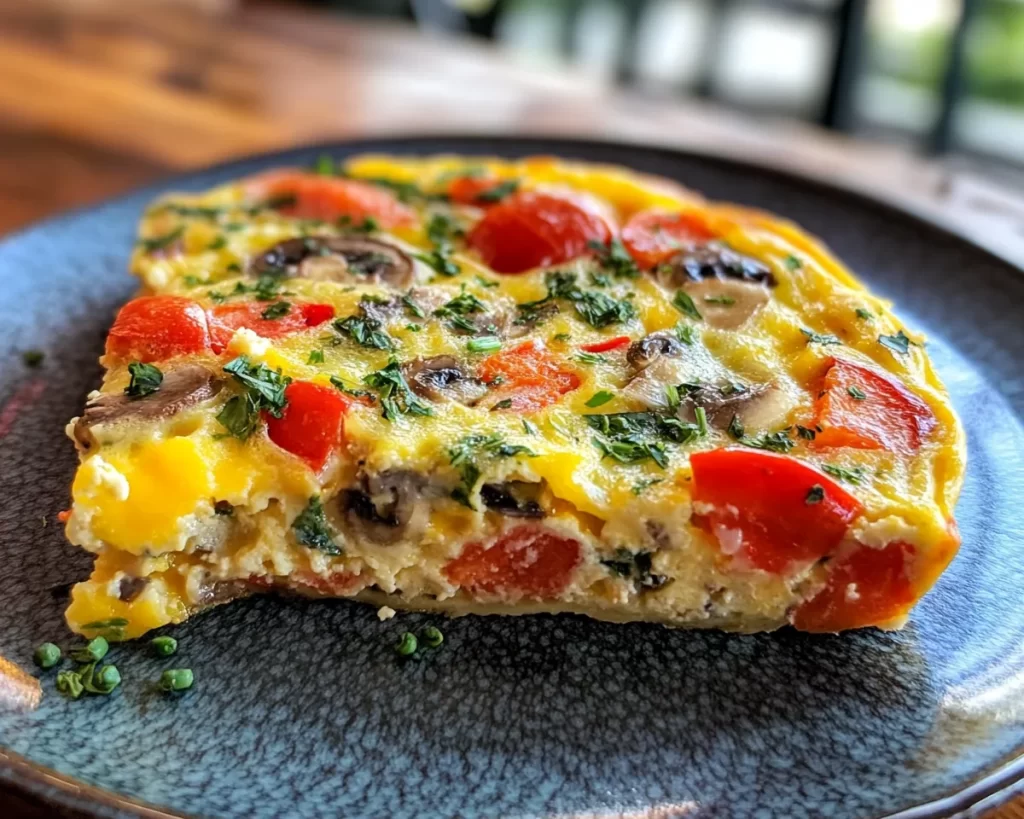
The frittata is an Italian dish that hails from the concept of “no waste” cooking. Traditionally, it is an egg-based dish often enriched with a variety of vegetables, meats, or cheeses. The texture of a well-cooked frittata is delightfully tender yet sturdy enough to hold its shape when sliced. Imagine cutting into a slice that is creamy, fluffy, and bursting with flavor from your choice of ingredients. The flavor profile often shines through the combination of fresh herbs and your assorted vegetables, offering a satisfying meal any time of day.
Unlike an omelet, which is typically folded, a frittata is cooked slowly, allowing for a more even distribution of flavors. It can be made in a skillet on the stovetop and finished in the oven or placed directly in the oven for a more hands-off approach. This cooking method ensures that all your choices of leftover veggies blend seamlessly with the eggs, creating a beautiful, cohesive dish.
Because it can incorporate so many different ingredients, the frittata is a canvas for your culinary creativity. Leftover bell peppers, wilted spinach, or diced tomatoes can all find a new life in this dish. You’ll find that regardless of what you have on hand, the frittata will always deliver a delightful meal that prevents waste and elevates the joy of cooking.
Why You’ll Love This
You’ll fall in love with this frittata not just for its incredible taste but also for the ease with which it comes together. Whether you’re a busy parent scrambling to prepare dinner after a long day at work or a beginner in the kitchen looking to experiment, this recipe is your perfect ally. On top of that, it’s budget-friendly, as it allows you to utilize leftover ingredients that often get overlooked. Making a frittata can help clear out your fridge while saving you money!
Another key benefit of the frittata is its versatility. You can customize it based on the season, the ingredients available, or simply based on your cravings. It can be enjoyed hot or cold, making it ideal for breakfast, lunch, or dinner. If you’re looking to serve guests, a beautifully arranged frittata adds elegance to the table without requiring hours in the kitchen. Plus, if you have dietary restrictions, you can easily adapt this recipe to be gluten-free or dairy-free by using alternative ingredients.
One common misconception when it comes to frittatas is that they must contain specific ingredients or follow precise ratios. On the contrary, one of the beauties of this dish is its flexibility. You can adjust the egg-to-vegetable ratio to your preference; if you prefer a denser veggie version, simply add more vegetables. If you like a fluffier texture, maximize the number of eggs.
Ingredients You’ll Need
To create your delicious frittata, gather the following ingredients:
- 6 large eggs
- 1 cup leftover veggies (bell peppers, spinach, mushrooms, etc.)
- 1 cup shredded cheese (cheddar, mozzarella, or your choice)
- 1/2 cup milk or cream
- 1/4 cup diced onion
- 2 cloves garlic, minced
- Salt and pepper, to taste
- 1 tablespoon olive oil or butter for cooking
- Fresh herbs (basil, parsley, or chives) for garnish
Each ingredient plays a significant role in the harmonious blend of flavors in your frittata. The **eggs** provide the base and structure, giving you that delightful fluffy texture. Using **leftover veggies** allows you to be resourceful while injecting various flavors and nutrients into the dish.
**Cheese** not only adds creaminess but also enhances flavors, making each slice irresistible. The **milk or cream** makes the eggs richer and contributes to the soft texture. As for **onion and garlic**, these aromatic ingredients form the flavor foundation, elevating the overall taste profile.
When considering **substitutes**, don’t hesitate to get creative. You can use any variety of veggies, whether you have zucchini, asparagus, or even cooked potatoes. For a vegan option, substitute eggs with a mixture of silken tofu and nutritional yeast. If cutting dairy, opt for vegan cheese or entirely skip it.
How to Make
Follow these step-by-step instructions to create your fantastic frittata:
- Begin by preheating your oven to 375°F (190°C). While your oven is heating, get your ingredients organized. Chop any leftover veggies into bite-sized pieces, and set them aside.
- In a large mixing bowl, crack 6 large eggs and whisk them thoroughly. Add in 1/2 cup of milk or cream; this will help create a creamy texture. Season your mixture with salt and pepper, and don’t shy away from adding your favorite herbs at this stage for added flavor.
- Heat a large oven-safe skillet over medium heat. Add 1 tablespoon of olive oil or butter. Once hot, add 1/4 cup of diced onion and sauté for about 2-3 minutes, until it becomes translucent. Add 2 cloves of minced garlic, cooking for an additional 1 minute until fragrant. Make sure to keep an eye on it; you don’t want the garlic to burn.
- Once the onions and garlic are soft, toss in your leftover veggies. Stir continuously for about 5-7 minutes until they are heated through. This step is crucial as it allows the flavors to blend and the veggies to become tender. Use a spatula to distribute everything evenly.
- After the veggies have cooked, lower the heat and evenly pour the egg mixture over the sautéed vegetables. With a spatula, gently stir for a couple of minutes to ensure all the ingredients are well combined. Sprinkle in 1 cup of shredded cheese.
- Transfer the skillet to your preheated oven. Bake for 15-20 minutes until the frittata is set and golden on top. To check, insert a knife into the center—the knife should come out clean if it is done. If you prefer a slightly brown top, leave it in for an additional 2-3 minutes, but keep a close eye on it!
- Once fully cooked, carefully remove the skillet from the oven (it will be hot!). Let the frittata cool for a few minutes before slicing into wedges. Garnish with fresh herbs like parsley or chives, and enjoy warm or at room temperature!
Cooking a frittata is truly an experience that allows you to breathe life into your leftover veggies while creating a meal that is satisfying and delicious. The texture will have a tender crumb on the inside but a delightful golden crust on the outside.
Variations & Substitutions
Veggie-Loaded Frittata
If you want to amp up the nutrient content, a veggie-loaded frittata is the way to go! You can add leafy greens like kale, or broccoli florets, and experiment with seasonal vegetables such as asparagus or artichokes. This variety not only enhances the flavor but also caters to health-conscious eaters. Just remember—some veggies may require longer cooking times, so sauté them first to ensure even cooking.
Cheesy Mediterranean Frittata
For a twist on flavor, consider adding Mediterranean ingredients such as sun-dried tomatoes, Kalamata olives, and feta cheese. The sun-dried tomatoes add a lovely tang, while the feta contributes creaminess. This variation transports your taste buds straight to the Mediterranean coast. Perfect for brunch when paired with a side salad or served with pita bread!
Meat Lover’s Frittata
Craving something heartier? Add cooked meats, such as diced bacon, crumbled sausage, or ham. These ingredients will introduce a savory richness to the dish. Always ensure that any meat is pre-cooked before adding it to the egg mixture. This will offer a satisfying texture and flavor contrast, ideal for meat lovers seeking a protein-packed meal.
Dairy-Free Option
If you’re opting for a dairy-free approach, you can use almond or oat milk as a substitute for milk or cream. For cheese, try a dairy-free cheese made from nuts or simply skip it altogether. The eggs provide enough structure, ensuring the frittata remains deliciously fluffy without the creaminess of cheese.
Common Mistakes to Avoid
One of the most common mistakes when making a frittata is **overcooking the eggs**. Overcooking can lead to a dense and rubbery texture that is far from pleasant. Keep in mind that the frittata continues to cook after removing it from the oven, so err on the side of caution and take it out when it is just set.
Another common issue is **not seasoning adequately**. Eggs can be quite bland without enough seasoning. Don’t forget to taste as you go! Season your egg mixture well and incorporate herbs that complement the vegetables used.
Lastly, crowding the pan is something to be cautious of. If you overload the skillet with too many veggies, the frittata may not set properly. For best results, keep the vegetable quantity to a minimum relative to the eggs. If you’re in doubt, it’s easier to make two frittatas than one overly packed one.
Storage, Freezing & Reheating Tips
Storing your frittata is straightforward! If you have leftovers, let the frittata cool completely before covering it tightly with plastic wrap or transferring it to an airtight container. In the fridge, it will last for about 3-4 days.
Freezing frittatas is also an option for meal prep. Cut the frittata into individual slices, wrap each slice with plastic wrap, and place them in a freezer-safe bag. It’s best to consume them within 2-3 months for optimal flavor and texture.
When it comes to reheating, the oven is your best bet. Preheat your oven to 350°F (175°C) and place the frittata slices on a baking sheet. Cover them with aluminum foil to retain moisture and warm them for about 15-20 minutes. You can also use the microwave for quick reheating, but be cautious; microwaving may change the texture.
For food safety, be sure to discard any frittata that has been left out at room temperature for more than two hours, and always ensure your leftovers are properly stored to prevent spoilage.
Frequently Asked Questions
Can I make a frittata without eggs?
Yes, you can! For a vegan alternative, use a blend of silken tofu and nutritional yeast as a substitute for eggs. This will still provide a creamy texture and can incorporate the same vegetables you would typically use in a frittata.
What vegetables work best in a frittata?
You can use a wide variety of vegetables such as bell peppers, onions, zucchini, spinach, broccoli, or even leftover roasted vegetables. The more colorful your selection, the tastier and more visually appealing your frittata will be.
Can I add spices or herbs to frittata?
Absolutely! Fresh herbs like basil, parsley, or dill enhance the flavor profile dramatically. You can also experiment with spices such as paprika or cayenne pepper for a touch of heat. Feel free to get adventurous—cooking is all about enjoying the process.
How do I serve frittata?
Frittatas are incredibly versatile when it comes to serving. They can be enjoyed hot, warm, or even cold. Pair them with a simple side salad, serve them on toast, or enjoy them alongside roasted potatoes or fresh fruit. Don’t hesitate to customize your serving suggestions based on the occasion!
Can I make frittata in advance for meal prep?
Yes, frittatas are perfect for meal prep! You can cook one over the weekend and divide it into portions for easy breakfasts or lunches throughout the week. Just ensure they are stored properly in the fridge or freezer.
Conclusion:
This Frittata Recipe with Leftover Veggies (No Waste) empowers you to make the most out of your ingredients while indulging in a delightful meal. Each slice is a warm embrace of flavors, textures, and creativity that brings comfort to any kitchen. As you experiment with your variations, you may discover your personal favorite or impress your family with your culinary skills. So get inspired, dive into cooking, and watch as you create your unique frittata masterpiece! Don’t forget to share your delicious results and enjoy the rewards of cooking sustainably!