Prep time: 15 minutes
Cook time: 30 minutes
Total time: 45 minutes
Servings: 4 servings
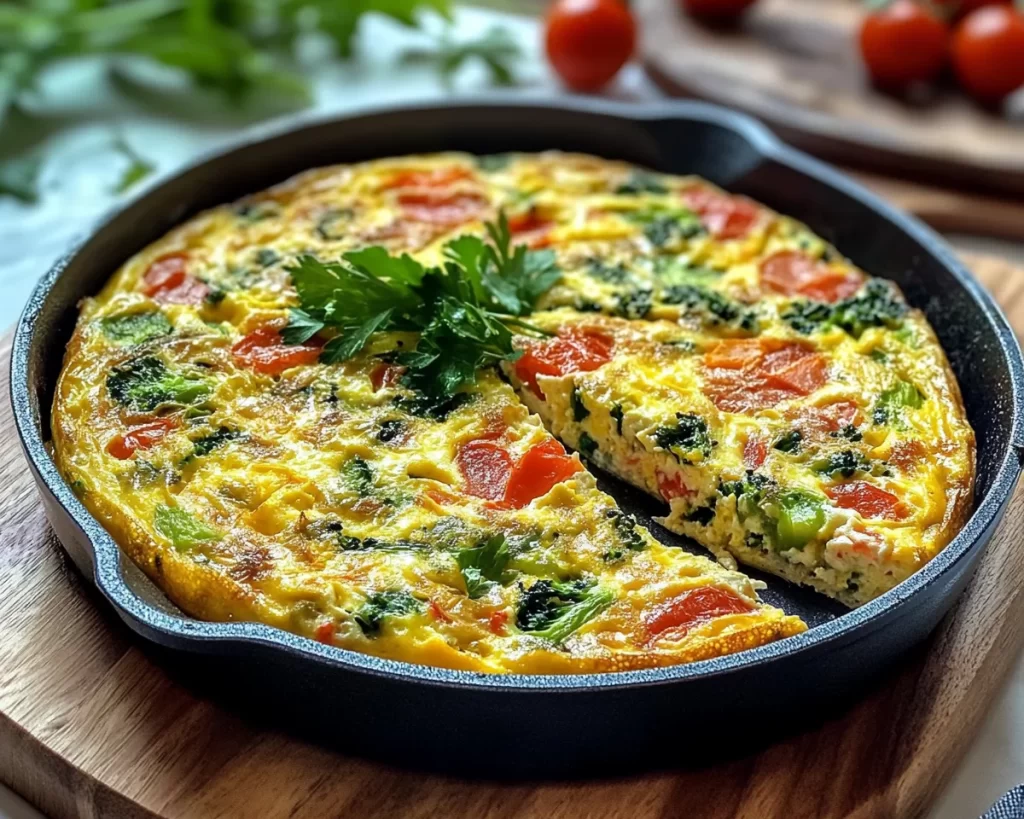
Are you craving a delicious meal that’s both nourishing and effortless? Look no further than the Frittata Recipe with Mixed Veggies. This easy baked dish is perfect for busy weekday mornings, elegant brunches, or even a light dinner that can please the whole family. Picture a fluffy and flavorful custard filled with vibrant, fresh vegetables and maybe even some cheese, creating a perfect balance of richness and lightness. The beauty of this dish lies not just in its taste but also in its versatility and ability to accommodate various dietary preferences.
In this article, you will learn everything about preparing a wonderful Frittata with Mixed Veggies, including tips to achieve the perfect texture, flavorful ingredient suggestions, and ways to customize it to your liking. Whether you’re aiming for a low-carb option or looking to use up leftover veggies, this dish is designed to inspire creativity in your kitchen.
What Is Frittata Recipe with Mixed Veggies (Easy Baked)?
Frittata is an Italian dish similar to an omelet, but it’s cooked more like a crustless quiche, allowing for a fluffier texture and richer flavors. The origins of the frittata date back to the early 20th century in Italy, where it was a meal mainly prepared to use up leftover ingredients. The hallmark of any frittata is its ability to showcase a variety of vegetables, meats, and cheeses, which not only enhance the dish’s flavor but also contribute to its nutritional value.
When you take a bite of a well-made frittata, you’ll experience a delightful combination of lightness and richness. The eggs create a gentle embrace around the vegetables, and the gentle baking process allows the flavors to meld beautifully. Each piece is filled with soft, velvety textures punctuated by the crunch of fresh veggies, giving your palate an exciting experience.
Why You’ll Love This
This Frittata Recipe with Mixed Veggies is beloved for numerous reasons. First and foremost, it’s incredibly flavorful while remaining nutritious; loaded with various veggies, it makes it a perfect, health-conscious meal. The ease of preparation means that even beginner cooks can master it with confidence! If you’re on a budget or looking to minimize waste in your kitchen, it serves as an excellent way to incorporate leftover vegetables, making it a sustainable option.
A common misconception about frittatas is that they require culinary skills beyond the average home cook, but in reality, they are approachable and easy to master. All you need is an oven-safe skillet, eggs, and your favorite vegetables. You can create a scrumptious meal in no time! Additionally, if you have specific dietary preferences, you can easily modify the ingredients without compromising on taste.
Ingredients You’ll Need
- 8 large eggs: The base of the frittata, eggs provide structure and protein. For a lower fat variation, you can substitute a couple of whole eggs with egg whites.
- 1 cup of bell peppers: Chopped into small pieces, they add sweetness and color. Feel free to substitute with seasonal peppers.
- 1 cup of spinach or kale: These leafy greens bring freshness and nutritional value. You can use frozen spinach, but be sure to squeeze out the excess water.
- 1 small onion: Chopped finely, it gives a great aromatic base. You can also try shallots for a milder flavor.
- 1 cup of cherry tomatoes: Halved and added for a slight acidity and burst of flavor. Substitute with sun-dried tomatoes for a different taste.
- 1 cup of cheese (e.g., feta, cheddar, or mozzarella): Adds creaminess and flavor; feel free to switch to dairy-free cheese if required.
- 1 tablespoon of olive oil: For sautéing the vegetables and enhancing flavors; avocado or coconut oil can work as substitutes.
- Salt and taste: Essential for flavor balancing, but season according to your preference.
- Pepper and optional spices: Add black pepper for heat, and consider spices like paprika or Italian herbs for added flavor.
Each ingredient plays a critical role in the final result, contributing not only to the flavor but also to the texture and nutrition of your frittata.
How to Make
1. **Preheat your oven:** Start by preheating the oven to 350°F (175°C). This is essential for evenly cooking the frittata without drying it out.
2. **Sauté the vegetables:** In an oven-safe skillet, heat 1 tablespoon of olive oil over medium heat. Add the chopped onions and sauté until they become translucent, about 3-4 minutes. This enhances their flavor and sweetness.
3. **Add remaining veggies:** Toss in the bell peppers and cook for an additional 2-3 minutes until they soften slightly. Next, add the spinach and cherry tomatoes, stirring until the spinach wilts. This step not only enhances the taste but showcases beautiful colors.
4. **Whisk the eggs:** In a separate bowl, crack the 8 large eggs and whisk them until fully combined. It’s essential to incorporate air into the eggs, helping your frittata rise beautifully in the oven.
5. **Combine:** Pour the whisked eggs over the sautéed vegetables in the skillet. Use a spatula to stir gently to combine and ensure even distribution of veggies throughout the mixture.
6. **Add cheese and seasoning:** Sprinkle your choice of cheese throughout the egg and veggie mixture. Season with salt and pepper to taste. This step is crucial for balancing flavors as cheese enhances the creaminess of the frittata.
7. **Bake in the oven:** Transfer the skillet to the preheated oven and bake for 20-25 minutes or until the eggs are set and lightly golden. You can check by inserting a toothpick into the center; it should come out clean.
8. **Cool and serve:** Once baked, let the frittata cool for a few minutes before slicing. This will help it set further and make it easier to serve.
The timeless combination of flavors and textures will have you coming back for more!
Variations & Substitutions
Vegetarian Delight: If you’re aiming for a vegetarian option, stick solely to plant-based ingredients. You might enjoy incorporating seasonal vegetables such as zucchini or asparagus, which bring mild flavors and a great texture without overpowering the other ingredients. You can also toss in herbs like basil or parsley for added freshness.
Protein-Packed Version: For those looking to increase their protein intake, consider adding cooked sausage or bacon pieces. The savory, smoky flavors from the meat will enrich the overall taste and add a delightful contrast to the tender veggies. Just be sure to cook the meat beforehand and drain the excess grease before adding it to the egg mixture.
Low-Carb Alternative: If you’re on a low-carb diet, replace potatoes or other starchy ingredients with cauliflower rice or simply go heavy on the greens. This not only keeps the dish lower in carbohydrates but adds volume and nutrition. You may also use more eggs to ensure it remains rich and filling.
Dairy-Free Option: For those with lactose intolerance or following a dairy-free lifestyle, you can easily substitute your favorite dairy alternatives such as almond or coconut milk in place of regular milk and use non-dairy cheese. This will ensure you don’t feel left out while still enjoying this wonderful dish.
Each variation opens the door to countless flavor profiles, encouraging you to explore and experiment with your Frittata Recipe.
Common Mistakes to Avoid
When making a frittata, several common pitfalls can lead to disappointing results. One major mistake is **overcooking the eggs**. This can make them rubbery and unappetizing, so always keep an eye on your frittata while it’s baking, checking for doneness at the 20-minute mark.
Another mistake is **overloading with vegetables**. While it might be tempting to add every veggie you have on hand, remember that too much moisture can result in a soggy frittata. Consider sautéing your veggies first to reduce their water content.
Lastly, don’t forget about seasoning! Under-seasoning your frittata can lead to a bland dish. Always taste as you go, but also remember that flavors deepen during baking. Don’t hesitate to sprinkle a bit of salt or herbs before serving.
Storage, Freezing & Reheating Tips
Once you’ve prepared this delightful frittata, you may not finish it all in one sitting—and that’s okay! It keeps wonderfully when it comes to storage. Allow the frittata to cool completely before transferring it to an airtight container. Properly stored, it can last in the refrigerator for up to 5 days without losing flavor or texture.
If you want to keep it longer, consider **freezing** the frittata. Slice it into individual portions before wrapping each slice tightly in plastic wrap and placing it in a freezer-safe bag. This way, you can easily pull out a piece for a quick breakfast or snack. Frozen frittatas can last for up to 3 months.
When you’re ready to eat, thaw it overnight in the refrigerator or microwave it on low, ensuring you do not overheat it. A quick trip in a preheated oven will also rejuvenate its fluffiness and flavor.
Additionally, always be sure to adhere to food safety best practices. Make sure not to leave the frittata at room temperature for more than two hours to ensure it stays safe for consumption.
Frequently Asked Questions
Can I make the frittata ahead of time?
Yes, you can prepare the frittata ahead of time and store it in the refrigerator for up to 5 days. This makes for a convenient make-ahead meal. You can also freeze individual slices for up to three months.
What is the best way to serve a frittata?
Frittata can be enjoyed warm or at room temperature. It’s perfect sliced into wedges and paired with a light salad for a refreshing contrast. You could also serve it with fresh herbs, a dollop of sour cream, or a sprinkle of hot sauce.
Can I add meat to the frittata?
Absolutely! Frittatas are versatile. You can incorporate cooked meats like sausage, bacon, or ham. Just ensure they are cooked beforehand to avoid any issues.
What type of dish is best for baking a frittata?
Using an oven-safe skillet, such as cast iron, is highly recommended for frittatas. These skillets distribute heat evenly and allow for easy stovetop and oven transitions.
Can I use substitutes for eggs?
If you’re looking for an egg substitute, you can use silken tofu blended until smooth, or commercial egg replacers available at most grocery stores. However, the texture and flavor may vary slightly.
Conclusion:
In summary, the Frittata Recipe with Mixed Veggies brings together the best of both worlds: easy preparation and an explosion of flavors. It’s perfect for a variety of occasions—from breakfast to dinner—and offers endless customization options to fit your preferences. I encourage you to try this recipe, experiment with different ingredients, and make it your own. Your family and friends will be sure to enjoy every delightful bite. Enjoy your cooking journey and don’t forget to share your frittata masterpieces!