Prep time: 15 minutes
Cook time: 25 minutes
Total time: 40 minutes
Servings: 6 servings
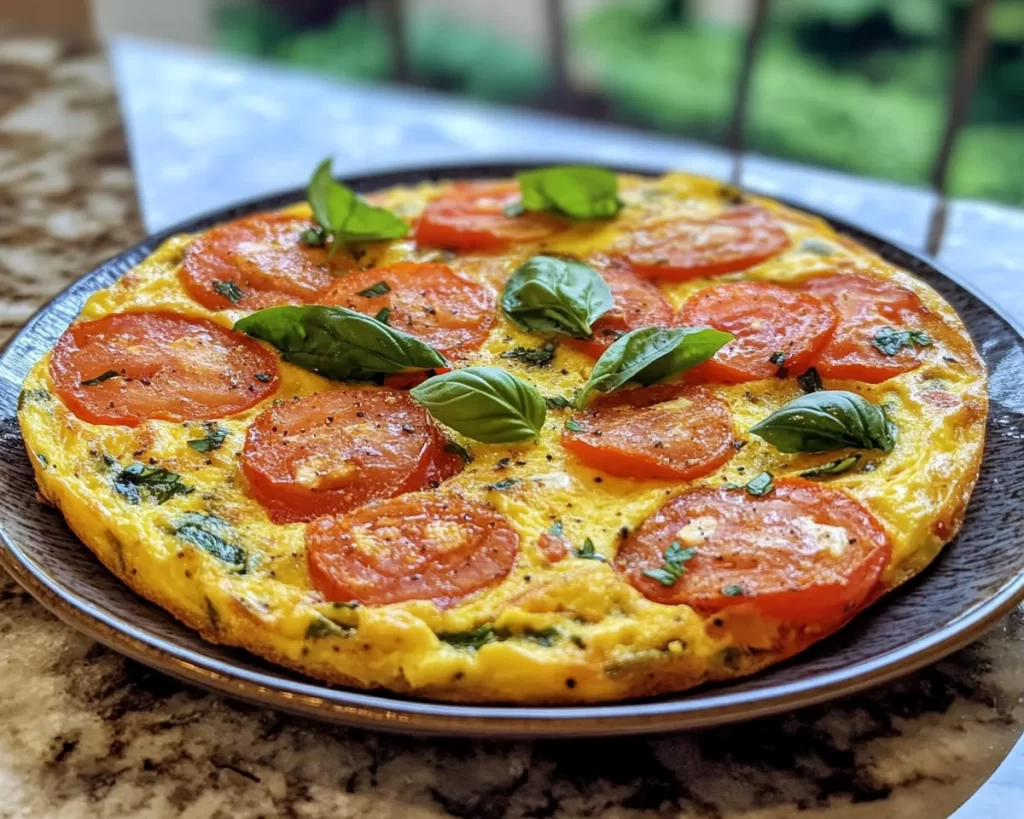
Imagine waking up to the aroma of freshly baked eggs, with a golden crust cradling plump tomatoes and fragrant basil. This is not just any ordinary breakfast; it’s a frittata that transforms simple ingredients into a delightful meal that can be enjoyed any time of day. Whether you are a busy parent needing something hearty yet quick or someone looking to impress guests with minimal effort, this Frittata Recipe with Tomatoes and Basil will cater to all your needs.
What makes this recipe truly special is its versatility. You can customize it with different ingredients according to your pantry and taste preferences. The process is easy, requiring no special equipment or skills — just a whisk, a skillet, and your love for good food. This article will guide you through the creation of this delightful dish, covering everything from preparation and cooking tips to variations that can cater to various dietary needs.
What Is Frittata Recipe with Tomatoes + Basil (Fresh Flavor)?
Frittata, a staple in Italian cuisine, is a type of open-faced omelet that is often seen as a dish that encourages creativity and experimentation. Originating from the Latin word “fricta,” meaning fried, a frittata takes eggs as its base and combines them with a variety of ingredients, creating a visually stunning and flavor-packed dish. Unlike a traditional omelet, where ingredients are folded into the eggs, a frittata allows the ingredients to be mixed in right from the beginning and cooked until some parts are set while others remain deliciously moist.
The combination of **tomatoes** and **basil** adds a wonderful burst of freshness, making each bite incredibly satisfying. Plump and juicy tomatoes provide sweetness and acidity, which contrast beautifully with the earthy notes of basil and the richness of the eggs. The texture is light and fluffy yet substantial enough to feel like a fulfilling meal. You can serve it hot, warm, or even at room temperature, making it an ideal dish for breakfast, brunch, or a light dinner.
Why You’ll Love This
One of the main reasons you will fall in love with this frittata is its **delicious flavor**. The harmonious blend of eggs, tomatoes, and basil makes every bite a treat for your taste buds. Additionally, this dish is incredibly **easy to prepare**, requiring minimal cooking skills. If you are new to cooking, this is a fantastic recipe to start with, as it builds confidence while yielding a delightful end product.
Cost-effectiveness is another advantage of this recipe. With just a few basic ingredients, you can create a filling dish that can feed an entire family without breaking the bank. The health benefits are noteworthy, as eggs serve as a great source of protein and the colorful tomatoes add antioxidants and vitamins. Plus, you can easily customize the frittata to suit dietary preferences and nutritional needs.
Another plus point is its **versatility**. You can enjoy it for breakfast, lunch, or dinner, and it pairs well with a variety of sides. Serve it with a fresh salad for lunch or as part of a brunch spread with coffee. It can also be sliced into wedges for an easy potluck or picnic meal. Overall, it’s a versatile dish that meets various dining needs, making it a must-try in your kitchen.
Ingredients You’ll Need
- 8 large eggs
- 2 cups cherry tomatoes, halved
- 1 cup fresh basil leaves, chopped
- 1/2 cup onion, diced
- 1/2 cup milk
- 1 cup shredded mozzarella cheese
- Salt and pepper, to taste
- 2 tablespoons olive oil
Each ingredient in this recipe plays a crucial role. The **eggs** are the foundation, providing richness and a creamy texture that binds everything together. For a fluffier frittata, try using **fresh eggs** if you can. The **cherry tomatoes** not only add sweetness but also offer hydration and acidity, balancing the dish beautifully. The **fresh basil leaves** provide an aromatic touch that elevates the overall flavor profile; dried basil can be used as a substitute, but fresh basil is always recommended for the best results.
Onions bring a hint of sweetness and depth. You can easily swap them for shallots or even garlic based on your taste preferences. The addition of **milk** makes the frittata extra creamy, but you can substitute it with your choice of milk or milk alternative. The **mozzarella cheese** adds a melty, gooey texture and can be replaced with other types of cheese, such as cheddar or feta, to personalize the flavor. Finally, seasoning with **salt and pepper** allows you to tailor the dish’s flavor to your liking.
How to Make
1. Preheat the Oven: Start by preheating your oven to 375°F (190°C). This ensures that your frittata cooks evenly and develops that beautiful golden crust.
2. Prepare the Ingredients: While your oven is heating, chop the cherry tomatoes in half and dice the onions. If you haven’t done so already, wash and chop your fresh basil leaves. Having everything ready will make the cooking process smoother.
3. Whisk the Eggs: In a large bowl, crack the eight eggs and pour in the milk. Whisk them together until fully combined. You want the mixture to be uniform in color with no streaks of egg yolk visible. This step is crucial for achieving a fluffy consistency.
4. Sauté the Onions: In a large, ovenproof skillet, heat olive oil over medium heat. Once hot, add the diced onions and sauté for about 3-5 minutes until softened and translucent. Be careful not to brown them; you just want them to meld into the dish.
5. Add Tomatoes: After the onions are soft, add the halved cherry tomatoes to the skillet. Cook them for about 3-4 minutes until they start to soften. The colorful tomatoes will become tender and release their juices, adding flavor to the frittata.
6. Combine Ingredients: Pour the egg mixture into the skillet with the onions and tomatoes. Gently stir in the chopped basil and mozzarella cheese. Season this mixture with salt and pepper to taste. You want to ensure that every element is well combined for balanced flavors.
7. Cook on the Stovetop: Let the frittata cook on the stovetop over medium heat for about 4-5 minutes. This helps set the bottom before moving to the oven. You can see the edges start to firm up while the middle remains slightly runny.
8. Bake in the Oven: Transfer the skillet to the preheated oven. Bake for 15-20 minutes or until the frittata is puffed and golden brown. A toothpick inserted into the center should come out clean. Keep an eye on it to avoid overcooking.
9. Cool and Slice: Once done, remove the frittata from the oven and let it cool for a few minutes. This makes slicing easier. Use a sharp knife to cut it into wedges or squares.
10. Serve: Serve warm or at room temperature with a sprinkle of fresh basil or a dollop of sour cream. This frittata pairs beautifully with toasted bread or a light salad, making it ideal for any meal.
Variations & Substitutions
Vegetable Medley Variation: If you’re looking to throw in some more veggies, consider a vegetable medley variation. You can add spinach, bell peppers, or mushrooms for added nutrition and flavor. This variation is excellent for those who are vegetarian or simply looking to incorporate more vegetables into their meals. The texture will change slightly depending on what you choose, but it will still be equally delicious!
Herbed Frittata Variation: If you love fresh herbs, substitute the basil with dill, parsley, or thyme. Each herb imparts a different flavor profile that can elevate the dish further. This option is ideal for those experimenting with various herbs and seeking to tweak flavors according to personal preference.
Cheese Lovers Variation: For the cheese enthusiasts, feel free to swap in your favorite varieties. Cheddar, feta, or goat cheese can be great alternatives that will change the flavor profile entirely. Remember, though, that different cheeses can vary in saltiness, so adjust your seasoning accordingly. This version is a true delight for those who can’t get enough cheesy goodness!
Meat Lovers Variation: If you want a heartier meal, consider adding cooked bacon, ham, or sausage. Sautéing them first creates a wonderful depth of flavor and makes for a comforting version of the frittata. This variant is perfect for those who want a protein boost in their meal.
Gluten-Free Variation: This recipe is inherently gluten-free, but if you’re serving it for guests with dietary restrictions, be sure all your ingredients—especially any additional toppings—are certified gluten-free. This is an excellent option for anyone looking to cater to those with celiac disease or gluten sensitivity.
Common Mistakes to Avoid
One of the most common mistakes is **overcooking the eggs**. For a perfect frittata, aim for a slight wobble in the center; it will continue to cook as it cools. Another error is not properly seasoning the dish. Eggs benefit from seasoning, so careful attention to salt and pepper is crucial to enhance the flavors.
Moreover, if you overcrowd the skillet with too many ingredients, you might not get the nice texture we all love in a frittata. Keep in mind that each ingredient needs space to cook properly, so balance is key. Lastly, some cooks tend to skip preheating the oven. Not allowing your skillet to warm up can lead to uneven cooking, resulting in mushy eggs rather than fluffy perfection.
Storage, Freezing & Reheating Tips
Storing a frittata is straightforward. If you have leftovers, let them cool completely before transferring them to an airtight container. You can keep it in the refrigerator for up to 3-4 days, making it perfect for meal prep. If you want to store it longer, you can freeze slices in individual ziplock bags. When stored carefully, a frittata can last for about 2-3 months in the freezer.
When it’s time to reheat, consider using the oven rather than the microwave to maintain the frittata’s texture. Preheat your oven to 350°F (175°C), and place the frittata on a baking sheet for about 10-15 minutes, or until heated through. If you’re reheating in the microwave, cover it with a damp paper towel and heat in short intervals to avoid rubbery eggs.
Always adhere to food safety best practices, especially when storing. If your frittata looks or smells weird, it’s better to be safe and dispose of it. Keep an eye out for any changes in texture or color, as these can indicate spoilage.
Frequently Asked Questions
Can I make the frittata ahead of time?
Yes, frittatas are perfect for meal prep! You can cook it a day ahead, and store it in the fridge. When you’re ready to serve it, just reheat in the oven or microwave.
What kind of skillet is best for frittatas?
For best results, use a cast-iron or nonstick skillet. These materials ensure even cooking and prevent the frittata from sticking to the pan.
Can I make a frittata without dairy?
Absolutely! You can replace milk with a non-dairy alternative like almond or soy milk. You might also consider using silken tofu for a creamy texture.
Can I add spices to the frittata?
Certainly! Feel free to add spices like paprika, chili powder, or even cayenne pepper for a kick of flavor. Just remember to adjust the quantity according to your taste.
What’s the difference between a frittata and a quiche?
The primary difference lies in the crust. A quiche is baked in a pastry shell, while a frittata is crustless. Frittatas are often lighter and easier to prepare, which makes them a great choice for quick meals.
Conclusion:
In summary, this Frittata Recipe with Tomatoes and Basil is a delightful addition to any meal. Its robust yet fresh flavors, ease of preparation, and adaptability make it a kitchen staple that you’ll want to keep coming back to. Whether you’re enjoying it for breakfast with your family or serving it as a brunch centerpiece at your next gathering, it’s sure to impress. Don’t hesitate to try different ingredients, making it uniquely yours. Share your creations and inspire others to dive into the delicious world of frittatas. Happy cooking!