Prep time: 10 minutes
Cook time: 0 minutes
Total time: 10 minutes
Servings: 1 cup
If you’ve ever found yourself standing in the condiment aisle, lost between the rows of store-bought mayonnaise, you are not alone. Many home cooks yearn for that perfect balance of creamy richness and tangy flavor that only homemade mayonnaise can offer. With the power to customize it to your taste, this culinary delight not only elevates sandwiches and salads but also shines in dips and dressings. The beauty of making your own mayonnaise is not only in its flavor but also in knowing exactly what goes into it—just a few simple ingredients whisked together create a creamy wonder that can transform any meal.
This article will guide you through making your very own homemade mayonnaise. You’ll learn about the essential ingredients, the step-by-step process, clever variations, and tips for success. Get ready to impress family and friends with your skill in the kitchen, and enjoy the satisfying journey of whipping up this delightful condiment.
What Is Homemade Mayonnaise?
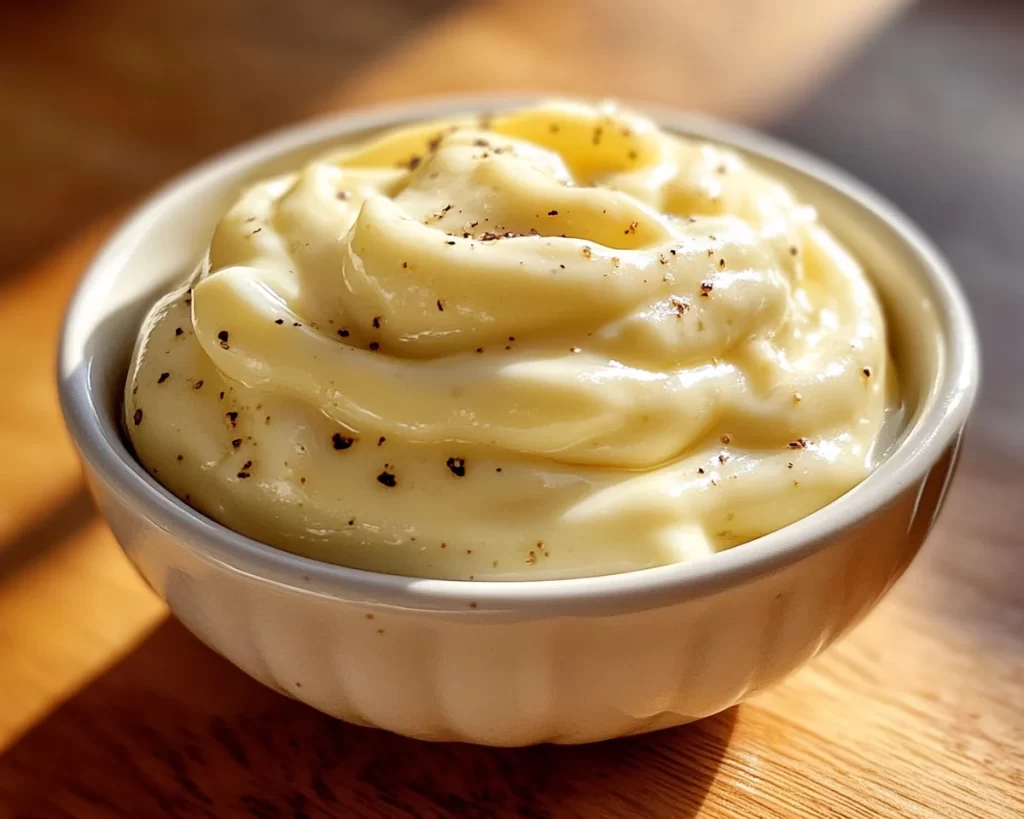
Mayonnaise, often called mayo, is a thick and creamy condiment that has a rich history dating back to the 18th century in France. Traditionally, it’s made by emulsifying oil with egg yolks and a sour component like vinegar or lemon juice. The result is a luxurious, velvety texture and a flavor that is both rich and tangy. The interplay of these ingredients creates an emulsion, where tiny droplets of oil are dispersed within the egg yolk, resulting in that characteristic creamy consistency.
The flavor of homemade mayonnaise is distinctively fresh, far surpassing the often overly sweet or bland options found in commercial products. You can taste the difference, as homemade varieties possess a bright tartness that can be tailored to your liking. Imagine a dollop of this creamy goodness on your favorite sandwich, or as a base for a refreshing potato salad—it’s hard not to crave it!
The simplicity of making mayonnaise at home means that you can experiment with flavors and adjust the taste to your preference. Whether you want it spicier, zestier, or herb-infused, the options are nearly limitless.
Why You’ll Love This
There are numerous reasons to love making your own homemade mayonnaise. First and foremost is the incredible taste; each bite is a testament to your culinary skills, with a freshness that store-bought options simply cannot replicate. You control the ingredients, enabling you to eliminate preservatives and additives often found in commercial mayonnaise. Plus, making mayonnaise is easy and quick, allowing you to whip up a batch in just 10 minutes.
Many believe that making mayonnaise is a daunting task reserved for professional chefs. However, with a few tips and the right technique, anyone can achieve success in their own kitchen. Compare the cost of quality mayonnaise from the store, and you’ll find that homemade is surprisingly economical, especially considering the outstanding flavor. Additionally, it’s versatile; you can blend in flavors like garlic for aioli or herbs for a fresh twist, adapting it to suit various dishes and dietary needs.
Finally, it’s perfect for busy parents and beginner cooks alike. Once you’ve mastered the basic recipe, you can create fantastic variations that cater to your family’s preferences.
Ingredients You’ll Need
To make homemade mayonnaise, you will need the following ingredients:
- 1 large egg yolk – The base of the emulsion, it provides richness and stability.
- 1 tablespoon Dijon mustard – Adds flavor and assists in emulsifying the oil.
- 1 tablespoon white wine vinegar or lemon juice – Provides acidity and brightness to balance the richness.
- 1 cup neutral oil (like canola or grapeseed) – The primary fat for the emulsion; neutral oils work best for versatility.
- Salt, to taste – Enhances flavor; start with a pinch and adjust as needed.
The egg yolk is critical for the emulsion process; without it, your mayonnaise will not come together. Choose the freshest eggs for the best flavor and texture. Dijon mustard not only adds a zesty kick but also helps stabilize the emulsion. For the oil, opt for a neutral-flavored one so the mayonnaise can shine without additional flavors overshadowing it. Exciting variations such as using olive oil will give a distinct taste but may not yield the same creamy texture you’re accustomed to.
How to Make
Now that you have gathered your ingredients, let’s dive into the step-by-step instructions to create your very own homemade mayonnaise.
- Prepare Your Equipment: Before beginning, ensure you have a clean, dry bowl and a whisk or an immersion blender. For beginners, an immersion blender can simplify the process and achieve the perfect emulsion.
- Combine Egg Yolk and Mustard: In your mixing bowl, whisk together the egg yolk and Dijon mustard until fully combined. This mixture will become the base for your mayonnaise and is crucial for the emulsification process.
- Add Acidity: Pour in the white wine vinegar or lemon juice. This step not only introduces acidity but also helps bind the ingredients together. Whisk this addition in until well combined, forming a smooth mixture.
- Start Drizzling in Oil: Begin adding the oil very slowly, almost droplet by droplet, while whisking continuously. This gradual incorporation is essential for the emulsion to form; too much oil too quickly can cause the mixture to break. You should see the mixture starting to thicken.
- Increase Oil Addition: Once the mixture begins to thicken, you can speed up the oil pouring slightly but maintain a steady stream. Continue to whisk vigorously—at this point, the mixture will start to emulsify and transform into a creamy spread. This process generally takes 3-4 minutes.
- Season to Taste: Once all the oil is incorporated and your mayonnaise is thick and glossy, taste your creation and add salt as desired. You can also adjust the acidity by adding more vinegar or lemon juice depending on your preference.
- Store It Safely: Transfer your homemade mayonnaise into an airtight container and refrigerate. It will keep for about a week, allowing you to enjoy its freshness in various dishes.
Making homemade mayonnaise is a straightforward and rewarding process. The texture should be thick and creamy, perfect for slathering on sandwiches or using in salads. Don’t worry if it seems challenging at first; like any skill, it improves with practice.
Variations & Substitutions
Herbed Mayonnaise: For a refreshing twist, consider adding fresh herbs to your mayonnaise. Finely chop herbs like basil, dill, or parsley and whisk them into the mayonnaise after the emulsification is complete. This variation adds vibrant flavor and can pair beautifully with fish or grilled meats.
Garlic Aioli: If you’re a fan of garlic, this variation will take your mayonnaise to new heights. Simply mash a clove or two of garlic into a paste and incorporate it into the egg yolk along with the mustard before adding your oil. This creates a rich and flavorful aioli perfect for dipping fries or spreading on burgers.
Spicy Mayonnaise: For those who enjoy a bit of heat, mix in a spoonful of sriracha or your favorite hot sauce into the mayonnaise after it’s made. This spicy condiment works wonders on sandwiches, grilled chicken, or even as a zesty dip for fresh vegetables.
Vegan Mayonnaise: If you’re looking for an egg-free option, you can replace the egg yolk with aquafaba (the liquid from a can of chickpeas). Follow the same process to emulsify your ingredients. This variation maintains the creamy texture and is perfect for vegans or anyone avoiding eggs.
Mustard Mayonnaise: For an even bolder flavor, try increasing the mustard quantity in the base mixture. This variation is excellent for deviled eggs or as a zesty dressing for potato salad.
Common Mistakes to Avoid
Making homemade mayonnaise is generally straightforward, but there are common pitfalls to be aware of. One significant mistake is adding the oil too quickly, which can cause the emulsion to break. If this happens, your mixture will look curdled rather than creamy. To fix this, start again with a fresh egg yolk in a clean bowl and gradually add the broken mayonnaise to it while whisking – it should come together beautifully.
Another common issue is using cold ingredients. If any of your components are too cold, it may prevent proper emulsification. To avoid this, let your eggs and oils come to room temperature before you start your preparation.
Also, be mindful of the ratio of oil to egg yolk. Too much oil can result in a thick mayonnaise that doesn’t whip up well, while too little oil leads to a runny consistency. Following the prescribed measurements ensures the right texture and flavor.
Storage, Freezing & Reheating Tips
Homemade mayonnaise is best enjoyed fresh, but you can store it in an airtight container in the refrigerator for up to a week. Make sure your storage container is clean to prevent bacteria growth. If you observe any separation or bad smells, it’s best to discard the mayonnaise.
While it is not recommended to freeze mayonnaise, it may be refrigerated for short durations. However, freezing alters the texture significantly, so it’s advisable to make only as much as you anticipate using within the week.
When you’re ready to enjoy your mayonnaise again, give it a quick stir if some separation has occurred. You can easily incorporate it back to its creamy state with just a few swift movements.
Frequently Asked Questions
Can I use other types of oil besides neutral oils? Yes, you can use different oils, but it’s essential to consider their flavor profiles. Olive oil will yield a more robust taste that some may find overpowering in its intensity. Experiment with blended oils to achieve a balance.
What can I do if my mayonnaise doesn’t thicken? If your mixture doesn’t thicken, it might be that the oil was added too quickly or the egg yolk wasn’t properly emulsified. You can try adding a new egg yolk and whisking the broken mayonnaise into it gradually to recover the emulsion.
Is it safe to eat homemade mayonnaise? Yes, as long as you use fresh eggs and handle the mayonnaise safely. Consider using pasteurized eggs to further reduce the risk of salmonella, especially if serving to pregnant women or those with weakened immune systems.
Can I use a food processor to make mayonnaise? Absolutely! A food processor can make the process even easier. Just add your egg yolk, mustard, and vinegar or lemon juice, then process for a few seconds before gradually pouring the oil in with the processor running until you achieve the desired consistency.
How can I customize the flavor of my mayonnaise? There are countless ways to enhance your homemade mayonnaise. You can infuse it with spices, add different types of vinegar, or even incorporate ingredients like roasted red peppers or chipotle to create unique flavor profiles that suit your dishes beautifully.
Conclusion:
In summary, making homemade mayonnaise is an easy and rewarding endeavor that opens doors to a world of culinary creativity. With just a handful of ingredients and a few minutes of your time, you can create a condiment that elevates many meals, ensuring fresher, tastier results. Don’t hesitate to explore the different variations and substitutions tailored to your tastes or dietary needs. So why not give it a try? You might just find your new favorite condiment waiting to enhance your recipes. Enjoy your journey in the kitchen, and feel free to share your homemade mayonnaise creations with family and friends.