Prep time: 5 minutes
Cook time: 1 minute
Total time: 6 minutes
Servings: 1 cup
There’s nothing quite like the taste of fresh homemade mayonnaise. Imagine taking that first bite — the creamy texture, the rich flavor bursting with freshness. For many, store-bought mayo can seem convenient, but it often lacks the taste and quality of homemade versions. Perhaps you’ve experienced that sad moment when you realize your mayonnaise has gone sour in the fridge, or maybe you’ve felt the frustration of not finding one that meets your health goals. This recipe for Homemade Mayonnaise (Blender Mayo in 60 Seconds) will not only save you time but can also elevate your sandwiches, salads, and more to an entirely new level.
In this article, you’ll learn exactly how to whip up your own mayonnaise in just 60 seconds using a few simple ingredients and a blender. You’ll not only discover the taste and texture differences but also the immense satisfaction that comes from making your condiment from scratch. Along the way, I’ll offer helpful tips, variations for different diets, and strategies to avoid common pitfalls that might arise during your culinary adventure in mayonnaise-making.
What Is Homemade Mayonnaise (Blender Mayo in 60 Seconds)?
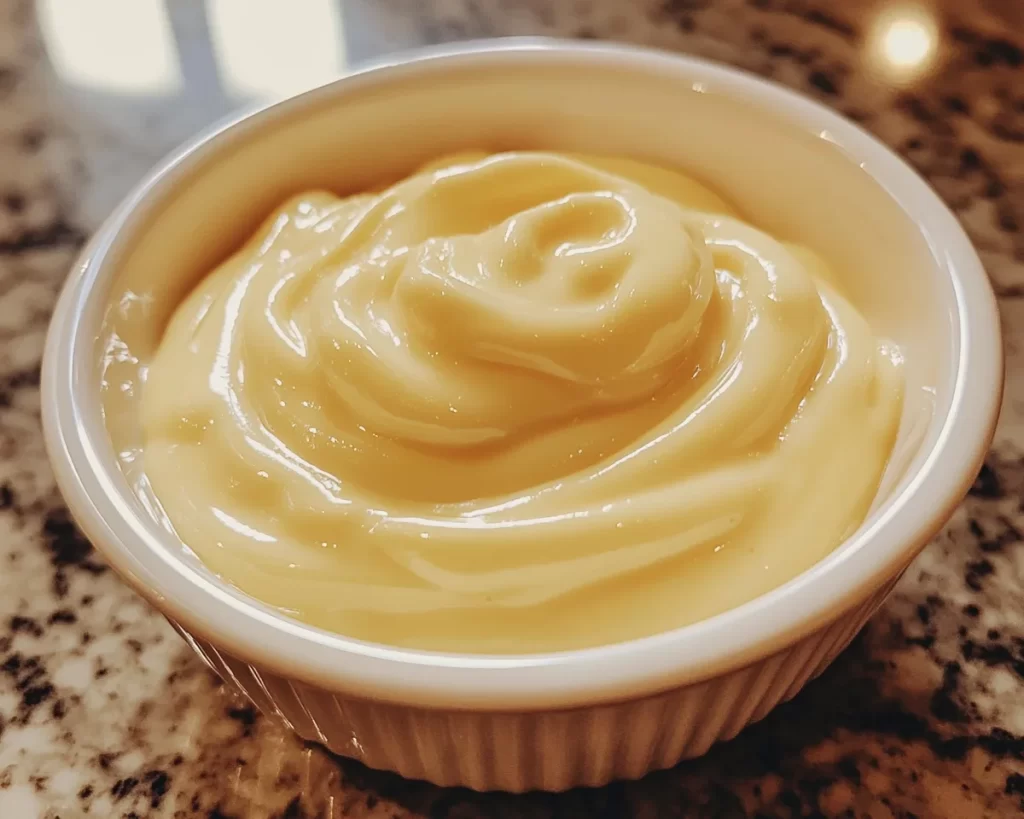
Homemade mayonnaise is a creamy emulsion made primarily from oil, egg yolk, and acid like vinegar or lemon juice. Its origins can be traced back to the Mediterranean region, where it quickly evolved into a staple condiment in various cuisines. The texture of homemade mayonnaise is velvety and smooth, unlike many commercial products that can lack the freshness and depth of flavor.
With homemade mayonnaise, you’re in control of the ingredients. You choose the oil, the type of acid, and you can even add spices or herbs to create unique flavors tailored to your preferences. This incredible versatility allows you to transform a basic condiment into something special — be it garlicky, herbal, or something zesty. The taste alone is a world apart from its store-bought counterparts, giving your dishes a *freshness* and *brightness* that will leave everyone asking for more.
Making mayonnaise at home has another significant benefit: it takes mere minutes. In just about a minute of blending, you can produce a cup of mayonnaise with unparalleled flavor and no artificial ingredients. You may even find that once you start, you’ll want to make this blender mayo a regular item in your kitchen repertoire.
Why You’ll Love This
There are countless reasons to embrace homemade mayonnaise. Firstly, the taste is just phenomenal. It’s far richer than anything you can buy in a jar, with a depth that you simply can’t replicate with store-bought mayo. Plus, it’s adaptable. You can create your own signature mayonnaise with various flavorings—think chipotle, roasted garlic, or even sriracha for that added kick.
Another significant advantage is the cost. Ingredients like eggs, oil, and vinegar are inexpensive and can yield more mayo than you would typically buy for the same price. For busy parents looking to provide nutritious meals without overspending, this homemade version not only tastes great but fits into a budget-friendly meal prep plan.
Additionally, making your own mayonnaise allows you to cater to health concerns and dietary preferences. If you’re cutting out sugar, avoiding preservatives, or looking for vegan alternatives, the options are endless with homemade mayo. Even if you’re on a specific diet, the ability to customize your mayonnaise opens doors to enjoying its delightful flavor in a way that suits your lifestyle.
Many people worry that making mayonnaise is a complex process, but it’s actually straightforward. The method I’ll share uses a blender, minimizing the effort required while maximizing the speed of preparation. Don’t let fear of failure hold you back—many of us have experienced kitchen mishaps, but this recipe is forgiving and easy to master.
Ingredients You’ll Need
- 1 large egg yolk — Acts as the emulsifier to bind the ingredients.
- 1 tablespoon vinegar or lemon juice — Adds the necessary acidity for flavor and helps in the emulsion process.
- 1 cup oil (e.g., canola, avocado, or olive oil) — Provides the rich, creamy base for your mayonnaise.
- 1 teaspoon mustard (Dijon is preferred) — Gives flavor and helps with emulsification.
- Salt to taste — Enhances flavor and balances the tanginess.
- Optional spices or herbs — Such as garlic powder, black pepper, or fresh herbs, to customize flavors.
Each of these ingredients plays a critical role in creating that lusciously creamy texture and deep flavor. The egg yolk, for example, contains proteins and emulsifiers that work to bind the oil and vinegar together into a smooth mixture, crucial for your success. The kind of oil you choose can significantly change the taste; preferring a lighter oil yields a milder taste, while heartier oils add a robust flavor.
When you’re out shopping for ingredients, don’t hesitate to reach for good-quality oils. Since oil is the primary ingredient, its flavor will impact your mayonnaise. For an even richer taste, consider using a high-quality olive oil, but remember it will impart a distinct flavor. Should you prefer a more neutral taste, oil options like grapeseed or sunflower work wonderfully as substitutes.
How to Make
Making mayonnaise may seem intimidating, but with this quick method, you’ll be doing it like a pro in no time. Follow these easy steps for delicious homemade mayonnaise:
- Start by gathering all your ingredients on the kitchen counter. Having everything within reach makes the process smoother and faster.
- In your blender pitcher, add one large egg yolk, one tablespoon of your chosen vinegar or lemon juice, and one teaspoon of mustard. This base will serve as the foundation for your mayonnaise.
- Blend these initial ingredients on high speed for about 10-15 seconds. You want to get them well combined before adding the oil.
- Now, it’s time to add the oil. With the blender running, slowly drizzle in one cup of oil in a thin, steady stream. This gradual incorporation is essential for achieving the emulsion—the union of fat and liquid into a creamy consistency.
- Watch as your mixture transforms from a thin liquid to a fluffy, thick, homogenous mayonnaise. This should only take around 30 seconds. If it appears too thin, add a little more oil while blending until it reaches your desired consistency.
- Once it’s well mixed, taste your mayonnaise and season it with salt as desired. You can also add extra spices or herbs at this stage for a personalized flair.
Homemade mayonnaise is incredibly versatile, suitable for drizzling on salads, adding to sandwiches, or even as a base for other dips. Take a moment to savor the aroma as you blend; it’s a fragrant bouquet of freshness that will coax your senses and set you up for enjoyment.
Variations & Substitutions
Vegan Mayonnaise
If you follow a vegan lifestyle or have an egg allergy, you can replace the egg yolk with aquafaba, the liquid from canned chickpeas. Use about 3 tablespoons of aquafaba instead of the egg. The process remains the same. You’ll enjoy a similar creamy texture, making this version perfect for plant-based diets.
Herbed Mayonnaise
Easily transform your basic mayonnaise into an herbed delight by adding fresh herbs such as dill, parsley, or basil. Simply chop about two tablespoons of your chosen herbs and mix them in after blending. This variation is delightful as a dip or spread on sandwiches, allowing for seasonal flexibility depending on what’s fresh.
Spicy Mayonnaise
For those who love a kick, you can customize your mayonnaise by adding hot sauce, cayenne pepper, or sriracha. Start with one teaspoon of your desired heat level and mix it in at the end of the blending process. This is fantastic for slathering on burgers or using in spicy dips.
Garlic Mayonnaise (Aioli)
To create a garlicky version, simply add 1-2 cloves of minced garlic to the mixture before blending. You can roast the garlic for a more mellow flavor. This garlic mayonnaise elevates everything from simple sandwiches to gourmet dishes.
Smoky Mayonnaise
If you’re drawn to smoky flavors, try incorporating smoked paprika or a bit of chipotle in adobo sauce into your mayonnaise. A teaspoon or two will provide a deliciously smoky kick, making it a perfect pairing for grilled meats or roasted vegetables.
Each variation allows you to explore new flavors, making your mayonnaise-making adventure as exciting as it is delicious. Don’t hesitate to experiment with ingredients you have on hand to discover your unique favorite blend!
Common Mistakes to Avoid
Making homemade mayonnaise is simple, but there are a few common pitfalls that can trip you up. One of the biggest issues is using ingredients that are too cold. Always ensure your eggs are at room temperature before beginning. Cold eggs can hinder the emulsification process, leading to a mayonnaise that won’t set properly.
Another frequent mistake is adding the oil too quickly. A thin, consistent stream while blending is crucial for developing that creamy texture. If you add the oil too fast, you risk separating the oil and vinegar mixture.
If your mayonnaise ends up thin or breaks, don’t panic. It can often be salvaged by starting again with a new egg yolk in a clean bowl and gradually whisking in the broken mayo. This technique can save your efforts and keep your condiment dreams alive!
Representing a beautiful balance of oil and acid, achieving the perfect emulsion takes practice but is well worth the effort. Trust in your abilities, and you’ll soon have a fabulous mayonnaise to flaunt.
Storage, Freezing & Reheating Tips
When it comes to storing your homemade mayonnaise, the best practice is to keep it in an airtight container in the fridge. Homemade mayonnaise can typically last about one week, so be sure to mark the date you made it for optimal freshness.
Freezing homemade mayonnaise is not recommended, as it can alter the texture and cause separation. If you find yourself with extra mayo, consider turning it into a dip before storing. Simply mix in herbs, spices, or even cheese to create a delicious spread or dressing before putting it in the fridge or using it immediately.
It’s important to always practice good food safety when dealing with raw eggs. If you’re concerned, look for pasteurized eggs or egg substitutes that are treated to reduce the risk of salmonella.
When you’re ready to use your mayonnaise and notice it’s become a bit thicker from refrigeration, simply stir it gently to reincorporate. You can also add a splash of vinegar or lemon juice to loosen it up to your desired consistency.
Frequently Asked Questions
Can I use liquid egg substitute instead of whole egg yolk?
Absolutely! Many people opt for liquid egg substitutes, especially when looking to minimize the use of raw eggs. Ensure that the substitute has emulsifying properties, or follow a recipe designed specifically for liquid egg alternatives. This way, you will be able to achieve that creamy mayonnaise you love.
What type of oil works best for mayonnaise?
The choice of oil heavily influences the flavor of your mayonnaise. Neutral oils such as canola or sunflower allow the acidity to shine, while olive oil adds a fruity note with a slightly bitter undertone. For a different twist, try avocado oil for a buttery finish or grapeseed oil for a light flavor profile.
Can mayonnaise be made without mustard?
Yes, you can definitely omit mustard if you’re not a fan. Mustard acts as an emulsifier and provides flavor, so if you’re leaving it out, consider adding a bit more lemon juice or vinegar to help with the emulsion and ensure a balanced flavor.
Why did my mayonnaise separate?
There are a few reasons your mayonnaise might separate. The most common issues are adding the oil too quickly or starting with cold ingredients. If you find it has separated, you can either try to rescue it by whisking in a new egg yolk or using a stick blender to re-emulsify the mixture.
Can I flavor mayonnaise after I’ve made it?
Definitely! You can add flavorings after your mayonnaise is made. Simple mix-ins like garlic powder, fresh herbs, or spices can add customized flavors. Feel free to experiment to find a combination that suits your taste preferences best.
Conclusion:
Homemade mayonnaise is not just a condiment; it’s a culinary adventure that enables you to create vibrant, flavorful meals. This creamy goodness is easy to make, customizable, and a fantastic way to impress your family and friends. With various adaptations available, you can explore exciting flavor profiles and create something truly unique to your taste. I encourage you to try making your own mayonnaise; you may never want to return to store-bought versions again. Whether you’re crafting a sandwich, dipping vegetables, or adding a touch to your favorite salad, homemade mayonnaise can become your go-to kitchen staple. Give it a whirl, make it your own, and enjoy the mouthwatering difference!