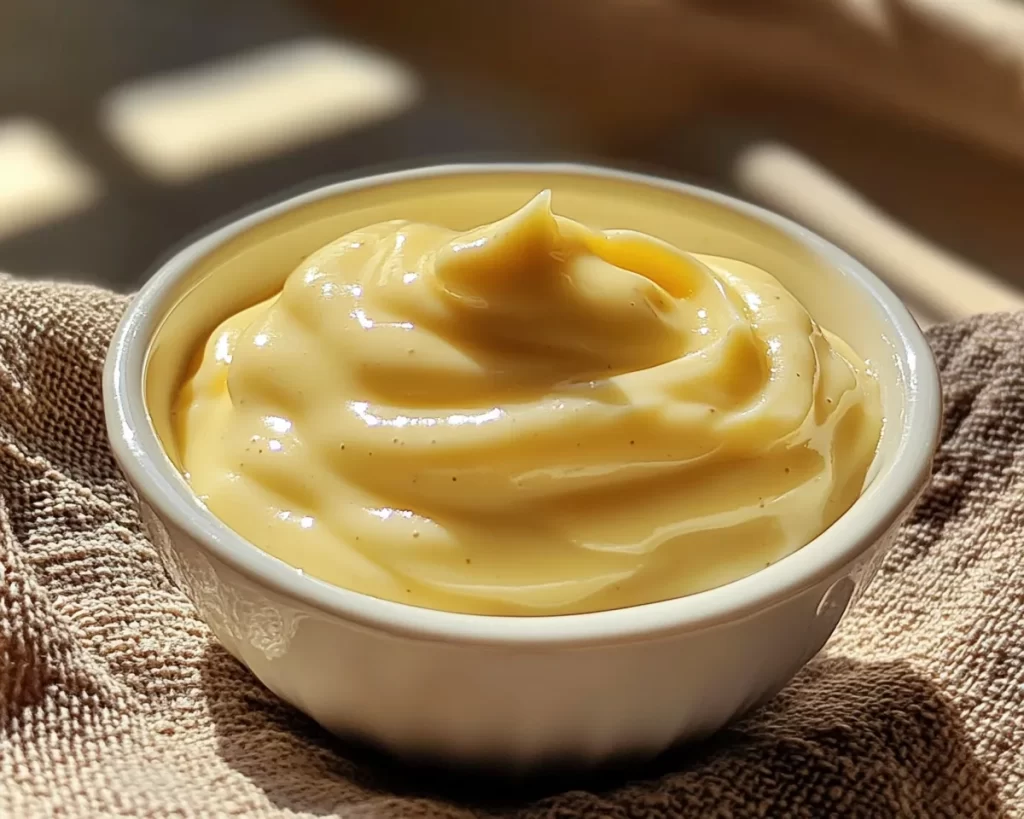
Prep time: 10 minutes
Cook time: 0 minutes
Total time: 10 minutes
Servings: 1 cup
Homemade mayonnaise is an absolute game-changer in the kitchen. Imagine a creamy, rich emulsion spread on a sandwich, or mixed into a fresh salad, delivering unparalleled flavor and texture compared to store-bought options. This recipe for *Homemade Mayonnaise (Creamy No Egg Taste Recipe)* is special because it offers that classic mayonnaise flavor without the use of eggs. It is perfect for those with dietary restrictions or for anyone looking to whip up something quick and easy that’s both delicious and versatile.
In this post, you will learn not only how to make this delightful mayonnaise but also understand the science behind the ingredients. From its creamy texture to its rich taste, I will share various flavorful variations to make it uniquely yours. By the end, you will wonder why you ever settled for store-bought.
What Is Homemade Mayonnaise (Creamy No Egg Taste Recipe)?
Homemade mayonnaise is an emulsion, a mixture of oil and water that typically incorporates egg yolk as an emulsifier. In this *Creamy No Egg Taste Recipe*, we achieve that same delightful creaminess without any eggs. This recipe is not only simple to prepare, but it mimics the rich flavor profile you expect from mayonnaise, making it a fantastic substitute in various dishes.
The origin of mayonnaise is often debated, with many attributing it to French cuisine. Traditionally, it features a smooth, creamy consistency with a slightly tangy flavor profile. The use of lemon juice and vinegar brings a bright zest, which balances the richness of the oils used. When you make your own mayonnaise, you have complete control over the ingredients, allowing for customization to suit your palate while ensuring freshness.
Furthermore, the texture is exceptionally luxurious, making it perfect for a myriad of applications, from sandwiches and dressings to dips and sauces. Whether you spread it on a BLT or mix it into a pasta salad, you’ll appreciate the creamy mouthfeel that only homemade mayonnaise can provide.
Why You’ll Love This
One of the main reasons you’ll love this homemade mayonnaise is its incredible taste. Unlike store-bought versions, which often contain preservatives and artificial flavors, this mayonnaise delivers a fresh, vibrant flavor that enhances any dish. You’ll taste the difference immediately, and your sandwiches, salads, and dips will never be the same.
This recipe is also remarkably easy to prepare. With just a few minutes and a handful of ingredients, you can whip up a batch that will elevate your meals. No more scrambling at the last minute to find a condiment—now you can have homemade mayonnaise ready at your fingertips.
Stored perfectly, this mayonnaise is cost-effective, saving you money in the long run, especially if you use mayonnaise regularly. Why pay for pricey organic versions when you can create the same quality at home? Plus, this version caters well to those with dietary needs, offering a **vegan-friendly** alternative.
Many people believe that homemade mayonnaise is tricky to prepare, but I assure you, with the right techniques and guidance, you’ll see it’s straightforward. You can avoid the common pitfalls associated with emulsifying by following a few easy steps. It’s a great talking point at gatherings, showcasing your skill and creativity in the kitchen.
Ingredients You’ll Need
- 1 cup sunflower oil – This neutral oil is perfect for mayonnaise. It won’t overpower the flavor and helps create that rich texture. You can substitute it with canola oil or avocado oil for a twist.
- 2 tablespoons Dijon mustard – This adds tanginess and serves as an emulsifier. Yellow mustard can also work if you prefer milder flavors.
- 2 tablespoons apple cider vinegar – For acidity. This balances the richness of the oil. You can replace it with lemon juice for a fresher taste.
- 1 teaspoon salt – Enhances overall flavor. Adjust to your liking based on dietary preferences.
- 1/4 teaspoon ground white pepper – Offers a subtle warmth and depth to the flavor profile; use black pepper if necessary.
- 1/2 cup aquafaba (the liquid from canned chickpeas) – This is the star of the show, providing creaminess and acting as a binding agent. It is a brilliant alternative to eggs for a no-egg recipe.
Each ingredient in this mayonnaise plays a vital role, balancing taste and texture while keeping the recipe free from eggs. Know that quality matters—fresh ingredients will lead to a superior flavor and experience.
How to Make
1. Begin by gathering all your ingredients on the counter for easy access. Using a blender or food processor, combine the 1/2 cup of aquafaba and 2 tablespoons of Dijon mustard. Blend on a medium setting for about 30 seconds until smooth and well-combined.
2. Slowly add the 1 cup of sunflower oil to the mixture while the blender is running on low speed. It’s essential to add the oil gradually, as this process allows the ingredients to emulsify properly. Start with a thin stream, gradually increasing the speed as the mixture begins to thicken.
3. Once the mixture reaches a creamy consistency, stop blending and scrape down the sides with a spatula to ensure that all the ingredients are well-blended.
4. Next, add the 2 tablespoons of apple cider vinegar, 1 teaspoon of salt, and 1/4 teaspoon of ground white pepper. Blend again for another 20-30 seconds until the vinegar is mixed in and the texture is entirely smooth.
5. Taste your mayonnaise and adjust seasonings as needed. If you prefer it tangier, add a bit more vinegar or lemon juice; if you would like it richer, a splash more oil can do the trick.
6. Once satisfied, transfer your homemade mayonnaise to a clean jar or airtight container. Make sure to store it in the refrigerator, where it can last up to one week.
This simple recipe will yield about 1 cup of delicious, creamy mayonnaise that can easily take your meals to the next level. With the right technique and understanding, you will create a condiment that is not only enjoyable but also tailored to your taste preferences.
Variations & Substitutions
Garlic Aioli Variation: If you want to add a layer of flavor, consider making a garlic aioli. Incorporate 2-3 cloves of finely minced garlic into your mayonnaise after it’s blended. The garlic infuses the mayonnaise with a rich, savory flavor profile that elevates any dish, from fresh vegetables to grilled meats.
Spicy Sriracha Mayo Variation: For those who enjoy a kick, adding Sriracha or any hot sauce to your mayonnaise can give it some heat. Start with a tablespoon and add more to taste. This variation is fantastic for dipping fries, enhancing sandwiches, or adding a zing to tacos.
Herbed Mayonnaise Variation: Another delightful option is to add fresh herbs like dill, basil, or cilantro. Chop finely and fold in the herbs after blending your base mayonnaise. The fresh herbs will provide a burst of flavor and freshness, perfect for spreading on grilled chicken or stirring into pasta salads.
Lemon Basil Aioli Variation: To create a summery citrus flavor, add the zest of one lemon and about 2 tablespoons of fresh chopped basil into your mayonnaise. The vibrant lemon and fragrant basil combination is refreshing and perfect for drizzling over grilled vegetables or fish.
Each of these variations changes not just flavor but also texture and overall experience. You can get creative with herbs and spices, tailored to your preferences or what you may have available, encouraging customization to fit your dietary lifestyle.
Common Mistakes to Avoid
One common mistake in making mayonnaise is adding the oil too quickly. When emulsifying, patience is key. If you pour the oil too fast, you risk the mixture breaking, which leads to a runny consistency rather than the desirable creamy texture. To fix a broken mayonnaise, you can start with a new batch of aquafaba and slowly whisk the broken mayonnaise into it until it emulsifies.
Another pitfall to avoid is incorrect temperature. Ensure that your ingredients, especially the aquafaba, are at room temperature. Cold ingredients do not emulsify well, leading to a separated mixture.
Lastly, be careful with seasonings. Always taste your mayonnaise as you go along; a little pinch of salt can elevate the flavor considerably. Add too much lemon juice or vinegar, and it can overpower the mayonnaise, so start small and adjust as necessary.
Storage, Freezing & Reheating Tips
Storing your homemade mayonnaise is straightforward. Transfer it into a clean airtight container and refrigerate it. The mayonnaise can keep beautifully in your refrigerator for about one week. Always cover it tightly to avoid contamination and keep it as fresh as possible.
Although mayonnaise is best consumed fresh, many people ask about freezing. Mayonnaise does not freeze well; the texture changes dramatically after thawing, leading to an undesirable separation. If you find that you have a surplus, consider making smaller batches to avoid waste.
When you want to use your mayonnaise again, simply give it a quick stir or shake. As homemade mayonnaise tends to settle, this ensures that the consistency remains smooth and creamy before use.
Frequently Asked Questions
Can I make mayonnaise without aquafaba? Yes, you can use silken tofu as an alternative; however, the texture and flavor will differ slightly. Blend silken tofu with the remaining ingredients for a thicker mayo alternative.
Why did my mayonnaise come out runny? If your mayonnaise turned out runny, this could be due to adding the oil too quickly or not using enough emulsifier. Just blend a fresh batch of aquafaba and incorporate the runny mayonnaise slowly into it to re-emulsify.
Can I use this mayonnaise in baking recipes? While this mayonnaise is perfect for dipping and dressing, using it in baking recipes is less common. If a recipe calls for mayonnaise, it is essential to note that substitutions will alter texture and flavor.
What’s the best way to flavor my mayonnaise? The best way to flavor your mayonnaise is by using fresh herbs, spices, or zests. Start with small amounts of herbs or spices, and gradually increase as you taste and modify.
Is homemade mayonnaise healthier than store-bought? Yes, homemade mayonnaise is generally healthier since it allows you to control the ingredients. There are no preservatives or artificial additives, and you can customize it to suit dietary needs, such as using healthier oils or reducing salts.
Conclusion:
This homemade mayonnaise recipe is not just an easy kitchen project; it transforms the way you view condiments. With its rich, creamy texture and the ability to customize flavors, you can elevate any meal effortlessly. I encourage you to try this recipe, experiment with your favorite variations, and enjoy the satisfaction of making your mayonnaise from scratch. Share it with your loved ones and revel in the delight it brings to your culinary creations. Your journey into homemade mayonnaise will open a world of flavors and opportunities that far surpasses anything from a jar.