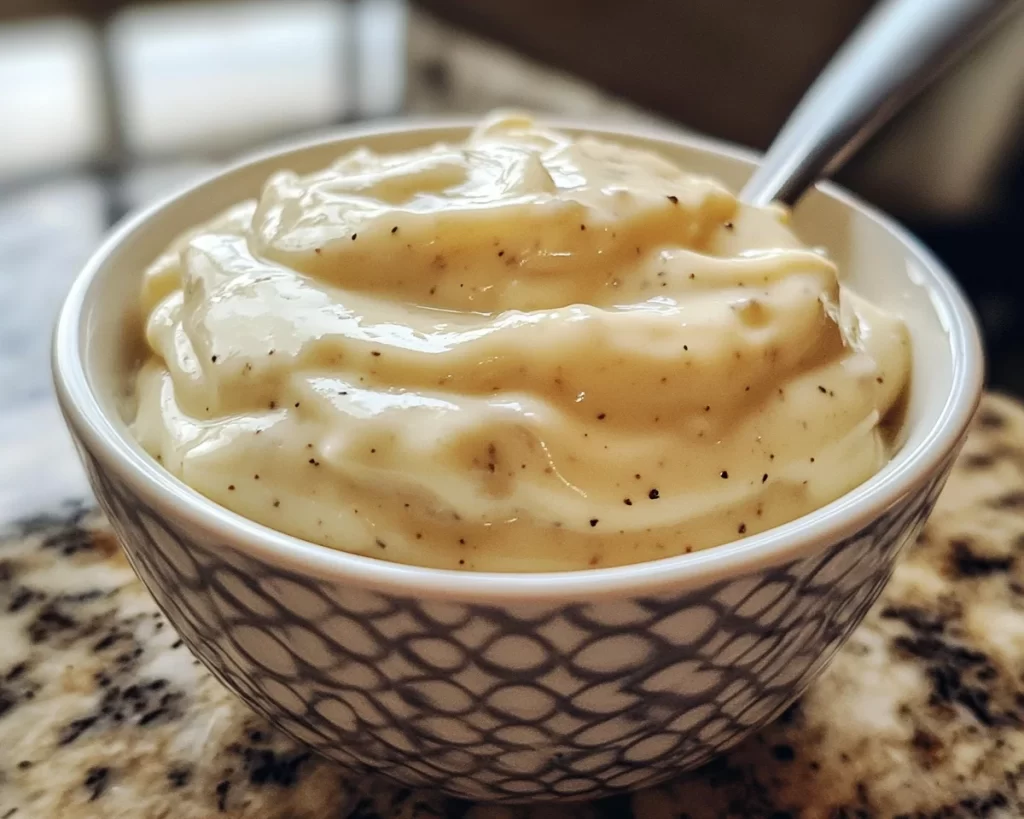
Prep time: 2 minutes
Cook time: 0 minutes
Total time: 2 minutes
Servings: 1 cup
There’s nothing quite like the creamy richness of homemade mayonnaise. Imagine that fresh, velvety texture gliding onto your sandwiches or mixing seamlessly into a potato salad. This cheap yet delicious condiment can elevate any dish, transforming an ordinary meal into a gourmet experience. If you’ve ever reached for the store-bought version, only to be disappointed by the overly processed, artificial flavors, you’re not alone. Many home cooks find it crucial to have a **simple** and **quick** recipe at their fingertips.
What’s special about this recipe is its simplicity and speed. You can whip up a delightful batch of mayonnaise in just **two minutes** with a blender. This is a lifesaver for **busy parents**, **cooking beginners**, and anyone interested in **budget cooking**. In this post, you will learn about the process of making homemade mayonnaise, explore its benefits, and discover some variations that can take your mayo to new heights.
What Is Homemade Mayonnaise (Easy 2-Minute Blender Recipe)?
Homemade mayonnaise is a creamy, emulsified condiment made from a blend of **eggs**, **oil**, and **acid** (like lemon juice or vinegar). The origins of mayonnaise can be traced back to the 18th century, with various theories about its inception. Some believe it originated in France, while others think it was derived from Spanish culinary traditions. Regardless of its history, this beloved condiment has paved its way into kitchens worldwide.
The texture of homemade mayonnaise is incredibly smooth and creamy, with a rich mouthfeel that far surpasses store-bought versions. When made fresh, it delivers a bright and tangy flavor that makes every dish pop. Furthermore, because you control the ingredients, you can avoid additives and preservatives that are often found in commercially produced options. The result? A condiment that is not just delicious but also aligns with your dietary preferences and **health considerations**.
Why You’ll Love This
You’ll adore this homemade mayonnaise for several compelling reasons. First, its **taste** is unparalleled. Nothing compares to the freshness of a mayo made in your own kitchen, where you can adjust flavors to suit your preference, whether you like it zestier or creamier. Secondly, the ease of preparation makes this recipe perfect for anyone, even those who are relatively new to the kitchen. Using a blender, this condiment comes together in mere minutes, making it ideal for last-minute needs.
Another significant benefit is the cost-effectiveness of making mayonnaise at home. Store-bought versions can be quite pricey, especially if you prefer organic or artisan brands. With just a handful of ingredients, you can create a large batch for a fraction of the price. Lastly, homemade mayonnaise is incredibly versatile. You can use it as a base for sauces, dressings, and dips, proving its worth in multiple applications.
However, many people may feel intimidated by making mayonnaise from scratch, fearing failure or an unappealing texture. Common misconceptions about mayonnaise include that it requires complicated techniques or specialized equipment. These assumptions couldn’t be further from the truth; this recipe shows that you only need basic tools and minimal effort to create a delightful condiment.
Ingredients You’ll Need
- 1 large egg: The base of your mayonnaise, the egg provides both emulsification and richness. If you have dietary concerns, you can use pasteurized eggs or egg substitutes for a vegan version.
- 1 tablespoon lemon juice or vinegar: This ingredient enhances the flavor and acts as the key acidic element that helps in emulsifying the mixture. You may use white vinegar, apple cider vinegar, or even lime juice for a unique flavor.
- 1 cup neutral oil: Examples include canola or vegetable oil. This ingredient is essential for the emulsification process and gives mayonnaise its creamy texture. For a flavorful variation, consider using olive oil or avocado oil.
- Salt to taste: Salt enhances all the flavors in the mayonnaise. Start with a small amount, as you can always add more to suit your tastes.
- Pinch of mustard (optional): Using mustard can add a delightful depth of flavor and assist in the emulsification process. You can choose from Dijon mustard or yellow mustard, depending on your preference.
These ingredients are typically readily available, making this recipe accessible to anyone looking to whip up a batch of mayonnaise. Feel free to experiment with variations to suit your dietary needs or flavor preferences.
How to Make
- Start by placing the egg in the bottom of your blender jar. It’s essential to use a high-quality egg, as this will enhance the flavor and texture of your mayonnaise.
- Next, add the lemon juice or vinegar. This acidic component will not only contribute to a balanced flavor but also help with the emulsification process, making your mayonnaise stable and creamy.
- Now, pour in the neutral oil. It’s crucial to choose a neutral-flavored oil if you want your mayonnaise to taste classic. If you’re feeling adventurous, olive oil brings a unique taste to the final product, but be aware that it may not appeal to everyone.
- Sprinkle in a pinch of salt and, if you choose, add a little mustard for an extra kick of flavor. Blend the mixture on high speed for about 20 to 30 seconds. You will notice the mayonnaise beginning to form as the ingredients combine.
- Once you see the mixture thickening and achieving a smooth consistency, stop the blender. Use a spatula to scrape down the sides of the container if necessary, ensuring all ingredients are fully incorporated.
- Blend again for another 10 to 15 seconds. At this point, taste your mayonnaise and adjust the salt and acidity as needed. If you want it creamier, you can add a touch more oil while blending.
And just like that, you’ve created your own homemade mayonnaise in under two minutes! The lush, creamy texture and bright flavors make it completely irresistible. Store it in an airtight container in the refrigerator for up to a week, though it’s best enjoyed fresh to appreciate its full flavor.
Variations & Substitutions
Garlic Aioli: This variant adds the bold flavor of fresh garlic to your mayonnaise. Simply mash 1-2 cloves of garlic and incorporate them during the blending process. Garlic aioli is perfect for dipping fries or spreading on sandwiches, giving a gourmet twist to your meals.
Spicy Mayonnaise: For those who love a kick, adding sriracha or cayenne pepper creates a spicy mayonnaise that works well with sandwiches and burgers. Start with a teaspoon of your chosen spice and adjust according to your heat preference. This variation is fantastic for giving a kick to typical dishes.
Herbed Mayonnaise: Fresh or dried herbs can significantly enhance the flavor profile of your mayonnaise. Consider adding fresh dill, basil, or even a touch of rosemary. Simply blend the herbs in during the initial blending stage. This variety is perfect for salads and as a spread for sandwiches to elevate your lunch or dinner.
Vegan Mayonnaise: If you’re adhering to a vegan lifestyle but still craving mayonnaise, you can create a vegan version using aquafaba (the liquid from canned chickpeas) in place of eggs. Blend 3 tablespoons of aquafaba with the other ingredients to achieve a similarly creamy texture. This approach maintains the rich flavor while being entirely plant-based.
Smoky Mayonnaise: For a captivating twist, incorporate smoked paprika when blending your ingredients. This creates a smoky flavor that can elevate any dish, making it perfect for roasted vegetables or as a dip for chips.
Each of these variations offers the chance to customize your mayonnaise experience according to personal taste preferences while also accommodating dietary needs. Don’t hesitate to get creative!
Common Mistakes to Avoid
Creating homemade mayonnaise is generally straightforward, but there are a few pitfalls you can fall into. One common mistake is using oil that is too cold. It’s crucial to use oil that’s at room temperature, or otherwise, you may find that your mayonnaise doesn’t emulsify properly, ending up too thin or even separating.
Another common error is adding the oil too quickly. The key to emulsification lies in slowly drizzling in the oil while the blender is running. If you dump the oil in all at once, you’ll risk creating a broken emulsification, making your mayonnaise unusable.
Additionally, always check the freshness of your egg before use. If your egg is not fresh, it can lead to undesirable flavors, and it’s essential for the success of your mayonnaise.
Lastly, don’t forget to season your mayonnaise adequately. Many people neglect to adjust the salt, which can lead to bland flavors. A perfectly seasoned mayonnaise should be the star of your dishes, enhancing other ingredients rather than being an afterthought.
Storage, Freezing & Reheating Tips
When it comes to storage, homemade mayonnaise should be placed in an airtight container and kept in the refrigerator. It is important to consume it within a week for both flavor and safety reasons. Always check for any signs of spoilage, such as changes in smell or texture, before use.
Freezing homemade mayonnaise is not recommended, as the emulsified texture can break down and become watery once thawed. If you think you might not eat it within a week, consider making smaller batches to avoid waste.
When using your mayonnaise in cooked dishes, keep in mind that it should not be reheated. Rather, it’s best used cold, as it may lose its creaminess and texture under high temperatures. This makes it perfect for cold pasta salads, sandwiches, and even as a base for dressings.
If you need to refresh your mayonnaise after storage, simply whisk it in a bowl to revive its creamy texture before incorporating it into your dishes.
Frequently Asked Questions
Can I make mayonnaise without a blender?
Yes, you can make mayonnaise by hand using a whisk. The process will take longer and require more arm strength, but it is possible. Start with an egg in a bowl, then gradually drizzle in the oil while whisking continuously until you achieve the creamy consistency you desire.
Is homemade mayonnaise safe to eat?
If you use fresh, pasteurized eggs, homemade mayonnaise is safe to consume. However, certain individuals, such as pregnant women, young children, and those with compromised immune systems, may want to avoid raw eggs. Always ensure you store your mayonnaise properly and consume it within a week for maximum safety.
Can I use flavored oils?
Absolutely! Using flavored oils, like garlic-infused or herb-infused oils, can add incredible depth to homemade mayonnaise. Just remember that the flavor of your oil will substantially affect the finished product, so choose one that complements your intended dish.
What can I use mayonnaise for besides sandwiches?
Homemade mayonnaise can be remarkably versatile! Use it as a base for creamy salad dressings, dips, or even as a topping for roasted vegetables. It can also be blended into sauces or incorporated into spreads for appetizers.
How do I fix broken mayonnaise?
If your mayonnaise separates or looks broken, don’t throw it away. Simply start again with a new egg in a clean bowl, and slowly whisk in the broken mayonnaise until it emulsifies and thickens. This trick can save your efforts and prevent waste.
Conclusion:
Homemade mayonnaise is not just a simple condiment; it’s a gateway to culinary creativity. With its rich flavor, remarkable ease of preparation, and customizable nature, you can elevate a variety of dishes while enjoying the satisfaction of crafting something delicious from scratch. Whether you prefer the classic version or wish to explore exciting variations, this easy 2-minute blender recipe is sure to impress. Don’t hesitate to try it out, tailor it to your tastes, and share your unique creations with friends and family! Happy cooking!