Prep time: 10 minutes
Cook time: 0 minutes
Total time: 10 minutes
Servings: 1 cup
Homemade mayonnaise, specifically when made with healthy olive oil, is one of those kitchen staples that can elevate a simple sandwich or a salad into a gourmet meal. If you’ve ever found yourself standing in the condiment aisle, overwhelmed by the bright labels and narrow choices, you’re not alone. The allure of factory-made sauces is tempting, but they often come loaded with preservatives and excess sugars that can detract from your meals. This is why making your own mayonnaise can be a game-changer and a testament to your culinary skills.
When you whip up a batch of homemade mayonnaise, you not only maintain complete control over the ingredients but also discover a taste that far surpasses anything store-bought. The creaminess, combined with the rich flavor of olive oil, brings a deliciously fresh dimension to countless dishes. This recipe is a breeze to prepare, requiring minimal ingredients and tools, making it ideal for anyone—from busy parents to beginner cooks looking to impress. Plus, you can customize it according to your preference, creating variations that fit your dietary needs or flavor preferences.
In this article, you’ll learn how to make healthy olive oil mayonnaise effortlessly. We’ll take you through an overview of what this condiment is, why you should take the time to make it, detailed recipes, and tips to ensure your mayonnaise turns out perfectly every time. You’ll leave with not just a recipe, but a newfound confidence in the kitchen.
What Is Homemade Mayonnaise (Healthy Olive Oil Mayo)?
Homemade mayonnaise is a creamy emulsion that combines oil, egg yolks, and acid—often vinegar or lemon juice. The key to achieving that silky texture lies in how you blend the ingredients. The origins of mayonnaise are somewhat murky, though it’s widely believed to have originated in France in the 18th century. Over the years, it has become a popular condiment across cultures, serving to amplify flavors in many iconic dishes.
In contrast to commercial mayonnaise, which often has a uniform flavor profile due to preservatives and artificial additives, homemade mayonnaise offers a customizable creamy texture and fresh, vibrant taste. When made with olive oil, it has a slightly fruity undertone and a nourishing quality, thanks to the health benefits associated with this oil. Olive oil is rich in monounsaturated fats that are heart-healthy and full of antioxidants. The flavor adds depth to the mayonnaise, allowing it to serve as an exceptional spread or dip for various appetizers and sandwiches.
Making homemade mayonnaise allows you to experiment with different flavors through your choice of oils, acids, and seasonings. With this versatile condiment, you can enrich everything from potato salads to gourmet burgers.
Why You’ll Love This
One of the primary reasons you’ll fall in love with this homemade olive oil mayonnaise is its incredible taste. Unlike the store-bought varieties, which can taste one-dimensional, this version is bursting with flavor. The richness from the olive oil paired with a hint of acidity creates a delightful balance that complements your dishes beautifully.
Additionally, this recipe is straightforward and requires only a few simple ingredients. You can whip it up in less than 10 minutes without needing advanced culinary skills or special gadgets, making it accessible for even novice cooks. The cost-effective nature of this recipe is another advantage; you’ll find that making mayo at home is often cheaper than purchasing high-quality brands, plus there will be no question about what’s in it.
As you experiment, you’ll quickly learn that this mayonnaise can be a blank canvas for various flavors and textures. Adding herbs, spices, or garlic can create dip variations that capture everyone’s attention at your next gathering. By shedding misconceptions about mayonnaise being labor-intensive, you’re more likely to incorporate this condiment into your weekly meal prep.
Ingredients You’ll Need
To make homemade mayonnaise, gather the following ingredients:
- 1 egg yolk – The base for your emulsion; gives creaminess and richness.
- 1 tablespoon Dijon mustard – Adds flavor and aids in emulsification.
- 1 tablespoon lemon juice or vinegar – Provides acidity which balances the richness of the oil.
- 1 cup olive oil – The main ingredient that contributes flavor, texture, and health benefits.
- Salt, to taste – Enhances all other flavors.
Each ingredient plays a crucial role in the success of this recipe. The egg yolk serves as the emulsifying agent, allowing oil and water components to bind together effectively, which is vital for that creamy consistency. Dijon mustard not only adds a hint of a tangy flavor, but it also acts as a stabilizer, ensuring the mixture holds together.
Using fresh, high-quality olive oil can make a significant difference in flavor. Should you prefer a different taste, feel free to substitute with avocado oil, grapeseed oil, or even a combination. If you’re adhering to dietary preferences, opt for a vegan alternative by using aquafaba (the liquid from canned chickpeas) instead of egg yolk.
How to Make
Follow these step-by-step instructions to whip up your homemade mayonnaise:
- Start by placing the egg yolk, Dijon mustard, and lemon juice or vinegar into a mixing bowl or a tall container. If you are using an immersion blender, a tall container works best. Whisk or blend these ingredients together until they are well combined and smooth; this should take about 30 seconds.
- Gradually begin to add the olive oil while continuously whisking or blending. Start with just a few drops, which helps begin the emulsification process. As it starts to thicken, you can increase the oil pouring speed to a thin stream. Continue this process until all the oil is incorporated and you achieve a thick, creamy consistency.
- Once your mayonnaise has reached a desirable thickness, taste the mixture and season it with salt to taste. If you prefer a more pronounced flavor, you can add more mustard or lemon juice at this stage to brighten it up.
- Scrape down the sides of the mixing bowl to ensure everything is evenly mixed. If the mayonnaise is too thick for your liking, you can thin it out by whisking in a teaspoon of water, lemon juice, or vinegar.
- Transfer your homemade mayonnaise into a clean jar, seal it tightly, and store it in the refrigerator. It should be good for about 1 week, provided that you have used fresh ingredients and maintained proper hygiene during the preparation.
As you follow these steps, you’ll notice how the texture changes from thin and runny to a luscious and thick finish. Using an immersion blender can significantly reduce time and effort, making it an advisable tool for beginners or busy cooks.
Variations & Substitutions
Garlic Aioli: If you’re a fan of garlic, this variation entails adding minced garlic to your mayonnaise mixture. Simply mix in one or two cloves of minced garlic after you’ve achieved a creamy texture. This will infuse your mayonnaise with a robust flavor that pairs excellently with grilled meats or as a dip for veggies. Garlic adds a flavorful punch that transforms your mayo from ordinary to extraordinary.
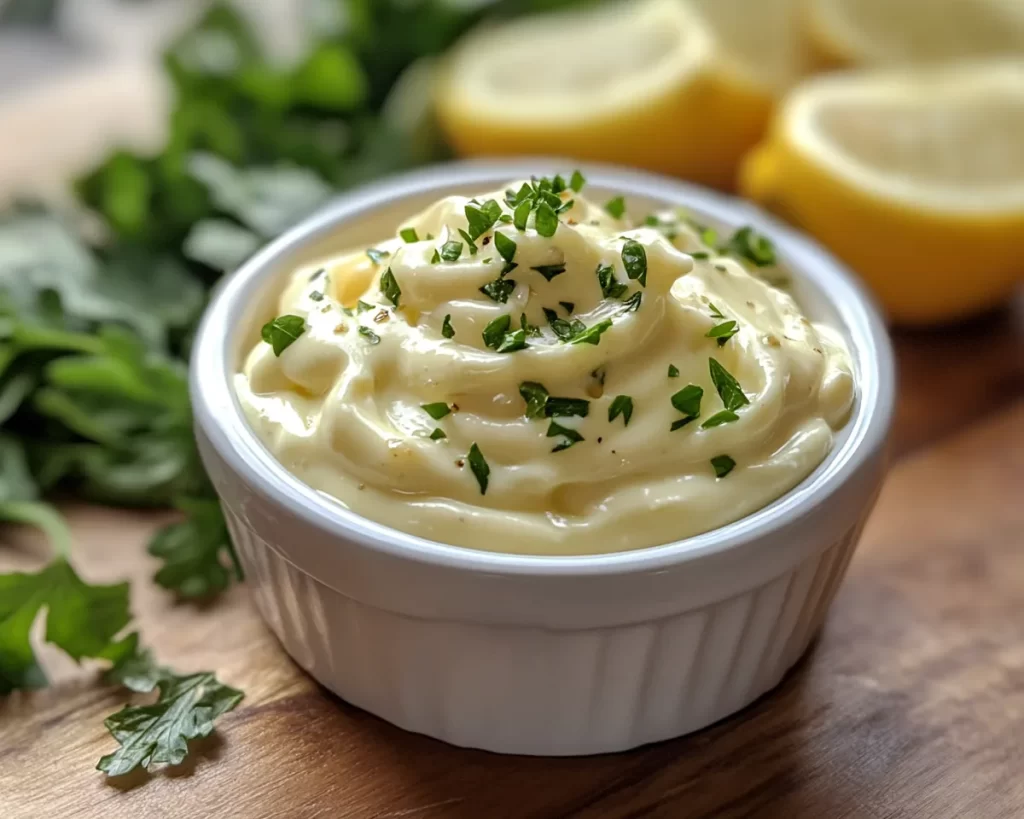
Herbed Mayonnaise: For those who love fresh herbs, consider adding finely chopped parsley, chives, or dill. The process remains the same; just fold in the herbs at the end. This herbed variation works fantastic as a sandwich spread or enhances fish dishes; it brightens up the flavors and adds a visually appealing look. Be cautious with the quantity—start with a tablespoon and adjust to taste.
Spicy Chipotle Mayonnaise: For an extra zing, incorporate chipotle in adobo sauce. Add about one tablespoon to the egg yolk, and blend until fully combined. This spicy mayo not only adds heat but also a smoky depth that is perfect for topping tacos or burgers. This variation is fantastic for those who enjoy a little kick in their meals.
Vegan Mayo: To create a vegan version, replace the egg yolk with aquafaba, the liquid from canned chickpeas. Use 3 tablespoons of aquafaba and follow the rest of the recipe similarly. This substitution still yields a luscious mayonnaise while catering to plant-based diets.
Lemon Zest Mayonnaise: To add a vibrant citrus flavor, grate the zest of a lemon into your mayonnaise for a fresh, zesty kick. This works particularly well when served with seafood or as a dressing for summer salads. Lemon zest can also introduce a beautiful aroma to your dishes that will delight your diners.
As you experiment with these variations, keep in mind that balancing flavors is essential. Each adjustment can make a significant difference, so proceed with small amounts and taste as you go!
Common Mistakes to Avoid
Making mayonnaise might seem straightforward, but certain pitfalls can derail your efforts. One common mistake is adding the olive oil too quickly. If you pour the oil in too fast before the emulsification process starts, the mixture may separate, leaving you with a watery mess. To combat this, begin by adding a few drops or a very slow drizzle to establish the emulsion, then progressively increase the amount.
Another issue can arise from using cold ingredients. It’s best to use room temperature egg yolks, as cold components can lead to poor emulsification. If you accidentally utilize cold ingredients, you can warm the egg yolk gently in a bowl over hot water to bring it to room temperature.
Finally, never underestimate the importance of seasoning. Failing to season your mayonnaise can result in a bland product. Always remember to taste and adjust salt and acidity to ensure that the flavors are balanced and vibrant.
Storage, Freezing & Reheating Tips
When it comes to homemade mayonnaise, proper storage is vital for maintaining freshness and flavor. Store your mayo in a clean, airtight container or jar in the refrigerator. It can typically last about a week if prepared safely with fresh ingredients. Always use a clean utensil when scooping out the mayonnaise to prevent contamination.
Freezing mayonnaise is generally not recommended due to its emulsified nature; the texture can separate upon thawing, leading to an undesirable consistency. If you have leftover mayonnaise that you won’t use within a week, consider transforming it into a dip or sauce instead.
If you stored the mayonnaise properly and want to serve it again, give it a good stir before using it. This small act can help reintegrate any ingredients that may have settled during storage.
Frequently Asked Questions
Can I use olive oil for this recipe? Will it change the flavor?
Yes, using olive oil for mayonnaise will give it a unique flavor profile that is richer and more robust than using neutral oils. Extra virgin olive oil adds a fruitiness that enhances your mayonnaise but may be overpowering for some. You can use light olive oil or a mix with neutral oils for a milder taste.
What can I do if my mayonnaise breaks?
If your mayonnaise breaks, meaning it separates and doesn’t hold, don’t panic! You can salvage it by starting with a new egg yolk in a separate bowl and whisking it. Gradually incorporate the broken mayonnaise into the new yolk, and it should come back together.
Can I make mayonnaise without eggs?
Yes, you can create a vegan mayonnaise using aquafaba. Simply replace the egg yolk with three tablespoons of aquafaba and follow the blending process as usual. This provides a creamy texture without using traditional egg yolk.
How do I know if my mayonnaise is safe to eat?
To ensure the safety of your homemade mayonnaise, use fresh, high-quality eggs and maintain proper hygiene throughout the process. If stored correctly, it can last about a week in the refrigerator. If it looks, smells, or tastes off, it’s best to err on the side of caution and discard it.
Can I customize the acidity in my mayonnaise?
Absolutely! You can customize the acidity in your mayonnaise by adjusting the lemon juice or vinegar amount according to your taste preference. Lemon juice offers a fresh flavor, while vinegar will provide a sharper tang.
Conclusion:
Homemade mayonnaise made with healthy olive oil is not just a recipe; it’s an invitation to enhance your dishes with rich flavors and textures. With this guide, you are equipped to create your own creamy condiment that rivals anything available in stores. From personalizing it with various flavors and substitutions to learning about the importance of each ingredient, you have the tools to make delicious mayonnaise that suits your taste buds perfectly.
Don’t hesitate to try it out, make it your own, and share your culinary adventures with family and friends. One taste of your homemade mayo will have everyone asking for the recipe, and you can proudly say it’s a simple combination of fresh, wholesome ingredients made right in your kitchen. Happy cooking!