Prep time: 10 minutes
Cook time: 0 minutes
Total time: 10 minutes
Servings: 1 cup
Homemade mayonnaise is a staple that can transform your meals from mundane to gourmet with minimal effort. Picture this: you’re in the kitchen, and you feel like crafting something amazing. You want a creamy, luscious condiment, but you want it fresh, without preservatives or unwanted additives. Making mayonnaise sounds daunting, right? But I assure you, with this no-fail hand blender method, it’s practically foolproof. Just a few simple ingredients come together to create a spread that’s delightfully creamy and oh-so-fresh.
In this article, you will learn easy steps to whip up homemade mayonnaise using a hand blender. You will also discover variations of this classic recipe that can cater to various dietary needs or flavor preferences. Let’s dive into the magic behind this tasty delight!
What Is Homemade Mayonnaise (No Fail Hand Blender Method)?
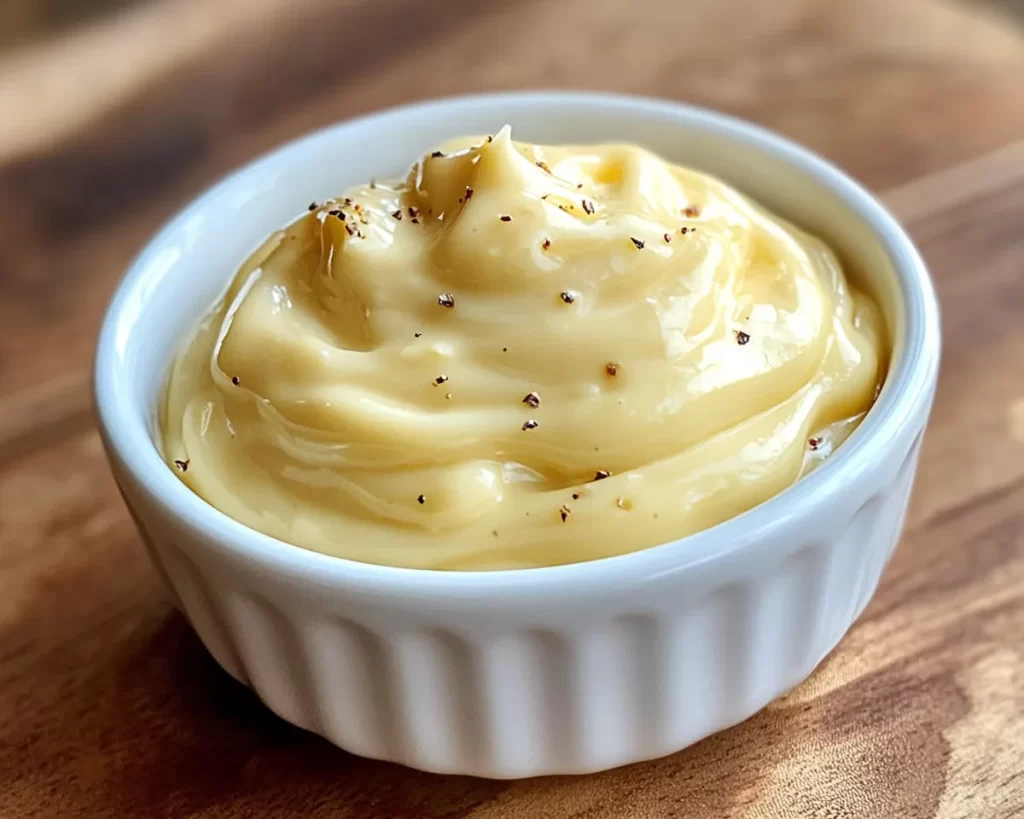
Homemade mayonnaise is an emulsion of oil, egg, and acid (usually vinegar or lemon juice), resulting in a rich and creamy sauce that elevates sandwiches, salads, and dips. Originating from French cuisine, traditional mayonnaise may seem intimidating due to its finicky nature, where the oil must be carefully emulsified. However, using a hand blender simplifies this process dramatically. The method combines ingredients at high speed, ensuring thorough mixing and a stable emulsion every time.
Imagine dipping your fresh vegetables into a homemade mayo that has a tangy, refreshing taste, further enhancing the overall flavor. The texture is smooth and creamy, making it a perfect companion for various culinary creations. Best of all, when you make it at home, you can customize the flavor profile, adjusting it to your taste preferences by adding herbs, spices, or even different types of oils.
Why You’ll Love This
There are several reasons you’ll adore making your own mayonnaise. Firstly, the **taste** is unparalleled; the freshness of the ingredients leads to a flavor that store-bought versions simply cannot match. Secondly, it’s **incredibly easy**; with only a few basic ingredients and a hand blender, you’re set to achieve this culinary classic. You’ll also save money, as homemade mayonnaise typically costs less than buying premium brands at the store.
Not to mention, homemade mayonnaise is versatile! You can use it in sandwiches, as a base for creamy salad dressings, or even in dips. Many people are intimidated by making mayonnaise from scratch due to the fear of it curdling or separating. With this hand blender method, you can rest easy knowing that it’s nearly impossible to mess up, making it ideal for busy parents and beginners in the kitchen who may feel overwhelmed.
Ingredients You’ll Need
- 1 large egg – at room temperature, provides the base for this emulsion.
- 1 cup of neutral oil (such as canola, vegetable, or grapeseed oil) – this will form the bulk of your mayonnaise and create that creamy texture.
- 1 tablespoon of Dijon mustard – adds flavor and helps stabilize the emulsion.
- 1 tablespoon of vinegar or lemon juice – for acidity and flavor, you can use white vinegar, apple cider vinegar, or fresh lemon juice.
- Salt – to taste; it’s essential for enhancing flavor, so add as needed.
Each ingredient plays a critical role in achieving the perfect homemade mayonnaise. The egg acts as an emulsifier, binding the oil and water-soluble ingredients together. The neutral oil contributes to the smooth texture, while the Dijon mustard not only enhances flavor but also ensures the emulsion doesn’t break. The acidity from the vinegar or lemon juice is key to balancing flavors and preserving the mayonnaise. Feel free to experiment with different types of oil for unique flavor combinations!
How to Make
1. **Prepare Your Ingredients:** Start by gathering all your ingredients. This includes ensuring your egg is at room temperature, as this will help in creating a stable emulsion. Choose a tall, narrow container that fits your hand blender snugly for optimal mixing.
2. **Combine Ingredients:** In the container, add the egg, mustard, vinegar or lemon juice, and a pinch of salt. It’s crucial to layer the ingredients in this order. The egg should be at the bottom, followed by the other ingredients. This arrangement ensures that the oil floats on top and doesn’t splatter when blended.
3. **Add the Oil:** Pour the cup of neutral oil gently over the other ingredients. It should entirely cover the egg and other components. Make sure to avoid any mixing or stirring at this stage; just layer the ingredients for now.
4. **Blend:** Insert the hand blender into the container, placing it at the bottom. Start blending at the lowest speed, keeping the blender at the bottom of the container for about 10-15 seconds. Slowly begin to lift the blender toward the top. As you do, you will see the mixture gradually turn from a translucent liquid to a thick, creamy mayonnaise.
5. **Check the Consistency:** Once you see the emulsion forming, blend for an additional 5-10 seconds. If the mayo is too thick, you can add a teaspoon of water and blend again until you reach the desired consistency. Tasting is essential here, so adjust seasoning if necessary.
6. **Store and Enjoy:** Transfer the homemade mayonnaise to a clean jar with a lid. It can be stored in the refrigerator for up to one week, allowing you to enjoy it in numerous ways!
Variations & Substitutions
Garlic Aioli Variation: If you’re looking to spice things up, consider making a garlic aioli. Simply add 1-2 minced garlic cloves to the basic mayo recipe. The result is a garlicky spread that brilliantly enhances sandwiches or as a dip for roasted vegetables. This variation is perfect for garlic lovers or those seeking a Mediterranean twist.
Herb-Infused Mayonnaise Variation: For a fresh and vibrant flavor, try adding a mix of fresh herbs like dill, basil, or chives to your mayonnaise. Simply chop your desired herbs finely and fold them into the mayo after blending. This herb-infused mayonnaise is excellent for adding flavor to salads or as a topping for grilled meats.
Spicy Chipotle Mayonnaise Variation: If you crave heat, this variation will surely satisfy. Simply blend in chopped chipotle peppers in adobo sauce or even some cayenne pepper to the basic mayo recipe. The smoky and spicy heat adds depth to your dishes, making it a fantastic condiment for burgers and roasted potatoes.
Healthy Greek Yogurt Mayonnaise Substitution: For a healthier alternative, swap out half of the oil with Greek yogurt. This adds protein and a tangy flavor while significantly reducing calories. This version is ideal for those focused on a low-fat diet but still wanting a creamy condiment.
Avocado Mayonnaise Variation: Avocado adds a unique twist to traditional mayonnaise. By replacing the egg with ripe avocado, you get a spread that’s creamy and full of healthy fats. Mash the avocado and blend it with the oil and acid until smooth. Perfect for those on a vegan diet or looking for an avocado-flavored twist.
Common Mistakes to Avoid
One of the most common mistakes when making homemade mayonnaise is using **cold ingredients**. Make sure your egg is at room temperature to ensure successful emulsification. If your mayonnaise does not thicken, it could be due to adding the oil too quickly. Always layer your ingredients properly and start blending at the bottom.
Another mistake to watch out for is not using enough oil. If you’re shy about the oil, the mayonnaise may split or be overly thin. Lastly, over-blending can alter the texture, making it grainy rather than smooth. If you encounter issues like an uncooperative emulsion, try adding a drop of water or another egg yolk and start blending from the bottom again.
Storage, Freezing & Reheating Tips
When it comes to storing your homemade mayonnaise, always use an airtight container in the refrigerator. It will stay fresh for about a week. If you notice any discoloration or off-putting smell, it’s best to discard it immediately, as homemade mayonnaise lacks the preservatives found in store-bought versions.
For long-term preservation, consider freezing the mayonnaise in ice cube trays. Once frozen, transfer the cubes into a zip-top bag and store them in the freezer. While the texture may change slightly once thawed, you can still use it as a base for dressings or dips. Just be cautious not to refreeze mayonnaise once it’s thawed.
For reheating, it’s essential not to expose your mayonnaise to direct heat, as this can break the emulsion. Instead, let it thaw naturally in the refrigerator. If it becomes too thick, gently stir in a teaspoon of water or lemon juice to regain its creamy consistency.
Frequently Asked Questions
Can I use olive oil for homemade mayonnaise? Absolutely! Olive oil can be used in homemade mayonnaise, but be aware that it will impart a strong flavor. Extra virgin olive oil, while healthy, might overpower the mayo’s original taste. If you love the flavor of olive oil, try a blend of olive oil and a neutral oil for a balanced flavor.
What can I do if my mayonnaise doesn’t thicken? If your mayonnaise doesn’t thicken, it’s likely due to the ingredients being too cold or the oil was added too quickly. Try adding a small amount of mustard or another egg yolk and re-blend from the bottom to start the emulsification process again.
How can I make my mayonnaise vegan? For a vegan version of mayonnaise, consider using aquafaba, the liquid from canned chickpeas, instead of egg. Start with about three tablespoons of aquafaba and blend it with your oil and vinegar until emulsified. This will give you a creamy and delicious vegan mayonnaise that’s perfect for all recipes.
Can I flavor my mayonnaise after it’s made? Yes! Once your basic mayonnaise is prepared, feel free to mix in ingredients like garlic, herbs, or spices to create different flavors. Start with small amounts, as you can always add more if needed.
Is homemade mayonnaise safe to eat? Homemade mayonnaise can be safe to eat, provided that you use fresh, high-quality eggs and proper storage techniques. However, if you are concerned about salmonella, opt for pasteurized eggs to reduce the risk.
Conclusion:
In summary, homemade mayonnaise is not just a simple condiment; it’s a versatile culinary tool that lets you elevate your dishes with minimal effort. Whether you’re using it for sandwiches, dips, or sauces, you’ll experience the superior taste it brings to your meals. I encourage you to try this recipe, customize it freely, and perhaps share it with friends and family who appreciate good food. You might just inspire someone else to take the plunge into making their own delicious mayonnaise!