Prep time: 10 minutes
Cook time: 0 minutes
Total time: 10 minutes
Servings: 8 servings
Sometimes, while preparing a sumptuous meal, you suddenly realize that you’re missing one crucial element—mayonnaise. That creamy, rich condiment can elevate dishes from sandwiches to salads, and store-bought versions often come laden with preservatives and sugars. This Homemade Mayonnaise (No Sugar Recipe) fulfills that craving beautifully, ensuring you have a fresh, delicious addition to your meal without false additives. In this article, you will learn about what makes homemade mayonnaise special, why it is beloved by home cooks, and how to craft your own creamy, flavorful batch. You’ll also discover tips, variations, and answers to common questions that arise in the mayonnaise-making process.
What Is Homemade Mayonnaise (No Sugar Recipe)?
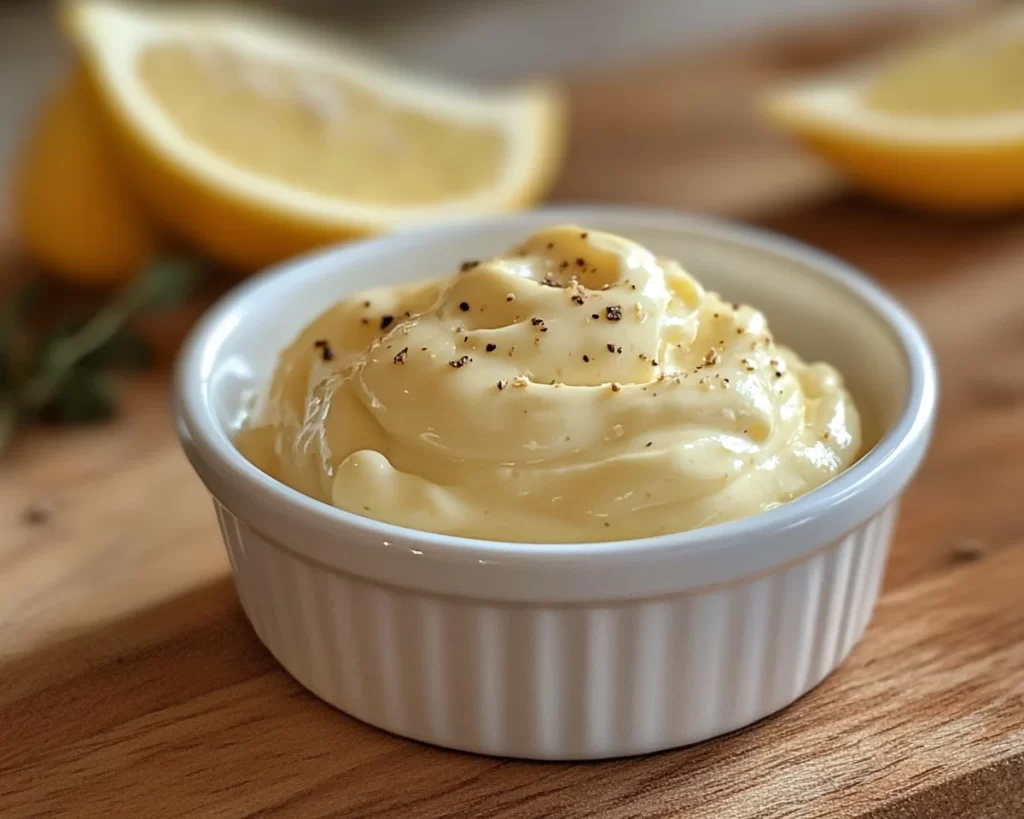
Homemade mayonnaise is a creamy condiment that serves as a staple in many culinary traditions. Originating from the French culinary repertoire, it combines oil, egg yolks, and an acid, usually lemon juice or vinegar, to create an emulsion. The result is a decadently smooth and rich texture that store-bought versions often lack. Unlike mass-produced mayonnaise, which can be overly sweet and artificial, this homemade version is gently flavored without any added sugars, allowing for a more authentic taste.
One of the keys to achieving that astonishingly smooth texture is the method in which you’re combining the ingredients. When you whisk or blend, the egg yolk acts as an emulsifier, helping oil to mix with water. Without a doubt, you will enjoy the fresh, vibrant flavor of this mayonnaise, which can be adjusted to suit your palate. Homemade mayonnaise can serve various culinary purposes, from dressing salads to acting as a base for creamy dips.
Why You’ll Love This
There are countless reasons to fall in love with this Homemade Mayonnaise (No Sugar Recipe). Firstly, the flavor is unparalleled. Unlike commercial mayonnaise that can taste bland or even overly sweet, this version captures the richness of the ingredients. Secondly, it is incredibly easy to make—within just 10 minutes, you can have a fresh batch ready to elevate your meals.
Another benefit is the cost-effectiveness. Making mayonnaise at home is far less expensive than purchasing premium brands in stores. Plus, you’ll have complete control over the ingredients, which is a significant advantage for anyone monitoring their diet for health reasons. Many people mistakenly believe that homemade mayonnaise is complicated or time-consuming, leading them to rely on store-bought options. By following this simple recipe, you will debunk that myth.
Ingredients You’ll Need
- 1 egg yolk – The egg yolk is crucial for emulsification, allowing the oil to blend evenly with the other ingredients. You may substitute with pasteurized eggs for safety.
- 1 tablespoon Dijon mustard – This adds a subtle tang and depth of flavor to your mayonnaise. Feel free to use yellow mustard for a milder taste.
- 1 tablespoon lemon juice or vinegar – This acidic component cuts through the richness and helps with preservation. You can experiment with apple cider vinegar for a different flavor.
- 1 cup oil (vegetable, olive, or avocado) – Choose a neutral oil for a milder taste, or olive oil for a more robust flavor. Avocado oil is an excellent substitute for a healthier option.
- Salt to taste – This enhances the overall flavor of your mayonnaise. Begin with a pinch and adjust as needed.
Each ingredient plays a pivotal role in creating that signature creamy texture and achieving the right flavor profile. Diverting from any of these can alter the end product significantly, so stick closely to the measurements for the best results.
How to Make
Follow these simple steps to make your Homemade Mayonnaise (No Sugar Recipe). Remember, patience and precision are paramount in achieving that perfect emulsion!
- Gather your ingredients. Make sure you have a clean, medium bowl or a blender ready for this process. Using room temperature ingredients is crucial to allow for better emulsification. If you’ve stored your egg in the refrigerator, let it sit out for a bit before starting.
- Add the egg yolk, Dijon mustard, and lemon juice (or vinegar) to the bowl. If you’re using a whisk, start whisking these ingredients together until well combined. If you’re using a blender, just pulse them together for a few seconds. The outcome should be a homogeneous mixture.
- Begin slowly adding the oil. While whisking continuously, start to drizzle in the oil very gradually. This is a crucial step; adding the oil too quickly can cause the mayonnaise to break. Think of it like a slow dance—you want to keep the rhythm.
- Continue whisking or blending until thick. As you incorporate the oil, the mixture will begin to thicken. This can take a minute or two. If you’re using a whisk, you’ll feel the resistance increase; if using a blender, watch for a creamy texture. If it gets too thick, you can add a teaspoon of water to loosen it.
- Season to taste. Once you reach the desired thickness, add salt gradually while tasting your mayonnaise. This is the moment to customize the seasoning. If you prefer a zesty kick, add a dash more lemon juice or vinegar.
- Store properly. Transfer the mayonnaise into a clean jar with a tight lid and refrigerate. Homemade mayonnaise can last about a week in the fridge. Make sure to keep it in a cool place to maintain freshness.
The texture of homemade mayonnaise can be delightfully thick and creamy, perfect for spreading on sandwiches or as a dip for veggies. By following these steps with care, even a beginner in the kitchen can feel incredibly accomplished.
Variations & Substitutions
Garlic Aioli Variation: If you love garlic, why not jazz up your mayonnaise with a garlic aioli? Simply add one or two minced fresh garlic cloves after combining the egg yolk, mustard, and lemon juice. This adds a delicious, pungent flavor that pairs beautifully with grilled meats or roasted vegetables. The smooth consistency remains, but you’ll enjoy an aromatic twist that makes your homemade mayonnaise even more versatile.
Spicy Chipotle Mayo Variation: For those who enjoy a little heat, incorporate some chipotle powder or a few drops of hot sauce into your mayonnaise. This variation gives your dip a smoky flavor, perfect for drizzling over tacos or burgers. The beauty of homemade mayo is that you can gauge the spice level according to your preference.
Vegan Mayonnaise Variation: If you’re looking for a plant-based option, replace the egg yolk with aquafaba, the liquid from canned chickpeas. Start with 3 tablespoons and follow the same instructions, adding the oil while whisking. This vegan mayonnaise will deliver a similar creamy consistency, making it suitable for anyone adhering to a plant-based diet.
Herbed Mayonnaise Variation: Fresh herbs like basil, parsley, or dill can transform your homemade mayonnaise. Finely chop your desired herb and fold it into the finished mayonnaise for a refreshing taste. This is particularly delightful when used in potato or vegetable salads, adding an extra layer of freshness.
Smoky BBQ Mayonnaise Variation: Adding a tablespoon of your favorite BBQ sauce will yield a smoky, tangy mayonnaise perfect for dipping fries or as a sauce for sandwiches. This variation is great for summer cookouts, enhancing the flavors of grilled meats and veggies.
With these variations, you can customize your mayonnaise for various occasions, flavors, and dietary needs. Enjoy expressing your culinary creativity!
Common Mistakes to Avoid
Creating homemade mayonnaise can seem daunting at first, but being aware of common pitfalls can enhance your chances of success. One significant error is adding the oil too quickly. Remember, emulsification is crucial, and a steady stream is vital for achieving that silky texture. If your mayonnaise does break—meaning it doesn’t emulsify properly—don’t fret! Simply start with a new egg yolk in a clean bowl and slowly whisk in the broken mayonnaise to rescue your concoction.
Temperature is another aspect to be mindful of. Using cold ingredients can lead to challenges in emulsification. Aim for room temperature ingredients to ensure a creamier texture. Finally, make sure you season adequately. Mayonnaise can taste bland without proper salt. Tap into your flavor preferences, but remember to add salt gradually, as it can always be adjusted to your liking.
By keeping these common mistakes in mind, you will elevate your mayonnaise-making skills and avoid unnecessary frustration!
Storage, Freezing & Reheating Tips
Storing homemade mayonnaise is just as crucial as preparing it correctly. Once your mayonnaise is ready, transfer it to a clean glass jar with a tight lid. Always store it in the refrigerator to maintain freshness and avoid any spoilage. Typically, homemade mayonnaise can last up to a week; however, always trust your senses—if it looks or smells off, it’s best to discard it to avoid any risks.
It’s important to note that homemade mayonnaise does not freeze well due to its emulsified nature. Freezing can cause the oily and watery components to separate. For the best quality, you should aim to consume it within that one-week timeframe.
When using mayonnaise as a base for other dips or dressings, it’s best to create those before storage rather than storing them for later. Homemade mayo can make a fantastic base for numerous recipes, so feel free to use it generously!
Frequently Asked Questions
Can I use olive oil to make mayonnaise?
Absolutely! Olive oil can be used to create a flavorful mayonnaise with a robust taste. However, if you prefer a milder flavor, you might opt for a lighter oil such as canola or avocado oil.
What happens if my mayonnaise separates?
If your mayonnaise separates, it has likely broken. Don’t panic—simply start over with a fresh egg yolk. Slowly whisk in the separated mayonnaise, which will bring it back together.
Can I use mayonnaise in baking?
Certainly! Mayonnaise can be an unexpected yet brilliant ingredient in baking, particularly in moist cakes and muffins. It adds fat and richness, making baked goods incredibly tender.
Is homemade mayonnaise safe to eat?
Yes, as long as you use fresh eggs and follow proper food safety measures. If you’re concerned about raw eggs, use pasteurized eggs or opt for vegan variations using aquafaba instead.
Can I adjust the tanginess of my mayonnaise?
Absolutely! By altering the amount of lemon juice or vinegar you add, you can customize the tanginess to better suit your personal preference. Taste as you go to find your perfect balance.
Conclusion:
This Homemade Mayonnaise (No Sugar Recipe) is a game-changer for any home cook. Its combination of rich flavor, ease of preparation, and health-conscious ingredients makes it a must-try in your culinary repertoire. With just a few simple ingredients, you’ll be amazed at how easy it is to create a condiment that rivals the best store-bought versions. Don’t hesitate to try out variations and make it your own! Encourage your loved ones to partake in this delicious journey, and share your creations with family and friends. Enjoy the delightful experience of making condiments more homemade, and elevate your dish game today!