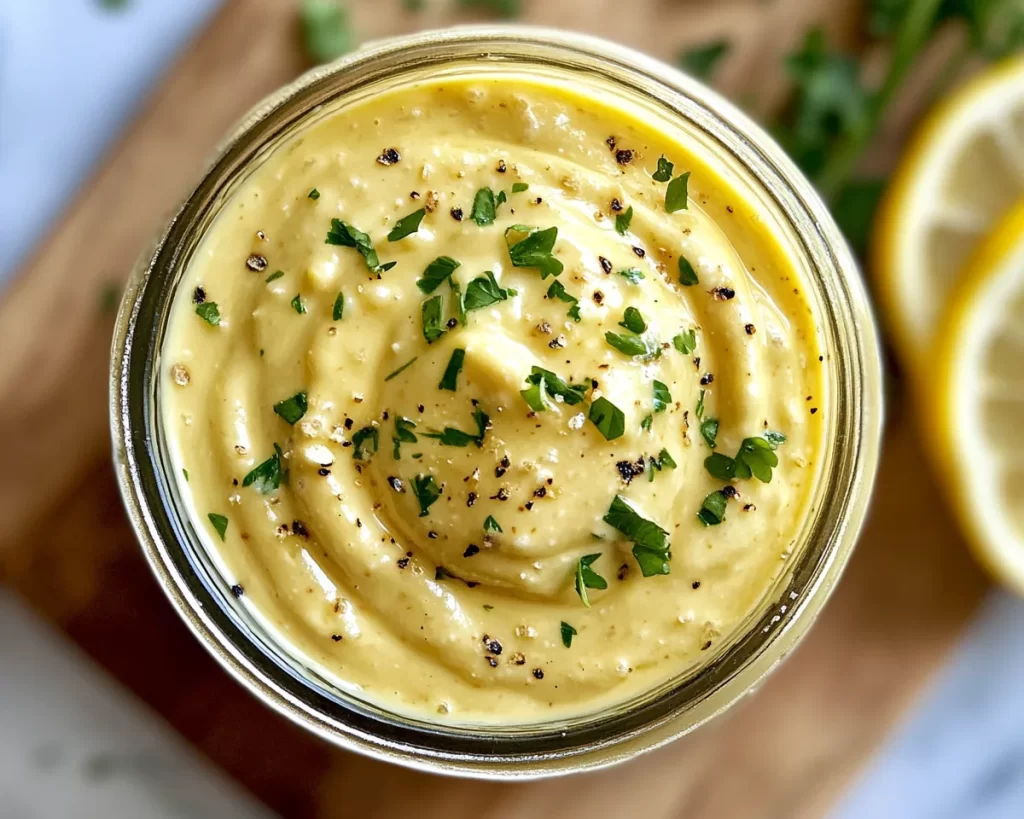
Prep time: 10 minutes
Cook time: 0 minutes
Total time: 10 minutes
Servings: 10 servings
You may have found yourself craving a delicious, creamy condiment that elevates your salads, sandwiches, and snacks, and homemade mayo could be the answer you’re looking for. If you’ve ever spent too much time at the grocery store trying to sift through the options on the shelf, you know that finding the perfect mayonnaise can be a daunting task. Sometimes they’re loaded with preservatives, and other times they simply lack that fresh, delicious taste of homemade. This homemade mayonnaise recipe promises a delectable, fresh flavor that’s as close to perfection as you can get, especially for bright and vibrant spring salads.
In this guide, you’ll not only learn how to whip up the best homemade mayonnaise but also discover tips on how to customize it to suit your personal preferences. The texture will be silky, the flavor refreshing, and overall, the process will be simple enough for even novice cooks. Whether you’re hosting a lovely spring picnic, looking for ways to enhance your lunches, or simply want to impress your friends with a gourmet touch, this recipe is for you. You’ll take a deep dive into the ingredients, the step-by-step method, variations, tips, and even common mistakes to avoid, ensuring you’ll master this skill in no time.
What Is Homemade Mayonnaise (Perfect for Spring Salads)?
Homemade mayonnaise is a creamy condiment traditionally made using egg yolks, oil, vinegar or lemon juice, and seasonings. Its origins can be traced back to 18th-century France, where it was initially created as a sauce called “salsa mayonnaise.” The key characteristic of mayonnaise is its emulsion—a blend of oil and water-based liquid that results in a thick and creamy texture. By making it at home, you gain the ability to control the ingredients, allowing for a fresher taste and the omission of unwanted additives.
This condiment’s smooth and creamy texture pairs exceptionally well with a variety of dishes, particularly fresh salads. The flavor profile of homemade mayonnaise is rich yet tangy, thanks to the addition of lemon juice or vinegar. When you make your own, you can easily adjust the acidity and seasoning to suit your flavor preferences. Additionally, the satisfaction of crafting your own mayonnaise adds a personal touch to every meal, making it a treat to share with family and friends.
Why You’ll Love This
There are many reasons to fall in love with homemade mayonnaise. First and foremost, the **taste** is undeniably superior to anything you might find in a store. The freshness of the ingredients shines through, lending a bright and lively flavor profile that can completely elevate your dishes. Moreover, it’s incredibly **easy** to make—requiring just a few ingredients and minimal time.
Crafting your own mayonnaise can also be far more **cost-effective** than purchasing gourmet brands. Have you ever compared the cost of high-quality store-bought mayonnaise to what you can whip up in your kitchen? It often doesn’t hold a candle to the value of homemade—especially when you consider the quality of the ingredients used. Furthermore, homemade mayonnaise can cater to various **dietary needs**, making it friendly for those who are vegan or have specific allergies by simply substituting the egg yolk for aquafaba.
However, many home cooks shy away from making mayonnaise due to a few common **misconceptions**. Some believe it’s a labor-intensive process, but I assure you, it takes only a few minutes! Others worry about it breaking—when the oil separates from the egg. But don’t let these concerns hold you back! I’ll guide you through every crucial step, ensuring that you’ll be able to create a luscious, creamy mayonnaise that will soon become a staple in your kitchen.
Ingredients You’ll Need
To make your homemade mayonnaise, gather the following ingredients:
- 1 large egg yolk: Acts as the emulsifier that helps combine oil and water. You can substitute with pasteurized egg yolks for safety.
- 1 tablespoon Dijon mustard: Provides flavor and helps with emulsification. Feel free to use yellow mustard if that’s what you have.
- 1 tablespoon white wine vinegar or lemon juice: Adds acidity that brightens the flavor. Both options impart a tangy taste.
- 1 cup neutral oil (like canola or grapeseed): The main ingredient that gives mayonnaise its creamy consistency. Avoid olive oil unless you enjoy its strong flavor.
- Salt: To taste—just a pinch enhances the overall flavor of your mayonnaise. You can always adjust it later.
- Optional: spices or herbs: Feel free to experiment by adding garlic powder, smoked paprika, or fresh herbs for an extra flavor kick.
The beauty of this list is its simplicity. Each ingredient plays an essential role in creating the perfect mayonnaise. You can easily adapt the recipe by using different oils or acids depending on your preferences.
How to Make
Making homemade mayonnaise may seem daunting, but it’s incredibly straightforward. Here’s how to do it, step-by-step:
- Start by adding the egg yolk, Dijon mustard, and vinegar or lemon juice into a mixing bowl or blender. Whisk them together until fully combined. This step is crucial as it lays the foundation of your emulsion.
- Once combined, begin to add the oil slowly. If you’re using a whisk, add it in a very thin stream while whisking continuously. If using a blender or food processor, pour it in gradually. This method allows the emulsifiers to do their job by mixing the oil with the egg yolk.
- As the mayonnaise begins to thicken, you can speed up the oil pour. Keep whisking or blending until all the oil is incorporated and you achieve that desired thick consistency.
- Season your mayonnaise with salt to taste. This is also the perfect time to add any optional spices or fresh herbs you want. Stir them in until well-integrated.
- If your mayonnaise is too thick, you can thin it out by whisking in a little water or lemon juice until you reach your desired consistency. On the other hand, if your mayonnaise hasn’t thickened, you can add another egg yolk and continue mixing.
- Transfer the mayonnaise to a storage container and store it in the refrigerator. Enjoy it within one week for the best flavor and freshness.
As you go through these steps, take your time. The precision in slowly adding the oil while whisking or blending is the key to achieving the perfect consistency. Remember, this is a skill you’ll become proficient in with practice!
Variations & Substitutions
Garlic Aioli: If you love garlic, this is a wonderful twist on traditional mayonnaise. Simply add 1-2 cloves of minced garlic to the base ingredients before emulsifying. The garlic adds a wonderful depth of flavor, making it perfect for dipping fresh veggies or slathering on sandwiches.
Spicy Mayonnaise: For those who enjoy a bit of heat, incorporate chili sauce or sriracha to the mix. Start with 1 tablespoon and increase according to your desired spice level. This variation pairs beautifully with fish or grilled chicken, adding an extra dimension to your favorite dishes.
Vegan Mayonnaise: Use aquafaba—the liquid from a can of chickpeas—instead of the egg yolk. Follow the same steps as you would with traditional mayonnaise, and you’ll end up with a creamy vegan alternative that is just as satisfying. Aquafaba has an impressive ability to emulsify, making it a fantastic substitute.
Herbed Mayonnaise: Enhance the flavor by mixing in fresh herbs like dill, parsley, chives, or basil once your mayonnaise is fully blended. This version is perfect for topping fresh seafood or as a salad dressing, providing a refreshing herbal note.
Lemon Mayonnaise: To add a freshness to your homemade mayo, consider increasing the amount of lemon juice and adding some lemon zest for an invigorating citrus flavor. This version complements any spring dish, especially vibrant salads or grilled veggies.
When experimenting with these variations, always remember to taste as you go. It’s a wonderful way to learn how different ingredients interact and ultimately find the perfect balance that suits your palate.
Common Mistakes to Avoid
One of the most common mistakes when making mayonnaise is adding the oil too quickly. This can lead to a separation of the emulsion, causing your mayonnaise to look curdled. Always start with a very thin stream of oil and gradually increase the amount as the mayonnaise thickens.
Another issue that many beginners face is using oil that’s too flavorful, like extra virgin olive oil. While it may be tempting to use it, remember that it can easily overpower the delicate flavors of the egg and vinegar. Stick to mild oils for best results.
Lastly, a critical warning is to ensure your egg is fresh. Using old eggs can compromise the safety and overall flavor of the mayonnaise. Always check the expiration date beforehand to avoid any mishaps in your kitchen.
Storage, Freezing & Reheating Tips
To keep your homemade mayonnaise fresh, it’s essential to store it properly. Transfer the mayonnaise into an airtight container and keep it in the refrigerator. Homemade mayonnaise typically lasts about one week.
If you find you have excess mayonnaise, freezing it isn’t advisable as it can lead to a change in texture, causing it to become grainy upon thawing. Instead, try to make smaller batches that can be consumed within that week.
When it’s time to use the stored mayonnaise, simply give it a good stir to re-emulsify, as ingredients may separate slightly in the container. Never leave mayonnaise at room temperature for too long as it can spoil quickly due to the egg yolks present in the mixture.
Frequently Asked Questions
Can I make mayonnaise without egg? Yes, you can create a vegan mayonnaise using aquafaba, the liquid from canned chickpeas. It’s an excellent substitute that mimics the emulsifying properties of eggs.
How can I make mayonnaise less acidic? If you find your mayonnaise too tangy, try reducing the amount of vinegar or lemon juice you add. You can also balance the acidity with a small pinch of sugar.
What can I do with leftover mayonnaise? Leftover mayonnaise is incredibly versatile. You can use it as a sandwich spread, a dip for veggies, a base for creamy dressings, or in pasta salads. The options are nearly endless.
Can I use flavored oils in my mayonnaise? Yes, incorporating flavored oils like chili or garlic oil can create unique variants of mayonnaise. However, aim to keep the balance so that the other ingredients don’t get overpowered.
What should I do if my mayonnaise breaks? If your mayonnaise separates, don’t fret! You can fix it by whisking in a new egg yolk in a clean bowl and then slowly adding the broken mayonnaise to the new yolk while whisking vigorously.
Conclusion:
Homemade mayonnaise is more than just a condiment; it’s an expression of your personal taste in the kitchen. With its creamy texture and tangy flavor, there’s nothing like it when it’s made fresh. This guide offers you the tools and knowledge you need to create the best mayonnaise at home, customizable to your liking. I encourage you to try your hand at making this recipe, experiment with variations, and share your results with friends and family. You may just find this is the beginning of a culinary journey that transforms your meals. Happy cooking!