Prep time: 5 minutes
Cook time: 0 minutes
Total time: 5 minutes
Servings: 1 cup
Imagine diving into a creamy, rich sauce that elevates every meal: that’s the power of homemade mayonnaise! If you’re tired of the store-bought versions filled with preservatives and artificial ingredients, then this simple, quick recipe is for you. Homemade mayonnaise not only satisfies your taste buds but also provides a level of customization you simply can’t achieve with a jar from the grocery store.
In this article, you’ll discover why homemade mayonnaise deserves a place in your kitchen, learn about the key ingredients and their roles, and understand step-by-step how to whip it up in no time. Get ready for a delightful culinary adventure!
What Is Homemade Mayonnaise (Quick + Creamy)?
Homemade mayonnaise is an emulsion of oil, egg yolk, and an acid, usually vinegar or lemon juice. The origins of mayonnaise can be traced back to the French culinary tradition, and its versatility has made it a staple in cuisines worldwide. When you make it at home, you have full control over the ingredients, ensuring a fresher, more flavorful condiment that can be customized to suit your palate.
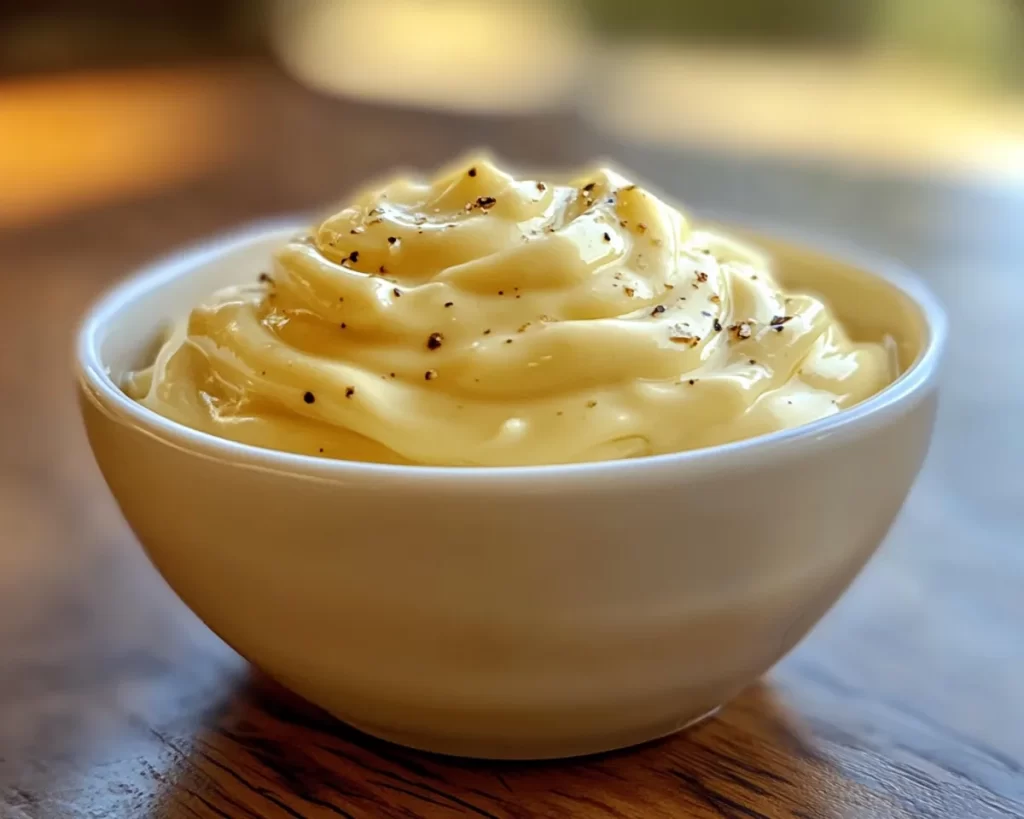
The final product is a creamy, thick sauce that melts in your mouth, adding a luxurious texture to sandwiches, salads, and dips. The flavor is a balance of tangy and rich, and the aroma is undeniably inviting, with the essence of eggs and a hint of acidity coming through. You can enhance it even further with herbs and spices, making it your own unique creation that reflects your taste.
Whether you’re preparing a classic sandwich or experimenting with a new salad dressing, homemade mayonnaise is a game changer. It can elevate simple dishes and transforms everyday meals into culinary delights. Additionally, making mayonnaise at home is not just about taste; it’s about knowing exactly what’s going into your food.
Why You’ll Love This
The first reason you’ll love homemade mayonnaise is the **taste**. It has a richness and depth of flavor that store-bought versions simply cannot match. Freshly made mayonnaise allows you to adjust the seasoning to your liking, and you can even play with different oils for unique flavor profiles. The **texture** is another reason; it’s creamy without being heavy, perfect for spreading on sandwiches or as a base for dips.
Another fantastic aspect of homemade mayonnaise is its **ease** of preparation. With just a handful of ingredients and a few minutes, you can produce something extraordinary. There’s no need for special equipment; a simple whisk or an immersion blender will do the trick. You’ll feel a surge of accomplishment when you create something so delicious and versatile in your own kitchen.
Not to forget the **cost**! Making mayonnaise at home is surprisingly economical compared to purchasing gourmet versions at the store. You’ll save money while enjoying a fresher product. Moreover, homemade mayonnaise allows for **versatility**. You can customize it with your choice of herbs, spices, and acids to fit any dish you prepare. Whether it’s garlic aioli for your fries or a zesty citrus mayo for your fish tacos, the possibilities are endless!
There’s a common misconception that making mayonnaise is a complicated process and something best left to professional chefs. However, once you understand the basic technique, you’ll realize it’s incredibly straightforward. The usual fear of separating the ingredients is mitigated by the right methods, which we’ll cover soon.
Ingredients You’ll Need
To make your quick and creamy homemade mayonnaise, gather the following ingredients:
- 1 large egg yolk – The primary emulsifier, providing richness and stability.
- 1 tablespoon Dijon mustard – Adds flavor and also helps stabilize the emulsion.
- 1 tablespoon white wine vinegar or lemon juice – Provides acidity, balancing the richness of the oil.
- 1 cup neutral oil (like canola or grapeseed) – The body of the mayonnaise; choose a flavorless oil to avoid overpowering the taste.
- Salt – Enhances the flavors and brings everything together.
- Optional: pepper, herbs, or garlic – For additional flavor variations.
Each ingredient serves a crucial purpose. The egg yolk is the heart of the mayonnaise, providing richness and helping to create a stable emulsion. Dijon mustard not only lends flavor but also assists in binding the other ingredients. The acidity from either vinegar or lemon juice cuts through the richness, enhancing the overall taste.
Using a neutral oil allows the other flavors to shine, without any lingering taste from the oil itself. Additionally, seasoning with salt is vital; it’s the element that will elevate your mayonnaise from good to exceptional. You can even get creative by adding optional seasonings like pepper or even herbs to match your dishes.
How to Make
Making homemade mayonnaise is easy and rewarding. Follow these simple steps to whip up your own batch:
- Gather Your Ingredients: Before diving in, ensure all ingredients are at room temperature. This helps the emulsion come together more easily. Cracking the egg and separating the yolk should be your first step. Place only the yolk in a mixing bowl. If you’re making it in bulk, consider using a blender or food processor for efficiency.
- Combine the Base Ingredients: In your bowl with the egg yolk, add the Dijon mustard and vinegar or lemon juice. Whisk these together until they’re fully blended. This mixture should become slightly lighter in color, and the ingredients should be fully integrated. The mustard not only flavors but begins the emulsifying process.
- Slowly Add the Oil: With your mixing whisk or blender running, start to add the oil very slowly at first; this is crucial for the emulsification process. If you add the oil too quickly, the mixture may not come together properly. You should see the mixture start to thicken as you incorporate the oil in a thin stream.
- Whisk Until Thick: Continue whisking vigorously as you add the rest of the oil. The mixture will become creamy and thick as you go along. This should take just a few minutes. The magical moment will happen when the mayonnaise has reached your desired consistency. If it’s too thick, a teaspoon of warm water can be added to loosen it up.
- Season to Taste: Now it’s time to finish off your homemade mayonnaise! Taste the mayonnaise and season it with salt. Depending on your preference, you can also add additional seasonings like pepper, garlic powder, or fresh herbs. Whisk until fully incorporated.
- Transfer and Store: Once satisfied with your homemade mayonnaise, transfer it to an airtight container. It can be stored in the refrigerator for up to one week. Make sure to label your container with the date to ensure freshness.
The texture should be creamy, smooth, and spreadable yet thick enough to hold its shape. Avoid rushing the oil incorporation; this is crucial for a successful mayonnaise. If using a food processor, follow the same steps; just be sure to keep the motor running while you add the oil.
Variations & Substitutions
Garlic Aioli: If you’re feeling adventurous, try transforming your mayonnaise into a garlic aioli by adding crushed garlic. Start with one or two cloves, minced finely, and add them at the seasoning step. This variation infuses the mayo with a robust garlic flavor, perfect as a dip for fries or spread on sandwiches. The aioli will have a slightly chunkier texture compared to the smooth traditional mayo, which some people find appealing.
Herb-Infused Mayonnaise: Another delightful option is to create an herb-infused mayonnaise. You can use fresh herbs such as basil, parsley, or dill to add a fresh flavor boost. Simply chop the herbs finely and stir them in along with the seasoning. This variation is excellent for topping grilled meats or mixing into potato salad for a refreshing twist. Remember, the fresher the herbs, the better the taste!
Spicy Sriracha Mayo: For those who appreciate heat, try adding Sriracha or your favorite hot sauce to the basic mayonnaise. Start with a tablespoon of Sriracha and adjust according to your heat tolerance. This spicy variation works wonders as a condiment for seafood or as a topping on burgers. The heat balances beautifully with the creaminess of the mayo, making it an instant hit at barbecues.
Vegan Mayonnaise: If you’re following a vegan diet, you can still enjoy creamy mayo. Swap out the egg yolk for aquafaba, the liquid from canned chickpeas. Use the same proportions, and you’ll be surprised by how effective aquafaba is in creating an emulsion. This variation tastes fantastic and is a perfect substitute for traditional mayonnaise in any recipe.
Avocado Mayo: For a healthier twist, consider making avocado mayo. Simply replace some of the oil with ripe avocado. Blend the avocado, egg yolk, and lemon juice together first, then implement the oil slowly. This version will be slightly green and incredibly creamy, with the healthy fats from the avocado elevating the nutritional profile. It’s a nutritious alternative that works wonders in salads or as a base for spreads.
Each variation retains the ease and simplicity of the original recipe while offering different flavor profiles that can enhance a vast array of dishes. Feel free to experiment and adapt the recipe to suit your dietary needs and flavor preferences.
Common Mistakes to Avoid
While making homemade mayonnaise can be straightforward, several common pitfalls can lead to failure. A primary error is not ensuring that all ingredients are at room temperature. If the egg yolk is too cold, it can lead to difficulty in emulsifying the oil properly.
Another mistake is adding the oil too quickly, causing the ingredients to separate rather than blend. Always start slowly, allowing the emulsion to form before increasing the oil’s intake. If you notice the mixture breaking or separating, don’t panic! You can fix it by starting a new egg yolk in a separate bowl, then slowly adding the broken mayo into the new yolk while whisking continuously.
An important warning is to be mindful of food safety; since this recipe uses raw egg, ensure you use fresh eggs from a reputable source to minimize the risk of foodborne illness. Always store your homemade mayonnaise in the refrigerator and consume it within about a week.
Other common mistakes include under-seasoning or over-seasoning. Make sure to taste and adjust the seasoning to your preference, ensuring a well-balanced flavor in the final product.
Storage, Freezing & Reheating Tips
Storing homemade mayonnaise is simple, but it’s crucial to follow food safety best practices. Store your mayo in an airtight container and keep it refrigerated. Properly stored, it should last for about one week. Always check for any off-odors or changes in color before consuming.
Freezing mayonnaise is not recommended. The texture changes significantly upon thawing, leading to separation and a less appealing consistency. Instead, consider only making what you can consume within a week to maintain freshness.
If you do find yourself with leftover mayonnaise after a week in the fridge, use it creatively in high-usage dishes like potato salads, pasta salad, or in marinades to avoid waste.
Additionally, remember to label your mayonnaise with the preparation date and any alterations you’ve made, such as adding spices or herbs. This way, you can keep track of its freshness and enjoy your gourmet creation fully.
Frequently Asked Questions
Can I use olive oil instead of neutral oil?
Absolutely, you can use olive oil, but keep in mind that the flavor will be more pronounced. Extra virgin olive oil will yield a more robust taste, which may overwhelm the subtle notes of the mayonnaise. If you prefer a milder flavor, consider using lighter olive oil or a combination with neutral oil for balance.
What can I do if my mayonnaise doesn’t thicken?
If your mayonnaise hasn’t thickened, it’s likely due to the oil being added too quickly or the ingredients being too cold. You can rescue it by starting a new yolk in a separate bowl and gradually whisking in the un-emulsified mixture. This should result in a creamy texture.
Can I make mayonnaise without an egg?
Yes! You can make a delightful vegan mayonnaise using aquafaba, the liquid from canned chickpeas. It behaves similarly to egg whites and can create a lovely emulsion. Simply follow the same steps, substituting the yolk for aquafaba.
How do I adjust the flavor of my mayonnaise?
You can easily personalize the flavor by adding spices, herbs, or different acids. For instance, adding garlic or Sriracha gives it a zesty kick, while fresh herbs lend a refreshing flavor. Don’t be afraid to experiment; just remember to start with small amounts and taste as you go!
Is homemade mayonnaise healthier than store-bought?
Generally, yes! When you make mayonnaise at home, you control the ingredients, avoiding unwanted preservatives and additives found in many store-bought versions. Additionally, you can choose high-quality oils, which offers health benefits that traditional mayonnaise may lack.
Conclusion:
Homemade mayonnaise is a culinary treasure, showcasing flavor, ease of preparation, and versatility. Creating this creamy condiment allows you to elevate your dishes, all while controlling ingredients for a healthier option. So why not give it a try? Customize it to fit your tastes, and enjoy the satisfaction of making something delicious from scratch. You’ll not only impress your family and friends but also boost your confidence in the kitchen. Let the beauty of homemade mayonnaise inspire your culinary adventures!