Prep time: 30 minutes
Cook time: 20 minutes
Total time: 50 minutes
Servings: 4
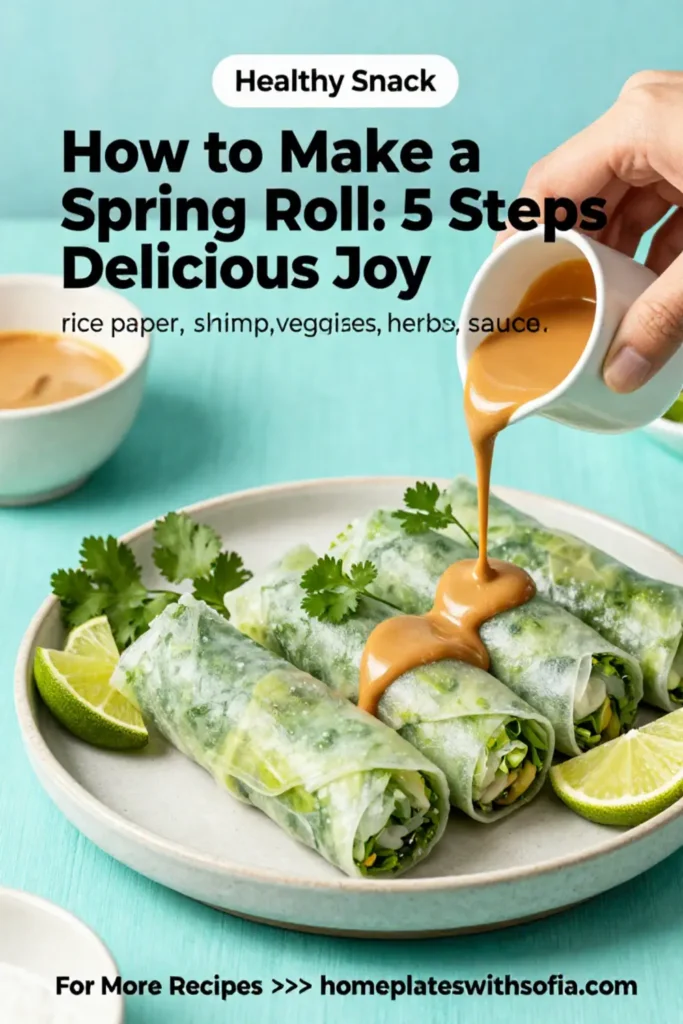
Making homemade **spring rolls** is a delightful way to enjoy fresh and healthy ingredients wrapped within a crispy exterior. Perfect for family gatherings, casual dinners, or meal prep, these spring rolls can be customized to suit any taste. The recipes are simple enough for beginners, yet expansive with lots of potential for creativity.
What Is How to Make a Spring Roll: 5 Steps to Delicious Joy?
Spring rolls, originated from Southeast Asia, traditionally consist of thin rice paper filled with various ingredients, making them a fresh and versatile dish. They can be served as appetizers or light meals, and they are often accompanied by dipping sauces like peanut sauce or hoisin sauce. In this guide, we will walk you through how to make fresh spring rolls in five easy steps, ensuring a delicious outcome every time.
Why You’ll Love This
There are countless reasons to love spring rolls! **First**, they are incredibly adaptable; you can fill them with a variety of vegetables, meats, or seafood, depending on your personal preferences. **Second**, they offer a vibrant, crunchy texture with each bite, combined with the fresh taste of vegetables. **Third**, making spring rolls can be a fun family activity, where every member can choose their fillings and participate in assembling them.
Furthermore, spring rolls are relatively quick to prepare, making them a great choice for busy weekdays when you want a wholesome meal without the fuss.
Ingredients You’ll Need
- Rice paper wrappers: These are essential for wrapping the fillings. They become pliable in warm water.
- Cooked shrimp or chicken: Provides protein and can be seasoned to your liking. Choose cooked meat to save prep time.
- Rice noodles: They add substance and texture; use thin vermicelli noodles, boiled until tender.
- Fresh vegetables: Options include shredded carrots, cucumber strips, and leafy greens like lettuce or mint. These add crunch and flavor.
- Dipping sauce (optional): Peanut sauce, hoisin, or soy sauce complement the spring rolls beautifully.

How to Make
- Start by preparing all your ingredients. If using shrimp or chicken, ensure they are cooked and sliced thinly. Prepare rice noodles according to package instructions and let them cool. Chop fresh vegetables into thin strips, as this will allow for easy rolling.
- Fill a shallow dish with warm water. One at a time, dip each rice paper wrapper into the warm water for about 10-15 seconds, until it becomes soft and pliable. Lay it flat on a clean work surface.
- Begin layering your fillings on the lower third of the wrapper. Start with a layer of rice noodles, then add several pieces of shrimp or chicken, followed by a generous amount of fresh vegetables. Ensure not to overfill, as it may make rolling difficult.
- To roll, fold the sides of the wrapper in towards the center, covering the fillings. Then, starting from the bottom, roll the wrapper tightly upwards. Make sure the fillings are secure as you continue to roll, creating a neat cylinder.
- Once all the spring rolls are assembled, arrange them on a platter. Serve immediately with your favorite dipping sauce, or store them in the refrigerator for up to a couple of hours before serving.
Variations & Substitutions
Vegetable Spring Rolls: For a vegetarian option, replace the shrimp or chicken with extra vegetables and tofu. Use ingredients like bell peppers, avocado, and even spiced tofu for added flavor. The crispy lettuce leaves add a refreshing crunch, making the rolls satisfying and light.
Spicy Spring Rolls: Add diced jalapeños or Sriracha sauce for a kick of heat. You can mix this into the dipping sauce or sprinkle it over the fillings before rolling for an extra burst of flavor. Spicy spring rolls are great for those who love a bit of adventure in their meals.
Dessert Spring Rolls: Use sweetened cream cheese or fruit like bananas and strawberries as fillings. Instead of a savory dipping sauce, drizzle with chocolate sauce or serve with whipped cream for a fun dessert twist.
Common Mistakes to Avoid
One common mistake is using water that is too hot for soaking the rice paper. If the water is boiling, it may make the wrappers too soft and difficult to handle. Use warm, not hot, water for best results.
Another frequent issue is overfilling the rolls. This can lead to tearing of the wrapper during the rolling process. Aim for just enough fillings to create a satisfying bite without bursting the wrapper.
Lastly, not sealing the rolls properly could cause them to unravel. Ensure all edges are tucked in snugly and the roll is secured to maintain the shape and integrity while serving.
Storage, Freezing & Reheating Tips
**Storage:** Fresh spring rolls can be stored in the refrigerator for up to two days. Lay parchment paper between layers to prevent sticking. Place them in an airtight container to maintain freshness.
**Freezing:** If you’d like to prepare them in advance, place unwrapped rolls in the freezer. They can last up to a month; just ensure they are wrapped tightly. When ready to enjoy, let them thaw in the refrigerator before serving.
**Reheating:** While it’s best to enjoy spring rolls fresh, if you must reheat, place them in a toaster oven or air fryer for a few minutes to regain their crunch. Avoid using a microwave, as it will make them soggy.
Frequently Asked Questions
Can I make spring rolls ahead of time?
Yes, you can prepare the fillings in advance and assemble the rolls a few hours before serving. Store them in an airtight container in the refrigerator to keep them fresh. Just be mindful that they are best enjoyed within 1-2 days.
What can I use instead of rice paper?
If you can’t find rice paper, you can use other wraps like gluten-free tortillas or even large lettuce leaves. These may not offer the same texture as rice paper, but they can make for a delicious alternative.
How do I prevent my spring rolls from being soggy?
Make sure to pat dry all fresh ingredients. Excess moisture can lead to sogginess, especially if stored in an airtight container. To combat this issue, use parchment paper to separate layers.
What dipping sauces pair well with spring rolls?
Peanut sauce, hoisin sauce, and a simple soy sauce with a touch of lime juice are all fantastic options. Feel free to get creative with your own sauce mixtures or try spicy chili oil for a bold flavor!
What if my rice paper tears?
If a wrapper tears during rolling, don’t panic! Simply use another piece to wrap around the filling. Alternatively, you can use more filling to create a small “spring roll salad” instead.
Conclusion: Making spring rolls at home is an enjoyable and fulfilling experience, bringing together fresh ingredients and personal creativity. Once you master the basic technique, the possibilities are endless. Whether filled with proteins, vegetables, or integrated into dessert renditions, the joy of spring rolls lies in their versatility and enjoyable flavors. Gather your family, and embark on this culinary adventure that promises delectable results!