Prep time: 10 minutes
Cook time: 15 minutes
Total time: 25 minutes
Servings: 4
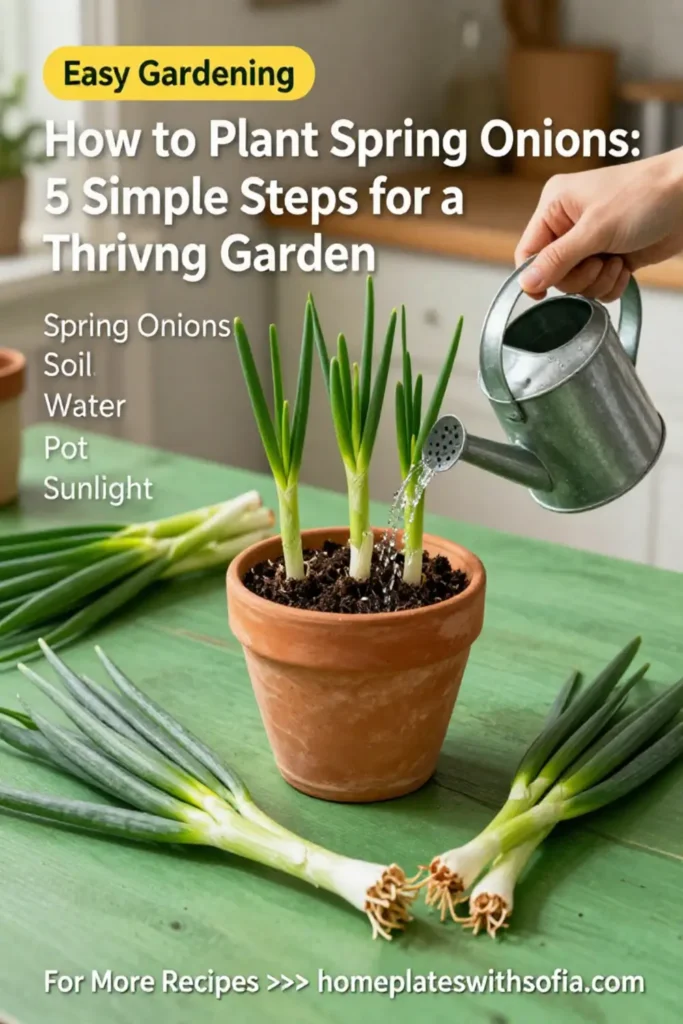
Planting spring onions is an enjoyable gardening task that can provide fresh flavors for your meals. Suitable for both seasoned gardeners and novices alike, spring onions are a versatile addition to your kitchen and garden. With just a bit of care and attention, you can enjoy a bountiful harvest. Here’s a comprehensive guide on how to plant spring onions in five simple steps.
What Is How to Plant Spring Onions: 5 Simple Steps for a Thriving Garden?
Planting spring onions, often referred to as scallions or green onions, is a simple and rewarding endeavor. These plants are easy to grow, flourish in various conditions, and can thrive even in small spaces. Whether you’re a beginner looking to enhance your culinary skills or a busy parent wanting to add fresh, healthy ingredients to your meals, spring onions make a perfect choice.
Why You’ll Love This
Spring onions are a gardener’s best friend! They grow quickly, often ready to harvest within 8 weeks after planting. Not only are they packed with flavor, making every dish a touch more vibrant, but they are also incredibly nutritious. They are low in calories and high in vitamins A, C, and K, along with essential minerals like calcium and iron. Furthermore, they can be incorporated into salads, soups, and stir-fries. This plant’s versatility makes it a staple in many kitchens, and growing them can be an enriching experience both for your gardening skills and your culinary repertoire.
Ingredients You’ll Need
- Spring Onion Seeds or Sets: Choose high-quality seeds or sets for a more robust harvest. Seeds will take slightly longer but offer a broader variety.
- Potting Soil: A rich, well-draining potting mix to support healthy growth.
- Fertilizer: A balanced fertilizer to promote healthy development; either organic or synthetic, based on your preference.
- Water: Essential for germination and overall growth; spring onions thrive in consistently moist soil.
- Containers or Garden Bed: Depending on your space, suitable containers or a designated garden bed will work.
How to Make
- Choose Your Location: Spring onions thrive in full sun, so select a location that receives at least six hours of sunlight daily. Whether it’s a garden bed or container, ensure it is well-draining to prevent waterlogging.
- Prepare the Soil: Use a trowel to mix potting soil in your garden bed or containers. If necessary, amend it with organic compost to create nutrient-rich soil that will support healthy growth.
- Sow the Seeds or Sets: Plant the seeds about half an inch deep, spacing them around 6 inches apart. If you’re using sets, plant them to the depth of their individual bulbs. Cover with soil and gently pat down to eliminate air pockets.
- Watering: Water the planted area thoroughly, ensuring the soil remains consistently moist but not soggy. You should check daily during the warm months; if the top layer feels dry, it’s time to water again. Consistent moisture leads to faster germination and stronger plants.
- Fertilization: After a couple of weeks, apply a balanced fertilizer. Follow the manufacturer’s instructions for the right quantity and frequency to avoid over-fertilization, which can harm your plants. This will encourage robust growth and yield.
Variations & Substitutions
Growing in Containers: If you’re short on space or want to start gardening indoors, potting spring onions in containers is a fantastic option. Use pots with drainage holes and fill them with high-quality potting mix. This allows you to move the pots according to sunlight availability and can beautify your space while providing fresh produce.
Interplanting: Consider interplanting spring onions with other fast-growing crops like radish or lettuce. This technique maximizes space and can offer natural pest deterrents, cultivating an organic environment in your garden.
Different Varieties: You can explore various types of spring onions, such as white, yellow, or red varieties, each providing unique flavors and colors for your dishes. Experimenting will enhance your culinary experiences and diversify your harvest.
Common Mistakes to Avoid
One common mistake is overwatering, which can lead to root rot, a serious problem for your onions. Watering should be consistent, but make sure the soil has proper drainage. Another issue is planting too closely, which can hinder healthy growth. Ensure to space your seeds or sets adequately to allow for airflow and development.
Storage, Freezing & Reheating Tips
To ensure your spring onions stay fresh, store them in the refrigerator wrapped in a damp paper towel inside a plastic bag. This method retains moisture and keeps them crisp for longer. If you have an abundant harvest, you can freeze them. Simply wash, chop them into the desired size, and place in an airtight container or freezer bag. For reheating, use them directly from frozen in dishes such as stir-fries or soups, where they can add a fresh kick without needing thawing.
Frequently Asked Questions
How long does it take to grow spring onions?
Spring onions typically take about 8 to 10 weeks to grow from seed to harvest, depending on various factors such as soil quality, temperature, and sunlight. Once planted, you can expect to see sprouts in about a week or two, allowing you to enjoy their vibrant flavor in just a short time.
Can I grow spring onions indoors?
Yes, you can easily grow spring onions indoors! Use a sunny window or bright artificial light, and ensure they receive adequate water and nutrients. Choosing smaller pots can help in maintaining your indoor space, making it practical for apartment dwellers or those with smaller gardens.
Do spring onions regrow after being cut?
Yes, spring onions can regrow after cutting! When you cut the green tops off, leave about an inch above the bulb, and you can place them in a glass of water on your countertop. Within a few days, you will notice new growth, providing you with a continuous supply of fresh onions.
Are spring onions the same as green onions?
Yes, spring onions and green onions are often used interchangeably; however, spring onions usually have a more developed bulb. The flavor profile can slightly differ, with spring onions offering a bit more bite compared to the milder green onions, but both are excellent in dishes needing a fresh, oniony taste.
What’s the best way to use spring onions in cooking?
Spring onions are incredibly versatile. You can use them raw in salads or as a garnish, sauté them for a more mellow flavor, or add them to soups and stir-fries. Their green tops can be used to enhance dishes visually and flavorfully, making them a must-have in your recipe arsenal.
Conclusion: Growing spring onions is an easy and rewarding gardening project that provides great returns. With the proper conditions, care, and attention, you can enjoy delicious, fresh ingredients straight from your garden. By following these simple steps and tips, you’ll be well on your way to a thriving spring onion garden. Whether you are a seasoned chef or a kitchen beginner, having your fresh spring onions will surely enhance your culinary adventures!