Prep time: 20 minutes
Cook time: 2 hours
Total time: 2 hours 20 minutes
Servings: 4 servings
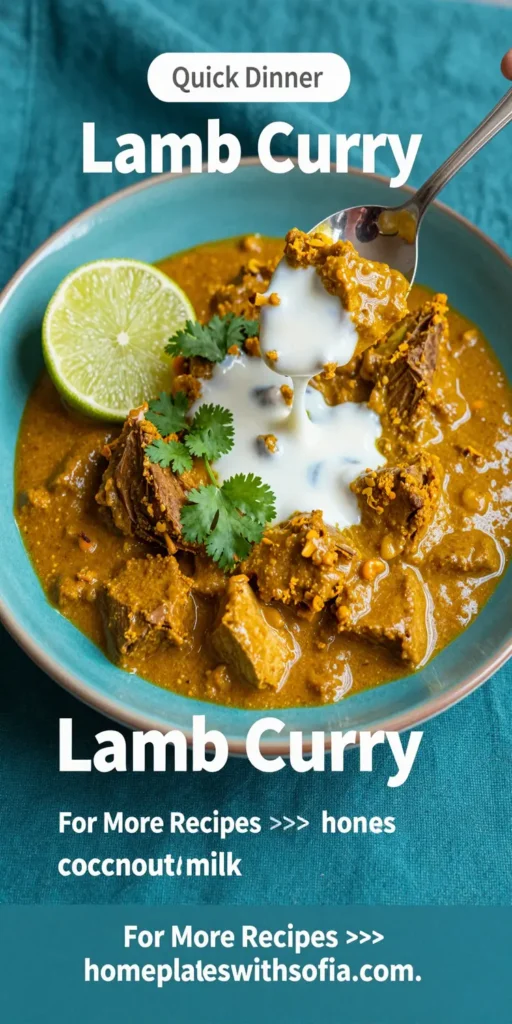
Lamb curry is a dish renowned for its rich flavors and aromatic spices. Every bite is a delightful journey through south Asian culinary tradition. Whether you’re cooking for a weekday dinner or hosting friends, this dish is sure to impress. Its hearty nature and rich seasoning make it perfect for every occasion, ideal for both novice and experienced cooks.
What Is Lamb Curry?
Lamb curry is a traditional dish typically made by simmering tender pieces of lamb in a blend of spices, herbs, and often a sauce, usually based on tomatoes or yogurt. The result is a savory and aromatic dish that’s perfect when served with rice or naan. The lamb becomes exceptionally tender through a slow cooking process, allowing it to absorb all the rich flavors surrounding it. There are countless variations of lamb curry, each bringing its own twist to this classic dish.
Why You’ll Love This
You’ll love lamb curry because it’s not just a meal; it’s an experience. The beautiful blend of spices offers a warmth that makes it utterly comforting, especially during colder months. It’s also customizable; you can adjust the spice levels to suit your preference. Moreover, the aroma that fills your kitchen while it cooks is inviting and mouth-watering. Treating your family or friends to a homemade lamb curry will not only please their taste buds, but it will also show your culinary skills.
Ingredients You’ll Need
- 2 lbs lamb shoulder: Chopped into bite-sized pieces. This cut is ideal for stewing, as it becomes tender when cooked over a long period.
- 2 tablespoons oil: Use vegetable oil or ghee for authentic flavor.
- 1 large onion: Finely chopped. This adds sweetness and depth to your curry.
- 3 cloves garlic: Minced. Garlic enhances the overall flavor.
- 1-inch piece of ginger: Grated. Ginger provides a warming spice.
- 2 tablespoons curry powder: This blend of spices is what gives your curry its signature flavor.
- 1 teaspoon turmeric: Adds both color and anti-inflammatory properties.
- 1 teaspoon cumin: Warming and aromatic, cumin is often used in Indian cuisine.
- 1 can (14 oz) diced tomatoes: Provides acidity and natural sweetness to balance the rich flavors.
- 1 cup coconut milk: This adds creaminess and richness, balancing the spices.
- Salt and pepper: To taste. Essential for bringing out all the flavors.
- Fresh cilantro: Chopped, for garnish. This adds a fresh, bright note on finishing.

How to Make
- In a large pot or Dutch oven, heat the oil over medium heat. Add the chopped onions and cook until they are soft and translucent, about 5-7 minutes. Stir occasionally to prevent them from burning.
- Add the minced garlic and grated ginger to the pot, cooking for an additional 1-2 minutes until they become fragrant. This combination will form the flavorful base of your curry.
- Stir in the curry powder, turmeric, and cumin. Allow the spices to cook in for about 2-3 minutes, which helps to release their essential oils, intensifying the flavor.
- Now, add the chopped lamb to the pot, coating it well with the spices. Brown the meat on all sides, which should take about 5-7 minutes. Searing the meat adds depth of flavor.
- Once the lamb is browned, pour in the can of diced tomatoes, followed by the coconut milk. Stir everything to combine, scraping up any browned bits from the bottom of the pot to add even more flavor.
- Bring the mixture to a simmer, then reduce the heat to low. Cover the pot and allow it to cook gently for about 1.5 to 2 hours, stirring occasionally, until the lamb is fork-tender and the sauce has thickened.
Variations & Substitutions
Vegetarian Lamb Curry: You can replace lamb with chickpeas or tofu for a vegetarian option. This substitution maintains the heartiness of the dish while being meat-free. Adjust the cooking times accordingly, as these ingredients will require less time to cook through. The flavors of the spices still pair beautifully with these alternatives.
Spicy Lamb Curry: For those who enjoy a kick, consider adding diced green chilies or a teaspoon of cayenne pepper when you incorporate the spices. Increase the quantity based on your heat tolerance. This will elevate the curry’s complexity and add significant heat while maintaining the warmth of the spices.
Slow Cooker Lamb Curry: If you’re short on time, you can easily adapt this recipe for a slow cooker. After browning the lamb and cooking the base, transfer everything to your slow cooker and let it cook on low for 6-8 hours. This method infuses even deeper flavors and requires minimal hands-on time.
Common Mistakes to Avoid
Using too much heat can easily burn the spices at the beginning, creating a bitter flavor in your curry. It’s crucial to keep the heat moderate when cooking the onions and spices. Additionally, do not skip browning the lamb; this adds a significant depth of flavor. Another common mistake is under-seasoning; always taste and adjust salt levels throughout the cooking process. Lastly, be cautious with cooking times; overcooking can lead to a dry curry.
Storage, Freezing & Reheating Tips
Lamb curry stores well in the fridge for up to 3 days. Allow it to cool completely before transferring to an airtight container. To extend its shelf life, you can also freeze lamb curry. Divide it into meal-sized portions and seal in freezer-safe bags or containers. Properly stored, it can last up to 3 months in the freezer.
When reheating, it’s best to thaw overnight in the refrigerator and then reheat on the stovetop over low heat, stirring occasionally. If the curry seems too thick after reheating, add a splash of water or coconut milk to bring it back to your desired consistency.
Frequently Asked Questions
Can I use other meats for curry? Yes, chicken and beef are excellent substitutes for lamb in curry recipes. Keep in mind that cooking times may vary depending on the type of meat you choose. Chicken tends to cook faster, while beef may need similar cooking times as lamb.
What is the best way to serve lamb curry? Lamb curry pairs wonderfully with basmati rice, naan, or flatbreads. You may also consider serving it with a side of raita, a cooling yogurt sauce that complements the spices beautifully. Garnishing with fresh cilantro adds a pop of flavor and color.
Can I make lamb curry ahead of time? Definitely! In fact, lamb curry often tastes even better the next day as the flavors continue to develop and deepen. Make sure to store it properly in the fridge or freezer as mentioned before.
What if my curry is too spicy? If your curry turns out spicier than desired, consider adding a bit of sugar or honey to balance the heat. You can also thin it out with additional coconut milk or cream to mellow the spiciness.
What is the best type of lamb to use? Using lamb shoulder or leg cuts is recommended due to their tenderness and flavor, especially when cooked slowly. These cuts break down beautifully during cooking, making them ideal for a curry dish.
Conclusion: Enjoying a homemade lamb curry is a delightful experience that brings warmth and comfort to the dinner table. As you explore different flavors and variations, you’ll find a recipe that perfectly suits your taste. This dish is a testament to how slow cooking can enhance the richness of simple ingredients, providing a satisfying meal that’s perfect for any occasion. So gather your ingredients, roll up your sleeves, and get ready to create a culinary masterpiece that everyone will enjoy!