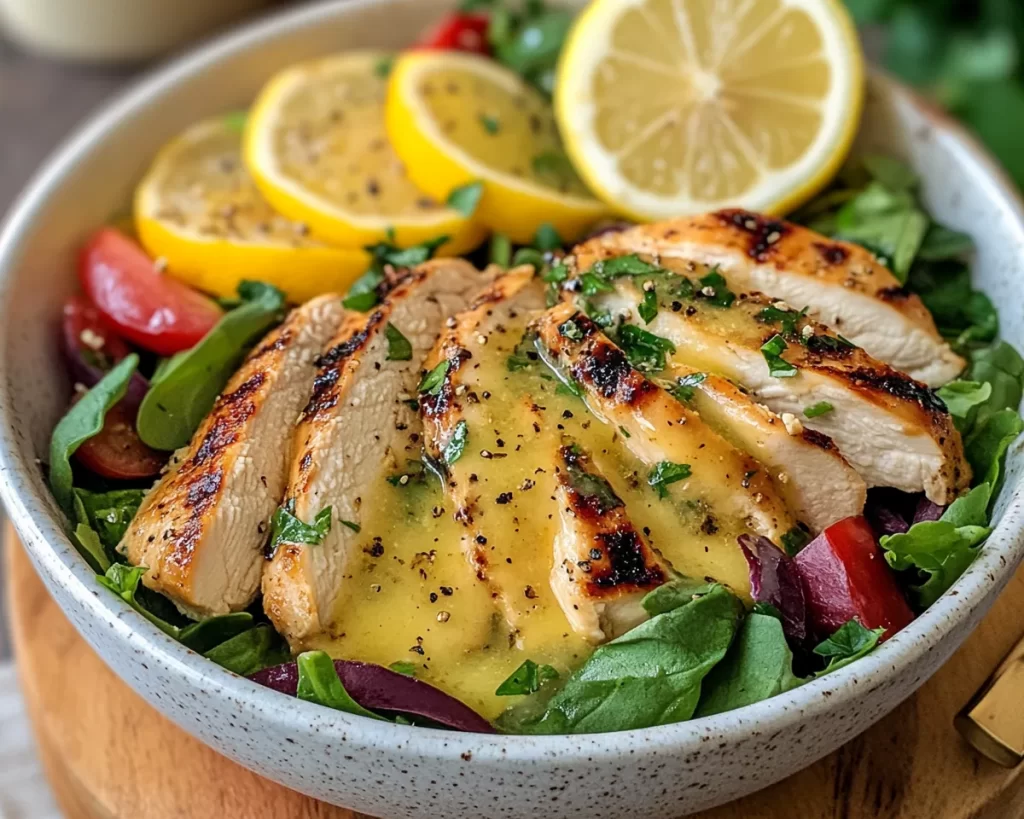
Prep time: 10 minutes
Cook time: 0 minutes
Total time: 10 minutes
Servings: 4
Have you ever dived into a chicken salad only to realize that it lacks that special zest that makes each bite incredibly enjoyable? Picture this: A warm summer day, your friends gathered around, and a refreshing chicken salad drizzled with a vibrant lemon vinaigrette that invigorates your palate. The magic of a well-prepared dressing elevates any dish, and today, we’ll explore how to create a luscious Lemon Vinaigrette Dressing specifically designed for chicken salad.
This recipe is not just another standard dressing; it’s brimming with **zesty lemony goodness**, combined with the rich notes of **olive oil**, tangy **vinegar**, and aromatic herbs. As we embark on this cooking journey, you’ll learn how to prepare this delightful dressing, the specific ingredients needed, as well as variations that can cater to various dietary preferences. By the end, you will have the knowledge and confidence to whip this dressing up effortlessly, allowing your chicken salads to shine bright at your next meal prep or gathering.
What Is Lemon Vinaigrette Dressing for Chicken Salad (Meal Prep)?
Lemon Vinaigrette Dressing is a light, refreshing sauce typically used in a variety of salads, especially chicken salad. Its roots can be traced back to French cuisine, where vinaigrettes are creating culinary masterpieces by balancing acidity and fat. This **vibrant dressing** combines fresh lemon juice with high-quality olive oil—ingredients that create an **emulsion** that marries flavors beautifully.
In terms of texture, this vinaigrette is smooth and silky, drenching each piece of chicken and vegetable in a way that enhances rather than overpowers. Its flavor is both bright and tangy, imparting a lightness that is especially appreciated in warmer months when fresh vegetables are plentiful. You may find that this dressing acts not only as a flavor enhancer but also as a meat tenderizer due to the acidity of the lemon juice.
This recipe uses simple, wholesome ingredients making it a favorite among health-conscious eaters. It’s not only quick to prepare but also allows you to incorporate it into meal prep. This way, you can enjoy delightful chicken salads throughout the week without the hassle of creating a dressing from scratch each time.
Why You’ll Love This
First and foremost, the **taste profile** of this lemon vinaigrette is sublime. The brightness from the lemons skillfully cuts through the richness of the chicken, creating a balanced and satisfying bite. It’s an easy and affordable way to elevate your meal prep without breaking the bank.
Secondly, this vinaigrette is incredibly versatile. Whether you are enjoying it with roasted chicken or crispy salads, it never disappoints. You can also customize it according to your dietary needs, allowing you to create variations that suit different tastes and health goals. Moreover, with a cook time of zero minutes and prep time being only ten minutes, you can quickly prepare it even on the busiest days, making it perfect for busy parents or anyone on a time crunch.
Additionally, many people tend to shy away from homemade dressings, fearing they could be complicated to make. However, this recipe dispels that misconception with clear instructions, delicious outcomes, and minimal equipment needed. Finally, this vinaigrette can be stored in the refrigerator, making it a convenient option for meal prep. Paired perfectly with your favorite chicken salad, it’s bound to become a staple in your kitchen.
Ingredients You’ll Need
- Fresh Lemon Juice: Provides the zesty tang that characterizes this vinaigrette. You can use bottled lemon juice, but for the best flavor, always opt for freshly squeezed.
- Extra Virgin Olive Oil: Adds richness and helps to balance the acidity of the lemon. Opting for quality olive oil, ideally organic, can significantly enhance the flavor.
- Apple Cider Vinegar: This component adds another layer of acidity and complexity to the dressing. If you don’t have apple cider vinegar, white wine vinegar can serve as a great substitute.
- Honey or Maple Syrup: A touch of sweetness that beautifully round off the tanginess of the vinaigrette. Use either, depending on your preference for natural sweeteners.
- Mustard: Dijon mustard works best in this recipe as it adds a unique flavor and helps emulsify the dressings for a smoother result.
- Fresh Herbs (optional): Adding chives, parsley, or thyme can enhance the flavor even further. Use whatever fresh herbs you have on hand.
- Salt and Pepper: Essential seasonings that will bring out the best in the vinaigrette. Always taste your dressing and adjust accordingly.
Each ingredient plays a crucial role in the overall flavor and texture of the vinaigrette. You can easily substitute some of these ingredients based on availability and your personal preferences, allowing you to craft a vinaigrette that suits your unique taste profile while never compromising on flavor.
How to Make
1. Start by **squeezing fresh lemons** to obtain around 1/4 cup of juice. It’s best to strain the juice to remove any seeds or pulp, ensuring a smooth texture. Fresh lemon juice is key, as it provides bright and zesty flavor, enhancing the overall taste of the vinaigrette.
2. In a mixing bowl or a jar with a lid, combine the fresh lemon juice with **1/4 cup of extra virgin olive oil**. The oil adds richness and helps to mellow out the acidity, providing a nice balance. Feel free to use a whisk or a fork to combine the ingredients if you’re using a bowl.
3. Next, add **2 tablespoons of apple cider vinegar** along with **1 tablespoon of honey or maple syrup**. This combination brings a touch of sweetness that balances the tartness of the lemon juice. The vinegar also adds an additional layer of acidity, which is essential for a well-rounded vinaigrette.
4. Stir in **1 tablespoon of Dijon mustard**, which acts as an emulsifier, helping the oil and vinegar blend. Adding mustard lends a unique flavor profile, and whisking until smooth will also help you avoid a separation of ingredients.
5. Season with **salt and pepper** to taste. Start with a pinch of salt and a few cracks of black pepper, then taste the vinaigrette. Adjust accordingly until you find the right balance for your palate. This is an important step, as seasoning is crucial in making the flavors pop.
6. Finally, if desired, chop up some **fresh herbs** like parsley or chives and stir them into the vinaigrette for an added dimension of flavor and freshness. Fresh herbs can make a significant difference, so feel free to experiment with what you have.
And just like that, your Lemon Vinaigrette Dressing is ready to be enjoyed! You can either use it immediately or store it in the refrigerator for later use. The flavors will meld beautifully after sitting for a bit. Before using, give it a good shake or stir.
Variations & Substitutions
Herb-Infused Variation: One way to enhance the flavors in your vinaigrette is to infuse it with fresh herbs. Adding fresh tarragon or basil can create a lovely herbaceous note, making the vinaigrette even more aromatic. Simply pulse the herbs into the dressing, and you’ll have a gourmet touch that works beautifully with chicken salads.
Spicy Mustard Variation: If you want a kick, replace regular Dijon mustard with spicy brown mustard or a hit of cayenne pepper. This variation is perfect for those who enjoy a bit of heat. Not only does it add complexity, but it also brightens up the vinaigrette, offering a surprising twist that tantalizes the taste buds.
Vegan Option: For a vegan-friendly dressing, swap out honey for maple syrup or agave nectar. Both alternatives provide sweetness without using animal products. This version is perfect for those adhering to a vegan diet while still allowing them to enjoy a delightful dressing on their chicken salads.
Garlic-Infused Variation: Adding minced garlic to this dressing elevates its flavor profile significantly. One small clove of garlic, finely minced, can add a delightful aroma and depth to the vinaigrette. Be sure to let the vinaigrette sit for about 15 to 30 minutes to allow the garlic flavor to infuse properly.
Citrus Medley Variation: Expand on the classic lemon flavor by incorporating other citrus juices such as lime or orange into your vinaigrette. Mix lemon juice with lime juice in equal parts to create a more complex flavor. This appeals to those looking for a fruity twist while still retaining the essential elements of the vinaigrette.
Common Mistakes to Avoid
One significant mistake often made is not **balancing the acid and fat** correctly. If the vinaigrette is too acidic, try adding more olive oil or a touch more honey to mellow it out. Conversely, if there’s too much oil, a splash of vinegar or lemon juice will help restore balance.
Another common error is failing to emulsify the vinaigrette properly. This can lead to a broken dressing, where the oil and acid separate. To prevent this, always whisk or shake vigorously until the mixture is well combined. A jar with a lid is especially useful for this purpose, allowing you to shake it until fully emulsified.
A further critical mistake is neglecting seasonings. Always taste your vinaigrette and adjust the salt and pepper as needed. Under-seasoning can leave your dressing flat or bland, failing to enhance your salad as intended. Just a pinch of salt can elevate all the flavors and make a world of difference.
Lastly, storing vinaigrette in the refrigerator for too long can lead to the loss of flavor quality. Homemade vinaigrettes generally last about a week, so make sure to label the storage container with a date. If it goes beyond this period, it’s better to discard it and make a fresh batch.
Storage, Freezing & Reheating Tips
When it comes to storing your Lemon Vinaigrette Dressing, keeping it in an airtight container in the refrigerator is your best bet. You can use a small glass jar or any covered container that seals tightly. This will keep your vinaigrette fresh for up to one week. Over time, you may notice that the ingredients may separate; this is natural. Simply shake or stir to recombine before each use.
If you are considering **freezing the vinaigrette**, it is somewhat less common but can be done. Note that the **texture may change slightly**, and herbs might not hold up as well once thawed. If you choose to freeze it, divide it into smaller portions to avoid thawing the whole batch at once. When ready to use, thaw it in the refrigerator overnight, and make sure to shake or stir well before serving.
When it comes to reheating, vinaigrette is not typically reheated. Instead, it should be served cold or at room temperature. If you find that the vinaigrette has thickened during refrigeration, allowing it to sit out at room temperature for a few minutes will help it return to its desired consistency.
In terms of food safety, always ensure that your preparation tools and containers are clean. If you notice an off smell or any signs of spoilage after a week, it’s best to err on the side of caution and discard it.
Frequently Asked Questions
Can I use bottled lemon juice instead of fresh?
While bottled lemon juice is convenient, using fresh lemon juice is highly recommended for optimal flavor. Fresh lemons provide a bright and zesty flavor that simply cannot be replicated with bottled options. You may also lose some of the **nutritional benefits** by opting for the bottled variety, as fresh juice contains more vitamins.
How can I make the vinaigrette creamier?
If you prefer a creamier dressing, consider adding a dollop of plain yogurt or sour cream. This adds a rich texture while still allowing the lemon flavor to shine through. Blend well with the other ingredients to ensure a smooth consistency. You may also consider using **avocado** as it blends well and creates a delightful creaminess.
Is this vinaigrette suitable for meal prep?
Absolutely! This Lemon Vinaigrette Dressing is perfect for meal prep. Make a batch on the weekend and store it in airtight containers for easy use throughout the week. Drizzling it over your chicken salads will save you time, preventing daily preparation while still offering a **fresh flavor**.
What salad combinations work best with this vinaigrette?
This dressing pairs fabulously with a variety of salads. Mixed greens, roasted vegetables, and grilled chicken are excellent choices. Feel free to add nuts or seeds for an added crunch. The lemon vinaigrette complements flavors without overpowering them, ensuring every bite is enjoyable.
Can I adjust the acidiо factor if I used too much lemon?
If you find that you added too much lemon juice, don’t worry. You can balance it out by adding more olive oil to dilute the acidity. Start with small amounts and taste frequently until it achieves the flavor profile you prefer. Adding a touch more sweetener can also help mellow the lemon’s acidity.
Conclusion:
In summary, this Lemon Vinaigrette Dressing for Chicken Salad is a beautiful blend of bright flavors, rich texture, and versatility. Its simplicity allows for easy adjustments, making it a favorite go-to for any home cook. Whether you are whipping it up for a casual dinner or prepping for the week ahead, you are bound to love the freshness it brings to your meals. Don’t hesitate to play around and customize this recipe to make it your own! Dive into this delightful experience, and share your delicious creations with family and friends. Happy cooking!