Prep time: 10 minutes
Cook time: 0 minutes
Total time: 10 minutes
Servings: 4 servings
If you’ve ever enjoyed a refreshing, vibrant Greek salad, you’ve likely experienced the wonderful interplay of tangy flavors that comes from a good dressing. What if you could replicate that same excitement at home without spending an entire afternoon cooking? Today, we’re diving into the world of **Lemon Vinaigrette Dressing for Greek Salad**, a recipe that is both easy and fast to whip up. This dressing not only elevates your salad game but also serves as a versatile dressing you can use for various dishes.
You’ll learn how to achieve that perfect balance of acidity and flavor, making your Greek salad burst with freshness. We’ll also explore different variations to suit various dietary needs and preferences, ensuring there’s something for everyone. So, roll up your sleeves and get ready to make a dressing that brightens up your meal in just a few minutes!
What Is Lemon Vinegarette Dressing for Greek Salad (Easy + Fast)?
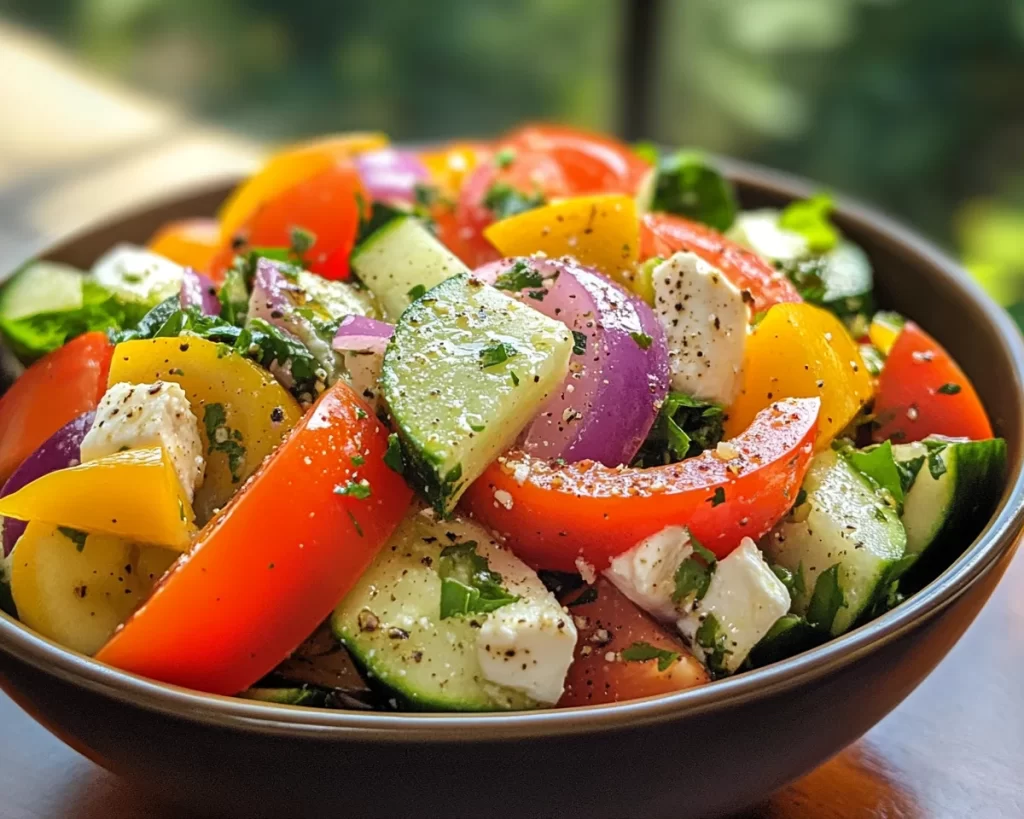
**Lemon Vinaigrette Dressing** is an essential component that brings together the classic ingredients found in Greek salads. Originating from the Mediterranean, this bright dressing complements the refreshing **tomatoes**, **cucumbers**, and **feta cheese**, elevating these fresh ingredients into a harmonious dish. Its predominant flavor profile—a zesty burst of lemon balanced with the richness of olive oil—creates a delightful tang that invigorates the palate.
The beauty of this dressing lies in its simplicity and versatility. Made primarily from lemon juice, olive oil, and basic seasonings, it requires no cooking and can be prepared in minutes, making it ideal for **busy parents**, **meal prep enthusiasts**, and **beginners in the kitchen**. You can use this vinaigrette beyond Greek salads as a dressing for grilled vegetables, a marinade for chicken, or even a dip for crusty bread.
With its lively taste and straightforward preparation, you’ll find this **Lemon Vinaigrette** to be a staple in your culinary repertoire, bringing brightness and a splash of Mediterranean ambiance to all your meals.
Why You’ll Love This
You’ll fall in love with this dressing, and here’s why: Firstly, the taste is simply irresistible. The zesty tang of **fresh lemon juice** combined with **extra virgin olive oil** adds a burst of freshness that transforms even the simplest salad into a flavor-packed experience. Secondly, it’s incredibly easy to make. With just a handful of ingredients and minimal time required, this dressing fits seamlessly into your busy schedule.
On top of that, it’s cost-effective. Making your own salad dressing at home is not only cheaper than store-bought options, but you also avoid preservatives and additives, ensuring you control what goes into your food. **Health-wise**, homemade dressings typically boast healthier fats and fewer calories, making them a great choice for those mindful of their diet.
Yet, it’s essential to note common misconceptions regarding salad dressings. Many people believe that flavorful dressings are complicated and require exotic ingredients. Not true! This Lemon Vinaigrette proves that with a few simple components, you can create something remarkable. Why settle for bland store-bought dressings when you can whip up this lively vinaigrette in mere minutes?
Ingredients You’ll Need
To make this zesty Lemon Vinaigrette Dressing, gather the following ingredients:
- 1/4 cup fresh lemon juice – Adds the signature tang. Fresh juice is preferable to bottled for its bright flavor.
- 1/2 cup extra virgin olive oil – Provides richness and a silky texture, making the dressing smooth and luscious.
- 1 teaspoon Dijon mustard – Adds depth and a hint of spiciness, acting as an emulsifying agent for better mixing.
- 1 clove garlic, minced – Imparts an aromatic quality that complements the other flavors beautifully.
- Salt and pepper to taste – Enhances all other ingredients, grounding the vinaigrette in flavor.
- 1 teaspoon honey (optional) – If you prefer a touch of sweetness, honey can balance out the acidity of the lemon.
Each ingredient plays a unique role in creating a distinctive flavor profile. For example, if you are out of olive oil, you can substitute it with avocado oil for a lighter taste or grapeseed oil if you prefer a neutral flavor. Not only does this versatility cater to your needs, but it also empowers you to customize the vinaigrette to your liking.
How to Make
Making **Lemon Vinaigrette Dressing** is an uncomplicated process that can easily become a part of your kitchen routine. Follow these steps for perfect results every time:
- Prepare your ingredients: Start by gathering all your ingredients and measuring them out. Fresh lemon juice is at the forefront, so ensure you have lemons ready for juicing. To get the most juice, roll the lemon on the countertop with your palm beforehand.
- Combine the liquids: In a mixing bowl or a mason jar, pour in the fresh lemon juice, followed by the **extra virgin olive oil**. The ratio of lemon juice to olive oil is crucial here; it balances the acidity with richness.
- Add flavorings: Next, mix in the **Dijon mustard** and minced garlic. These ingredients elevate the dressing by adding complexity. If you love a touch of sweetness, include the honey as well, ensuring everything aligns with your palate.
- Season to taste: Sprinkle in salt and freshly cracked black pepper. Start with a small pinch of salt and adjust according to your preferences. This step is essential, as seasoning will enhance the overall flavor of the vinaigrette.
- Emulsify: Whisk the ingredients together vigorously or seal the mason jar and shake it until the dressing has emulsified and is smooth in texture. You’re looking for a cohesive mixture where the oil and lemon juice are well-integrated; it should have a creamy appearance. Don’t rush this step, as adequate emulsification gives the vinaigrette a luxurious texture.
- Taste and adjust: After emulsification, taste your dressing. Does it need a bit more salt, a squeeze of lemon, or perhaps more honey? Adjust as necessary to create your perfect balance of flavors. Your vinaigrette should be tangy yet harmonious.
This dressing is best when allowed to sit for a few minutes, allowing the flavors to meld together beautifully. When you pour it over your Greek salad, you’ll notice how each leaf and ingredient is coated in a flavorful embrace, setting the stage for a delightful eating experience.
Variations & Substitutions
Herbed Lemon Vinaigrette
If you want to add an aromatic twist, consider incorporating fresh or dried herbs like oregano, thyme, or basil. These herbs echo the traditional flavors found in Greek cuisine and enhance the overall freshness of your vinaigrette. Use about a teaspoon of dried herbs or a tablespoon of finely chopped fresh herbs. This is particularly beneficial for those who adore extra flavors in their dishes without overwhelming the original vinaigrette.
Spicy Lemon Vinaigrette
For those who enjoy a bit of heat, adding a pinch of red pepper flakes or a couple of dashes of hot sauce can elevate this dressing into an exciting spicy lemon vinaigrette. The added kick will provide a delightful contrast, enhancing the flavors of not only Greek salads but grilled meats and vegetables as well. Adjust the heat level according to your preference.
Avocado Lemon Vinaigrette
For a creamier dressing, consider blending ripe avocado into the vinaigrette. Add about half a mashed avocado in place of some of the oil, creating a creamy, thicker dressing that’s particularly satisfying. This variation is perfect for those looking to incorporate more healthy fats and nutrients into their diet, without losing the wonderful lemony essence of the original recipe.
Citrus Lemon Vinaigrette
Alternatively, experimenting with citrus can bring a refreshing twist. Add juice from oranges or limes to the lemon juice for a mixed citrus vinaigrette. The layers of flavor from different citrus will provide a unique zing and aromatic depth. This is an excellent option for summer salads, adding a vibrant note to your dishes.
Vegan Lemon Vinaigrette
Even though this recipe is already vegan-friendly, you can make it even more so by ensuring that the mustard you use contains no added sugar or animal products. This dressing is a fantastic way to add flavor to salads, roasted vegetables, or grain dishes while sticking to a vegan diet.
Common Mistakes to Avoid
When whisking up this vinaigrette, it’s crucial to avoid the common mistake of not emulsifying properly. If the oil and vinegar (or in this case, lemon juice) separate quickly, it indicates that the mixture wasn’t whisked long enough. Spend a bit more time emulsifying the ingredients; you want them to combine beautifully for the ultimate dressing experience.
Another pitfall is using bottled lemon juice instead of fresh juice. The flavor of bottled lemon juice lacks the vibrancy and zest that fresh lemons provide, making a noticeable difference in your vinaigrette’s overall taste. Invest the time to juice a fresh lemon for maximum flavor.
A third mistake involves seasoning. Don’t rush the salting process; tasting your vinaigrette as you season it can make or break the final taste. Salt amplifies flavors, so it’s essential to find the right balance that enhances the dressing without overwhelming it. Always season to your liking, but start small to avoid over-salting.
Storage, Freezing & Reheating Tips
The best way to store your Lemon Vinaigrette Dressing is in an airtight container, such as a mason jar or a sealable bottle. Ideally, it should be stored in the refrigerator, where it can last for up to two weeks. However, due to the use of fresh ingredients like lemon juice and minced garlic, it’s better to consume it within the first week for optimal flavor.
If you notice any separation of the oil and lemon juice over time, give the jar a good shake before using. Don’t be alarmed if you see some separation; this is normal since homemade vinaigrettes lack the emulsifying agents found in commercial dressings.
While you generally don’t freeze vinaigrettes due to the risk of altering both texture and flavor, if you have a large batch, consider freezing smaller portions in ice cube trays. This way, you can easily pop out a cube for dressing a salad or chicken, although keep in mind that the texture may slightly change upon thawing.
Food safety is essential. Always ensure your ingredients are fresh, especially when it comes to lemon juice and garlic. If you have noticed any off-smells or colors, it’s best to throw the vinaigrette away to safeguard your health.
Frequently Asked Questions
Can I make this dressing in advance?
Absolutely! This dressing can be prepared a day ahead and stored in the refrigerator. In fact, allowing it to sit for a while helps the flavors meld together. Just remember to shake or whisk it again before serving, as separation can occur during storage.
Can I use other types of vinegar instead of lemon juice?
While lemon juice is the star of this recipe, you can certainly experiment with other types of vinegar, such as red wine vinegar or apple cider vinegar. Just keep in mind that each vinegar will impart a distinct flavor, so it may alter the dressing’s overall profile.
Is it possible to customize this vinaigrette?
Yes! One of the beauties of vinaigrette is its versatility. You can add herbs, spices, or even other citrus fruits to create endless variations. Feel free to play with the ingredients until you find a blend that suits your taste perfectly.
Can I use this dressing as a marinade?
Definitely! This Lemon Vinaigrette works wonderfully as a marinade for chicken, fish, or even vegetables. Just remember to marinate for a shorter time when using acidic dressings to keep your ingredients tender without becoming mushy.
What if I don’t have Dijon mustard?
If you find yourself without Dijon mustard, you can use yellow mustard instead or omit it entirely if you prefer. However, the mustard not only aids in emulsification but adds a slight tanginess that enriches the flavor, so be mindful of what you choose.
Conclusion:
Incorporating this **Lemon Vinaigrette Dressing for Greek Salad** into your kitchen routine can truly transform your salad experience. Its vibrant flavors, ease of preparation, and versatility make it a standout addition to any meal. Whether you’re enjoying a classic Greek salad, grilled vegetables, or even using it as a marinade, this dressing is sure to impress. Don’t hesitate to make it your own with flavors that excite you, and remember to share this simplicity with your friends and family. Try it today, and discover how a few simple ingredients can create something remarkable!