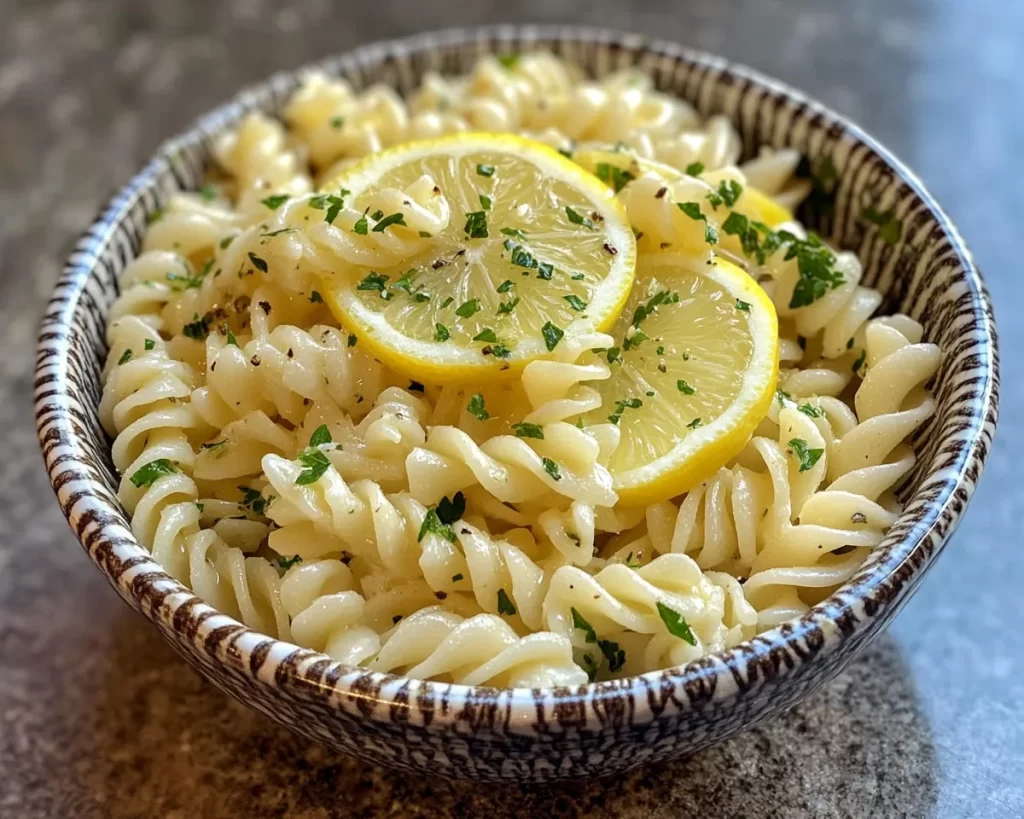
Prep time: 10 minutes
Cook time: 0 minutes
Total time: 10 minutes
Servings: 4-6
When the weather warms up, nothing beats a light and zesty pasta salad drizzled with a homemade lemon vinaigrette dressing. The bright citrus flavor from the lemon invigorates every bite, making this recipe a refreshing companion at barbecues, picnics, or even as a light lunch option on a busy day. Imagine biting into tender pasta coated in a tangy, aromatic dressing, mingling with vibrant vegetables; it’s the kind of dish that can transport you to a sun-drenched patio, sharing good food with family and friends.
This lemon vinaigrette dressing for pasta salad is particularly special because it balances tartness and sweetness beautifully. This recipe is a pure celebration of spring, signaling a shift from heavy winter meals to lighter, colorful fare. You don’t have to worry about being a seasoned chef, either—this dressing is quick and easy to whip up, requiring no culinary background but rewarding you with incredible flavors. In this article, you’ll learn how to make the dressing step by step, discover variations to suit your preferences, and explore common cooking mistakes to avoid. Let’s dive into this luscious recipe!
What Is Lemon Vinegarette Dressing for Pasta Salad (Spring Recipe)?
The lemon vinaigrette dressing for pasta salad is a light and refreshing sauce, perfect for elevating any pasta dish or salad. Originating from the classic French vinaigrette, this particular recipe highlights the zing of fresh lemons, making it a staple for spring and summer dishes. The vinaigrette consists of simple ingredients, including lemon juice, olive oil, and a hint of seasoning, creating a luscious, emulsified dressing that clings beautifully to pasta and crisp vegetables.
In terms of texture, the dressing is smooth and velvety, providing a delightful contrast to the firm pasta and crunchy veggies typical in a good pasta salad. The vibrant yellow hue from the lemon juice adds visual appeal, making your dish not only delicious but also eye-catching. Flavor-wise, it strikes a balance between tartness and richness—each ingredient plays a vital role that transforms basic pasta into a gourmet experience. Adding herbs or spices can further enhance its flavor, offering depth that perfectly complements seasonal spring ingredients.
Why You’ll Love This
You’re going to love this lemon vinaigrette dressing for several reasons. First, it’s incredibly easy to make. With just a handful of ingredients, you can create a light and fresh dressing that invigorates any pasta salad. The vibrant flavor of lemon combined with high-quality olive oil creates a taste experience that is both invigorating and satisfying.
Another reason to love this dressing is its versatility. You can easily adapt it to suit various diets, whether you’re looking for something vegan or gluten-free. Pair it with whole wheat pasta, fresh veggies, or even grains for added texture and nutrition. The dressing is cost-effective too; fresh lemons and olive oil aren’t just delicious—they also fit well into a budget, making it accessible for busy families or novice cooks looking to stretch their dollar further.
Common misconceptions surrounding vinaigrettes often lead people to think they require extensive preparation or unique chef skills. This recipe shatters that myth, simplifying it into an easily approachable process. In addition, its lightness makes it perfect for warm-weather dishes, as it doesn’t weigh you down while still providing essential flavors that excite your palate.
Ingredients You’ll Need
To make this delightful lemon vinaigrette dressing for your pasta salad, you’ll need the following ingredients:
- ¼ cup fresh lemon juice – Freshly squeezed for superior flavor.
- ½ cup extra virgin olive oil – Adds richness and a smooth texture.
- 1 teaspoon Dijon mustard – Helps to emulsify the dressing while adding a subtle zing.
- 1 clove of garlic, minced – Infuses a fragrant aroma and enhances the overall flavor.
- Salt and pepper, to taste – Essential for seasoning and balancing the flavors.
- Optional: Fresh herbs (like basil or parsley) – To add an extra layer of flavor and freshness.
Let’s break down these ingredients. The fresh lemon juice is crucial, as it provides the primary flavor foundation for your dressing. The acidity and brightness of lemons are what make this vinaigrette such a refreshing choice. For best results, squeeze your own juice—bottled lemon juice simply doesn’t compare.
The extra virgin olive oil is another key player in this dressing. Its rich, fruity flavor complements the tanginess of the lemon juice beautifully. Opt for high-quality oil, as it impacts the overall taste greatly. If you’re not particularly fond of olive oil, you can substitute it with another type of oil, such as avocado oil, which also offers a mild flavor and health benefits.
The Dijon mustard serves multiple purposes here: it helps to emulsify the oil and lemon juice, allowing them to meld together more seamlessly, while contributing a unique depth of flavor. The minced garlic not only adds an aromatic quality but also enhances the dressing profile.
As you season with salt and pepper, remember that these simple ingredients make all the difference. They elevate the flavors of the vinaigrette, so don’t skip this step! For a fresh herbal note, consider adding fresh herbs like basil or parsley, which can elevate your dressing even further.
How to Make
Now that you have all your ingredients prepped, let’s dive into how to make this lemon vinaigrette dressing for pasta salad. Follow these steps for a fail-proof dressing that’s bursting with flavor.
- Start with lemon juice: In a medium mixing bowl, squeeze the juice from fresh lemons until you have ¼ cup. Strain the juice to remove seeds or pulp for a smoother dressing. This is crucial, as unwanted seeds can spoil the mouthfeel.
- Add the Dijon mustard: To the bowl containing the lemon juice, add 1 teaspoon of Dijon mustard. Whisk these together thoroughly. The mustard not only adds flavor, but it’s also the key to emulsifying the dressing.
- Incorporate minced garlic: Add 1 clove of minced garlic to the mixture. Garlic imparts a wonderful aroma and flavor, so make sure to distribute it evenly. You can adjust the amount based on how garlicky you want the dressing to be.
- Slowly whisk in olive oil: While continuously whisking, slowly drizzle in ½ cup of extra virgin olive oil. This should be done gradually to ensure the oil emulsifies with the lemon juice and mustard, creating a smooth, cohesive dressing. It should resemble a creamy consistency.
- Season to taste: Once the oil is fully incorporated, season the dressing with salt and pepper to your liking. Taste as you go; you may want to add a pinch more salt or a bit more lemon juice for extra brightness. Don’t be afraid to adjust to find your perfect flavor balance!
- Mix in herbs if desired: Finally, if you’re adding fresh herbs, fold them in gently. Fresh basil or parsley can elevate the dressing to a new level, especially bringing in that lively spring essence.
There you have it! Your lemon vinaigrette dressing is now ready to drizzle over pasta salads! Let it sit for a few minutes to allow the flavors to meld together beautifully. This dressing can also be made in advance—store it in an airtight container in the fridge for up to a week.
Variations & Substitutions
Herb-Infused Variation: If you love the flavors of fresh herbs, consider making an herb-infused version of the dressing. Opt for herbs like thyme or rosemary, which provide a robust and aromatic flavor profile. Chop your herbs finely and add them into the dressing as you whisk in the olive oil. Not only does this make the dressing vibrant and aromatic, but it also aligns beautifully with the flavors of a hearty pasta salad. This variation is excellent for those looking to add more freshness to the dish while promoting healthy eating.
Avocado Oil Variation: For those who may be sensitive to the flavor of olive oil, using avocado oil instead is a fantastic substitution. Avocado oil has a subtle, buttery taste that complements the lemon without overpowering it. This variation works especially well if you want to keep the rich texture of the vinaigrette while making it lighter. It’s equally nutritious, boasting high monounsaturated fats, which can offer health benefits.
Honey-Lemon Variation: If you crave a bit of sweetness alongside the tartness of lemon, a honey-lemon variation could be your perfect match. Add 1 tablespoon of honey to the dressing as you whisk it together. The honey will not only sweeten the dressing but also help in emulsifying it even further. It’s an excellent adaptation, particularly for families with children, who may appreciate a milder flavor.
Spicy Lemon Vinaigrette Variation: For those who enjoy a kick in their dressing, consider adding finely chopped jalapeños or red pepper flakes to the vinaigrette. A small amount can drastically change the profile, giving it a spicy edge that balances nicely with the tartness of the lemon. This variation is perfect for those who prefer zesty flavors and adds an exciting depth to your pasta salad.
Common Mistakes to Avoid
When it comes to making your lemon vinaigrette dressing, there are some common pitfalls you may encounter. One significant mistake is using bottled lemon juice. While it’s convenient, bottled versions often lack the bright, fresh flavor that freshly squeezed lemons provide. Always opt for fresh juice to elevate your dish.
Another misstep is not allowing the dressing to emulsify properly. If you pour the oil in too quickly or don’t whisk vigorously enough, you may end up with a separated dressing rather than a smooth emulsion. Take your time and whisk constantly as you add the oil; it’s worth the effort for a cohesive texture.
Also, be cautious about your seasoning. Many beginners think that a pinch of salt is enough, but under-seasoning can leave your dressing flat. Taste your vinaigrette and adjust the salt and pepper as necessary to highlight the lemon’s brightness.
Lastly, storing your vinaigrette in the fridge can lead to separation. It’s best to give it a good shake or whisk before serving again to ensure all the flavors are combined.
Storage, Freezing & Reheating Tips
To get the most out of your lemon vinaigrette dressing, it’s essential to know the best practices for storing it. This dressing can be stored in an airtight container in the refrigerator. Make sure to use a glass or plastic container with a lid. It should keep for about a week; however, for optimal flavor, try to use it within 3-5 days.
Freezing vinaigrette dressings is generally not recommended, as the oil and lemon juice can separate upon thawing, altering the texture and flavor. Instead, focus on making small batches tailored to your needs.
When you’re ready to serve, give the dressing a vigorous shake or a quick whisk to recombine it, especially if it has settled. This ensures you’ll rediscover that beautiful emulsion you achieved when it was first made, resulting in a great texture and taste.
To ensure the utmost food safety, always adhere to proper storage practices. Do not leave the dressing out at room temperature for prolonged periods, as the presence of fresh ingredients requires careful handling to prevent spoilage.
Frequently Asked Questions
Can I use a different type of vinegar instead of lemon juice?
While lemon juice is the star ingredient in this vinaigrette, you can certainly experiment with other acidic ingredients. White wine vinegar, apple cider vinegar, or even rice vinegar can work, but these will create a different flavor profile. However, keep in mind that the vibrant zestiness that lemon provides may be lacking, affecting the overall taste of the dressing.
Is this dressing suitable for meal prep?
Yes! This lemon vinaigrette dressing is perfect for meal prep. Prepare a batch at the beginning of the week and store it in the refrigerator for quick access. It can be drizzled on salads, grain bowls, or served as a dipping sauce for roasted veggies, making meal prep convenient and flavorful.
How can I make this dressing vegan-friendly?
The base of this lemon vinaigrette dressing is already vegan, comprising natural plant-based ingredients. Just ensure any additional ingredients or variations that you opt for are also vegan. For example, if you choose to add sweetener, opt for maple syrup instead of honey.
What’s the best way to use this dressing aside from pasta salad?
There are countless ways to enjoy this delicious dressing! Use it on mixed greens for a refreshing salad, drizzle it over grilled vegetables for added flavor, or even as a marinade for chicken or fish. The acidic lemon juice can help to tenderize meats while imparting a flavor that will elevate any dish.
How can I adjust the thickness of the vinaigrette?
If you find your lemon vinaigrette dressing is thinner than you’d prefer, simply reduce the amount of oil you use in your recipe or incorporate a touch more mustard. Conversely, if it’s too thick, a splash of water can help thin it out to your desired consistency. Remember that dressing thickness can also be influenced by the emulsification process, so adjust accordingly!
Conclusion:
This lemon vinaigrette dressing for pasta salad is bound to become a mainstay in your kitchen, thanks to its vibrant flavor and versatility. We’ve walked you through each step of making this syrupy, tangy dressing, addressing common mistakes and providing helpful variations to suit any palate. So, gather your fresh ingredients, give this recipe a try, and experience the delightful freshness it brings to your meals. Share your delicious creations with family and friends, or customize this dressing to suit your unique taste. You won’t regret the joy that comes from a simple homemade dressing—it’s a game changer for elevating any dish!