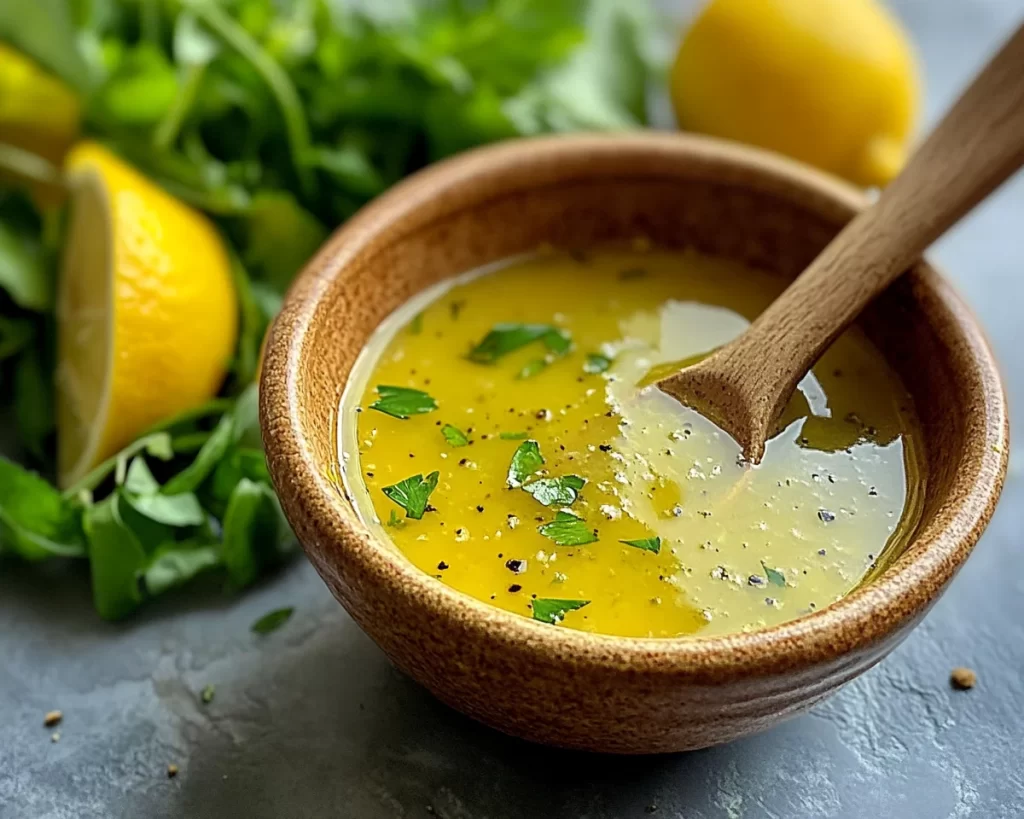
Prep time: 10 minutes
Cook time: 0 minutes
Total time: 10 minutes
Servings: 4 servings
Imagine a bright, sunny day, the kind that beckons you to whip up something fresh and delicious. Nothing captures the essence of spring quite like a vibrant salad drizzled with a zesty dressing. Today, we’re diving into the wonderful world of Lemon Vinaigrette Dressing for Spring Salads. This dressing is not only incredibly easy to make but also elevates any salad dish with its lively flavors and refreshing aroma. Made primarily from fresh lemons and quality olive oil, this vinaigrette is your new go-to for dressing up salads, vegetables, and even meats.
What makes this Lemon Vinaigrette so special? It’s a perfect balance of tangy and bright flavors, which pairs beautifully with crisp greens, ripe tomatoes, and even roasted vegetables. You’ll learn about the basic recipe, various tips for making it, and how to adapt it to suit your taste preferences or dietary needs. By the end of this article, you’ll be prepared to whip up a batch in no time and transform your spring salads into culinary masterpieces.
What Is Lemon Vinaigrette Dressing for Spring Salads?
Lemon Vinaigrette is a classic salad dressing that has its origins rooted in French cuisine. This dressing consists mainly of three elements: an acidic component like vinegar or lemon juice, oil, and seasonings, which can include herbs, salt, and pepper. The flavor profile is zesty and bright, largely due to the fresh lemon juice that invigorates the taste buds. When mixed well, the oil and lemon create a silky texture that coats the salad greens effortlessly.
What sets this dressing apart from others is its versatility. Whether you are drizzling it over bitter greens like arugula, sweet toppings such as strawberries, or hearty grains, this Lemon Vinaigrette enhances every dish. You’ll find that its light yet refreshing acidity balances the richness of creamy ingredients like avocado or cheese, allowing for a well-rounded dining experience. Plus, making your own vinaigrette at home saves you money and allows you to control the ingredients entirely, ensuring that each dressing is fresh and free from preservatives.
In making your Lemon Vinaigrette, you’ll not only gain an understanding of how to prepare this delightful dressing but also explore how to customize it further. Relationships between different ingredients can transform a simple dressing into something extraordinary, and this guide aims to leave you well-equipped.
Why You’ll Love This
First and foremost, the taste of homemade Lemon Vinaigrette is unparalleled. The contrast of the tart lemon with smooth olive oil creates a symphony of flavors that’s light and refreshing. You can easily tailor this dressing to fit a range of salads, boosting flavor and adding nutritional benefits without overwhelming ingredients. The ease of preparation makes it a hassle-free option for busy individuals and families. In just 10 minutes, you can whip up a dressing that takes any ordinary salad to a sensational level.
Another reason you’ll adore this vinaigrette is its cost-effectiveness. With just a handful of straightforward ingredients, you can create a large batch that lasts in your fridge for up to a week. Compared to store-bought dressings that can carry high price tags and unwanted additives, this recipe gives you the choice of quality without breaking the bank.
Health-wise, Lemon Vinaigrette Dressing is a powerhouse. Made with natural ingredients, it often carries less fat and fewer preservatives than commercial options. The oils used, like olive oil, are rich in healthy fats that contribute to heart health. Herbal additions and fresh ingredients can provide vitamins and antioxidants, making each serving not just tasty but beneficial for your diet.
Many might think preparing a vinaigrette is complex, but it is one of the easiest kitchen tasks you can tackle. Unlike many intricate recipes that require a culinary degree to appreciate, this lemon vinaigrette encourages experimentation, allowing you to learn and grow in your cooking journey.
Ingredients You’ll Need
- Fresh Lemon Juice: 2 tablespoons – Freshly squeezed lemon juice provides the vibrant acidity that forms the base flavor of this vinaigrette. You can substitute with lime juice for a different twist.
- Extra Virgin Olive Oil: 6 tablespoons – Quality olive oil is crucial, as it adds richness and smoothness. You could also use avocado oil or a different mild oil.
- Dijon Mustard: 1 teaspoon – Adds depth and helps emulsify the dressing, ensuring that the oil and lemon juice blend well together.
- Garlic: 1 clove, minced – Provides robust flavor. For a milder taste, you may use garlic powder instead.
- Honey or Maple Syrup: 1 teaspoon – A hint of sweetness balances the tartness of the lemon. Opt for agave syrup for a vegan version.
- Salt and Pepper: to taste – Basic seasonings that enhance all the flavors in the vinaigrette.
- Herbs: Optional (like parsley or basil) – Fresh herbs can be added for extra flavor and aroma.
Each of these ingredients plays a vital role in your dressing. The spectacular thing about knowing the *role* of each ingredient is that you can confidently make substitutions based on what you have at home or your dietary preferences.
How to Make
Now, let’s dive into the straightforward steps of making your own Lemon Vinaigrette at home. Each step is designed to ensure you achieve the best flavor and texture.
- Gather Your Ingredients: Prepare all the ingredients listed above. Using fresh lemons is key; if you can find them, use organic lemons for an even fresher taste. Make sure to have everything within reach—you’ll appreciate this in the next steps.
- Juice the Lemons: Cut your lemons in half and extract the juice. A citrus juicer or a simple fork can do the trick. Aim for about 2 tablespoons of juice—this will provide the acidity crucial to the vinaigrette. If you’d like a zestier flavor, consider adding some lemon zest as well.
- Combine Ingredients: In a small mixing bowl or a jar with a lid, add the lemon juice, Dijon mustard, minced garlic, and honey or maple syrup. Using a whisk or fork, mix these together until they are well combined.
- Add Olive Oil: Slowly pour in the olive oil while continuously whisking the mixture. This step allows for proper emulsification, meaning you will create a smooth, cohesive dressing rather than a separated one. If you’re using a jar, you can simply put on the lid and shake until fully combined.
- Season to Taste: After the oil is incorporated, taste the vinaigrette. Add salt, pepper, and possibly more honey or mustard to suit your palate. Remember, the flavors will become more pronounced as the dressing sits, so don’t go too heavy on the seasoning at this stage.
- Store It: Transfer your vinaigrette to an airtight container and store it in the refrigerator. It will keep well for up to a week. For best results, shake well before using since the dressing may separate as it sits.
By following these steps, you can be assured of a delicious Lemon Vinaigrette that will enhance your spring salads with every bite. Don’t hesitate to taste along the way; this is a great opportunity to make it *your own*.
Variations & Substitutions
Herb-Infused Vinaigrette: Adding fresh or dried herbs such as basil, thyme, or oregano can create a beautiful flavor profile. Not only do herbs elevate the vinaigrette, but they also introduce additional nutrients. Chop fresh herbs finely or simply add dried herbs to the mixing bowl during the combining step. This version is perfect for anyone who enjoys a more aromatic dressing.
Spicy Lemon Vinaigrette: If you love heat, consider adding a pinch of red pepper flakes or a touch of sriracha. This variation introduces a delightful kick that can transform any bland salad into a spicy sensation. Just remember to start with a small amount, as it’s easier to add heat than to take it away.
Vegan Lemon Vinaigrette: To make this dressing vegan-friendly, simply substitute honey with maple syrup or agave. Both alternatives provide sweetness without compromising the flavor. This version is ideal for those following a plant-based diet while still wanting a zesty addition to their meals.
Avocado Lemon Vinaigrette: For a creamier texture, blend ripe avocado into the vinaigrette. This variation is excellent for those who love creamy dressing but want to keep it healthy. The avocado adds richness while it still retains the delightful lemon flavor.
Low-Sodium Lemon Vinaigrette: If you are watching your sodium intake, you can reduce or completely omit the salt from your dressing. If you’d like, you could introduce spices or low-sodium seasoning blends to enhance the flavor without salt. This variation is beneficial for everyone looking to maintain a healthier lifestyle without sacrificing taste.
Each of these variations allows you to customize the vinaigrette according to your personal taste, dietary preferences, or the ingredients you have on hand.
Common Mistakes to Avoid
One of the most common pitfalls when making vinaigrette is using too much oil or acid. Balancing the two is crucial for achieving the right flavor profile. If your vinaigrette tastes overly oily, consider adding a bit more vinegar or lemon juice to cut through the heaviness.
Another mistake is neglecting to emulsify the dressing properly. If oil and vinegar (or lemon juice) aren’t blended well, the vinaigrette will separate quickly, and you’ll be left with a dressing that isn’t cohesive. Always whisk vigorously or jar and shake until fully combined. This process also helps blend the flavors, allowing them to marry perfectly.
Using stale or low-quality ingredients can also ruin your vinaigrette. Fresh lemon juice is essential for optimal taste, so skip the bottled stuff. Quality olive oil can make a big difference; opt for extra virgin for the best flavor. Finally, don’t forget to taste as you go. This allows you to adjust the seasonings according to your liking, ensuring the dressing is perfectly suited to your palate.
Storage, Freezing & Reheating Tips
Your Lemon Vinaigrette Dressing can be stored in an airtight container in the fridge for up to a week. Just be sure to give it a good shake or whisk before using each time, as separation will naturally occur over time. Keeping it chilled not only preserves the flavors but also makes the dressing taste fresher.
If you’ve made a large batch and want to save some for later, freezing is an option but with limitations. While vinaigrette doesn’t freeze phenomenally due to the oil’s consistency, it can be stored in a freezer-safe container for 1-2 months. When you’re ready to use it, thaw it in the refrigerator overnight and shake well before serving.
It’s crucial to note that food safety is paramount. If you notice any discoloration, a strange smell, or odd texture, it’s best to err on the side of caution and discard the vinaigrette.
Frequently Asked Questions
Can I use bottled lemon juice instead of fresh? While using bottled lemon juice is convenient, it often lacks the **freshness** and flavor intensity of freshly squeezed lemon juice. Fresh juice offers a vibrant taste that’s difficult to replicate, so we highly recommend using it when possible.
What can I use Lemon Vinaigrette on besides salads? Lemon Vinaigrette is incredibly versatile. It can also be drizzled over grilled vegetables, used as a marinade for chicken or fish, or even poured over grain dishes like quinoa or bulgur. Its **bright flavor** elevates many dishes, giving them a lively twist.
Can I make this vinaigrette in advance? Absolutely! In fact, allowing the flavors to meld together for a few hours or overnight can enhance the vinaigrette’s complexity. Just remember to store it in the refrigerator and give it a good shake before serving.
Is Lemon Vinaigrette gluten-free? Yes, this homemade Lemon Vinaigrette is naturally gluten-free. All the ingredients are safe for those with gluten sensitivities or Celiac disease. Always double-check the labels on any added ingredients, such as mustard, to ensure there are no hidden gluten-containing additives.
How can I make my vinaigrette thicker? If you prefer a thicker vinaigrette, consider adding a small amount of Greek yogurt to the mixture. This adds creaminess while still keeping it light and fresh. Another option is to emulsify it more thoroughly by whisking or blending.
Conclusion:
The Lemon Vinaigrette Dressing for Spring Salads is more than just a condiment; it’s a tool for transforming your meals into delightful experiences. With its lively flavors and easy preparation, you can elevate any spring salad in just minutes. Experiment with different ingredients and create variations that cater to your taste! We encourage you to give it a try, customize it, and share your experience with others who appreciate fresh, homemade flavors. Enjoy your culinary adventure!