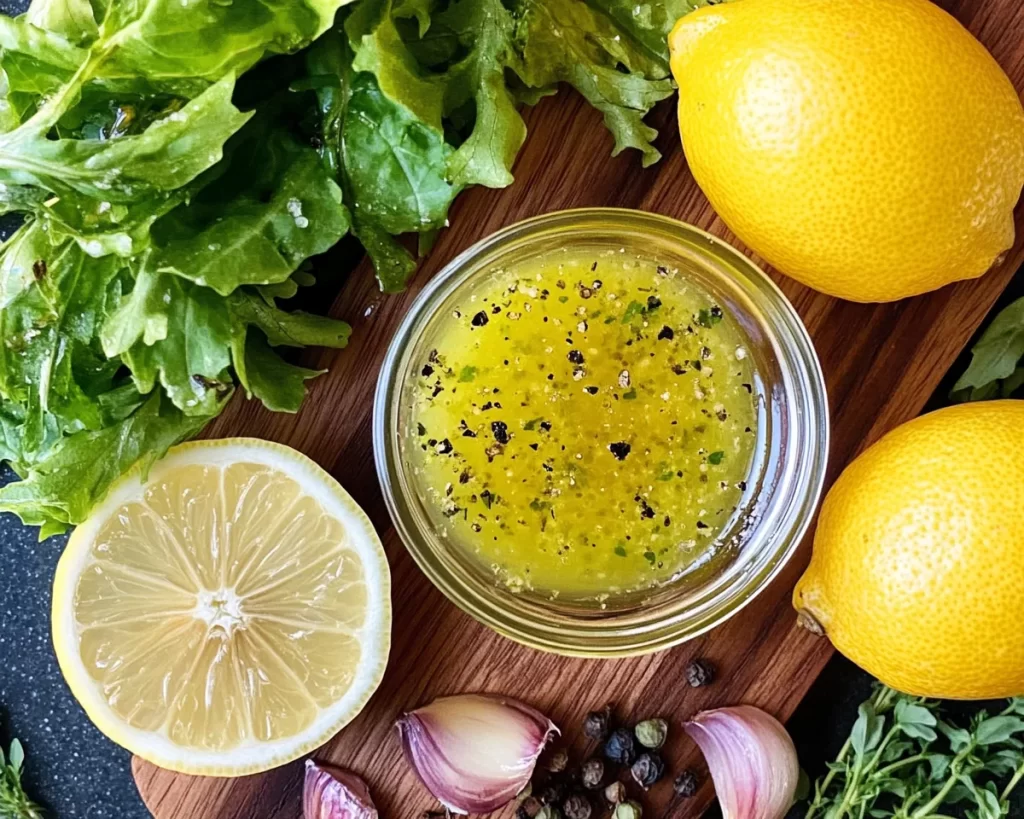
Prep time: 10 minutes
Cook time: 0 minutes
Total time: 10 minutes
Servings: 4 servings
There’s nothing quite like the light, zesty flavor of a freshly made lemon vinaigrette dressing drizzled over a vibrant spring salad. You can almost imagine the warm sun and the beautiful colors of spring as you prepare this delightful dressing. It’s the kind of recipe that brings back memories of picnics, family gatherings, and sunny afternoons spent outdoors. Not only does this Lemon Vinaigrette Dressing for Spring Salads elevate your greens, but it also offers a refreshing, zesty touch that’s perfect for any occasion.
This dressing is special because it highlights fresh, simple ingredients that you likely have on hand. With the brightness of the lemons and the balance of olive oil, this vinaigrette provides a burst of flavor that can transform even the most basic salad into a gourmet delight. In this article, you will learn about the taste and texture of lemon vinaigrette, the ease of making it at home, and discover some variations and tips that will help you craft a delicious dressing every time.
What Is Lemon Vinaigrette Dressing for Spring Salads (Fresh + Light)?
Lemon vinaigrette is a classic dressing that pairs perfectly with fresh greens and seasonal vegetables. Its origins can be traced back to French cuisine, often served alongside salads that include ingredients like crisp lettuce, vibrant radishes, and crunchy cucumbers. With its bright flavor, lemon vinaigrette complements the natural sweetness of spring produce, creating a harmonious balance of zest and freshness.
The texture of lemon vinaigrette is fluid yet slightly emulsive when used correctly. The oil and vinegar blend seamlessly, creating a dressing that clings beautifully to salad leaves and enhances every bite. When you make it at home, you control the intensity of the flavors and adjust them to suit your palate. The vinaigrette’s tangy, citrusy notes, combined with the smoothness of high-quality olive oil, create a medley of flavors that can uplift any side dish or main entrée.
In addition to being a dressing, lemon vinaigrette can also be used as a marinade for chicken or fish, making it a versatile addition to your culinary repertoire. It embodies the essence of simplicity—allowing the freshness of your ingredients to shine through each and every time.
Why You’ll Love This
There are countless reasons to fall in love with this Lemon Vinaigrette Dressing. For starters, the flavor is simply delightful—zesty, refreshing, and vibrant. The natural acidity of the lemon balances beautifully with the robust taste of olive oil, creating a dressing that’s both tangy and rich. You will find that it can accentuate flavors in various dishes, elevating your salads, grilled vegetables, or even roasted meats.
The ease of preparation is another significant advantage. With just a few simple ingredients and no lengthy cooking times, this dressing can be made in mere minutes. Even if you’re a beginner in the kitchen or someone with a busy schedule, whipping up a batch of lemon vinaigrette will feel effortless.
From a cost perspective, preparing homemade dressing is also a wise choice. It tends to be much cheaper than store-bought versions, especially when you buy ingredients in bulk. Additionally, making your vinaigrette allows you to avoid preservatives and artificial flavors often found in commercial dressings, making it a healthier choice for you and your family.
Moreover, lemon vinaigrette is incredibly versatile. You can adjust the flavors and make it your own by incorporating various herbs or spices, ensuring it complements your specific dishes perfectly. The possibilities are endless, and once you master this dressing, you may not want to go back to store-bought options again.
Ingredients You’ll Need
To make a delightful Lemon Vinaigrette Dressing, you will need the following ingredients:
- 1/4 cup freshly squeezed lemon juice – The star of the dressing that provides its bright, zesty flavor. Freshly squeezed is best for maximum flavor.
- 1/2 cup extra virgin olive oil – This adds richness and depth, contributing to the dressing’s velvety texture.
- 1 teaspoon Dijon mustard – This ingredient provides a slight tang and helps emulsify the dressing for a smoother consistency.
- 1 teaspoon honey or maple syrup – Optional, but it adds a touch of sweetness that balances the acidity of the lemon.
- Salt and freshly cracked black pepper to taste – Essential for bringing out the flavors of the other ingredients.
- Fresh herbs (like parsley or basil), optional – Chopped herbs can add extra flavor and freshness to the dressing.
Each of these ingredients plays a crucial role in achieving the perfect balance of flavors. For example, while Dijon mustard offers a slight tang, it also serves as an emulsifier, allowing the oil and lemon juice to blend seamlessly together. Should you prefer a sweeter dressing, adding honey or maple syrup can help cut through the acidity, giving it a more rounded taste.
How to Make
Making Lemon Vinaigrette Dressing is incredibly straightforward and takes only a few steps. Follow the instructions below to ensure a delicious outcome:
- Start by juicing the lemons. For the best flavor, you will need about two medium-sized lemons to yield 1/4 cup of freshly squeezed lemon juice. If you’re using bottled juice, make sure it’s 100% pure lemon juice without any additives.
- Combine the ingredients. In a medium-sized bowl, whisk together the fresh lemon juice, Dijon mustard, honey (if using), salt, and freshly cracked black pepper. Mixing these dry ingredients first helps them incorporate evenly before adding the oil.
- Slowly add the olive oil. While whisking continuously, slowly pour in the olive oil. This step is important for emulsifying the dressing, ensuring a smooth and uniform consistency. You may use an immersion blender if you prefer a creamier texture.
- Taste and adjust. After combining the base of your vinaigrette, give it a taste. If you feel it needs more acidity, add a little more lemon juice. Conversely, if you like it sweeter, a bit more honey may do the trick. Don’t forget to adjust the seasoning with more salt and pepper as needed.
- Incorporate fresh herbs. If you’re using herbs, chop them finely and stir them into the dressing. Herbs like parsley or basil work wonderfully to add a layer of freshness to the vinaigrette.
- Serve or store. This vinaigrette can be served immediately over your favorite salad or stored in an airtight container in the refrigerator. It will keep well for about a week, but be sure to give it a good shake or stir before using it again as the ingredients may separate.
The key to making a great vinaigrette is tasting as you go, ensuring that the balance of flavors matches your simply preferences. This dressing can be easily doubled or halved as needed, providing flexibility for meal prep or gatherings.
Variations & Substitutions
Herbed Lemon Vinaigrette: If you want to amplify the fresh flavors, consider creating an herbed lemon vinaigrette. Simply add in finely chopped fresh herbs such as basil, mint, or cilantro. These will introduce a significant flavor shift, bringing additional freshness and complexity. This variation works wonderfully with salads featuring fruit, like strawberries or oranges, to create a refreshing summer dish.
Spicy Lemon Vinaigrette: For those who enjoy a bit of heat, adding a pinch of red pepper flakes or a dash of hot sauce can bring an exciting kick to your vinaigrette. This is especially delightful over hearty salads or roasted vegetables, offering a contrast that livens up the dish. Just start with a small amount to avoid overpowering the dressing.
Garlic Lemon Vinaigrette: If you’re a garlic lover, consider adding minced fresh garlic or garlic powder to your dressing. The bold flavor of garlic pairs beautifully with lemon, enhancing the overall taste. Remember that fresh garlic tends to be stronger, so adjust according to your preference. This variation is perfect for Mediterranean-style salads or grilled meats.
Maple Citrus Vinaigrette: For a touch of sweetness without using honey, you can substitute it with maple syrup. This alternative not only offers a different flavor profile but also appeals to vegan diets. The unique sweetness of maple syrup complements the acidity of lemon, providing a distinctly different taste while maintaining the balance of flavors.
Common Mistakes to Avoid
When making lemon vinaigrette, there are some common pitfalls you want to avoid to ensure your dressing turns out perfect every time. One significant issue is not using fresh lemon juice. Bottled lemon juice often contains preservatives that can affect the flavor, leading to a less vibrant dressing. Always opt for freshly squeezed for the best result.
Another frequent mistake is not properly emulsifying the dressing. If the oil doesn’t blend seamlessly with the lemon juice, you’ll end up with a dressy that separates quickly. To achieve an emulsion, whisk continuously while adding the oil slowly. If you prefer a foolproof method, consider using an immersion blender when combining your ingredients.
Inadequate seasoning can also dull the flavors. A common misconception is that dressings need only lemon juice and olive oil. However, salt and pepper are critical for enhancing the overall taste. Don’t be shy about seasoning generously until you achieve that delightful balance of flavors.
Storage, Freezing & Reheating Tips
Proper storage is essential to extend the shelf life of your lemon vinaigrette dressing. It can be kept in an airtight container in the refrigerator for up to one week. Before using, simply give it a good shake to recombine the ingredients, as oil and vinegar can separate over time.
Freezing vinaigrette is not recommended due to the textures of the oil and vinegar when frozen, which can result in a less enjoyable consistency when thawed. Additionally, citrus-based dressings can sometimes suffer in flavor when frozen.
If your vinaigrette solidifies in the refrigerator, it’s simply because of the olive oil. Allow it to sit at room temperature for about 10-15 minutes, or place the jar in a bowl of warm water for a quick fix. Always ensure that your storage containers are clean to avoid any bacterial growth, adhering to food safety best practices.
Frequently Asked Questions
Can I use other types of vinegar instead of lemon juice?
Yes, while lemon juice is the star ingredient for this vinaigrette, you can substitute it with other vinegars, such as apple cider or white wine vinegar. However, do keep in mind that each vinegar will impart a different flavor profile, so you may need to adjust the other ingredients accordingly to balance the acidity.
Is lemon vinaigrette suitable for a vegan diet?
Absolutely! This dressing is naturally vegan as it does not contain any animal products. The combination of lemon juice, olive oil, and seasoning ensures it is both flavorful and plant-based, making it perfect for incorporating into various vegan dishes.
How can I make this dressing low-sodium?
To create a low-sodium version of this lemon vinaigrette, simply omit the salt altogether or use a salt substitute. You can also increase the amount of lemon juice and mustard to enhance the flavor profile without adding extra sodium.
What salads pair best with lemon vinaigrette?
Lemon vinaigrette is incredibly versatile and pairs well with a variety of salads. It works wonderfully with leafy greens, such as arugula or mixed greens, and brings out the flavor in salads featuring fruits such as strawberries, oranges, and apples. It also complements roasted vegetable salads beautifully, enhancing their natural sweetness.
Can I make this ahead of time?
Yes! In fact, preparing this lemon vinaigrette a day in advance allows the flavors to meld together beautifully. Just remember to store it in an airtight container, and since the ingredients may separate, give it a good shake before using to bring it back together.
Conclusion:
The Lemon Vinaigrette Dressing for Spring Salads is a simple yet incredibly flavorful recipe that can elevate your meals, making them refreshing and vibrant. Its ease of preparation, versatility, and fresh ingredients make it a staple worth having in your culinary arsenal. So, try your hand at this dressing, customize it to suit your tastes, and share it with family and friends. You may find yourself reaching for it not just in the spring, but year-round to add a burst of flavor and brighten your dishes. Remember, cooking should be joyful, and this homemade vinaigrette is the perfect way to embrace that joy!
[Read also: Easy Dessert Recipes for Beginners]
With this comprehensive guide, you will never have to rely on store-bought dressings again. Enjoy the process and relish in the delicious aroma of your homemade vinaigrette as you create memorable meals!