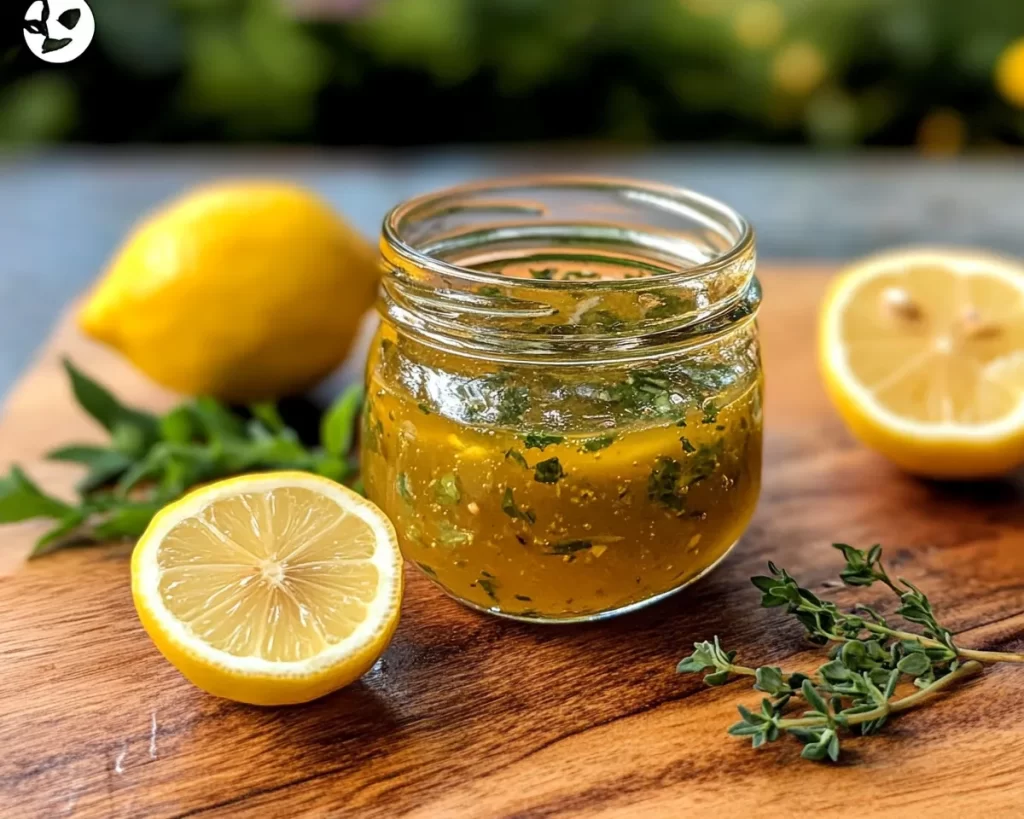
Prep time: 10 minutes
Cook time: 0 minutes
Total time: 10 minutes
Servings: 4
There’s something incredibly refreshing about a good dressing, especially when it features something as bright and flavorful as lemon. Imagine a warm day where you’re planning a light salad, perhaps topped with some grilled chicken or fresh vegetables. The best way to elevate your dish? With a zesty Lemon Vinegar Dressing infused with fresh herbs. This dressing isn’t just functional; it’s a culinary booster that can transform even the simplest greens into a gourmet delight.
What makes this recipe particularly special is its simplicity and versatility. Not only does it offer a punch of flavor without requiring hours in the kitchen, but it’s also made from natural ingredients, enabling you to control what goes into your meals. As you read through this article, you’ll learn how to whip up this delightful dressing in no time and discover various ways to customize it to fit your taste preferences.
What Is Lemon Vinegarette Dressing with Fresh Herbs (Spring Flavor)?
Lemon Vinegarette Dressing with Fresh Herbs is a delightful harmony of tangy, citrusy flavors balanced with the fragrant notes of fresh herbs. The root of vinegar dressing dates back centuries, originating in Mediterranean cuisines where *essential* ingredients like oil and vinegar were mixed to create piquant sauces suitable for drizzling over salads or grilled meats.
The texture of this dressing is light and fluid, gliding smoothly over leafy greens and mixed vegetables. Your palate is greeted with an initial burst of brightness from the lemon, which gradually softens with notes of olive oil and herbaceous undertones. The *freshness* elevated by herbs like parsley, basil, or chives not only adds flavor but also a beautiful color, making it an inviting addition to any dish.
This dressing is especially appealing during the spring when fresh herbs are abundant, and salads become a staple. Whether you’re serving a classic garden salad, a Mediterranean-inspired quinoa bowl, or simply drizzling it over roasted vegetables, this lemon vinaigrette impeccably complements various dishes while keeping your meals light and *vibrant*.
Why You’ll Love This
One major reason you will love this Lemon Vinegarette Dressing is its incredible ease of preparation. With just a few pantry staples and fresh herbs, you can elevate any meal without spending hours in the kitchen. This dressing takes only about 10 minutes to make, making it perfect for busy parents or anyone looking to whip up a quick healthy meal after a long day.
Furthermore, this dressing is budget-friendly without sacrificing flavor. You might wonder why would you choose a homemade dressing over store-bought options? The answer is simple: homemade dressings allow you to avoid preservatives and additives that can be found in commercial versions. You have complete control over the ingredients, which means you can tailor the flavors to suit your preferences. Kids will love the zesty flavor, and you can feel great serving it, knowing it’s made from simple, *healthful* components.
Moreover, this dressing is incredibly versatile. It pairs well with salads, but also shines as a marinade for chicken and fish or as a drizzling sauce over roasted vegetables. Its adaptability makes it a staple in your kitchen, ensuring that it can complement a wide variety of dishes, making your meal planning hassle-free.
With this recipe, there are opportunities for customization to cater to different health needs or dietary preferences. You can adjust the acidity level, swap herbs, and even experiment with the type of oil used. Whether you’re following a vegan diet, managing your weight, or simply looking to enhance your meals, this lemon vinaigrette can cater to all.
Ingredients You’ll Need
- **2 tablespoons of freshly squeezed lemon juice** – This is the primary flavor component, giving the dressing its citrusy brightness. You can substitute this with lime juice for a different flavor profile.
- **1/4 cup of extra virgin olive oil** – This will add richness and balance the acidity of lemon juice. For a different twist, consider using avocado oil.
- **1 clove of garlic, minced** – Garlic adds an aromatic depth. If you prefer a milder flavor, roasted garlic works well.
- **1 teaspoon of Dijon mustard** – Helps emulsify the dressing and gives it a slight kick. If you’re avoiding mustard, omit it or use a small amount of honey for a touch of sweetness.
- **Salt, to taste** – Enhances all the flavors in the dressing.
- **Fresh herbs (such as parsley, basil, or chives)** – Choose whatever blends appeal to you. Dill is another excellent option for a fresh, green flavor.
Each ingredient plays a vital role in crafting the perfect vinaigrette. A rule of thumb for homemade dressings is that fresher is usually better—using fresh herbs and quality olive oil can make a significant difference in taste.
How to Make
1. Start by preparing your ingredients. **Wash and chop** the fresh herbs finely. Depending on your preference, you can mix different herbs. Make sure to measure out the lemon juice accurately for a balanced flavor.
2. In a medium-sized mixing bowl, combine the **fresh lemon juice**, **minced garlic**, and **Dijon mustard**. Whisk these ingredients together vigorously. This initial mixture allows the mustard to combine seamlessly, creating a stable base for emulsifying the dressing.
3. Slowly pour in the **extra virgin olive oil** while continuously whisking the mixture. This slow incorporation helps to emulsify the dressing, creating a smooth consistency without separation. The oil and lemon should combine into a beautiful blend that coats the back of a spoon.
4. Once the dressing has emulsified, stir in the **finely chopped fresh herbs**. Take a moment to savor the aroma as the herbs mingle with the other ingredients. This should encourage excitement, as the flavors develop further.
5. Taste your dressing and adjust to your liking. If it’s tasting too tart, add a pinch of sugar or a few more drops of olive oil. Adjust the salt as necessary. Remember, the seasoning can significantly elevate the flavor profile, so don’t skip this crucial step!
6. Finally, transfer the vinaigrette into a clean glass jar or a dressing bottle. Seal it tightly and give it a gentle shake before serving. This is a crucial step, as it ensures that all the flavors blend beautifully every time you use it.
This homemade Lemon Vinegarette Dressing with Fresh Herbs is now ready to grace your salads and dishes!
Variations & Substitutions
Herb Variation: If you’re looking to change things up, consider experimenting with different herbs. Swap out parsley for cilantro for a more vibrant, earthy flavor, or add mint for a refreshing twist. Each herb will impart a distinct flavor profile to your dressing, making it exciting to experiment throughout the seasons.
Spicy Variation: If you enjoy a bit of heat, consider adding a pinch of red pepper flakes or a few dashes of hot sauce to the vinaigrette. This variation creates a luscious balance between the tangy lemon and spicy undertones. This dressing can particularly complement grilled meats or spicy salads.
Sweet Variation: To introduce a hint of sweetness, you can whisk in a tablespoon of honey or maple syrup. This adaptation not only enhances flavor but also gives a beautiful glaze to roasted vegetables or a delightful taste when drizzled over fruit salads.
Nutty Variation: For a rich twist, consider adding a tablespoon of toasted sesame oil to the dressing. This not only deepens the flavor but offers a nutty aroma that is especially wonderful drizzled over Asian salads or stir-fries.
Each of these variations is easily adjustable to meet your dietary restrictions or personal tastes, making this a truly customizable dressing.
Common Mistakes to Avoid
One common mistake people make when preparing vinaigrettes is using poorly balanced proportions of oil and acid. If the dressing is too acidic, it may overwhelm the dish. To remedy this, start with less lemon juice and gradually increase, tasting as you go.
Another mistake can occur when the ingredients are not emulsified correctly; this results in a separated, less appealing dressing. Always ensure to whisk continuously while slowly adding oil to achieve a stable emulsion. If you’re having trouble, try using a blender for a quick and efficient solution.
One important warning is regarding *ingredient freshness*. Always use fresh herbs instead of dried ones, as they can impart a bland and less aromatic flavor. Ensure your fresh herbs smell vibrant and are crisp rather than wilted.
Remember, while making vinaigrette, personal taste is paramount. Don’t hesitate to adjust based on your family’s preferences. You can always add more herbs or seasoning, but you can’t remove them once mixed in.
Storage, Freezing & Reheating Tips
When it comes to storage, the Lemon Vinegarette Dressing can be kept in an airtight container in the refrigerator for up to a week. However, keep in mind that some separation may occur, and the flavors will deepen over time. Always shake or whisk the dressing before serving to recombine the ingredients properly.
Freezing vinaigrettes is generally not advised, as the texture may be compromised, especially with oils and herbs that can change consistency once thawed. If you find yourself with extra dressing, consider using it more frequently or inviting friends over for a salad night to enjoy it fresh.
When reheating your dishes or mixing salads, the dressing can quickly elevate the flavors without any additional work. It’s a great addition to various summer dishes, keeping your meals light and full of flavor.
Frequently Asked Questions
Can I make this dressing in advance?
Absolutely! This dressing can be prepared in advance and stored in the refrigerator. The flavors will meld beautifully over time, enhancing the overall taste. Just be sure to give it a good shake or stir before each use.
What oil is best for vinaigrette?
Extra virgin olive oil is generally recommended for its rich flavor and health benefits. However, you can experiment with other oils, such as avocado or nut oils, depending on your preference. Just remember that the taste of the oil can significantly influence the final flavor of the dressing.
How do I adjust the acidity of the dressing?
If you find the vinaigrette too acidic, simply add a touch more oil to balance it out. Conversely, if it’s too oily for your taste, add a little more lemon juice to elevate the acidity.
Can I use dried herbs instead of fresh?
While fresh herbs are recommended for their vibrant flavor, you can use dried herbs in a pinch. Keep in mind that dried herbs are more concentrated, so use only about a third of what you’d use fresh. Also, note that the flavor will differ—fresh herbs provide a lighter, brighter flavor.
Is this dressing vegan?
Yes! This Lemon Vinegarette Dressing is entirely plant-based, making it a suitable option for vegan diets. With no animal products involved, it can be enjoyed by everyone.
Conclusion:
This Lemon Vinegarette Dressing with Fresh Herbs is not only an easy way to elevate your meals but also a great opportunity for creativity in the kitchen. With simple ingredients, straightforward methods, and room for personalization, you will find countless ways to incorporate this dressing into your recipes. Whether you’re drizzling over salads, marinating protein, or brightening up vegetables, the possibilities are endless. I encourage you to give this recipe a try—its freshness and versatility are sure to impress you. Don’t forget to share your experiences and any tasty flavors you discover along the way!