Prep time: 20 minutes
Cook time: 30 minutes
Total time: 50 minutes
Servings: 4
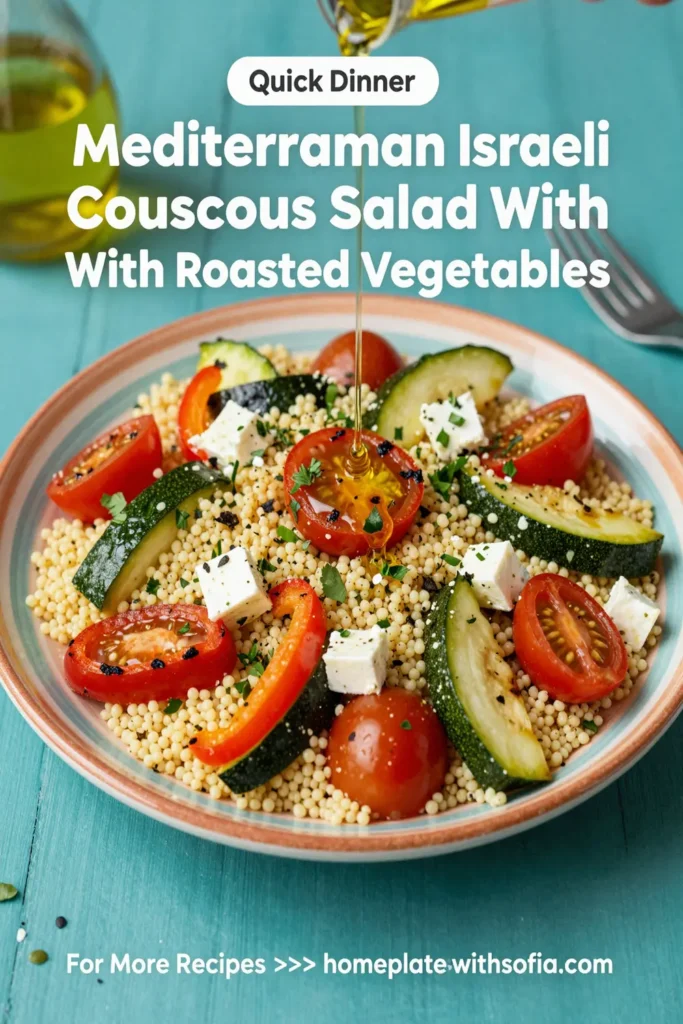
Mediterranean Israeli Couscous Salad with Roasted Vegetables is a vibrant and nutritious dish that’s perfect for any occasion. This salad combines the delightful chewy texture of Israeli couscous with an array of colorful roasted vegetables, creating not only a feast for the eyes but also a party for the palate. Perfectly seasoned, this salad is versatile enough to be served as a side dish or as a light main course. Ideal for busy weeknights or as a meal prep option, this dish can be enjoyed hot or cold, making it a staple for healthy eating throughout the week.
What Is Mediterranean Israeli Couscous Salad With Roasted Vegetables?
Mediterranean Israeli Couscous Salad is characterized by its unique use of Israeli couscous, which are actually toasted pasta rather than traditional grains. This specific type of couscous, often referred to as “pearl couscous,” has a slightly larger and chewier texture compared to regular couscous, making it an exciting addition to salads. It serves as a blank canvas for the rich flavors of roasted vegetables, fresh herbs, and tangy dressing, rounding out a medley of textures and tastes.
Roasted vegetables such as bell peppers, zucchini, and red onions add a natural sweetness and depth to the salad. The caramelization that occurs during roasting enhances the quintessential Mediterranean flavors, making every bite savory and satisfying. To elevate the fresh ingredients, you may also incorporate herbs like parsley or basil and a citrus-based dressing.
Why You’ll Love This
This Mediterranean Israeli Couscous Salad is a go-to for several reasons. First and foremost, it’s remarkably easy to make. With minimal prep and cooking time, you can whip up this dish even on your busiest days. Additionally, it’s incredibly versatile; you can customize it with whatever vegetables you have on hand, making it an ideal option for budget-friendly cooking. Not only that, but this salad is packed with nutrients, making it an excellent choice for health-conscious individuals.
Moreover, the bright and zesty flavors of the salad will impress your family and friends. Whether it’s for a summer picnic, a family gathering, or meal prep for the week, this dish is sure to please anyone. And best of all, leftovers can be refrigerated and enjoyed the next day!
Ingredients You’ll Need
- 1 cup Israeli couscous: This unique pasta provides a chewy texture that contrasts beautifully with the roasted vegetables.
- 2 cups vegetable broth or water: Used to cook the couscous, adding flavor instead of plain water elevates the overall taste.
- 1 medium zucchini, diced: Adds a mild sweetness and complements other flavors in the salad.
- 1 red bell pepper, chopped: Offers a crunchy texture and vibrant color that enhances the dish’s appeal.
- 1 small red onion, diced: Provides a strong flavor that gets sweeter when roasted.
- 2 tablespoons olive oil: Essential for roasting vegetables while bringing healthy fats to the dish.
- Salt and pepper to taste: Basic seasonings that enhance the flavors of the vegetables.
- 1/2 cup cherry tomatoes, halved: For a burst of juiciness and tang.
- 1/4 cup feta cheese, crumbled: Adds creaminess and a salty flavor, balancing the other ingredients.
- 1/4 cup fresh parsley, chopped: Imparts freshness and brightness to the salad.
- Juice of 1 lemon: Provides acidity that brightens the dish and enhances flavors.
How to Make
- Preheat your oven to 400°F (200°C). Line a baking sheet with parchment paper to prevent sticking and make cleanup easier.
- In a medium saucepan, bring the vegetable broth or water to a boil. Add the Israeli couscous, reduce the heat, and simmer for about 10-12 minutes, until the couscous is tender but still slightly firm. Drain and set aside to cool.
- While the couscous is cooking, prepare the vegetables. On the prepared baking sheet, combine the zucchini, red bell pepper, and red onion. Drizzle with olive oil, then season with salt and pepper. Toss everything together to ensure the vegetables are well coated.
- Roast the vegetables in the preheated oven for about 25-30 minutes, or until they are tender and slightly caramelized, stirring halfway through to ensure even cooking. Once done, allow them to cool slightly.
- In a large bowl, combine the cooked couscous, roasted vegetables, cherry tomatoes, and feta cheese. Gently toss to combine everything evenly.
- In a small bowl, whisk together the lemon juice and a bit more olive oil, if desired. Drizzle the dressing over the salad and mix gently to coat all the ingredients.
- Finally, fold in the chopped parsley and adjust seasoning if necessary. Serve warm or chilled, and enjoy your delicious Mediterranean Israeli couscous salad!
Variations & Substitutions
Chickpea Variation: Incorporate a can of rinsed chickpeas for added protein. They complement the salad beautifully and make it even heartier. Simply stir them in with the other ingredients. This is perfect for those looking to boost plant-based proteins in their diet.
Grilled Vegetable Variation: Instead of roasting, try grilling your vegetables. This brings a smoky flavor that pairs wonderfully with the nuttiness of the couscous. You can use any combination of vegetables such as asparagus, eggplant, or mushrooms. The grilling process adds a unique depth to the flavor profile.
Herbed Variation: For a fresher take, add a mix of herbs, such as dill or mint, alongside parsley. This will elevate the Mediterranean experience, adding brightness and aroma to each bite.
Vegan Variation: To make this dish vegan, simply omit the feta cheese or substitute it with a plant-based cheese option. The other ingredients remain vegan-friendly, providing a satisfying dish that pleases everyone at the table.
Common Mistakes to Avoid
Overcooking the Couscous: Ensure that you do not overcook the couscous, as it can become mushy. It should be slightly firm when you remove it from the heat, then it continues to absorb moisture as it cools.
Under-seasoning Vegetables: Roasting is one of the best ways to bring out the natural flavors of the vegetables. Be generous with your olive oil, salt, and pepper to enhance the flavors significantly.
Not Allowing Vegetables to Cool: Allowing the vegetables to cool slightly before mixing them with the couscous is crucial. If added hot, they can warm the couscous and result in a less appealing texture.
Storage, Freezing & Reheating Tips
For short-term storage, this salad can be kept in an airtight container in the refrigerator for up to three days. However, it’s important to note that the vegetables may soften, but they’ll still retain their flavors. If you wish to freeze the salad, it’s best to do so without the dressing. Store in a freezer-safe container for up to a month. When ready to enjoy again, thaw in the refrigerator overnight.
To reheat, you can warm it gently in the microwave, but avoid overcooking. If you plan to enjoy it cold, simply drizzle the salad with a bit more lemon juice or olive oil to refresh the flavors before serving.
Frequently Asked Questions
Can I use regular couscous instead of Israeli?
Yes, you can use regular couscous, but the texture will differ. Israeli couscous has a firmer, chewier bite, which holds up better in salads. Regular couscous tends to be softer and could become mushy in this salad.
Can this salad be made ahead of time?
Absolutely! This Mediterranean Israeli couscous salad is perfect for making ahead. Prepare it a day in advance and store it in the refrigerator. The flavors meld beautifully over time, making it even more delicious!
What can I serve with this salad?
This salad pairs wonderfully with grilled chicken, fish, or even roasted tofu for a complete meal. Its balanced flavors and textures complement a variety of protein options, making it a versatile dish for any meat or plant-based eater.
Is it gluten-free?
No, traditional Israeli couscous is made from wheat. However, you can use gluten-free pasta or quinoa as a substitute to make a gluten-free version of this salad. Just keep in mind that cooking times may vary.
How long will leftovers last?
Leftovers can be stored in the refrigerator for up to three days. After that, the vegetables may lose their crispness, but the taste will still be enjoyable. Just refresh it with some dressing before serving.
Conclusion: Mediterranean Israeli Couscous Salad with Roasted Vegetables is not just a dish; it’s an experience. The combination of flavors, textures, and colors makes it an enticing choice for any occasion. Not only is it delicious, but it’s also simple to prepare and adaptable to various dietary needs. So gather your ingredients, and enjoy creating this fantastic salad for yourself and your loved ones!