Prep time: 15 minutes
Cook time: 25 minutes
Total time: 40 minutes
Servings: 4
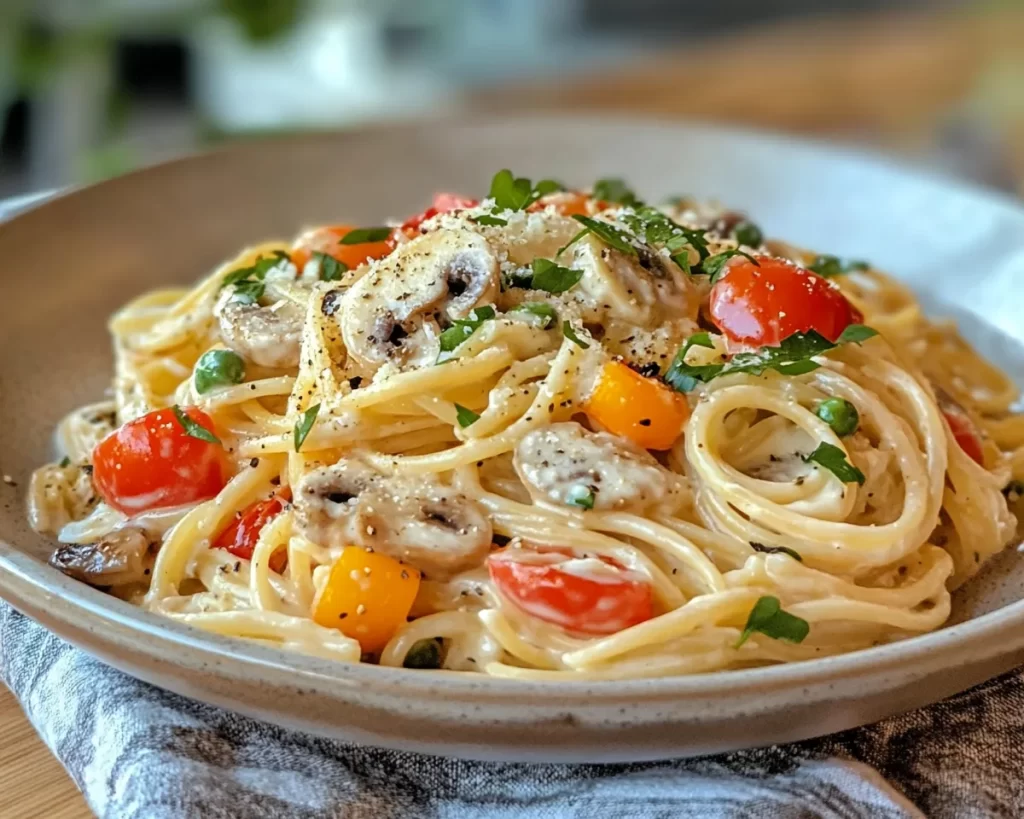
There’s something utterly delightful about a plate of creamy pasta adorned with colorful vegetables. Whether it stems from a childhood memory of family dinners or a recent craving for a comforting meal, **Mother’s Day Creamy Pasta Primavera** offers not just taste but the warmth of home. The combination of fresh, seasonal vegetables and a smooth, rich sauce makes this dish not only satisfying but also a celebration of the simplicity and beauty of cooking with what is available.
Let’s dive into why this recipe is a gem worth making and what you can look forward to as you create this creamy concoction in your kitchen. You will discover the balance of flavors, the ease of preparation, and even a few tricks and variations to make it suit your family’s preferences or dietary needs.
What Is Mother’s Day Creamy Pasta Primavera?
**Mother’s Day Creamy Pasta Primavera** is an Italian-American classic that showcases fresh vegetables in a light, creamy sauce, tossed with perfectly cooked pasta. The word “primavera” translates to “spring” in Italian, which reflects the dish’s essence of using **seasonal, vibrant ingredients**. Originating in Italy, this dish has become synonymous with spring and fresh produce, showcasing a variety of colorful vegetables like bell peppers, zucchini, cherry tomatoes, and peas.
The texture of creamy pasta primavera is truly irresistible. Imagine al dente pasta coated in a silky sauce that perfectly clings to the noodles, while the vibrant vegetables add a satisfying crunch and freshness. Each bite bursts with flavor, complemented by herbs and parmesan that bring the dish together, making it not just a meal but a comforting experience.
The flavor profile is a delightful dance of creamy richness balanced with the freshness of the vegetables. **Garlic** and **parsley** typically enhance the dish, adding an aromatically uplifting note that elevates every component. This dish is not merely a recipe but a celebration of flavors—each ingredient plays its role, contributing to a harmonious outcome that excites the palate.
Why You’ll Love This
This recipe isn’t just another pasta dish; it’s an embodiment of what comfort food should resemble. You will appreciate **how easy it is to prepare**, making it perfect for a weeknight dinner or as a special dish for Mother’s Day. With minimal prep time and simple steps, even novice cooks can confidently whip up this delight. Plus, it incorporates a range of fresh vegetables, making it a healthful choice for families aiming to eat well.
One of the misconceptions surrounding pasta primavera is that it might be bland or uninteresting. Quite the opposite—by choosing **high-quality ingredients** like fresh vegetables and aromatic herbs, you can create a dish bursting with flavor. The beauty is that you can customize the recipe based on what you love or have on hand. From adding protein like chicken or shrimp to using gluten-free pasta, the possibilities are endless.
You’ll also find that this dish is **budget-friendly**, especially during spring when many vegetables are in season. It allows you to make the most of your grocery budget while feeding your family a wholesome, nourishing meal. Lastly, it’s perfect for **meal prep**—you can create a big batch and enjoy it throughout the week, making busy evenings less stressful.
Ingredients You’ll Need
- Pasta: Choose your favorite type—spaghetti, fettuccine, or even gluten-free options can work beautifully. The pasta forms the base of your dish and should be cooked al dente.
- Bell Peppers: Slice these in a variety of colors for visual appeal. They add sweetness and crunch. Substitute with any bell pepper variety you prefer.
- Zucchini: This vegetable soaks up the creamy sauce and adds a silky texture. Alternatively, you could use yellow squash or asparagus.
- Cherry Tomatoes: These provide a burst of sweetness. If unavailable, canned diced tomatoes work too.
- Garlic: Adds depth of flavor. Fresh garlic is best, but garlic powder can be used in a pinch.
- Heavy Cream: The star of the creaminess. For a lighter version, opt for half-and-half or a dairy-free cream.
- Parmesan Cheese: Adds a unique, nutty flavor and creamy texture. Nutritional yeast can be a great dairy-free alternative.
- Olive Oil: For sautéing the vegetables and enhancing flavor. You can use avocado oil if you prefer.
- Salt and Pepper: To bring all the flavors together. Always use fresh ground for the best results.
- Fresh Parsley: For garnish, adding a fresh, herby note. You can replace it with basil for a different taste.
How to Make
- Begin by cooking your pasta according to the package directions. Ensure it is al dente; this means it should be slightly firm when bitten. In a large pot of boiling salted water, add the pasta and follow the recommended cooking time, usually around 8–10 minutes. Reserve a cup of the pasta water before draining to help adjust your sauce’s consistency later.
- While the pasta is cooking, prepare your vegetables. Start by washing and chopping the bell peppers and zucchini into bite-sized pieces. Ensure your cherry tomatoes are halved for even cooking. Mince the garlic finely. Prepare all ingredients ahead of time to streamline the cooking process.
- In a large skillet, heat a couple of tablespoons of olive oil over medium heat. Add the minced garlic and cook for about a minute, until fragrant but not burnt. This step releases the wonderful aroma of the garlic—be careful not to let it brown, as it can turn bitter and ruin the dish.
- Add the chopped bell peppers and zucchini into the skillet. Sauté for 3–4 minutes until they start to soften but still retain some crunch. This cooking method preserves the vegetable’s flavor and vibrant color, ensuring they don’t become mushy.
- Incorporate the halved cherry tomatoes and continue cooking for another 2–3 minutes. The tomatoes should begin to soften and release their juices, mixing beautifully with the other vegetables. Stir the mixture occasionally, allowing it to cook evenly.
- Once your vegetables are tender, **lower the heat** and pour in the heavy cream. Give it a good stir to combine, and let it simmer for about 5-7 minutes. This simmering process allows the cream to thicken slightly and meld with the flavors of the garlic and vegetables.
- Stir in the grated parmesan cheese, mixing until melted and fully incorporated. The cheese will add an additional layer of creaminess to the sauce. If the sauce is too thick, use some of the reserved pasta water to loosen it until you reach your desired consistency.
- Add the drained pasta to the skillet and gently toss it in the creamy sauce until well-coated. Taste and add salt and pepper as needed. A careful balance of seasoning can elevate the flavors further.
- As a final touch, garnish your creamy pasta primavera with freshly chopped parsley before serving. The green color not only adds visual appeal but also a fresh taste that brilliantly complements the creaminess of the sauce.
Variations & Substitutions
Chicken Pasta Primavera: If you’re looking to add protein to your creamy pasta primavera, consider adding grilled or sautéed chicken. Simply cook the chicken breasts separately, slice them, and add them to the skillet just before serving. This variation is a great option for busy parents looking to make a more filling meal while providing essential nutrients.
Vegan Creamy Pasta Primavera: For those following a vegan diet, substituting heavy cream with **coconut cream** or an almond-based cream can work wonders. Nutritional yeast can replace parmesan, providing a cheesy flavor without dairy. This variation allows everyone, regardless of dietary preferences, to enjoy the dish without missing out on the creamy goodness.
Gluten-Free Pasta Primavera: A fantastic option for those with gluten sensitivities is to use gluten-free pasta. You can find many varieties made from rice, quinoa, or chickpeas. Just be sure to check for the best cooking times as they can differ from traditional pasta. This variation ensures everyone at the table can enjoy the dish without any concerns.
Italian Sausage Pasta Primavera: For those who enjoy a bit of zest in their dishes, adding pieces of **Italian sausage** can take your pasta primavera to a whole new level. Simply brown the sausage in the skillet before adding the garlic and vegetables, enhancing the overall flavor profile significantly. This version appeals to meat lovers and offers added depth and spice.
Common Mistakes to Avoid
One common mistake is to overcook the pasta. Always pay attention to the cooking times and taste the pasta to ensure it is al dente. Overcooked pasta can become mushy and could disrupt the texture of your dish. Additionally, when sautéing vegetables, remember to not overcrowd the pan, which can lead to steaming instead of searing—the goal is a bit of crunch and the vibrant colors.
Another issue may arise from using too much cream or cheese. While the creamy sauce is the highlight, too much heavy cream can overshadow the vibrant vegetable flavors. Balance is key; always start with less and adjust as you go.
Lastly, **neglecting to season properly** can lead to a bland dish. Always taste your sauce as you cook and adjust the seasoning at the end for the best result. A pinch of salt and freshly cracked pepper can dramatically enhance the entire flavor profile of the dish.
Storage, Freezing & Reheating Tips
When it comes to storing leftover creamy pasta primavera, allow it to cool completely before transferring it to an airtight container. It can be stored in the refrigerator for up to 3 days. For longer-term storage, consider freezing individual portions. Ensure to use freezer-safe containers or bags to prevent freezer burn. When properly stored, it can last up to 3 months.
To reheat your dish, thaw it in the refrigerator overnight if frozen. When ready to eat, reheat in a skillet over low heat, adding a splash of broth or water to bring back the creamy consistency. Stir frequently to ensure even heating. If using the microwave, reheat in intervals, stirring at each interval to prevent hotspots and ensure the sauce doesn’t separate.
Always prioritize food safety; if you notice any off smells or changes in texture, it’s best to discard any leftovers you may be unsure about.
Frequently Asked Questions
Can I make creamy pasta primavera ahead of time?
Yes, you can certainly prepare the components ahead of time. Cook the pasta and prepare the creamy sauce in advance, but it’s best to combine everything just before serving. This way, you’ll ensure that the vegetables remain fresh and the pasta doesn’t become mushy.
Can I use frozen vegetables instead of fresh?
While fresh vegetables provide the best flavor and texture, frozen vegetables can be used if you’re pressed for time. Just be mindful that frozen vegetables may release more water as they cook, so it’s advisable to adjust your sauce thickness accordingly by reducing the amount of heavy cream or adding more pasta water.
What else can I add for extra flavor?
For an extra layer of flavor, consider adding red pepper flakes for a hint of spice or fresh basil for an aromatic note. Additionally, consider a splash of lemon juice or zest at the end for a refreshing brightness that complements the creaminess.
Can I use non-dairy alternatives for cream and cheese?
Absolutely! For a vegan version, substitute heavy cream with coconut cream or cashew cream and use nutritional yeast instead of parmesan. Many brands also offer dairy-free cream cheese that can mimic the creamy texture beautifully.
How do I make this dish lighter in calories?
To lighten this creamy pasta primavera, use half-and-half instead of heavy cream, or try using a plant-based milk thickened with a bit of cornstarch. You can also increase the proportion of vegetables to pasta to maintain the dish’s volume while keeping the calorie count lower.
Conclusion:
This creamy pasta primavera embodies everything you could want in a comforting meal: it’s nurturing, versatile, and incredibly satisfying. Packed with flavor, color, and nutrition, it’s a dish that can bring families together around the table, make your weeknight dinners easier, and celebrate the best of what spring has to offer. I encourage you to try making it your own—experiment with the ingredients or add in your favorite protein. Embrace the adventure of cooking, and don’t forget to share the joyful experience with your loved ones. Happy cooking!