Prep time: 30 minutes
Cook time: 25 minutes
Total time: 1 hour 10 minutes
Servings: 12 servings
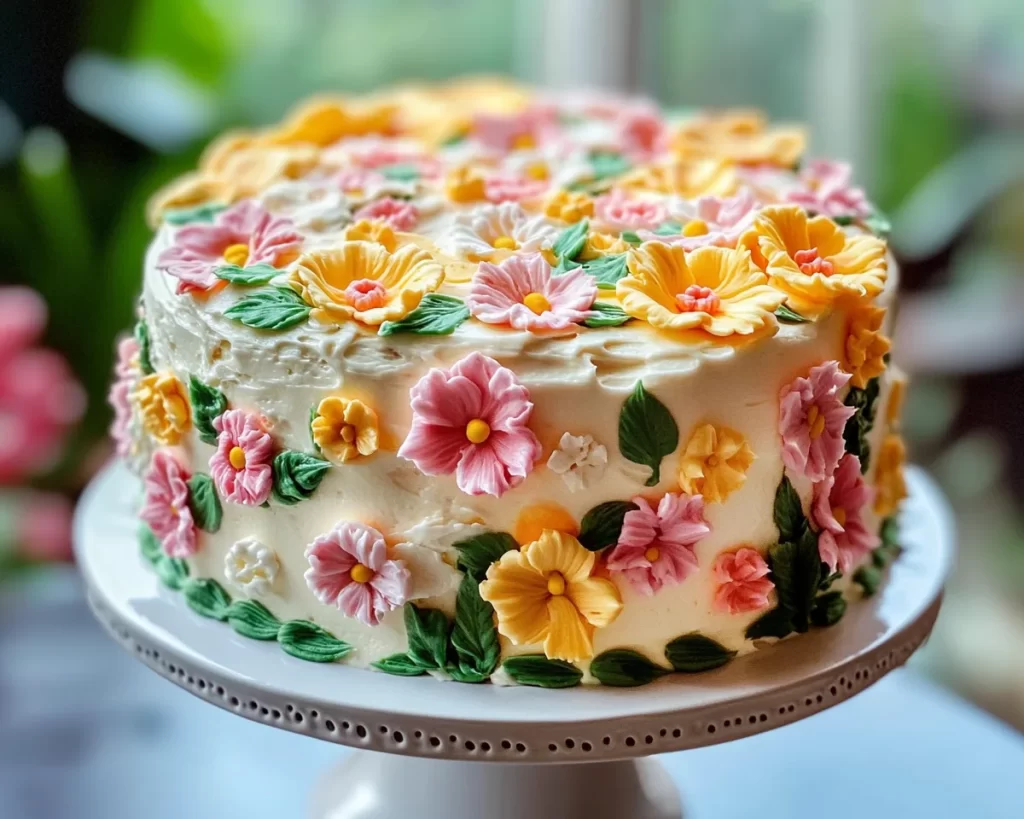
The allure of a birthday cake during springtime is more than just a celebration; it is about the vibrancy of life, fresh blooms, and the joy of gathering loved ones. **Spring Birthday Cake: Spring Flower Buttercream Cake** is not just a delight to consume but also a feast for the eyes. Its delicate floral buttercream design, coupled with the light and fluffy cake beneath, makes it a standout centerpiece worthy of any birthday celebration. This cake captures the essence of spring with its taste, texture, and visual appeal.
What’s special about this cake is how it evokes a sense of nostalgia for many – perhaps it reminds you of celebrating birthdays with friends and family in your childhood or the delightful aroma of cake baking wafting through the kitchen. In this recipe, you will discover the joy of creating a stunning cake from scratch, learn tips for frosting techniques, and explore a few variations to make it uniquely yours.
With simple, yet effective, instructions, you’ll not only impress your loved ones with your baking skills but create lasting memories around this delicious treat.
What Is Spring Birthday Cake: Spring Flower Buttercream Cake?
The **Spring Birthday Cake** is a traditional layered cake that is often made for special occasions when flowers are blooming and the world feels rejuvenated. Originating from classic American cake recipes, it’s characterized by its fluffy texture and sweet flavor. The cake layers are typically made with vanilla or lemon, both of which capture the essence of spring. The **buttercream frosting**, which envelops the cake, is often adorned with delicate floral decorations that mimic the beauty of real flowers, creating a stunning presentation.
This cake’s flavor profile is light yet rich, combining elements that make it incredibly satisfying without being overwhelming. The sweetness of the cake harmonizes beautifully with the creamy buttercream, while hints of lemon zest can elevate the overarching flavors, making each bite a delightful experience. The combination of textures from the soft cake and smooth frosting creates a lovely mouthfeel, making it not just a dessert but a centerpiece for celebration.
Making this cake from scratch allows you to incorporate fresh ingredients and adjust the sweetness to your liking. Moreover, the experience of crafting your cake, decorating it with edible blooms, and slicing into it on that special occasion adds to the magic of the moment, making it much more satisfying than any store-bought option.
Why You’ll Love This
You will absolutely adore this cake not just for its remarkable taste but also for its overall simplicity and elegance. The **Spring Birthday Cake** is both economical and accessible; with just a few common ingredients, you can create a masterpiece that looks and tastes like it came from a bakery. It’s perfect for **busy parents** looking to celebrate without stress, **beginners in the kitchen** who wish to impress, or anyone seeking a delightful spring-inspired dessert.
Many may think that creating a beautifully frosted cake is a task reserved for seasoned bakers. However, with this recipe, you will fully realize that it can indeed be an achievable goal. Simple tips and clear instructions will guide you through the process, empowering you to take on what may seem daunting. Remember, the key is to enjoy the process, and even your cake doesn’t turn out perfectly, it will still be delicious!
This cake’s versatility is another reason to love it. You can easily swap out ingredients to accommodate different dietary needs, such as making it gluten-free or dairy-free without sacrificing flavor or texture. Just imagine the pride you will feel when presenting this elegant cake to your friends and family, knowing that you crafted something beautiful and delicious all on your own.
Ingredients You’ll Need
- 2 cups all-purpose flour: This is the backbone of the cake, helping to create structure. If you’re looking for gluten-free options, consider using a quality gluten-free flour blend.
- 1½ cups granulated sugar: Providing sweetness, it also contributes to the cake’s moisture and tenderness.
- ½ cup unsalted butter, softened: Adds richness to the cake. For a dairy-free option, use a vegan butter substitute.
- 1 cup whole milk: This ingredient helps to keep the cake moist. Almond or oat milk can be used for non-dairy versions.
- 3 large eggs: These act as binding agents, contributing to the cake’s fluffy texture. For an egg substitute, try using 1/4 cup of unsweetened applesauce per egg.
- 2 teaspoons baking powder: This is the leavening agent that helps the cake rise. Double-check your baking powder for freshness!
- 1 teaspoon vanilla extract: Adds a lovely flavor depth. You can use almond extract for a different twist.
- Pinch of salt: Enhances the overall flavor of the cake, balancing out the sweetness.
For the buttercream frosting:
- 1 cup unsalted butter, softened: This forms the base of the buttercream, giving it a rich, smooth flavor. Use vegan butter for a dairy-free version.
- 4 cups powdered sugar: This sweetens the frosting and helps achieve a fluffy texture.
- 2 tablespoons heavy cream: Provides a silky consistency to the frosting; non-dairy cream alternatives can be used if needed.
- 1 teaspoon vanilla extract: For flavor; feel free to adjust based on your preference.
- Edible flower decorations: Such as pansies or violets, bring the spring theme to life on your cake.
Each ingredient plays a critical role in crafting this delightful cake, and understanding their contributions can help you make informed substitutions if needed.
How to Make
1. **Prepare Your Oven and Pans**: Begin by preheating your oven to 350°F (175°C). Grease and flour two 9-inch round cake pans to prevent sticking. You can also line the bottom with parchment paper for added security.
2. **Mix the Dry Ingredients**: In a medium-sized mixing bowl, combine the all-purpose flour, baking powder, and salt. Whisk these ingredients together to ensure they are evenly distributed, which is essential for an evenly risen cake.
3. **Cream the Butter and Sugar**: In a large mixing bowl, use a hand mixer or stand mixer to beat the softened butter and granulated sugar together on medium speed until the mixture becomes light and fluffy. This process will take about 3-5 minutes and incorporates air, giving the cake its airy texture.
4. **Add the Eggs and Vanilla**: Once the butter and sugar are creamed, add the eggs, one at a time, beating well after each addition until fully incorporated. Scrape down the sides of the bowl as needed. Stir in the vanilla extract, allowing the flavors to meld.
5. **Combine Wet and Dry Ingredients**: Gradually add the dry mixture to the butter mixture, alternating with the milk. Start with one-third of the dry mix, then add half of the milk, mixing until just combined. Repeat this process until all ingredients are incorporated, but be careful not to over-mix, as that can lead to a dense cake.
6. **Pour and Bake**: Divide the batter evenly between the two prepared pans. Bake for 25-30 minutes, or until a toothpick inserted into the center comes out clean. The aroma that fills your kitchen will be delightful, and you may find your mouth watering in anticipation.
7. **Cool the Cakes**: Once baked, leave the cakes in the pans for about 10 minutes before transferring them to wire racks to cool completely. This prevents soggy bottoms and helps them maintain their structure.
8. **Prepare the Buttercream Frosting**: In a large mixing bowl, beat the softened butter on medium speed for about 2 minutes. Gradually add the powdered sugar, one cup at a time, mixing well between each addition. Add the heavy cream and vanilla extract to the mixture and beat for an additional 3 minutes until the frosting is fluffy and spreadable.
9. **Assemble the Cake**: Once the cakes are completely cool, place one layer on a cake stand or serving plate. Generously spread buttercream frosting on top, and then gently place the second layer on top. Frost the top and sides of the cake, smoothing as you go. Don’t worry about it being perfect; a rustic look is charming!
10. **Decorate with Edible Flowers**: Finish off by adorning your cake with edible flowers. Their vibrant colors will not only match the spring theme but also add an elegant touch.
11. **Slice and Enjoy**: After your cake is beautifully decorated, it’s time to slice and share. Enjoy the fruits of your labor and delight in the joy it brings to your family and friends.
Variations & Substitutions
Lemon Spring Birthday Cake Variation: If you crave an extra burst of flavor, opt for a lemon-flavored cake. To do this, substitute part of the milk with fresh lemon juice, and add a tablespoon of lemon zest into the batter. The acidity of the lemon juice will brighten the cake’s flavor profile while keeping it moist. This variation is especially popular among those who enjoy citrusy desserts. Top with lemon-flavored buttercream for an irresistible combination.
Gluten-Free Variation: For those who need a gluten-free option, you can substitute all-purpose flour with a blend of gluten-free flour. Many blends are designed to replicate the texture of all-purpose flour perfectly, ensuring a fluffy cake. Be sure to add xanthan gum to help bind the ingredients if it’s not already included in your gluten-free flour mix.
Vegan Spring Birthday Cake Variation: To make this cake vegan, all you need to do is swap out the eggs and dairy for plant-based alternatives. Use flaxseed meal mixed with water for the eggs, and substitute the milk and butter with almond milk and vegan butter. The resulting cake will still be soft, fluffy, and absolutely scrumptious, allowing everyone to enjoy a piece regardless of dietary restrictions.
Chocolate Spring Birthday Cake Variation: If you’re a chocolate lover, why not convert this into a **chocolate cake**? Simply substitute a portion of the flour for high-quality cocoa powder. Pair it with a chocolate buttercream frosting to make it the ultimate indulgence. It creates a rich, satisfying dessert that’s perfect for celebrations.
Common Mistakes to Avoid
Creating the perfect **Spring Birthday Cake** can be delightful but it can also present challenges. One common mistake is not properly measuring ingredients. Ensure that you are measuring flour correctly; spoon it into your measuring cup and level it off. This will prevent an overly dense cake.
Another pitfall is not allowing the cake layers to cool completely before frosting. If you attempt to frost a warm cake, the frosting can melt and slide off, leading to a messy presentation. A third critical mistake people make is over-mixing the batter. While it can be tempting to beat the mixture until smooth, over-mixing can lead to a tough cake rather than a light and airy one. Aim for just combined when mixing your wet and dry ingredients.
Lastly, if you decide to add decorations, be cautious with the type of flowers you choose. Not all flowers are safe to eat; always confirm that your chosen flowers are edible. Using **non-edible flowers** could result in harmful consequences.
Storage, Freezing & Reheating Tips
To ensure your **Spring Birthday Cake** retains its freshness, store any leftover cake in an airtight container at room temperature for up to three days. If your cake has been frosted, it can be kept in the fridge to maintain the buttercream’s integrity. Use parchment paper between the cake and the lid to prevent any frosting from sticking.
For longer storage, freeze the unfrosted cake layers. Wrap them tightly in plastic wrap, followed by aluminum foil, before placing them in a freezer-safe bag. This method allows you to preserve the cake for up to three months! When ready to enjoy, simply defrost at room temperature. For fully frost cakes, it’s best to freeze them plain, as decorated cakes may lose their aesthetic appeal once thawed.
When reheating any slices of the cake, it’s best to let them come to room temperature before serving, especially if they’ve been stored in the refrigerator. The flavors are more pronounced, and the texture returns to that delightful freshness.
Frequently Asked Questions
Can I make this cake ahead of time?
Definitely! You can bake the cake layers in advance and freeze them until you’re ready to frost and serve. Just make sure they are completely cool before wrapping them tightly in plastic wrap.
What can I use instead of butter in the cake batter?
If you’re looking for a butter substitute, consider using applesauce, yogurt, or a plant-based alternative like coconut oil. Each will impart a different flavor and moisture to the cake, so choose based on what you like best.
How do I prevent my cake from sticking to the pan?
Grease the pans thoroughly with butter or cooking spray and dust with flour before pouring in the batter. Alternatively, you can use parchment paper to line the pans for added security against sticking.
How can I decorate the cake if I don’t have edible flowers?
You can replace the flowers with fresh fruits like strawberries or raspberries, or use chocolate shavings or sprinkles for a festive touch. The goal is to add visual appeal while keeping it delicious.
Is there a way to make the cake less sweet?
You can reduce the sugar in the cake batter slightly. Generally, you can cut down by about 1/4 to 1/2 cup without affecting the texture significantly. Additionally, consider using less sweet toppings to balance the flavors.
Conclusion:
The **Spring Birthday Cake: Spring Flower Buttercream Cake** is not just any cake; it’s a celebration of flavors and creativity. It invites you to indulge in both the process of baking and the joy of sharing. Whether you’re making it for a birthday or simply to brighten your day, this cake brings warmth and happiness with each slice. Don’t hesitate to make it your own through variations and personal touches, and most importantly, enjoy every moment of crafting this delightful dessert. Try it out, and I promise it will become a cherished recipe in your collection!
[Read also: Easy Dessert Recipes for Beginners]