Prep time: 30 minutes
Cook time: 45 minutes
Total time: 1 hour 15 minutes
Servings: 12 servings
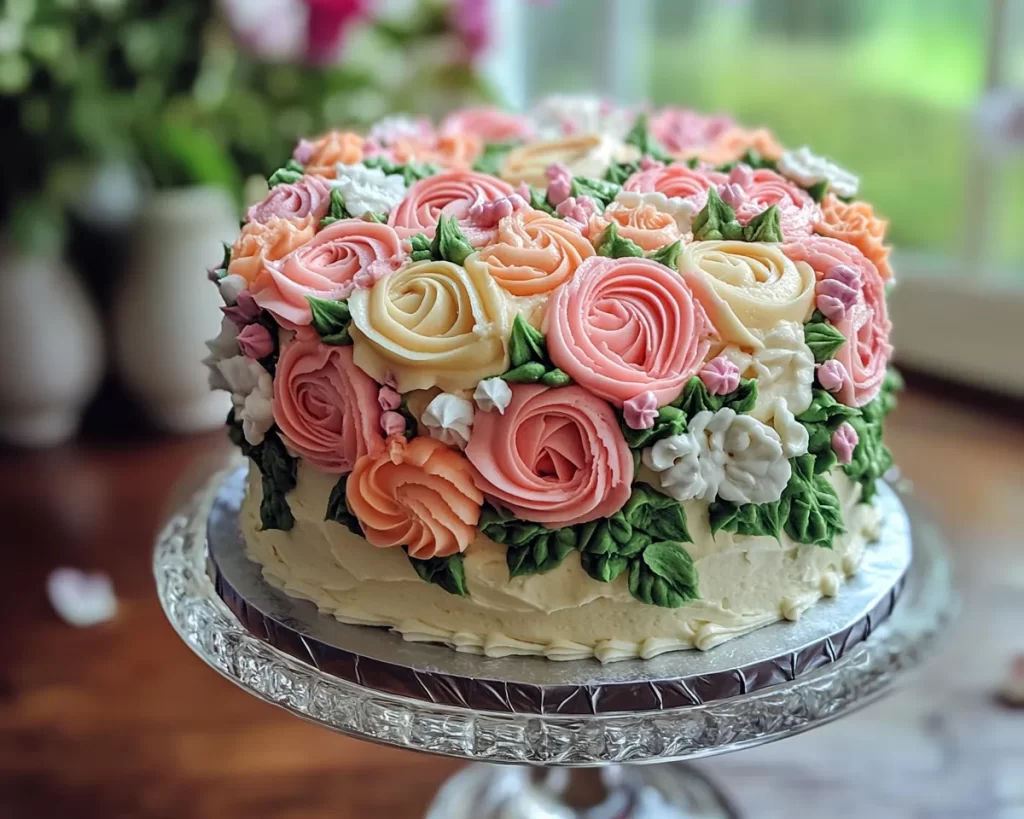
Spring is a season that radiates joy and rejuvenation, and what better way to celebrate it than with a visually stunning Spring Cake Designs: Simple Floral Buttercream Cake? Each slice of this delightful cake is not only a treat for the eyes but also for the palate. Imagine indulging in layers of moist vanilla cake, enveloped in rich, creamy buttercream, and adorned with delicate floral decorations made with an array of colors. As you savor this cake, the sweet aroma of butter and sugar wafts through the air, reminding you of the warmth of a sunny day.
This recipe is particularly special due to its simplicity and versatility. Whether you’re an experienced baker or a beginner, the Simple Floral Buttercream Cake does not require advanced skills—just a bit of love and creativity. In this article, you’ll learn how to craft your very own cake, exploring not just the components that make it delicious, but also tips for decorating it beautifully.
Prepare for a delightful weaving of baking techniques and heartfelt connections as you discover how to create this charming cake that will undoubtedly brighten any gathering. Enjoy the essence of springtime in every luscious bite!
What Is Spring Cake Designs: Simple Floral Buttercream Cake?
The Spring Cake Designs: Simple Floral Buttercream Cake is inspired by the beauty and vivacity of nature in bloom. Originating from the classic buttercream cake, this iteration fuses simple baking techniques with an artistic flair in cake decorating. With moist layers of vanilla sponge cake and a luscious buttercream icing, it becomes a canvas for your creative expression—the flowers. The cake boasts a soft and airy texture, while the buttercream adds a rich, sweet flavor that harmonizes beautifully with the lightness of the cake.
Typically, you can find this cake gracing celebrations and family gatherings, making it a staple for birthdays, showers, or any cheerful occasion. The floral decorations can be made with various tools or even pre-made options if you’re short on time. This adaptability makes it possible for anyone, regardless of their baking expertise, to bring a touch of spring to their dessert table.
The allure of the Spring Cake not only lies in its visual appeal but also in its flavor. The vanilla base is like a blank canvas waiting for your personal touch, and the buttercream’s sweetness can be easily tailored with additional flavorings such as lemon or almond. As you slice into the cake, the first thing you notice will be the light and moist crumb, followed by the creamy frosting—on every bite, you experience a balance of texture and flavor that is simply delightful.
Why You’ll Love This
This cake is a perfect example of why homemade desserts are both cherished and flavorful. First, the taste is light yet decadent, inviting you back for that second slice. The layers of cake are airy, and the buttercream blankets each tier with creamy goodness. Additionally, the beauty of this cake is all about personal expression; you can customize the flower decorations to reflect your style or the occasion, making it a truly unique centerpiece.
It is also incredibly versatile. For busy parents, this cake can be made ahead of time and stored—meaning less stress during special events or family gatherings. If you have dietary restrictions or prefer not to indulge, you can tweak important ingredients, making it gluten-free or using substitutes to lower the sugar content. It’s a simple cake with many possibilities, thus serving as an excellent option for various eaters.
One common misconception about baking a floral cake is that it requires advanced skills or expensive materials. This is far from the truth! The Simple Floral Buttercream Cake provides an entry-level approach to decorating cakes, armed with basic skills and ingredients, while yielding stunning results. Even adding a few flowers, whether real or made from fondant, translates your effort into a beautifully designed cake.
Ingredients You’ll Need
- 2 cups all-purpose flour: A staple in any baking recipe, all-purpose flour provides the structure and stability needed for a cake. If you prefer gluten-free options, almond flour or a gluten-free blend can work well.
- 1 ½ cups granulated sugar: This ingredient not only adds sweetness but also contributes to the texture of the cake. Brown sugar can be used for a deeper flavor profile.
- ½ cup unsalted butter: The foundation of the cake’s rich flavor; make sure your butter is softened to room temperature for easy incorporation. For a dairy-free version, margarine or coconut oil can be used.
- 1 cup milk: Milk adds moisture; you can substitute almond milk or any plant-based milk for an alternative.
- 3 ½ teaspoons baking powder: This is essential for helping the cake rise, adding to its fluffy texture. Baking soda can be used in a pinch, but adjustments will be required.
- ½ teaspoon salt: This enhances the overall flavor; it’s often an overlooked ingredient in baking but essential for balance.
- 3 large eggs: Eggs contribute to the cake’s structure and stability. For vegans, flax eggs can be made by mixing ground flaxseed with water and allowing them to thicken.
- 2 teaspoons pure vanilla extract: This provides beautiful flavor; feel free to experiment with other extracts for a twist.
- 4 cups powdered sugar: The base for your buttercream frosting, providing sweetness and creaminess. You can use a sugar substitute if needed.
- 2 tablespoons heavy cream: For a smooth buttercream, the heavy cream adds a luscious texture. Milk or non-dairy cream can be used as well.
- Gel food colors: Essential for achieving vibrant florals; natural food coloring can be a healthier alternative.
Each ingredient in this recipe plays a pivotal role in creating a harmonious blend of flavors and textures. It’s important to measure correctly for the best results so that your cake rises beautifully, and your buttercream has the right consistency for decorating.
How to Make
- Preheat your oven to 350°F (175°C): Begin by preheating your oven, an essential step that ensures your cake bakes evenly. Prepare your 9-inch round cake pans by greasing and flouring them lightly. If you forget this step, you could end up with a cake that sticks to the pan, making it difficult to remove later.
- Prepare the batter: In a large mixing bowl, cream together the softened unsalted butter and granulated sugar until light and fluffy. This typically takes about 5 minutes. You’ll know it’s ready when the mixture lightens in color and texture. Adding the eggs one at a time and mixing until well-combined ensures a uniform mixture.
- Combine dry ingredients: In another bowl, sift together the all-purpose flour, baking powder, and salt. Sifting not only combines the dry ingredients but also aerates the flour, leading to a lighter cake. Gradually add the dry mixture to the wet ingredients, alternating with the milk, and mix until just combined. Be careful not to overmix, as that can lead to a dense cake.
- Add vanilla extract: Stir in the vanilla extract, allowing the warm flavor to enhance the sweetness of the cake. Mix everything together until you no longer see any dry flour, ensuring your batter is smooth and even.
- Pour and bake: Divide your batter evenly between the prepared cake pans and smooth the tops. Place them in the preheated oven and bake for 25 to 30 minutes, or until a toothpick inserted into the center comes out clean. The cakes will also begin to pull away from the sides of the pans as they bake.
- Cool the cakes: Once baked, remove the pans from the oven and allow them to cool for about 10 minutes before inverting them onto wire racks. It’s crucial to let them cool completely so that they hold their shape during frosting. If you frost while the cake is still warm, the buttercream may melt.
- Make the buttercream: While the cakes cool, prepare the buttercream frosting by beating the softened butter until creamy. Gradually add the powdered sugar, alternating with heavy cream until you reach your desired consistency—thick yet spreadable. If the mixture seems too thick, add a bit more cream, but remember that you’ll also need to account for decorating!
- Frost the cake: Place one layer of the cooled cake on a serving platter. Spread an even layer of buttercream on top, then carefully place the second layer on top. Frost the top and sides of the cake with the remaining buttercream, smoothing it out as you go. Don’t stress about making it perfect—the beauty of this cake comes from the floral decorations!
- Create flower decorations: Divide the remaining buttercream into separate bowls and tint them with gel food colors. Using a piping bag fitted with a decorating tip, pipe flower shapes that reflect your favorite blooms. Be creative! Incorporate various colors and styles for a visually stunning cake.
- Chill before serving: Just before serving, chill the cake in the fridge for at least 30 minutes to firm up the buttercream. This step helps keep your decorations in place when slicing. When ready, slice, serve, and enjoy the delightful taste of your homemade Spring Cake!
Variations & Substitutions
Citrus Twist: For a refreshing twist on your cake, consider adding citrus flavors. You can infuse the batter with lemon or orange zest for a zingy flavor profile. Additionally, try replacing some of the vanilla extract with lemon or orange extract to enhance that citrus flair. This variation works exceptionally well for warm-weather events and gives your cake a bright, cheerful vibe.
Chocolate Floral Cake: If you’re a chocolate lover, substituting half of the all-purpose flour with unsweetened cocoa powder can easily transform this cake into a rich chocolate experience. Adding chocolate buttercream instead of plain buttercream will create a fantastic contrast. This variation is perfect for those who enjoy a deeper flavor and texture, delivering a stunning result that will surely impress your guests.
Gluten-Free Delight: For those with gluten sensitivities, you can create a gluten-free cake by using a 1-to-1 gluten-free flour blend. Ensure your baking powder is certified gluten-free as well. The moistness of the cake may actually increase, and you’ll find that it has an equally delicious flavor and texture—making it difficult for anyone to tell the difference!
Vegan Spring Cake: To make this cake suitable for a vegan diet, use flax eggs instead of regular eggs, and replace the milk with a plant-based alternative like almond milk or coconut milk. Additionally, opt for vegan butter in the frosting. This variation not only caters to vegans but also offers a different flavor profile, with the plant-based ingredients adding a unique taste to the cake.
Seasonal Berry Cake: Incorporating seasonal berries into your cake batter can add both flavor and texture. Chopped strawberries, blueberries, or raspberries blended into the batter creates a delightful surprise when you slice into the cake. Top with whipped cream or additional buttercream sprinkled with fresh berries for a stunning presentation that embodies the essence of spring.
Common Mistakes to Avoid
When it comes to making a Floral Buttercream Cake, there are several pitfalls that can lead to disappointment. One common mistake is not allowing your butter to soften properly before creaming it with sugar. If the butter is too cold, it won’t incorporate well, leading to a grainy texture in your batter. Make sure to bring your butter to room temperature by leaving it out for about an hour before you start baking.
Another mistake is overmixing the cake batter after adding the flour. Be careful to mix until combined; overmixing can cause the cake to become dense and chewy instead of light and fluffy. When measuring your flour, use the spoon and level method—scooping directly from the bag packs the flour down, leading to too much being added to the batter.
Also crucial is the baking time; if you pull your cake out too soon, it could sink in the middle, resulting in an unappealing presentation. Trust your instincts with baking times and use the toothpick test to gauge doneness. Finally, if you’re using food coloring, start with just a tiny amount! You can always add more, but it’s much harder to correct if it’s too intense.
Storage, Freezing & Reheating Tips
Storing your Spring Cake Designs: Simple Floral Buttercream Cake should be done carefully to maintain its freshness. If you have leftover cake, you can cover it with plastic wrap and store it in the fridge for up to 5 days. The cool temperature will keep the buttercream firm and the cake moist.
If you plan to make the cake ahead of time, consider freezing it instead. Wrap each layer tightly in plastic wrap and then in aluminum foil to prevent freezer burn. When frozen properly, the cake can last for up to 3 months. To thaw, transfer the cake to the refrigerator and allow it to come to room temperature before frosting.
For reheating purposes, if you desire a warm slice, microwave it at medium power for 10-15 seconds, just enough to take the chill off. If reheating whole leftovers, wrap the slices in a damp paper towel to keep them from drying out during the process.
It’s crucial to always adhere to food safety guidelines, especially when it comes to cakes with cream cheese or buttercream frosting. Always refrigerate promptly and check for any signs of spoilage before serving.
Frequently Asked Questions
Can I use a different frosting for this cake?
Absolutely! If buttercream isn’t your favorite, consider using cream cheese frosting or whipped ganache. Each type of frosting has its unique flavor and will offer a different experience, so don’t hesitate to experiment with what you love.
How do I achieve the best texture for my cake?
To achieve a perfect texture, ensure all your ingredients are at room temperature before you begin mixing. Overmixing, as previously mentioned, can also ruin the light and fluffy texture, so mix your batter until just combined.
Can I make this cake ahead of time?
Yes! This cake can be made a day in advance. Just make sure to store it well—this will maintain its freshness and flavor. If you prefer, you can bake the cake layers in advance and frost them the day of your event.
How can I make my cake more colorful?
Using gel food coloring can help you achieve vibrant colors without compromising the consistency of your frosting. Always start with a small amount of color and gradually add more to reach your desired shade.
What’s the best way to cut this cake without ruining the decorations?
To cut the cake neatly, use a sharp knife that’s been dipped in hot water. Wipe the knife clean between cuts, ensuring that every slice looks beautiful and preserves the intricate floral designs you’ve created!
Conclusion:
The Spring Cake Designs: Simple Floral Buttercream Cake is not just a dessert; it’s an experience for both the baker and the eater. This recipe’s simplicity allows it to be easily crafted by even novice bakers while providing a beautiful outlet for creativity. From its moist layers to the delectable buttercream, every bite speaks of springtime and celebration.
I encourage you to try this cake for your next gathering; let it become a memorable centerpiece that entices your loved ones and leaves them asking for seconds. Feel free to customize it with your favorite flavors, textures, and decorations, and pass on the joy of baking to others. So gather your ingredients, get in the kitchen, and create something wonderful!