Prep time: 20 minutes
Cook time: 50 minutes
Total time: 1 hour 10 minutes
Servings: 10 servings
Imagine stepping into a sunlit kitchen, the scent of fresh lemons filling the air, and a delectable cake hot out of the oven waiting for you. This is the beauty of the **Spring Cake: Lemon Bundt Cake (Spring Style)**, a delightful dessert that is truly the star of any spring gathering. With its moist texture and zesty flavor, this cake captures the essence of spring, making it perfect for celebrations, family gatherings, or simply to enjoy with your afternoon tea or coffee. This recipe not only gives you a taste of brightness but also a sense of accomplishment, as you’ll be creating something that’s as beautiful as it is flavorful.
What makes this cake special is not just its charming appearance, but the balance of **sweetness** and **tartness** that the lemons bring. You’ll learn how to create the perfect lemon glaze to drizzle over the cake, enhancing its flavor while adding a lovely sheen. Additionally, this recipe is straightforward enough for beginners yet rewarding for even the most seasoned bakers. Whether you follow the recipe to the letter or tweak it a bit to match your taste, the outcomes are always delicious.
In this article, you’ll discover exactly how to bring this delightful cake to life, learn about the essential ingredients, and even explore variations that cater to different dietary needs. You can also look forward to tips for success and answers to common questions that will help you achieve the perfect lemon bundt cake every time.
What Is Spring Cake: Lemon Bundt Cake (Spring Style)?
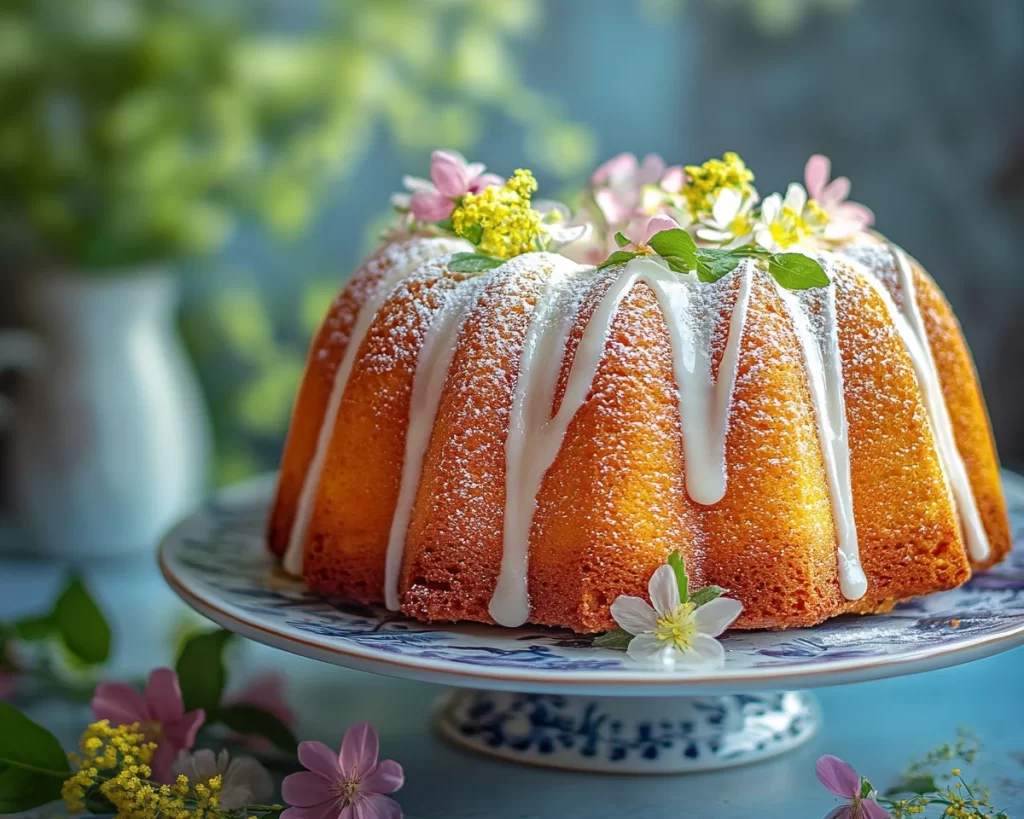
The **Spring Cake: Lemon Bundt Cake** is a moist, flavorful dessert that’s traditionally enjoyed in spring and summer months. It’s characterized by its **bright yellow color**, thanks to the use of **fresh lemons**, and its unique shape made possible by the **bundt pan**. The origins of bundt cakes trace back to European traditions, notably inspired by the Gugelhupf, a type of round cake with a hole in the center that allows for even baking.
The texture of this cake is what sets it apart: it’s incredibly fluffy yet dense enough to hold together beautifully, making every slice a joy to eat. The lemon flavor is prominent but not overpowering, which makes it a versatile dessert that can be enjoyed on its own or dressed up with whipped cream, fresh berries, or a dusting of powdered sugar. Additionally, this cake offers a refreshing hint of citrus that feels especially fitting during the springtime, evoking feelings of sunshine and warmth.
Crowning this delicious cake is a simple yet flavorful glaze made from fresh lemon juice and powdered sugar. This glaze not only adds a beautiful finish but also further intensifies the lemon flavor, ensuring that every bite bursts with freshness. Whether served at a garden party, a casual family gathering, or simply enjoyed with friends over coffee, this cake adds charm and zest to any occasion.
Why You’ll Love This
You’ll find several reasons to fall in love with this **Spring Cake: Lemon Bundt Cake**. Firstly, the taste is simply unbeatable, with its **tangy lemon** flavor perfectly balanced by sweet undertones. It’s a cake that sings of spring, bringing vibes of sunshine and cheer to any table.
One of the most appealing aspects of this recipe is its **ease of preparation**. With readily available ingredients and straightforward instructions, even novice bakers can whip it up effortlessly. The moist texture and delightful flavor make it a **budget-friendly** dessert that impresses without breaking the bank. You don’t need fancy tools or a culinary degree; all you need is a little enthusiasm and a few kitchen staples.
Many people might hesitate to make a bundt cake due to the **fear of sticking**. However, with the right preparation, which includes properly greasing and flouring the bundt pan, your cake will slide out beautifully. Just remember to let it cool for a bit before inverting it onto a plate.
Lastly, this cake’s versatility cannot be overstated. You can easily adapt it by incorporating different flavors, making it suitable for various dietary needs or personal preferences. From **gluten-free** options to variations with added fruits or spices, this cake can be customized to cater to different tastes and occasions.
Ingredients You’ll Need
- 2 cups all-purpose flour – This forms the base of the cake, providing structure and texture. For gluten-free options, substitute with a **1:1 gluten-free flour blend**.
- 1 ½ cups granulated sugar – Adds sweetness and helps keep the cake moist. Consider using **coconut sugar** for a natural alternative.
- 1 cup unsalted butter – Provides richness and moisture. For a healthier option, you can replace it with **applesauce** in a 1:1 ratio.
- 4 large eggs – Eggs give the cake its structure and leavening. If you’re looking for a vegan option, use **flax eggs** instead.
- ½ cup milk – This helps to keep the cake moist. **Almond milk** or **oat milk** can be used for a dairy-free adaptation.
- 4 teaspoons baking powder – Essential for leavening, ensuring a light and fluffy texture.
- 1 teaspoon vanilla extract – Enhances the cake’s flavor profile, bringing warmth and depth.
- Zest of 2 lemons – Adds a burst of fresh flavor; using freshly grated zest is crucial for achieving that **zesty kick**.
- ⅓ cup fresh lemon juice – The star ingredient that imparts the beloved lemon flavor. Use freshly squeezed juice for the best results.
- 1 cup powdered sugar – Used for the icing, bringing sweetness and a beautiful finish.
- Extra butter and flour for the bundt pan – Essential for greasing the pan and ensuring easy release of the cake.
Each ingredient plays a significant role in the final outcome of the cake, contributing to its flavor, texture, and overall satisfaction. Understanding the role of each will help you make informed choices, especially if you desire to try out substitutions based on dietary restrictions or taste preferences.
How to Make
- Preheat your oven. Begin by preheating your oven to 350°F (175°C). This pause before you begin mixing ensures that your cake will bake evenly. Take this time to prepare your bundt pan by greasing it very well with butter and dusting it with flour. This is a crucial step to prevent the cake from sticking later. Set the greased pan aside.
- Cream together the butter and sugar. In a large mixing bowl, beat the softened unsalted butter and granulated sugar together. You can use an electric mixer on medium speed for about 3–4 minutes until the mixture turns light and fluffy. This process is crucial as it introduces air into the batter, giving your cake its lovely texture. Make sure to scrape down the sides of the bowl for even mixing.
- Add the eggs and vanilla. Once your mixture is fluffy, add in the 4 large eggs, one at a time, mixing well after each addition. This will incorporate the eggs thoroughly into the mixture, ensuring a consistent batter. Add the teaspoon of vanilla extract, and mix until combined. The batter should start to take on a richer yellow hue from the eggs.
- Combine dry ingredients. In a separate bowl, whisk together the all-purpose flour, baking powder, and lemon zest. This step will ensure that the leavening agent is evenly distributed throughout the flour, avoiding any clumps in your cake. The zest will also infuse the flour with a fresh lemon aroma, enhancing the overall flavor.
- Incorporate dry and wet ingredients. Gradually add the dry mixture to the butter mixture in 3 parts, alternating with the milk. Begin with a third of the flour mixture, then add half of the milk, followed by another third of the flour, the remaining milk, and finish with the last portion of flour. This gradual integration keeps the batter smooth and prevents overmixing. Mix just until incorporated.
- Add lemon juice. Finally, fold in the fresh lemon juice gently into the batter. This will contribute the signature lemon flavor that makes this cake special. Taking care not to overmix at this stage helps maintain the fluffy texture you’ve built up during the process.
- Pour batter into the bundt pan. Once your batter is fully combined, pour it into the prepared bundt pan. Use a spatula to spread it evenly, smoothing the top for an even bake. Be sure not to overfill the pan—leave about an inch of space at the top, as the cake will rise during baking.
- Bake your cake. Place the bundt pan into the preheated oven and bake for approximately 50 minutes. You’ll know your cake is done when a toothpick inserted into the center comes out clean or with a few moist crumbs. Note that baking times may vary slightly based on your oven, so keep an eye out during the last few minutes. The aroma that fills your kitchen will be delightful!
- Cool and unmold. After baking, remove the cake from the oven and allow it to cool in the pan for about 10 minutes. This cooling period helps the cake firm up a bit, making it easier to remove. After 10 minutes, gently run a knife around the edges of the cake to loosen it. Carefully invert it onto a cooling rack and let it cool completely.
- Make the lemon glaze. While the cake cools, it’s time to prepare the lemon glaze. In a bowl, mix together the powdered sugar and enough fresh lemon juice until you achieve your desired consistency. You want it to be pourable but thick enough to hold well on the cake without running off completely.
- Drizzle and serve. Once the cake is completely cooled, drizzle the lemon glaze over the top, allowing it to cascade down the sides. Serve each slice with a light dusting of powdered sugar or fresh berries for a refreshing touch. Enjoy your delightful Spring Cake: Lemon Bundt Cake with a cup of coffee or tea, and relish the warm welcome of spring flavors!
Variations & Substitutions
Gluten-Free Lemon Bundt Cake
To make this cake suitable for a gluten-free diet, simply substitute the all-purpose flour with a **gluten-free flour blend** that includes xanthan gum. Many brands offer flour blends specifically designed for baking, ensuring that your cake retains its delightful texture. This variation is perfect for those who need to avoid gluten while still enjoying a slice of this bright and flavorful cake.
Coconut Lemon Bundt Cake
For a tropical twist, consider adding **unsweetened shredded coconut** to the batter. You can incorporate about 1 cup of shredded coconut when mixing in the dry ingredients. This variation not only enhances the flavor but also adds a chewy texture that complements the tender cake. Additionally, using coconut milk in place of regular milk will elevate the dessert further, creating a subtly sweet and aromatic coconut experience.
Berry-Infused Lemon Bundt Cake
Another delightful variation is to incorporate fresh berries into the cake. **Blueberries** or **raspberries** work wonderfully. Before adding them to the batter, toss the berries in a bit of flour to prevent them from sinking during baking. You can mix in about 1 cup of berries for a burst of fruity flavor, resulting in a lovely contrast to the lemon. This version is a great way to celebrate seasonal fruits while adding an extra layer of flavor to your cake.
Lemon Poppy Seed Bundt Cake
If you enjoy the combination of citrus and nutty flavors, adding **poppy seeds** is a fantastic option. Simply fold in approximately 3 tablespoons of poppy seeds into your batter. This variation will not only add a subtle crunch but also aesthetic appeal with the speckled look against the bright yellow cake. It’s an excellent choice for those who want a more sophisticated twist on the classic lemon bundt cake.
Lemon Lavender Bundt Cake
To infuse a floral note, consider adding **dried culinary lavender** to your cake. You can steep 2 tablespoons of dried lavender in the milk for a few minutes and then strain it before mixing it into the batter. This delicate flavor pairs wonderfully with the zest and juice of the lemons, creating a unique and aromatic bundt cake that is perfect for spring or summer celebrations.
Common Mistakes to Avoid
Making a bundt cake can be straightforward if you keep a few key tips in mind to avoid common pitfalls. One of the biggest mistakes home bakers make is using a **cold butter** straight from the fridge. It’s essential to allow your butter to reach room temperature before starting to cream it with sugar. This step is critical for creating a light and fluffy cake.
Another common error is not properly **greasing the bundt pan**. If your pan isn’t well-greased, your beautiful cake may end up sticking, leading to breakage upon unmolding. Make sure to thoroughly coat every nook and cranny of your bundt pan and consider using shortening instead of butter for an extra non-stick coating.
Moreover, be careful not to **overmix** the batter once you add the flour. Overmixing can develop the gluten too much, resulting in a dense and tough cake instead of the desired light and airy texture. Be gentle and mix just until you don’t see any more dry flour.
Lastly, **don’t forget to check the baking time** frequently toward the end of the baking process. Ovens can vary, and your bundt cake can go from perfectly baked to overdone in just a few minutes. Keep a toothpick handy and test for doneness around the 50-minute mark.
Storage, Freezing & Reheating Tips
To keep your **Spring Cake: Lemon Bundt Cake** fresh and flavorful, proper storage is essential. After the cake has completely cooled, you can store it at room temperature in an airtight container for up to 3 days. For longer storage, consider wrapping the cake tightly in plastic wrap or placing it in a freezer-safe container and freezing it. This bundt cake can be frozen for up to 3 months.
When you’re ready to enjoy the cake again, allow it to thaw in the refrigerator overnight. You can serve it chilled, or for a warm treat, give it a quick heat in the microwave. If you plan to reheat, slice your piece first and heat it in increments of about 10-15 seconds, checking to ensure you don’t warm it too much.
When it comes to serving leftovers, if you prefer the flavor of the lemon to be more pronounced, you might consider preparing a fresh glaze to drizzle over the slices before serving. This can revitalize the flavor and add a renewed zest that complements the cake beautifully.
Frequently Asked Questions
Can I use bottled lemon juice instead of fresh?
While bottled lemon juice can be used in a pinch, it is strongly recommended to opt for fresh lemon juice for the best flavor. Freshly squeezed lemon juice brings a brightness and zing that bottled juice often lacks. For this recipe, the juice and zest of fresh lemons are crucial for achieving that vibrant spring flavor.
Can I make this cake in advance?
Absolutely! This lemon bundt cake actually tastes even better after a day as the flavors have time to meld together. You can make it a day or two in advance, just be sure to store it properly. If you wish to prepare it longer in advance, consider freezing it as detailed earlier.
Is this cake suitable for a gluten-free diet?
Yes! You can easily make this cake gluten-free by substituting the all-purpose flour with a gluten-free flour blend. Many brands are available that work wonderfully for baking, helping to retain the cake’s texture and moisture without sacrificing flavor.
What can I serve with the Lemon Bundt Cake?
This cake pairs beautifully with a variety of accompaniments. Serving it with fresh berries or a dollop of **whipped cream** enhances its flavor profile. You might also consider pairing it with **coconut ice cream** or a light custard for a refreshing dessert option.
How can I make this cake more decadent?
For a richer experience, you can add chocolate chips to the batter or drizzle a chocolate glaze over the lemon icing. This will create a delicious contrast between the **tart lemon** and **sweet chocolate**, providing a more indulgent dessert that’s sure to impress.
Conclusion:
In summary, the **Spring Cake: Lemon Bundt Cake** is a delightful and versatile recipe perfect for welcoming the warmer months. With its bright flavors, easy preparation, and the ability to adapt to different preferences, it’s a cake you’ll want to return to time and again. Whether you enjoy it on its own, share it with friends, or customize it to fit your taste, this cake is sure to become a beloved staple in your recipe collection. Don’t hesitate to give this a try—bake it, savor it, and let its fresh, zesty flavor transform your spring gatherings!