Prep time: 20 minutes
Cook time: 30 minutes
Total time: 50 minutes
Servings: 4
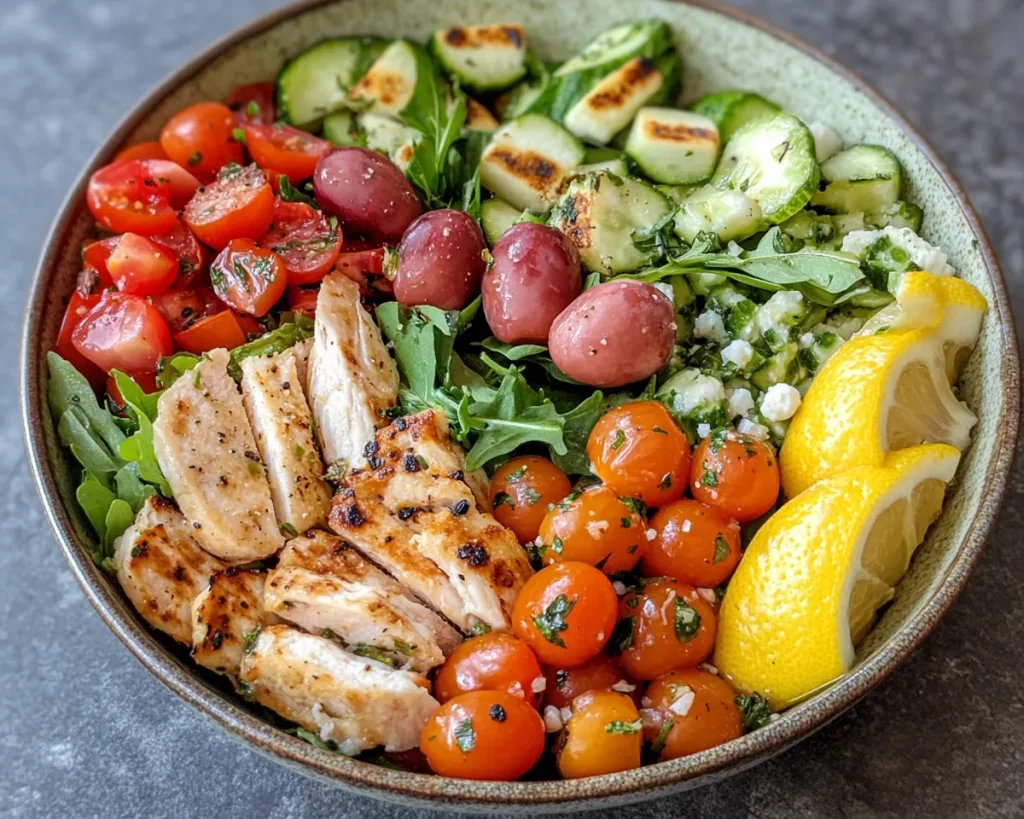
When it comes to enjoying the blossoming flavors of spring, few dishes encapsulate the essence of the season quite like a Mediterranean Bowl with Lemon Dressing. This dish not only pleases the palate with its vibrant colors and fresh textures, but it also caters to those of you who are busy and looking to whip up a healthy meal without spending hours in the kitchen. If you are searching for a satisfying, easy-to-prepare dinner idea that is both nutritious and delightful, you’ve stumbled upon the right recipe. Here, you’ll learn not only how to make this delicious bowl, but also a few tips and variations to suit your taste and dietary needs.
Imagine sitting down at the dinner table, a hearty bowl filled to the brim with colorful ingredients that sing to your senses. This Mediterranean Bowl is a harmonious blend of grains, chic vegetables, and proteins, all kissed with a zesty lemon dressing that ties everything together. The dish is versatile; it can be a filling main course or a side dish that complements grilled meats beautifully. You’re not just cooking; you’re creating an experience that nourishes not only your body but also your spirit.
As we embark on this culinary journey, you will discover how simple and rewarding it can be to concoct a meal bursting with flavor. By the end of the recipe, you’ll not just know how to prepare it but also feel empowered to customize it according to your family’s preferences. So roll up your sleeves, and let’s get cooking!
What Is Spring Dinner Ideas: Mediterranean Bowl with Lemon Dressing?
A Mediterranean Bowl with Lemon Dressing is a vibrant dish that celebrates the Mediterranean diet, known for its health benefits and delightful flavors. This dish typically features a base of grains like farro or quinoa, layered with an array of fresh vegetables such as cucumbers, bell peppers, and leafy greens. The star of the show is undoubtedly the dressing, made from zesty lemons, which provides a refreshing brightness to the entire meal.
Originating from the Mediterranean region, which spans countries like Greece, Turkey, and Italy, this dish embodies the culinary principles of using fresh, seasonal ingredients. The texture is a beautiful contrast of the chewy grains, crisp vegetables, and creamy elements like feta cheese or hummus. Each bite offers a balanced flavor profile; the earthiness of the grains meets the crispness of fresh produce, all harmonized by the vibrant lemon dressing. It’s a meal that can instantly transport you to a sunlit Mediterranean terrace, surrounded by laughter and joy.
Like most Mediterranean dishes, the beauty of this bowl lies in its adaptability. You can customize each ingredient according to what you have on hand or to cater to personal tastes. Whether you’re a meat lover or a strict vegetarian, this bowl can easily accommodate those preferences, making it suitable for busy weeknights, meal prep for lunches, or festive gatherings.
Why You’ll Love This
One of the main reasons you’ll fall in love with this Mediterranean Bowl is its incredible taste. The combination of fresh vegetables, hearty grains, and the zingy lemon dressing creates a symphony of flavors that will have your tastebuds dancing. Not only does it taste amazing, but it is also incredibly easy and quick to prepare. With a little bit of chopping, cooking, and tossing, you can have dinner ready in under an hour.
Moreover, this dish is cost-effective. You can easily incorporate seasonal produce, which is often more affordable, and either buy pre-cooked grains or cook them in batch when you have some free time. This means you can save time, energy, and money on busy evenings while still serving a nutritious meal to your family.
Additionally, this Mediterranean Bowl is a powerhouse of health benefits. Packed with nutrients from fresh vegetables, whole grains, and healthy fats from ingredients like olive oil and nuts, it keeps you feeling full and satisfied without the heavy feeling that often accompanies other meals. You’re not just eating; you’re nourishing your body with every delicious bite.
One common misconception is that Mediterranean diets are labor-intensive. This recipe dispels that myth, demonstrating how you can create a fulfilling meal with minimal effort and time. Even if you’re new to cooking, this dish is set up for success, guiding you step by step through the preparation process.
Ingredients You’ll Need
Here’s a look at the key ingredients you will need for your Mediterranean Bowl, along with their roles in the recipe and some tips for substitutions:
- 1 cup quinoa or farro: These will serve as the base of your bowl, providing texture and nutrients. Quinoa is gluten-free and cooks quickly, whereas farro offers a chewy, hearty texture. You can substitute with brown rice for a more affordable option.
- 1 cup cherry tomatoes, halved: These add a burst of flavor and juiciness. You can use any type of tomatoes, but cherry tomatoes are sweeter and require less cutting.
- 1 cucumber, diced: For a refreshing crunch. If you prefer, you can substitute with shredded carrots or bell peppers.
- 1 bell pepper (any color), diced: Provides sweetness and vibrant color. Pick your favorite color to enhance the visual appeal of the dish.
- 1 cup chickpeas (canned or cooked): Loaded with protein and fiber, this vegetarian option will make your dish hearty. If you want a meatier alternative, consider grilled chicken or shrimp.
- 1/2 cup feta cheese, crumbled: Adds creaminess and a salty bite. If you’re looking for a dairy-free option, try using a vegan feta or omit it altogether.
- 1/4 cup black olives, sliced: They contribute a salty, briny flavor that ties all the ingredients together.
- Fresh herbs (parsley or mint): For added freshness and flavor. You can switch this out for whatever herbs you enjoy most, like dill or basil.
- 1/4 cup olive oil: Essential for the dressing and adds a source of healthy fat. You can substitute with avocado oil if desired.
- Juice of 1 lemon: This will be the star of your dressing, bringing brightness and tang to the bowl. Lime juice works as a substitute if you’re looking for a different zesty note.
- Salt and pepper to taste: Basic but crucial for enhancing flavor. Use sea salt and freshly cracked pepper for a gourmet touch.
How to Make
Follow these simple steps to create your Mediterranean Bowl with Lemon Dressing:
- Begin by rinsing the quinoa or farro under cold water. This step helps remove any bitter coating on the grains. In a saucepan, combine the rinsed quinoa or farro with 2 cups of water (or vegetable broth for added flavor) and bring to a boil. Reduce the heat to low, cover, and let it simmer for about 15 minutes for quinoa and 25-30 minutes for farro, until the grains are fluffy and the liquid is absorbed. Once cooked, fluff with a fork and set aside to cool.
- While your base is cooking, wash and chop your vegetables. Dice the cucumber, bell pepper, and halve the cherry tomatoes. The vibrant, fresh colors will immediately uplift your spirits as you prepare your dish. Remember, the more colorful your bowl, the more appealing it will be. You can modify the amounts based on personal preference.
- If you are using canned chickpeas, drain and rinse them in a colander to reduce sodium content. If you’re cooking dried chickpeas, remember to soak them overnight before boiling them until tender. Add the chickpeas to the chopped vegetables for added heartiness.
- Next, prepare the dressing. In a small bowl, whisk together the lemon juice, olive oil, salt, and pepper. This should take about a minute. It’s essential to taste the dressing as you go; it may need a little more lemon or salt depending on your preference. The balancing act of acidity and salt is what makes the dressing so invigorating.
- Now that all components are prepared and cooled, it’s time to assemble your Mediterranean Bowl. In a large serving bowl, mix the cooked quinoa or farro with the chopped vegetables and chickpeas, making sure to combine them evenly. This mix should reward you with a variety of colors and textures that are immediately enticing.
- Drizzle the lemon dressing over the bowl, tossing gently to ensure that everything is coated evenly. Taste again to check for seasoning. You can adjust as necessary, adding more salt or dressing to suit your preferences. The more thorough you are with this, the more flavor each bite will have.
- Finally, add the crumbled feta and olives on top. Sprinkle with fresh herbs, either parsley or mint, to finish. These herbs add an aromatic element that really elevates the dish. Serve immediately, or let it rest for a few minutes for the flavors to meld.
Variations & Substitutions
Vegan Mediterranean Bowl: If you want to make a vegan version, simply omit the feta cheese and use chickpeas as a primary protein source. You can also enhance the flavor by adding roasted nuts such as almonds or walnuts. Their crunch contrasts well with the soft textures of other ingredients. Additionally, consider adding avocados for an extra creamy element and healthy fats.
Grilled Chicken Mediterranean Bowl: For those who enjoy meat, grilled chicken makes an excellent addition. Marinate your chicken breast in olive oil, lemon juice, and spices like oregano or thyme for at least 30 minutes before grilling. Once cooked, cut it into strips and layer them on top of your bowl for added protein and flavor. This variation not only enhances the taste but also provides a rich, satisfying experience.
Quinoa Salad Toast: Instead of serving the Mediterranean Bowl in a traditional way, consider using the same ingredients to top slices of toasted whole-grain bread. This fun twist not only makes for an excellent appetizer but also offers a unique way to enjoy the same flavors. Just remember to pile high on the toast with feta, herbs, and a drizzle of extra lemon dressing for that flavorful burst.
Spicy Mediterranean Bowl: If you’re a spice lover, consider adding jalapeños or a sprinkle of red pepper flakes to your dressing before mixing. You can also marinate the chickpeas in a spicy blend of harissa or sriracha. This will give your dish a fiery kick while still preserving the freshness of the vegetables and herbs.
Common Mistakes to Avoid
One common mistake when making a Mediterranean Bowl is not rinsing the quinoa or farro prior to cooking. This can lead to a bitter flavor that detracts from the overall dish. Make sure to give those grains a good rinse under cold water to ensure they cook up deliciously.
Another potential pitfall is overcrowding your bowl with too many toppings or ingredients. While it can be tempting to include everything you love, it’s essential to maintain a balance. Aim for a harmonious mix without overwhelming flavors. You can always serve extra toppings on the side for those who want to customize their bowls further.
Finally, do not underestimate the importance of seasoning. A simple dish like this requires seasoning to truly shine. Remember to taste as you go, adjusting the seasoning to boost every ingredient’s flavor. A pinch of salt or more lemon juice can elevate your bowl significantly. Always make the effort to ensure your dish is well-seasoned.
Storage, Freezing & Reheating Tips
One of the great aspects of the Mediterranean Bowl is that it keeps well, making it perfect for meal prep. If you’re planning on storing leftovers, it’s best to keep the components separate. Store the grains, vegetables, and dressing in airtight containers in the refrigerator. This will help preserve the freshness of the ingredients and prevent them from getting soggy. Consumed within three to four days, your dish will still offer great flavors and textures.
If you want to save some portions for future meals, consider freezing the grains and cooked chickpeas. They freeze beautifully, and when reheated, they taste just as good. However, it’s best to prepare fresh vegetables and the lemon dressing right before serving to maintain their freshness and crunch.
When reheating, gently warm the grains and chickpeas in a microwave or skillet, adding a splash of water to prevent drying out. Mix in the fresh vegetables afterwards to keep them crisp. Always check for taste, adjusting the seasoning as necessary after reheating.
Frequently Asked Questions
Can I use other grains instead of quinoa or farro? Absolutely! This Mediterranean Bowl is highly versatile, and you can easily substitute with other grains like couscous, bulgur, or brown rice. Each grain will impart its unique flavor and texture to the dish. Just be mindful of the cooking times, as they can vary significantly.
How can I make this meal gluten-free? To ensure that your Mediterranean Bowl is gluten-free, stick to quinoa or brown rice as they are naturally gluten-free grains. Always double-check the packaging of any condiments, such as sauces or dressings, to make sure they do not contain gluten.
What’s the best way to meal prep this dish? Meal prepping is a breeze with this recipe! Prepare the grains and vegetables ahead of time and store them in separate containers in the refrigerator. Combine them with the dressing right before serving to maintain freshness and crunch. Prepping this dish could save you a ton of time on busy weekdays!
Can I add protein to this bowl? Yes! Grilled chicken, shrimp, or even roasted tofu are fantastic protein additions to your Mediterranean Bowl. They not only make the meal heartier but also add additional flavors that pair well with the other ingredients. Experiment with marinating your proteins in lemon and your favorite herbs for an extra boost in taste.
What are some good side dishes to serve with this bowl? This Mediterranean Bowl can stand alone as a meal, but if you’re looking to serve it with a side, consider a simple Greek salad or garlic bread. A light vegetable soup would also complement the flavors beautifully, offering a rounded meal experience for your table.
Conclusion:
This Mediterranean Bowl with Lemon Dressing is a delightful and fulfilling option to showcase the flavors of spring. It invites creativity in the kitchen, allowing you to customize it to your heart’s desire while offering an abundance of health benefits. Don’t hesitate to try various substitutions and enhancements, ensuring this dish never becomes monotonous. I encourage you to take the plunge and try out this fantastic recipe for yourself. Share it with friends and family, and let the delicious flavors spark conversations and memories. Your new favorite spring dinner is just a recipe away!