Prep time: 15 minutes
Cook time: 45 minutes
Total time: 1 hour
Servings: 6
Are you looking to impress your guests with a vibrant and delicious meal? Spring Dinner Party Roasted Spring Vegetables is the perfect dish to captivate your family and friends with its color and flavor. There’s something magical about spring vegetables; their fresh flavor not only brightens your plate but also your mood. This dish harmoniously balances crispy textures with tender veggies, offering a symphony of wholesome goodness that is both satisfying and nourishing.
In this article, you’ll learn how to make this stunning dish, along with my best tips for achieving perfectly roasted vegetables every time. We’ll explore various adaptations to suit dietary preferences and ensure that this recipe can be enjoyed by everyone at your table. So roll up your sleeves; let’s get cooking!
What Is Spring Dinner Party Roasted Spring Vegetables?
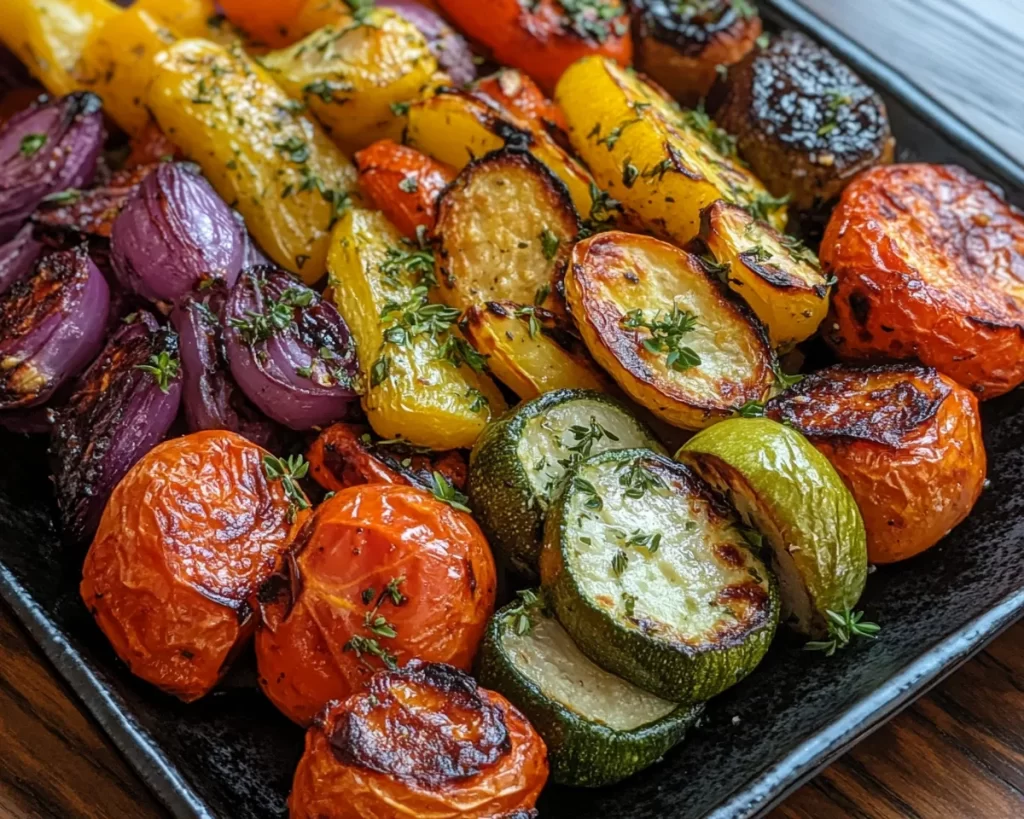
Spring Dinner Party Roasted Spring Vegetables is a colorful medley of seasonal vegetables that are roasted to perfection. Traditionally, this dish showcases ingredients typically harvested in the spring, such as asparagus, carrots, radishes, and baby potatoes. Renowned for its versatility, it can be served warm or at room temperature, making it ideal for both casual family dinners and elegant dinner parties.
Roasting vegetables is a cooking technique that enhances their natural flavors and caramelizes their sugars, resulting in a delightful sweetness and depth. The texture transforms beautifully; crisp on the outside while remaining tender on the inside. The beautiful array of colors not only pleases the eye but also signals the season of renewal and fresh starts that spring embodies.
The origins of roasting vegetables can be traced back to ancient cooking methods where fire was harnessed to enhance and bring out the natural flavors of whole foods. This method continues to resonate today, bringing out the best in each vegetable, making it a staple in many home kitchens.
Why You’ll Love This
There are countless reasons to fall in love with Spring Dinner Party Roasted Spring Vegetables. Firstly, it combines flavor, texture, and nutrition in an incredibly appealing way. The variety of colors and tastes ensures that there’s something for everyone, making it a perfect centerpiece or side dish. The crisp-tender texture is not just a treat for your taste buds but also a delight to your senses.
From a practicality standpoint, this recipe is commendably easy to prepare. With simple steps and minimal ingredients, even novice cooks can deliver an impressive dish. It also stands out as a cost-effective choice. Seasonal vegetables are often more affordable and fresher than imported options. Plus, it’s versatile; you can adapt it to suit various dietary needs, including vegan and gluten-free diets, without sacrificing taste.
Additionally, the common mistake of under-seasoning roasted vegetables can be effortlessly avoided. Because vegetables absorb flavor beautifully during roasting, using a **generous** amount of **herbs** and **spices** brings out their innate sweetness and enhances their characteristics.
While many may shy away from cooking vegetables due to a fear of overcooking, roasted vegetables benefit from the time taken in the oven. This dish is not only forgiving but also rewarding!
Ingredients You’ll Need
- Asparagus: Fresh asparagus adds a bright green color, a tender crunch, and a slightly earthy flavor to the dish. Choose stalks that are firm and bright green. If you can’t find fresh, frozen can be a good substitute.
- Baby Carrots: Their natural sweetness balances the savory elements. If baby carrots aren’t available, regular carrots can be cut into smaller pieces.
- Radishes: These add a lovely peppery note and vibrant color. They soften beautifully when roasted. You can substitute them with turnips for a milder flavor.
- Baby Potatoes: Small potatoes offer a delightful creaminess upon roasting. Yukon Gold or new potatoes are fantastic options. If you’d like to reduce carbs, you might consider substituting sweet potatoes.
- Olive Oil: Essential for roasting, a high-quality olive oil provides richness and helps with the caramelization process. Avocado oil can serve as a great substitute.
- Salt and Pepper: These basics enhance the natural flavors of the vegetables. Adjust the amounts to your liking.
- Fresh Herbs (Thyme or Rosemary): Fresh herbs elevate the dish, adding an aromatic and fragrant element. Dried herbs can be used if fresh isn’t available, but use them sparingly.
- Garlic (optional): Minced garlic boosts the flavor profile. If you’re looking to keep it mild, you can skip it or use garlic powder.
The combination of these ingredients results in a vibrant dish packed with flavor and health benefits. They work together to create a satisfying experience, making each bite a delightful celebration of spring.
How to Make
1. **Prepare the Vegetables:** Begin by washing all the vegetables thoroughly. Cut the asparagus into 2-inch pieces to ensure even cooking. If using regular carrots, slice them into 1-inch rounds. Radishes can be halved or quartered depending on their size, while baby potatoes should be halved to expose their surface to the heat for better roasting.
2. **Preheat Your Oven:** Set your oven to 425°F (220°C). This high temperature is crucial for achieving that golden brown exterior and caramelized edges that make roasted vegetables so delectable.
3. **Season the Vegetables:** In a large mixing bowl, combine the prepared vegetables. Drizzle with a generous amount of olive oil, ensuring every piece is well coated. Add salt, pepper, and any herbs or seasonings you’re using. The oil will help the vegetables roast rather than steam, while the seasoning brings out their natural flavors.
4. **Spread on a Baking Sheet:** Line a large baking sheet with parchment paper for easy cleanup. Spread the vegetables in a single layer, ensuring they have a little space between them. This prevents steaming and promotes that beautiful caramelization we’re aiming for.
5. **Roasting Time:** Place the baking sheet in the preheated oven. Roast for about 25-30 minutes, stirring halfway through. This will allow the vegetables to cook evenly and ensures that all sides get that perfect roasted finish. Keep an eye on the colors; they should be vibrant and slightly browned.
6. **Finish and Serve:** Once the vegetables are fork-tender and golden, remove them from the oven. Let them sit for a few minutes, allowing the flavors to settle. Serve warm, garnished with fresh herbs to add a pop of color and flavor.
Feel free to adjust the cooking time based on your oven’s quirks and the size of your vegetable pieces. Everyone loves that perfectly roasted bite, and practice makes perfect!
Variations & Substitutions
Mediterranean Twist: If you love Mediterranean flavors, consider adding chickpeas to your roasted vegetables. They not only add protein but also a unique texture. Toss in some Kalamata olives and feta cheese right before serving for a punch of flavor and richness. Salad greens like arugula or spinach can also be incorporated to lighten up the dish.
Vegan Delight: For a fully plant-based experience, you might want to introduce cauliflower and Brussels sprouts to the mix. Roasted cauliflower becomes nutty and tender, while Brussels sprouts develop a crispy exterior and soft interior. Drizzle with balsamic vinegar for added zing, enhancing the natural sweetness of the roasted vegetables.
Spicy Kicks: If you’re a fan of heat, add in some sliced jalapeños or a sprinkle of red pepper flakes before roasting. These additions will introduce a warm spice that pairs beautifully with the sweetness of the vegetables. Just be cautious with the amount; you can always add more later!
Root Vegetable Variation: Swap out the baby potatoes for sweet potatoes, parsnips, or beets. These root vegetables provide a hearty element to your dish and add diverse textures and flavors. Each has its unique sweetness and can transport your dish in a new direction while still keeping that comfort food feel.
Herb-Infused Version: Instead of standard herbs like thyme or rosemary, experiment with different herb combinations such as dill, parsley, or tarragon to highlight different flavor profiles. These fresh herbs can brighten up the dish, making it equally appealing and fragrant.
Common Mistakes to Avoid
One of the common pitfalls when roasting vegetables is overcrowding the pan. When vegetables are packed together too tightly, they steam rather than roast. This results in a soggy texture instead of that coveted crisp exterior. Always make sure to give your vegetables enough space.
Another mistake is not drying the vegetables thoroughly before seasoning. Moisture on the surface can prevent them from browning effectively. After washing, pat the vegetables dry with paper towels.
Over or under-seasoning can also ruin the dish. It may be tempting to skimp on salt, but remember that roasting amplifies flavors, and a pinch can go a long way. A generous seasoning will make your roasted vegetables sing with flavor.
Finally, always monitor your roasting time. Each oven behaves differently, and vegetables can go from perfectly roasted to overly charred in a matter of minutes. Check for tenderness and visual doneness to prevent any mishaps.
Storage, Freezing & Reheating Tips
After preparing your Spring Dinner Party Roasted Spring Vegetables, storing cooked leftovers is important for maintaining their quality. Allow the vegetables to cool thoroughly before transferring them into an airtight container. They can typically be stored in the refrigerator for 3-5 days.
For longer storage, consider freezing them. Place your cooled roasted vegetables in a freezer-safe bag, remove as much air as possible to prevent freezer burn, and label the bag. They can be kept in the freezer for up to 3 months.
When you’re ready to enjoy your leftovers, the best method for reheating is placing them back in the oven. Preheat the oven to 375°F (190°C) and roast for about 10 minutes, or until they’re heated through. This will help renew some of the original crispy texture.
If you’re in a hurry, microwaving is a quick option. However, keep in mind that it may result in mushy vegetables rather than that delightful crispiness. Aim to use a microwave-safe dish with a cover to steam them gently.
Lastly, consider creating a new dish with any leftovers by tossing them into a salad, mixing them into a creamy soup, or blending them into a vegetable puree for added flavor in a sauce.
Frequently Asked Questions
Can I use frozen vegetables for this recipe? Yes, you can use frozen vegetables, but bear in mind that they often cook differently than fresh ones. Frozen vegetables might not achieve the same crispness, but they will still be tasty. Just adjust the cooking time accordingly, as they may require longer to roast completely.
How can I make this dish more filling? To turn this side dish into a complete meal, consider adding protein sources like quinoa, chickpeas, or grilled chicken. These additions provide heartiness and transform your roasted veggies into a satisfying main dish.
What can I serve with roasted spring vegetables? This dish pairs well with a variety of proteins, including grilled fish, chicken, or a hearty grain salad. It’s versatile enough to complement many flavors, so think about creating textures and tastes that contrast with your roasted veggies for a well-rounded meal.
Can I roast other vegetables? Absolutely! Feel free to get creative with other seasonal vegetables or what you have on hand. Zucchini, bell peppers, and mushrooms can also be delicious when roasted. Just remember to keep an eye on roasting times, as different vegetables may vary in timing.
What if I don’t have fresh herbs? If fresh herbs aren’t available, dried herbs can work in a pinch. Keep in mind that dried herbs are more concentrated, so use about one-third of the amount. Also, consider using seasoning blends to boost flavor without fresh herbs.
Conclusion:
Spring Dinner Party Roasted Spring Vegetables is not just a dish; it’s an experience you’ll love sharing with family and friends. It showcases the delicate textures and flavors of fresh spring produce while allowing room for personalization and creativity. By following the steps and tips provided, you’ll create a dazzling dish that impresses and satisfies. So why not try your hand at this delightful recipe? Customize it, share your creation, and embrace the beauty of seasonal cooking!