Prep time: 20 minutes
Cook time: 40 minutes
Total time: 1 hour
Servings: 6
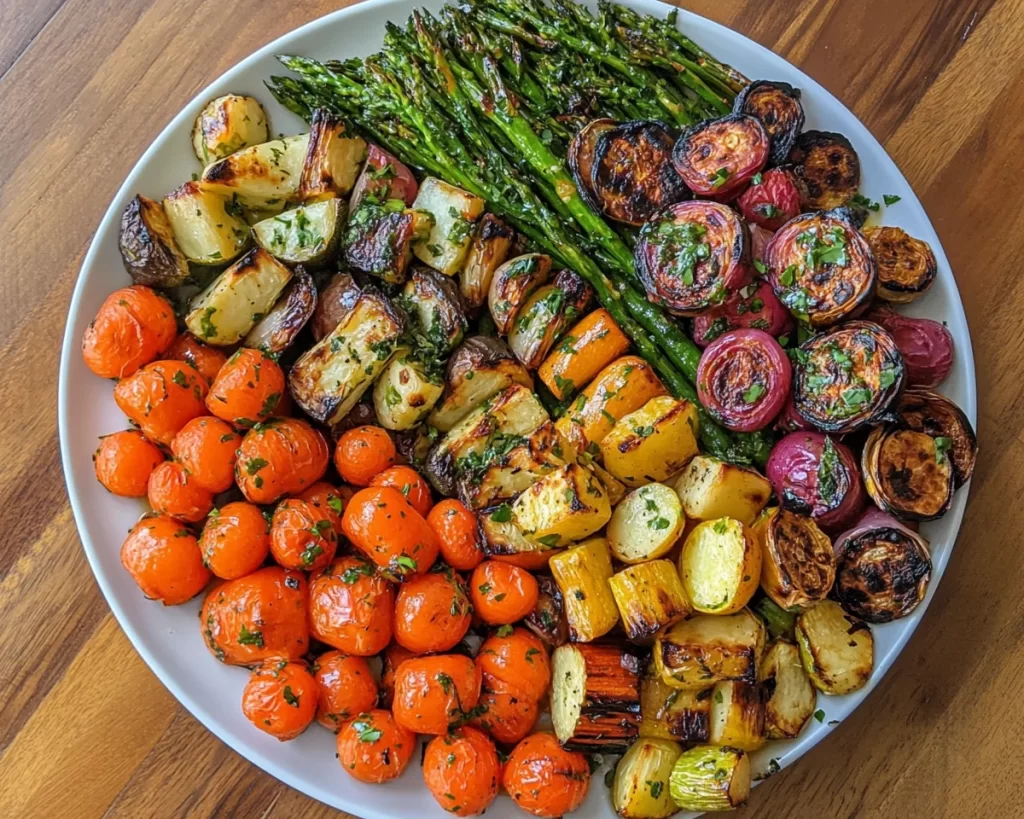
When it comes to hosting a gathering, whether it’s a casual family dinner or a more elaborate spring dinner party, having the right dishes on your table can make all the difference. The *Spring Dinner Party Roasted Vegetable Platter* not only adds a vibrant splash of color to your buffet but also delights the senses with enticing aromas and robust flavors. Roasted vegetables are a timeless classic, showcasing seasonal produce at its best while being incredibly versatile in flavor profiles. You’ll find everything you need to make this dish and how to master it effortlessly, whether you’re a beginner in the kitchen or an experienced home cook seeking a refreshing recipe.
This platter is not just visually appealing; it’s designed to be easy to prepare and adaptable to your tastes. If you’ve been on the search for a recipe that is satisfying and healthy, this one is sure to impress your guests while reflecting the essence of the season. As we venture through this guide, you will learn how to prepare, modify, and serve this mouthwatering roasted vegetable platter, ensuring you can customize it to fit dietary preferences.
What Is Spring Dinner Party Roasted Vegetable Platter?
The *Spring Dinner Party Roasted Vegetable Platter* celebrates the vibrant produce that springs to life as the chill of winter fades away. Traditionally, this dish features a delightful assortment of vegetables, including carrots, asparagus, bell peppers, and zucchini, all roasted to perfection. The process of roasting caramelizes the natural sugars in the vegetables, enhancing their flavors and bringing out a sweet, earthy taste that is nothing short of sensational.
Roasting offers a beautifully satisfying texture, providing a crisp exterior while keeping the inside tender and flavorful. As a versatile dish, you can tweak the ingredients according to your seasonal finds or personal preferences. It’s the perfect showcase for fresh produce, with a harmonious blend of textures and colors. Each bite offers a delightful combination of savory and sweet, evoking the essence of spring. The platter also provides endless possibilities; it can be served warm, at room temperature, or even chilled, allowing for adaptability to different serving situations.
Not only does this dish showcase unique flavors, but it is also an opportunity to introduce your guests to a variety of seasonal vegetables, some of which they may not typically prioritize in their meals. Creating a roasted vegetable platter allows each bite to highlight the ingredients’ freshness and robust flavors, making even the simplest gathering feel elegant.
Why You’ll Love This
One of the standout benefits of the *Spring Dinner Party Roasted Vegetable Platter* is its incredible **ease** of preparation. With just a handful of ingredients and straightforward preparation steps, it allows you to focus on other important aspects of your gathering. Unlike more complex recipes that require constant monitoring, this dish roasts in the oven, freeing you up to spend time with your guests.
Financially speaking, seasonal vegetables are often more affordable, making this dish not only budget-friendly but also **health-conscious**. Packed with nutrients and fiber, these vegetables can contribute to a well-rounded diet. This platter allows you to incorporate a variety of vegetables in a single dish, providing diverse nutrients without sacrificing flavor.
Another reason you will love this dish is its versatility. Each ingredient can be customized to suit dietary needs and preferences. Whether you are accommodating vegetarians, gluten-free eaters, or simply have a family member who dislikes a certain vegetable, there are dozens of substitutions available to ensure everyone gets to enjoy it.
Misconceptions may arise concerning roasted vegetables being too bland or dry. However, with proper seasoning and cooking techniques, you can elevate the flavors dramatically. A future recipe development or cooking experimentation may spark an exciting culinary adventure, with leftover vegetables or herbs from your garden inspiring unique pairings.
Ingredients You’ll Need
To create the Spring Dinner Party Roasted Vegetable Platter, gather the following ingredients:
- Carrots: Fresh, vibrant carrots are not only visually appealing but they offer a sweet yet earthy flavor when roasted. You can substitute baby carrots if you’re short on time, as they require less prep.
- Asparagus: Known for its unique texture and flavor, asparagus adds elegance to your platter. If asparagus is out of season, green beans can serve as a wonderful alternative.
- Bell Peppers: For a splash of color, choose a mix of red, yellow, and green bell peppers. They each carry a distinct sweetness. Roasting brings out their natural sugars beautifully.
- Red Onion: The sweetness of roasted red onions complements the other vegetables fantastically. If you prefer milder onions, substitute with shallots.
- Zucchini: Soft and juicy when roasted, zucchini absorbs flavors beautifully. Consider using yellow squash for a vibrant twist.
- Fresh Herbs (Rosemary, Thyme): Fresh herbs provide aromatic undertones, enhancing the overall flavor. Use dried herbs as a substitute if fresh is unavailable, but remember they are more potent.
- Olive Oil: Essential for roasting, olive oil helps achieve that golden, caramelized finish. Avocado oil can be a suitable substitute, offering a similar health profile.
- Salt & Pepper: Basic but necessary, these seasonings amplify flavors. Adjust them according to taste, remembering that a little goes a long way!
Gathering these ingredients will have you well on your way to creating an unforgettable dish that celebrates the freshness of spring.
How to Make
Follow these step-by-step instructions for creating your delectable roasted vegetable platter:
- Preheat Your Oven: Start by preheating your oven to 425°F (220°C). This high temperature ensures that your vegetables roast quickly, caramelizing their sugars and enhancing flavor. Proper preheating is crucial to achieving that perfect golden exterior.
- Prepare Your Vegetables: Thoroughly wash and dry your vegetables. Peel the carrots, and cut them into even sticks for uniform cooking. Trim the asparagus and cut bell peppers into strips. Cut the zucchini into thick rounds. Evenly sized pieces help them roast consistently.
- Seasoning Time: In a large mixing bowl, combine all your prepared vegetables. Drizzle liberally with olive oil; this not only adds flavor but also helps in achieving that desired crispiness. Add freshly chopped herbs if you’re using them, along with a generous sprinkle of salt and freshly cracked pepper. Toss until well-coated; this step is vital for flavor absorption.
- Arrange on a Baking Sheet: Spread the vegetables out on a large baking sheet in a single layer. Avoid overcrowding—this allows for steam to escape and promotes even roasting. If needed, use two baking sheets to space them apart adequately.
- Roast in the Oven: Place the baking sheet(s) in the oven and roast for 25-30 minutes. Halfway through, take them out and carefully toss the vegetables to promote even browning. Look for a beautiful caramelized color, and tender texture with a touch of crispiness.
- Final Touches: Once the vegetables have reached a delightful golden brown and tender state, remove them from the oven. Let them cool for a few minutes before transferring them to a serving platter. Drizzle with a little more olive oil or balsamic vinegar if desired, and feel free to add more fresh herbs for garnish.
With these steps complete, you’ll have a beautiful platter of roasted vegetables ready to impress your guests. The texture will be inviting, and the aroma will draw people to the table, making it not just a dish but an engaging experience.
Variations & Substitutions
Herb-Infused Variation: Enhance the taste of your platter by infusing your olive oil with fresh herbs. Simply combine olive oil with chopped fresh herbs like basil, parsley, or dill prior to tossing with vegetables. This variation adds a remarkable layer of flavor that elevates the dish, perfect for herb enthusiasts.
Spicy Vegetable Platter: If you like a bit of heat, consider adding a touch of spice by incorporating jalapeños or sprinkling red pepper flakes over your vegetables before roasting. This adaptation is great for those who favor bold flavors and captures a lively kick that entices the palate.
Root Vegetable Platter: For a heartier option, use a selection of root vegetables like sweet potatoes, parsnips, and turnips. This variation brings warmth to your platter and is particularly delightful during cooler spring days. The combination of sweetness and earthiness will be incredibly satisfying and unique.
Grilled Vegetable Platter: If roasting isn’t your style or it’s a beautiful day outside, consider grilling your vegetables instead. Toss them in a grill-safe container and follow the same steps, ensuring you keep an eye on them to avoid burning. Grilling offers attractive char marks and a smoky taste that enhances the richness of the veggies.
Common Mistakes to Avoid
One common mistake with roasting vegetables is overcrowding the baking sheet. When vegetables are too close together, steam can form, resulting in a soggy texture rather than the desired crispness. Ensure that there is ample space, or use multiple sheets as necessary.
Another pitfall is not preheating your oven adequately, which can lead to uneven cooking. **Always preheat your oven**, as this step significantly influences the final texture and flavor of your roasted vegetables.
Additionally, neglecting to season properly can diminish the dish’s overall appeal. While salt and pepper are foundational, don’t shy away from experimenting with other spices to enhance flavors. You might even consider a splash of lemon juice post-roasting for a zesty finish.
Lastly, using low-quality or old ingredients may lead to disappointing results. Always opt for the freshest vegetables you can find. Seasonal produce is not only more flavorful but can also provide a more satisfying roasted result.
Storage, Freezing & Reheating Tips
To ensure your *Spring Dinner Party Roasted Vegetable Platter* stays fresh, store any leftovers in an airtight container. Proper storage is essential to maintain flavor and texture. Place it in the refrigerator, where it will stay fresh for up to 3-4 days.
Freezing roasted vegetables is possible but may alter their texture. If desired, freeze the vegetables in a single layer on a baking sheet before transferring them to a freezer bag. This technique helps prevent clumping and allows for easier portioning later on. They can be stored in the freezer for about 2-3 months.
To reheat, place the vegetables on a baking sheet and warm them in a preheated oven at 350°F (175°C) until heated through. This method helps revive some of the original crispiness. Alternatively, you can microwave them; however, be cautious, as this could leave the vegetables softer and less appealing. Always check to ensure they are heated thoroughly.
Always practice food safety when it comes to leftovers, and if the leftover vegetables have any strange smells or signs of spoilage, it’s best to discard them. Your health is paramount!
Frequently Asked Questions
Can I use frozen vegetables for this recipe? While it is possible to use frozen vegetables, it is generally not recommended for achieving the best texture and flavor. Fresh vegetables will produce a superior result in terms of flavor and texture. If frozen is your only option, be sure to thaw and pat them dry to reduce moisture before roasting.
What types of herbs work best with roasted vegetables? Most herbs can complement roasted vegetables beautifully. Rosemary and thyme are excellent choices as they infuse the dish with earthy flavors. You can also experiment with cilantro, basil, or oregano depending on your flavor preferences. Just ensure to balance fresh and dried herbs, as dried ones are more potent.
How do I know when the vegetables are done roasting? Visual indicators will guide you; you’re looking for golden-brown caramelization on the edges and a tender texture when pierced with a fork. Each vegetable has a different cooking time, so check them around the 25-minute mark to ensure they do not overcook.
Can I make this platter a day in advance? Yes, the nog is quite flexible as you can prep the vegetables and season them the day before, storing them in the fridge until you are ready to roast. This will save you time on the day of your event, allowing you to focus on other dishes or enjoy time with your guests.
What can I serve with the roasted vegetable platter? The stunning roasted vegetables can be served as a side dish alongside grilled meats, fish, or even as a centerpiece for a vegetarian meal. You may also consider pairing it with quinoa, couscous, or a refreshing salad—this platter easily adapts to complement a wide range of main courses.
Conclusion:
The *Spring Dinner Party Roasted Vegetable Platter* is a vibrant celebration of seasonal produce that brings both health and flavor to your table. This dish shines with its ability to impress guests while being easy to prepare. With its beautiful presentation, rich flavors, and numerous variations to suit all palates, this platter is perfect for family dinners, weeknight meals, or special occasions.
Don’t hesitate to let your creativity flow in the kitchen; try incorporating your seasonal favorites, experiment with different herbs and spices or even create a themed platter that resonates with your gathering. So gather the freshest vegetables, put on your apron, and enjoy the simple pleasure of cooking. Share your creations with friends and family, and let them savor the joy of home-cooked meals. Happy cooking!