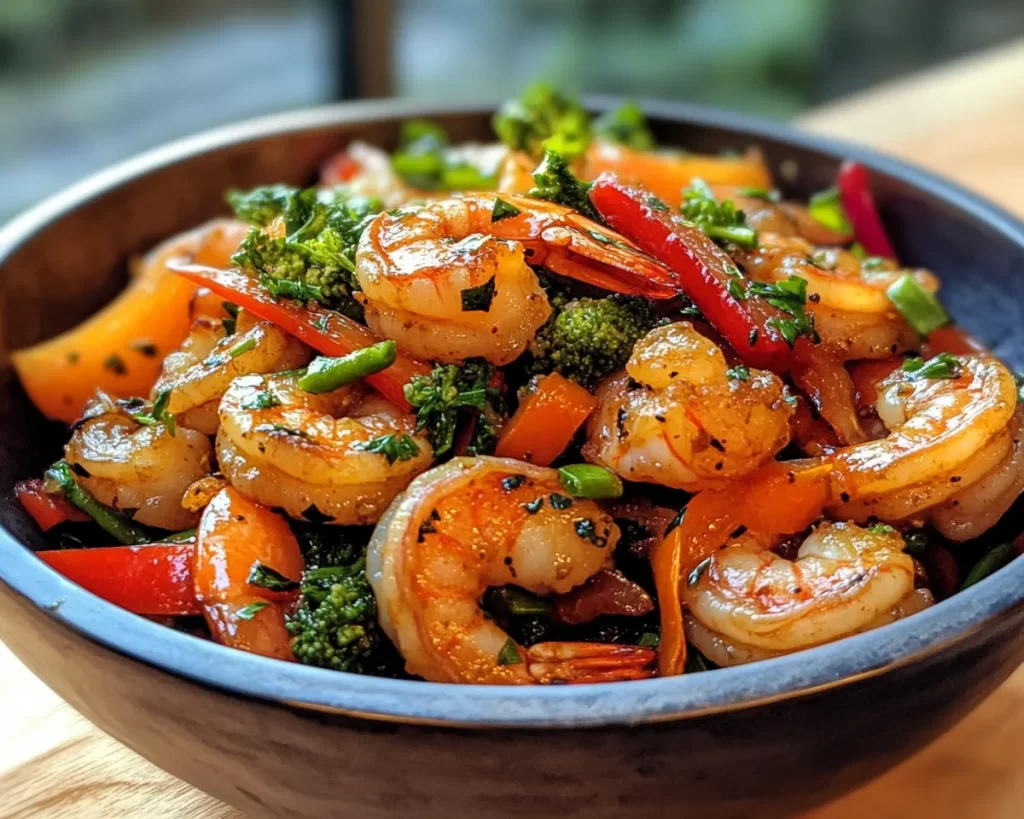
Prep time: 15 minutes
Cook time: 15 minutes
Total time: 30 minutes
Servings: 4
Are you ready to fall in love with a dish that’s both vibrant and satisfying? The fresh flavors of spring are just around the corner, and what better way to celebrate than with a delicious Shrimp Stir Fry? This dish is not only a feast for the eyes but also for the palate. Imagine perfectly cooked shrimp mingled with a colorful medley of vegetables, all tossed in a savory sauce that sings of springtime.
What makes this recipe special? It balances the quick cooking of shrimp with the crunch of fresh spring vegetables, making it a quick yet nourishing meal. Whether you’re a busy parent looking to whip up dinner in less than half an hour or a beginner wanting to learn how to create a dish that wows, this recipe is a perfect fit.
In this article, you’ll discover everything about Shrimp Stir Fry—from the fundamental ingredients to tips for making it your own. Get ready to explore variations that appeal to different dietary needs and a step-by-step guide that will teach you the art of stir-frying.
What Is Spring Dinner Recipes: Shrimp Stir Fry?
Shrimp Stir Fry is a popular dish that finds its origins in Asian cuisine, celebrating the concept of quick cooking to retain flavor and texture. This dish typically features shrimp sautéed alongside a variety of fresh vegetables, creating a harmonious blend of color, taste, and nutrition. The shrimp, known for their slightly sweet and briny flavor, becomes a partner to the crunchiness of seasonal veggies, turning each bite into a delightful experience.
The texture of an ideal stir fry should be crisp yet tender, with the shrimp having a slight snap, which is best achieved by cooking them quickly at high heat. There’s something remarkably satisfying about tossing everything in a hot pan, watching the vegetables turn vibrant colors, and the shrimp transform into a succulent pink. The beauty of this dish lies not just in its ingredients but in the cooking method itself—stir-frying allows for a symphony of flavors without needing a long preparation time.
By infusing this dish with an aromatic sauce, typically made from soy sauce, garlic, and ginger, you can create a flavor explosion that captures the essence of spring. The quick cooking method and seasonal ingredients make it a go-to recipe for those wanting to eat healthily without compromising flavor or enjoyment.
Why You’ll Love This
This Shrimp Stir Fry embodies everything that makes spring dining special: it’s light, fresh, and bursting with flavor. One of the primary benefits is its simplicity; it comes together in around 30 minutes, allowing you to enjoy a homemade meal without a lengthy cooking process. Ideal for busy weeknights, this dish is an excellent way to nourish yourself and your family while experiencing the thrill of cooking.
Additionally, this recipe is budget-friendly. Shrimp can be affordable if sourced correctly, and seasonal vegetables can often be found at local markets during spring. A colorful array of bell peppers, snap peas, and carrots can elevate the dish without breaking the bank. Furthermore, this meal is extremely versatile. You can easily adapt it to accommodate dietary preferences, whether you’re gluten-free, dairy-free, or vegetarian.
It’s important to note that many people shy away from stir-frying out of fear of overcooking or burning their food. However, when done right, stir-frying can yield brilliant results. The key is to have all your ingredients prepped ahead of time to ensure a seamless cooking experience. Trust in the process, and you’ll be rewarded with a sumptuous dinner that everyone will love.
Ingredients You’ll Need
- 1 pound fresh shrimp: peeled and deveined. Shrimp cook quickly and offer a delightful taste and texture.
- 2 cups mixed vegetables: such as bell peppers, snap peas, and carrots. These add crunch and color to the dish.
- 3 cloves garlic: minced. Garlic enhances flavor and provides aromatic depth.
- 1 inch fresh ginger: minced. Ginger adds a warm spice that complements the sweetness of shrimp.
- 3 tablespoons soy sauce: for seasoning. This salty and umami-rich component ties the dish together.
- 2 tablespoons vegetable oil: for sautéing. This oil can withstand high heat, making it ideal for stir-frying.
- 1 tablespoon sesame oil: adds a nutty flavor. It’s often added at the end of cooking to preserve its aroma.
- Salt and pepper: to taste.
- Cooked rice or noodles: for serving. They help absorb the stir fry’s sauce and make the meal more filling.
To make the most of this dish, consider substituting shrimp for chicken or tofu if you prefer. For a gluten-free option, opt for tamari sauce instead of soy sauce. Fresh vegetables can also be swapped based on seasonality or personal preferences; just make sure to maintain a balance of colors and textures for an appealing and nourishing meal.
How to Make
- Prepare your ingredients: Start by gathering all your ingredients and chopping the vegetables. Peel and devein the shrimp if not already done. Mince the garlic and ginger finely so they can distribute their flavors evenly in the stir fry. This step is crucial, as it will streamline your cooking process and ensure everything cooks evenly and thoroughly.
- Heat the oil: In a large skillet or wok, heat the vegetable oil over medium-high heat. You want your pan hot enough that the oil shimmers but does not smoke. This ensures the shrimp will sear instead of steam, which gives them a lovely texture. It is important not to overcrowd the pan, as this can lower the temperature and affect the cooking process.
- Add garlic and ginger: Once the oil is hot, add the minced garlic and ginger. Sauté for about 30 seconds until fragrant; be careful not to burn them as they can turn bitter quickly. The aroma at this stage will fill your kitchen, enticing everyone nearby and signaling that a delicious meal is on its way.
- Cook the shrimp: Toss in the shrimp and cook for about 2-3 minutes until they turn pink and opaque, stirring frequently. This is where you’ll see the shrimp transform in color, a clear indicator that they are almost done. Do not overcook them, as they can become rubbery—remember, they will continue to cook slightly after removing them from heat.
- Add the vegetables: Incorporate your prepared vegetables into the skillet alongside the shrimp. Stir-fry for another 3-4 minutes until the vegetables are tender-crisp, bright in color, and full of life. Make sure to keep them moving in the pan; this ensures even cooking and prevents sticking. The contrast between the vibrant vegetables and shrimp is visually stunning.
- Add the sauce: Pour in the soy sauce and sesame oil, and toss everything together, ensuring that all ingredients are well-coated. This will take about 1-2 minutes, with the heat helping the sauce bind to everything. At this stage, the flavors meld together, creating a harmonious profile that embodies the essence of spring.
- Serve: Spoon the shrimp stir fry over a bed of cooked rice or noodles. The rice or noodles will absorb the delicious sauce, adding another layer of texture and flavor. Garnish with sesame seeds or chopped green onions if desired for an added touch of elegance. Serve immediately to enjoy the dish at its freshest.
The key to perfecting this dish lies not only in the cooking technique but also in your choice of ingredients and their freshness. Experiment with textures, aromas, and flavors by using a variety of seasonal vegetables to capitalize on what’s available.
Variations & Substitutions
Vegetarian Shrimp Stir Fry: If you’re looking for a meatless option, consider swapping the shrimp for tofu or tempeh. Both ingredients are excellent protein sources and will soak up the sauce beautifully. To maximize flavor, press and marinate your tofu or tempeh before frying. This variation is perfect for vegetarians or as a lighter option for those wanting less protein.
Curry Shrimp Stir Fry: For a different flavor profile, add curry powder or paste to the stir fry sauce. This will impart a warm, savory flavor that will transform the dish entirely. You can complement it with vegetables like bell peppers and zucchini to enhance the richness of the curry. This version caters to those who enjoy a slightly spicier and aromatic meal.
Gluten-Free Version: To make this dish gluten-free, substitute traditional soy sauce for tamari, which offers the same umami flavor without the gluten. Also, be careful with any pre-packaged sauces or stocks. Pair your stir fry with quinoa or rice instead of noodles for a gluten-free grain base. This is especially beneficial for individuals with gluten sensitivities.
Asian-Inspired Noodle Stir Fry: Another option is to use rice noodles instead of rice. Cook the noodles separately according to package instructions, then toss them in with the stir fry in the final step. This variation adds a delightful chewy texture to the dish and enhances the overall flavor experience.
Common Mistakes to Avoid
One common mistake in stir-frying is overcrowding the pan. Not only does this lower the temperature, leading to steaming rather than frying, but it can also result in ingredients becoming soggy. Always give your ingredients ample space to sear directly on the pan’s surface.
Another issue is not having all your ingredients prepped before cooking. Stir-frying requires quick movements, so if you’re scrambling to cut veggies while the shrimp is already cooking, you risk overcooking or burning the shrimp. Prepare everything ahead to ensure a seamless cooking experience.
When it comes to seasoning, many people tend to skip tasting the dish as they go. This can lead to unbalanced flavors. Remember to taste your stir fry at various stages, adjusting the seasoning to your preferences. Also, be mindful of the salt content in your soy sauce; you can always add more, but it’s tough to fix oversalting.
Finally, make sure to check that your heat is adequately high enough. If the pan isn’t hot enough, you won’t achieve that beautiful caramelization and texture that makes stir-fry so appetizing.
Storage, Freezing & Reheating Tips
If you find yourself with leftovers, storing them properly is essential to maintaining freshness. Allow the shrimp stir fry to cool entirely before transferring it into an airtight container. It can be stored in the refrigerator for up to 3 days. Separately store rice or noodles if you want to prevent them from becoming mushy.
For long-term storage, you can freeze the stir fry in a freezer-safe container. However, shrimp can become somewhat rubbery upon reheating, so it’s best to consume it fresh whenever possible. If freezing, enjoy your stir fry within 2 months.
When you’re ready to eat leftovers, reheat them in a skillet over medium heat for uniform warming. Add a splash of water to revive the flavors without drying them out. Alternatively, a microwave can do the trick, but be sure to cover the dish to retain moisture.
As a food safety note, make sure reheated shrimp reaches an internal temperature of 165°F (74°C) before consuming. This ensures it’s safe to eat.
Frequently Asked Questions
Can I use frozen shrimp for this recipe? Yes, frozen shrimp can be used, but it’s essential to thaw them completely before cooking. To thaw shrimp, place them in the refrigerator overnight or submerge them in cold water for about 30 minutes. Make sure to pat them dry prior to cooking to avoid excess moisture in the stir fry.
What vegetables work best for shrimp stir fry? Vegetables like bell peppers, broccoli, snap peas, and carrots are excellent choices, as they retain their texture and add vibrant colors. Feel free to incorporate seasonal vegetables such as asparagus or green beans for more variety and flavor.
How do I customize the sauce? You can easily customize your stir fry sauce by adding ingredients like oyster sauce, hoisin sauce, or even a bit of chili paste for heat. For a sweeter note, consider adding honey or brown sugar. Adjust the flavors to your liking—cooking is all about personal expression!
Is this recipe kid-friendly? Absolutely! This Shrimp Stir Fry is great for kids, especially when you adapt the spice level to their taste. The colorful vegetables and shrimp make it visually appealing, and you can even involve the kids in the preparation process for added fun.
Can I make this dish in advance? While stir fry is best enjoyed fresh, you can prepare ingredients ahead of time. If you pre-cut your veggies and store them in the refrigerator, you can have a quick dinner ready in just 15 minutes after a busy day. However, for optimal taste and texture, it’s recommended to cook and consume the dish right away.
Conclusion:
In conclusion, this Shrimp Stir Fry embodies the freshness of spring while being quick, versatile, and absolutely delicious. It’s not just a dish; it’s a canvas for you to explore flavors, keep things healthy, and satisfy your family’s palate.
So why not give it a try? Customize it to your liking, add your spin, and share the outcomes with friends and family. Whether you enjoy it on a busy weeknight or serve it at a gathering, this dish is bound to become a favorite. Cook and revel in the delightful experience of creating a nourishing meal that everyone can appreciate!