Prep time: 15 minutes
Cook time: 20 minutes
Total time: 35 minutes
Servings: 4
Spring is a season that fills us with a sense of renewal and freshness, both in nature and in our kitchens. As the days grow warmer and brighter, we crave lighter, vibrant dishes that reflect the beauty around us. This Spring Dinner featuring tender, flaky salmon paired with a crisp, colorful Spring Salad drizzled with zesty lemon dressing is designed to satisfy those cravings. It not only celebrates the fresh produce of the season but also allows you to create a nutritious meal for busy families or beginner cooks alike. In this article, you’ll discover how to prepare a delicious Spring Dinner that’s easy to make, packed with flavor, and bursting with nutrients.
What Is Spring Dinner: Salmon + Spring Salad with Lemon Dressing?
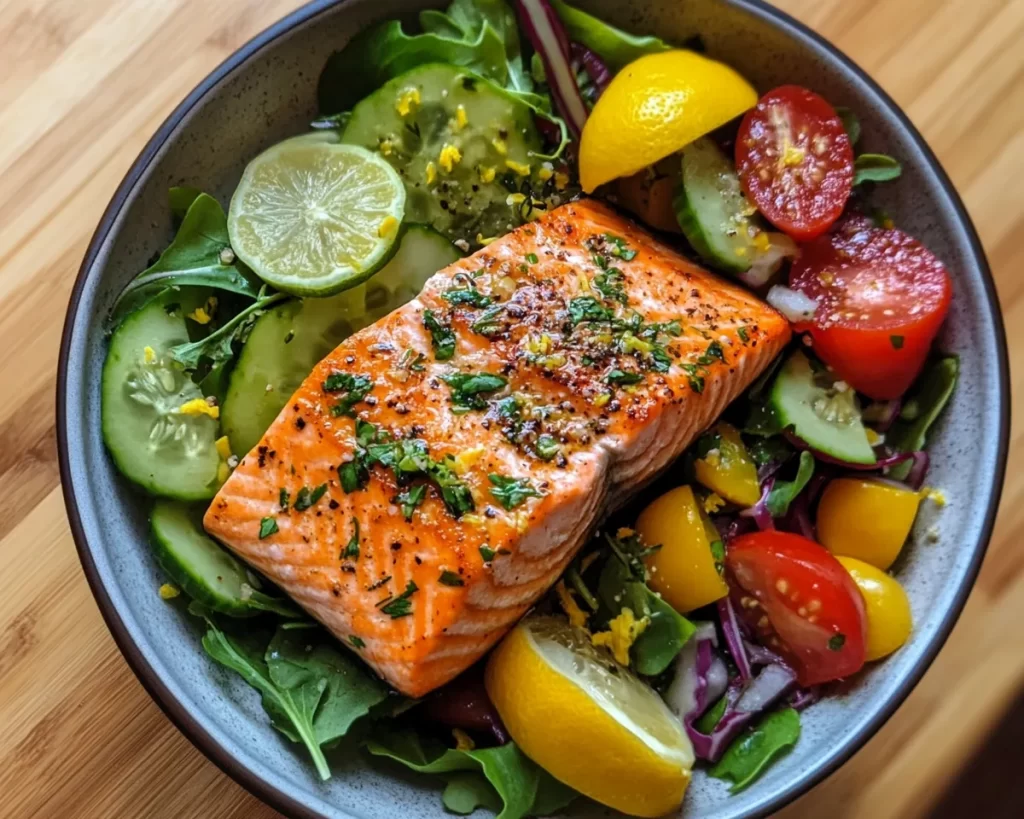
Spring Dinner: Salmon + Spring Salad with Lemon Dressing brings together the essence of spring on a plate. This dish features perfectly cooked salmon, known for its rich flavor and flaky texture, making it not just delicious but also a standout source of protein. The accompanying Spring Salad is a melange of seasonal vegetables like crisp greens, colorful radishes, and sweet peas, all tossed together to create a dish that is as pleasing to the eye as it is to the palate.
The lemon dressing adds an essential component to the meal, infusing each bite with a tartness that balances the richness of the salmon. This combination of flavors and textures offers a delightful gastronomic experience, making it a perfect option for a celebratory dinner or a casual weeknight family meal. The versatility of the dish means it can easily be customized, accommodating a variety of dietary preferences while remaining wholesome and satisfying.
Why You’ll Love This
Not only does this Spring Dinner shine in taste and aesthetics, but it’s also incredibly easy to prepare. Even if you’re a beginner in the kitchen, this recipe guides you through straightforward steps to ensure you achieve impressive results. Cooking salmon can often feel daunting, but with this dish, you’ll learn how to create a perfectly cooked fillet that your whole family will love.
The cost-efficiency of preparing this meal is another notable benefit. Salmon, while sometimes viewed as a luxury, can be an affordable option when sourced appropriately. You can create a complete meal without spending excessively, especially when you shop for seasonal vegetables, which are often more affordable and fresher. This meal also supports healthy eating habits, showcasing nutrient-rich ingredients that fuel your body without weighing you down.
Many fear that cooking fish might lead to a dry or overly fishy-tasting dish, but with the right techniques, like the one outlined in this recipe, you’ll avoid those common pitfalls. The freshness of the ingredients makes all the difference, resulting in a dish that feels indulgent yet simple.
Ingredients You’ll Need
- 4 salmon fillets: (about 6 ounces each) – rich in omega-3 fatty acids, they provide heart-healthy benefits.
- 2 tablespoons olive oil: extra virgin is best for flavor; it also promotes healthy fats.
- Salt and pepper: to taste – classic seasonings that enhance all flavors.
- 4 cups mixed greens: such as arugula, spinach, and kale for a mix of flavors and nutrients.
- 1 cup cherry tomatoes: halved – add a burst of sweetness and vibrant color.
- 1 cup radishes: thinly sliced for a peppery crunch.
- 1 cup sugar snap peas: provide a sweet flavor and crisp texture.
- 1 lemon: juiced for the dressing and zest to add fresh citrus flavor.
- 1 tablespoon Dijon mustard: lends a touch of sharpness and balances the dressing.
- 1 tablespoon honey: (optional) to sweeten the dressing; adjust to your taste.
Each ingredient plays a pivotal role in crafting the flavors of the dish. The salmon is the star, with its rich, silky texture. The mixed greens provide a crunchy contrast while supplying fiber and vital nutrients. The cherry tomatoes add sweetness, while the radishes offer peppery notes that elevate the salad’s taste. Lastly, the sugar snap peas add a delightful snap, ensuring each bite is varied and exciting.
How to Make
- Preheat your oven: Start by preheating your oven to 400°F (200°C). This ensures an even cook for your salmon, allowing for a beautifully flaky texture.
- Prepare the salmon: Pat your salmon fillets dry with a paper towel. This is an important step; removing excess moisture helps achieve a nice, crispy surface. Drizzle each fillet with olive oil, then season generously with salt and freshly cracked black pepper on all sides to enhance its natural flavors.
- Cooking the salmon: Place the salmon fillets skin-side down on a baking sheet lined with parchment paper. Bake in the preheated oven for about 12-15 minutes, or until the fish flakes easily with a fork. The internal temperature should reach 145°F (63°C). Keep an eye on it to avoid overcooking, which can lead to a dry texture.
- Make the lemon dressing: While the salmon is baking, you can prepare the lemon dressing. In a small bowl, whisk together the juice of one lemon, Dijon mustard, honey (if using), and a pinch of salt. Slowly drizzle in 2 tablespoons of olive oil while whisking continuously until the dressing is well combined and emulsified. Taste and adjust the acidity, sweetness, or seasoning if necessary.
- Prepare the salad: In a large salad bowl, combine the mixed greens, cherry tomatoes, radishes, and sugar snap peas. Gently toss the vegetables together until they are mixed well. Drizzle the dressing over the salad just before serving for the freshest taste.
- Serving: Once the salmon has finished cooking, remove it from the oven and let it rest for a minute. Serve the salmon alongside a generous portion of the spring salad. Drizzle any remaining dressing over the top for an extra burst of flavor.
The beauty of this recipe lies in its simplicity while ensuring that every step is manageable for even those who might feel nervous about cooking fish. The balance of flavors—from the rich salmon to the fresh, vibrant salad—is something to savor, making every bite a celebration of spring.
Variations & Substitutions
Grilled Salmon Variation: If you’re looking for a smoky flavor, consider grilling the salmon instead of baking it. Preheat your grill to medium-high heat and oil the grates to prevent sticking. Grill the salmon for about 5-7 minutes per side, depending on thickness, until it reaches the same flakiness that baking offers.
Vegetarian Alternative: For a vegetarian twist on this dish, swap out the salmon for grilled or roasted portobello mushroom caps. They provide a meaty texture that complements the salad perfectly while remaining plant-based. Marinate the mushrooms in olive oil, balsamic vinegar, and garlic before cooking to ensure vibrant flavor.
Pasta Addition: To make this meal more filling, consider adding cooked pasta such as farro or whole wheat penne mixed into the salad. It can provide heartiness while still keeping the dish light and satisfying. Toss the pasta with salad greens and dressing for a cohesive dish.
Vegan Dressing Option: Make the lemon dressing vegan-friendly by omitting honey and substituting it with maple syrup or sweet agave nectar. This change ensures that the dressing is completely plant-based while still offering that delightful sweetness.
Additional Veggies: Feel free to customize your salad with other seasonal vegetables like asparagus or cucumbers. Each veggie provides distinct flavors, adding more texture and color to your meal. This way, you can use whatever is fresh and available, especially from local farms or farmers’ markets in the springtime.
Common Mistakes to Avoid
Cooking salmon can be intimidating, but it doesn’t have to be. One of the most common mistakes is overcooking the fish. Keep in mind that the salmon will continue to cook slightly after it’s removed from the oven, so aim for a temperature of about 140°F (60°C) and let it rest for a few minutes before serving. This will result in a much juicier and tender piece of fish.
Another common issue arises from not seasoning adequately. Salmon can easily become bland if it’s not seasoned well. Always season generously with salt and pepper before cooking. If you’re hesitant about overdoing it, remember that seasoning enhances flavors and brings the dish to life.
Lastly, don’t skip the resting phase! Allowing the salmon to rest after taking it out of the oven is crucial. This process helps in redistributing the juices throughout the fish, resulting in better flavor and moisture retention. Rushing to cut into the salmon too soon can leave you with a dry result, defeating the purpose of enjoying a well-cooked dish.
Storage, Freezing & Reheating Tips
If you have leftovers or plan to make this dish ahead of time, proper storage is essential. Store leftover salmon in an airtight container and place it in the fridge, where it can last for up to 3 days. To reheat, place it in an oven set to 350°F (175°C) for about 10 minutes or until warmed through. This method helps avoid drying out the salmon compared to using a microwave.
For longer-term storage, freezing is an option. Wrap the cooked fillets tightly in plastic wrap and then place them in a freezer-safe bag. Ideally, consumed within 2 months for the best flavor and quality, remember to label them with the date. To thaw, move the salmon to the refrigerator a day before you plan to enjoy it again.
As for the salad, it’s best enjoyed fresh. If you have leftover salad, store the components separately. Keep the greens separate from the dressing, as dressing can make the greens soggy over time. If needed, the veggies can last in the fridge for another day without dressing. This helps maintain their crispness and freshness.
Frequently Asked Questions
Can I use frozen salmon for this recipe? Absolutely! Frozen salmon works well; just ensure it’s fully thawed before cooking. It’s best to thaw in your refrigerator overnight or use a cold-water method, which is faster and more effective.
How do I know when the salmon is fully cooked? The best way to check is to use an instant-read thermometer. Salmon is fully cooked when it reaches an internal temperature of 145°F (63°C). Additionally, it should flake easily with a fork.
Can this recipe be made in advance? While the salmon is best served fresh, the salad can be prepared a few hours in advance and stored in the fridge until you’re ready to serve. Just add the dressing right before serving to keep everything crisp.
What variations can I make for dietary restrictions? There are several dietary modifications to consider. You can make this dish gluten-free by ensuring that the mustard and any sauces used are gluten-free. For vegetarian options, substitute the salmon with plant-based alternatives like tempeh or tofu.
What type of side dishes pair well with this meal? This Salmon and Spring Salad dish pairs beautifully with a variety of sides. Consider serving a light couscous with herbs, grilled asparagus, or even a simple garlic bread for a complete meal. Each of these options adds texture and contrast to the meal while enhancing the overall dining experience.
Conclusion:
The Spring Dinner featuring Salmon + Spring Salad with Lemon Dressing offers a vibrant and wholesome meal that celebrates the freshness of the season. This dish not only highlights the beauty of simple ingredients but also allows you to create a satisfying meal that is nutritious and incredibly easy to prepare. From seasoned home cooks to bustling families looking for quick weeknight dinners, this recipe can be adjusted to fit your needs and tastes. Don’t hesitate to try various adaptations and make it your own. Share this delightful dish with friends and family, and enjoy the pleasures of springtime together at the dinner table. Happy cooking!