Prep time: 20 minutes
Cook time: 30 minutes
Total time: 50 minutes
Servings: 4
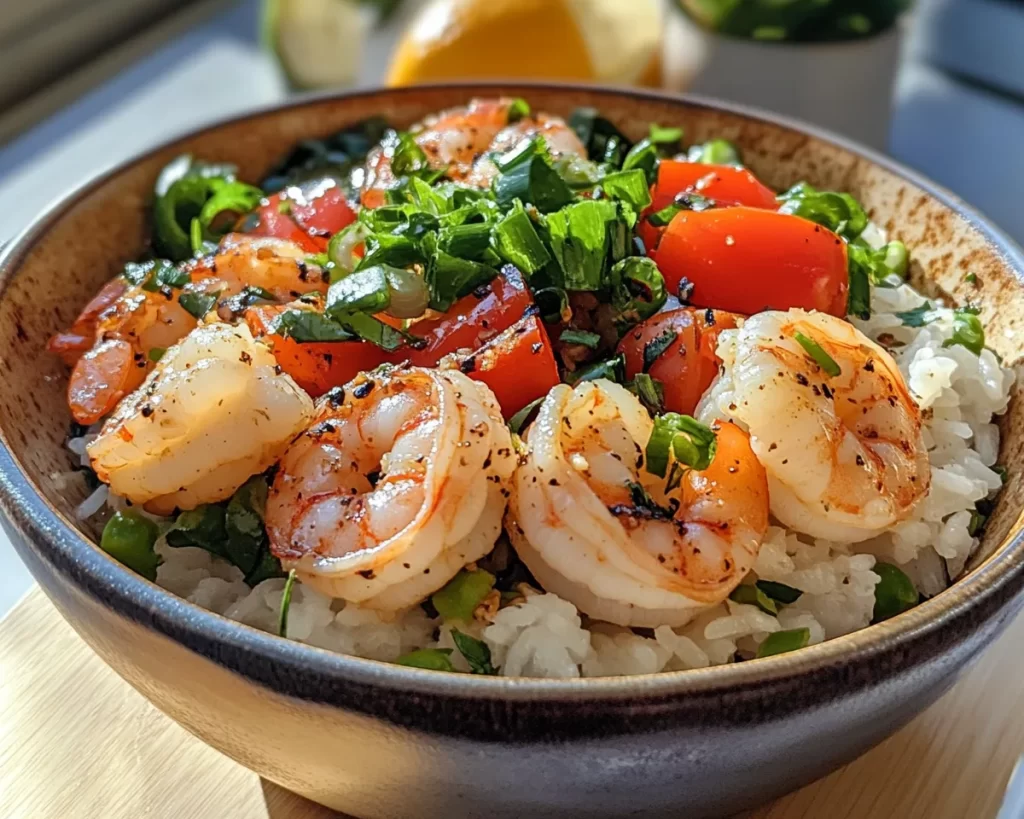
There’s something incredibly refreshing about a spring dinner; it’s a time where life seems vibrant, light, and filled with lush flavors. Imagine the delicate crunch of vegetables, the zing of zesty herbs, and the satisfying texture of perfectly cooked shrimp paired with fluffy rice. The Shrimp Rice Bowl embodies everything wonderful about the season, making it not just a meal, but an experience that brings joy to your dining table.
In this article, you’ll find all the tips, techniques, and wisdom you need to create a fresh and flavorful Spring Dinner Shrimp Rice Bowl. From ingredient selection to expert cooking methods, each step is designed to help you achieve the perfect balance of taste and health. You can expect to learn about variations that can suit any dietary preference, along with some common pitfalls to avoid. So, whether you’re a busy parent looking for an easy weeknight meal or a beginner eager to impress at a dinner party, this recipe will guide you through every delicious bite.
What Is Spring Dinner: Shrimp Rice Bowl (Fresh)?
The Shrimp Rice Bowl is a delightful amalgamation of textures and flavors that embodies the essence of spring. Historically, rice bowls have roots in various Asian cuisines, often serving as a blank canvas upon which other ingredients shine. Imagine tender, succulent shrimp that have been seasoned and cooked to perfection, resting atop a bed of fluffy rice and surrounded by vibrant fresh vegetables. The textures combine to create a delightful contrast between the crispness of vegetables and the softness of rice, while the shrimp’s light, briny flavor adds a seafood dimension that elevates the whole dish.
As a dish, it is also highly versatile. Whether you’re using jasmine rice, brown rice, or even quinoa, the base can be tailored to fit your preferences. Fresh vegetables like bell peppers and snap peas not only add color but also contribute vital nutrients, making it a wholesome option for dinner. Each bowl can be customized to taste, making it appealing for a wide range of eaters—from seafood lovers to those who prefer vegetarian options. It’s a harmonious blend of flavor and nutrition, ideal for enjoying on a warm spring evening.
Why You’ll Love This
There are countless reasons to adore this Shrimp Rice Bowl. First and foremost, the taste is a harmonious ensemble of flavors—zesty, savory, and fresh. The shrimp, when cooked correctly, bursts with flavor and pairs beautifully with the spices and herbs that make up the dish. Additionally, this meal is quick to prepare, making it an excellent choice for busy weeknights or casual dinners. It’s a breeze to whip together after a long day, requiring minimal effort while still delivering a satisfying and nutritious meal.
Another appealing factor is the cost-effectiveness of the ingredients. Shrimp can often be found on sale in local grocery stores, and the vegetables are typically in season during spring, making them more affordable. This recipe also explores various substitutions, ensuring you won’t need to make a special trip to the store. Most importantly, you can create it using healthy ingredients. Packed with proteins, vitamins, and minerals, this rice bowl is a guilt-free indulgence that’ll leave you feeling great both inside and out.
Ingredients You’ll Need
To create your own Spring Dinner: Shrimp Rice Bowl, gather the following ingredients:
- 1 lb shrimp, peeled and deveined
- 2 cups jasmine rice or brown rice
- 1 bell pepper, sliced
- 1 cup snap peas
- 1 cup carrots, julienned
- 2 tbsp olive oil
- 2 cloves garlic, minced
- 1 inch fresh ginger, grated
- 3 green onions, chopped
- 2 tbsp soy sauce or tamari
- 1 tbsp sesame oil
- 1 tsp red pepper flakes (optional)
- Juice of 1 lime
- Fresh cilantro for garnish
Let’s break down the roles of these ingredients:
– **Shrimp**: The star of our dish, shrimp provides protein and a delightful seafood flavor. If you’re allergic or prefer a different protein, consider using chicken or tofu as a substitute.
– **Rice**: The base for your bowl. Jasmine rice offers a light, floral flavor, while brown rice gives a nuttier texture. Feel free to substitute with quinoa or cauliflower rice for a lower-carb option.
– **Vegetables**: Bell peppers and snap peas add color, crunch, and important nutrients like vitamins A and C. You may substitute with your favorites like broccoli or zucchini.
– **Olive Oil**: Used for sautéing, it adds richness to the dish.
– **Garlic & Ginger**: These aromatics provide a robust flavor. Fresh ginger can be replaced with ground ginger if necessary, but the fresh variety truly makes a difference.
– **Soy Sauce**: This umami-rich sauce ties the ingredients together with saltiness and a hint of sweetness.
– **Sesame Oil**: Adds an authentic Asian touch and enhances the overall flavor profile.
– **Red Pepper Flakes**: Optional for those who enjoy a little heat.
– **Lime Juice**: Brightens the dish with its acidity, balancing the other flavors.
– **Cilantro**: A fresh herb to top your bowl, adding a final layer of aroma and flavor.
How to Make
Now that you have your ingredients gathered, it’s time to delve into the cooking process. Follow these step-by-step instructions carefully to create a perfect Shrimp Rice Bowl.
- Begin by rinsing your rice under cold water until the water runs clear. This step helps to remove excess starch and ensures fluffier rice. In a medium pot, combine two cups of rice with four cups of water (or according to package instructions) and a pinch of salt. Bring to a boil, then reduce the heat to low and cover the pot. Allow it to simmer for about 15-20 minutes or until the rice is fully cooked. Once done, keep it covered until you’re ready to serve.
- While the rice is cooking, wipe down your vegetables. Slice the bell pepper into thin strips and julienne the carrots. Snap peas can be left whole. Prepare your garlic and ginger by mincing the garlic cloves and grating the fresh ginger. Having all your vegetables prepped will streamline the cooking process.
- In a large skillet or wok, heat two tablespoons of olive oil over medium-high heat. After a moment, add the minced garlic and grated ginger. Sauté for about one minute until fragrant, making sure not to burn them. The aroma is what you want to fill your kitchen.
- Add the shrimp to the skillet, cooking for about 3-4 minutes, or until they turn pink and opaque. Use your spatula to continuously stir them so they cook evenly. This is where you should ensure your shrimp are not overcooked, as they can become rubbery. Once cooked, transfer them to a plate and set aside.
- In the same skillet, toss in the sliced bell pepper, snap peas, and carrots. Sauté for about 4-5 minutes. You want them tender but still crispy. This step is crucial as the vibrant color and crunch of these vegetables play a significant role in the overall texture of the dish.
- Once the vegetables are cooked to your liking, return the shrimp to the skillet. Pour in the soy sauce, sesame oil, lime juice, and red pepper flakes (if using). Stir everything together for another minute or two, allowing the flavors to meld. The dish should begin to take on a beautiful sheen from the sauce.
- Fluff the cooked rice with a fork and then serve it in bowls. Top each bowl with the shrimp and vegetable mixture. Don’t forget to sprinkle chopped green onions and cilantro to add freshness and a pop of flavor. Serve immediately and enjoy the warmth of your home-cooked meal.
Variations & Substitutions
Vegetarian Rice Bowl: If you prefer a meatless option, swap out shrimp for firm tofu or tempeh. Both are excellent sources of protein and absorb flavors well. Marinate your tofu in soy sauce and then sauté it in the same manner as the shrimp. The result is a delightful vegetarian dish that everyone will love.
Spicy Shrimp Bowl: For those who enjoy spicy food, incorporate diced jalapeños or a dash of sriracha to the dish. By adding heat, you can create an entirely different flavor profile that amps up the taste experience. Just ensure you adjust the red pepper flakes according to your spice tolerance!
Coconut Rice Bowl: For a tropical twist, cook your rice in coconut milk rather than water. This variation adds a beautiful creaminess and enhances the Asian flavors of the dish. Pair it with some favorite vegetables like baby corn or bell pepper to complete the bowl.
Grain-Free Bowl: If you’re following a grain-free diet, use cauliflower rice instead. Simply pulse cauliflower florets in a food processor until they resemble rice and sauté them in the pan for a few minutes. This will provide the bulk of the bowl without the carbs, making it great for health-conscious eaters.
Sweet and Sour Bowl: If you prefer a sweeter flavor, you might add some pineapple chunks along with the vegetables during the sautéing step. The natural sweetness of the pineapple pairs splendidly with the shrimp, bringing a delightful balance. This variation offers a fresh take on traditional stir-fry flavors.
Common Mistakes to Avoid
To achieve culinary success with your Shrimp Rice Bowl, be aware of some common pitfalls. One major error is overcooking the shrimp. Shrimp cook very quickly, and cooking them for too long can lead to a rubbery texture. Keep an eye on them and remove them from the heat as soon as they turn pink and opaque.
Another common issue is not properly seasoning the rice. Cooking rice in plain water can dull its flavor. Always add a pinch of salt or cook it in broth to elevate the taste. Sometimes people also skip rinsing the rice before cooking; this can lead to extra sticky rice. Rinsing removes excess starch and results in fluffy grains.
Finally, piling everything together without allowing individual flavors to shine can make your dish feel like a hodgepodge rather than a harmonious blend of ingredients. Take the time to sauté garlic and ginger first, which will infuse each component with its natural oils and flavor. This slight alteration in method can make all the difference in the final outcome.
Storage, Freezing & Reheating Tips
If you happen to have leftover Shrimp Rice Bowl, there are excellent ways to store and reheat it without compromising its flavor. Allow the dish to cool completely before placing it in airtight containers, separating the rice and the shrimp-vegetable mixture if possible. This will maintain the texture of the rice, preventing it from becoming mushy during storage.
You can safely store it in the refrigerator for up to three days. If you plan to keep it longer, consider freezing the shrimp-veggie mix. Simply place it in a freezer-friendly container and make sure to consume it within two months for the best taste and quality.
When it comes to reheating, use a microwave or a stovetop. If microwaving, be sure to cover it with a damp paper towel to prevent it from drying out. On the stovetop, reheat it over medium heat. Adding a splash of water can help create steam, keeping the shrimp moist and the vegetables vibrant. Always check that the shrimp is heated all the way through before serving again.
Frequently Asked Questions
How can I make this meal gluten-free?
To make your Shrimp Rice Bowl gluten-free, simply substitute soy sauce with tamari, a gluten-free alternative. Ensure all other ingredients are certified gluten-free as well.
Can I use frozen shrimp?
Absolutely! Just remember to thaw your shrimp before cooking. You can place them in a colander under cold water until thawed, which usually takes about 15 minutes, or defrost them in the refrigerator overnight for added convenience.
Is this dish kid-friendly?
Yes! The colorful vegetables and flavorful shrimp make it appealing for children. Adjust the seasoning if your child prefers milder flavors, and include their favorite vegetables for a personalized touch.
Can I prepare this dish in advance?
Yes! You can prepare the rice and chop the vegetables ahead of time, which will save you time during dinner. Just store them in separate containers in the fridge until you are ready to cook.
What can I serve alongside my rice bowl?
To complement your Shrimp Rice Bowl, you could serve it with spring rolls or a side salad for added crunch. A light soup or a refreshing cucumber salad would also make lovely accompaniments.
Conclusion:
In summary, the Shrimp Rice Bowl is a fantastic way to embrace the flavors of spring while offering a healthy and satisfying meal option. Its versatility allows for endless adaptations, so don’t hesitate to explore variations that suit your family’s preferences. This dish not only nourishes the body but also the soul, making mealtime a joyful experience. Give it a try during this season, and you may just find it becomes a regular feature on your dinner table. Encouraging you to get into the kitchen, enjoy the cooking process, and share your delicious creation with friends and family!